 English
  English
 русский
 日本語
日本語 Español
 中文简体
中文简体The SANTO UFA range of self-regulating heating cables is mainly used for frost protection of pipes and vessels but can also be used to maintain processes up to 65°C. These heating cables are available...
See Details
Content
Self-Regulating Heat Tracing Cables are advanced heating solutions designed to maintain precise temperatures in industrial pipelines, tanks, and equipment. Unlike constant-wattage heating cables, self-regulating cables automatically adjust their power output in response to temperature changes, ensuring safety, energy efficiency, and reliable performance.
These cables incorporate a unique conductive polymer core that increases or decreases electrical resistance depending on the surrounding temperature. When the ambient temperature drops, the cable’s resistance decreases, increasing heat output. Conversely, when the temperature rises, resistance increases, reducing heat generation. This dynamic response prevents overheating and reduces energy waste.
Industries worldwide rely on Self-Regulating Heat Tracing Cables for multiple reasons:
These cables are essential for maintaining the temperature of pipelines carrying water, chemicals, or other liquids that are susceptible to freezing. They ensure smooth operations even in extremely cold environments.
The self-regulating mechanism minimizes unnecessary energy use, lowering electricity bills compared to constant-wattage systems. Energy is supplied only where and when it is needed.
By preventing overheating and hot spots, Self-Regulating Heat Tracing Cables reduce fire hazards and enhance the safety of industrial operations.
These cables can be used for various industrial applications, including pipelines, tanks, roof and gutter de-icing, and chemical processing. They operate reliably across wide temperature ranges and diverse environmental conditions.
Self-Regulating Heat Tracing Cables are widely used in multiple industrial sectors:
Maintain the viscosity of chemicals, prevent solidification, and protect pipelines and vessels from freezing.
Prevent wax and hydrate formation in pipelines and storage tanks, ensuring uninterrupted flow.
Maintain temperature-sensitive liquids and ensure hygiene standards during production and storage.
Keep critical piping systems at required operating temperatures to prevent downtime and equipment damage.
Used for roof and gutter de-icing, as well as maintaining hot water systems in cold climates.
Proper installation ensures optimal performance of Self-Regulating Heat Tracing Cables. Key considerations include:
Assess pipeline length, ambient conditions, and heat loss to determine cable type and wattage requirements.
Yes, most self-regulating heat tracing cables can be cut to fit specific lengths. However, cutting should follow the manufacturer’s instructions to ensure safety and functionality.
Absolutely. High-quality cables are UV-resistant and can withstand harsh weather conditions, making them ideal for both indoor and outdoor applications.
With proper installation and maintenance, self-regulating heat tracing cables can last over 10–15 years in industrial environments.
While these cables self-regulate, using a temperature controller can optimize performance and energy efficiency, especially for long pipelines or complex systems.
The initial investment may be higher, but energy savings, reduced maintenance, and increased safety make them cost-effective over the cable’s lifecycle.
Self-Regulating Heat Tracing Cables are indispensable in modern industrial applications. Their unique ability to adjust power output according to temperature changes ensures operational efficiency, safety, and cost savings. From chemical processing to food production and energy sectors, these cables provide reliable performance across a wide range of environments and applications. Investing in high-quality self-regulating cables not only protects equipment but also enhances overall industrial productivity.
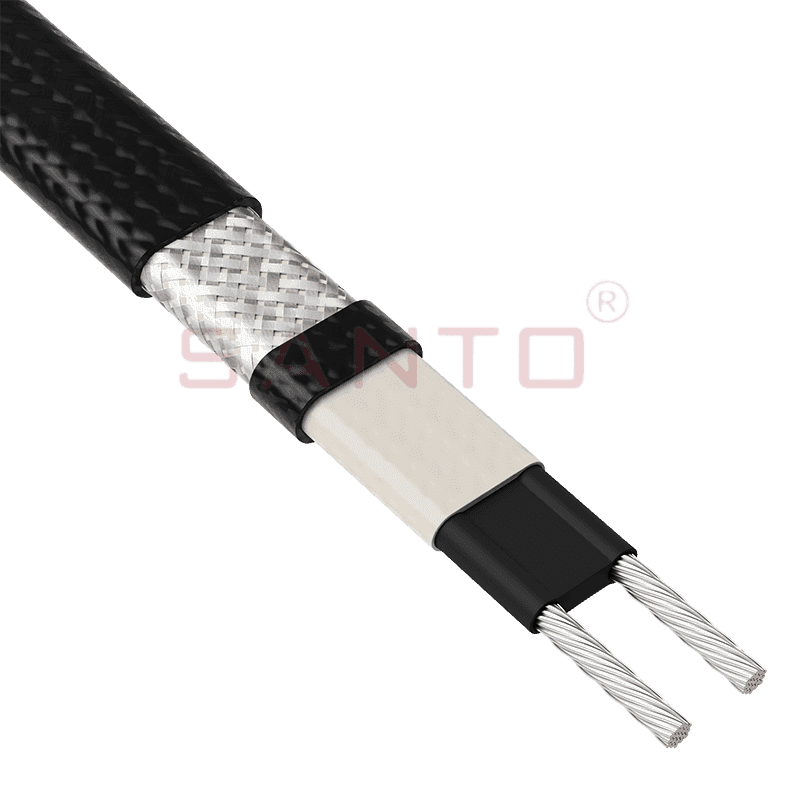
The SANTO UFA range of self-regulating heating cables is mainly used for frost protection of pipes and vessels but can also be used to maintain processes up to 65°C. These heating cables are available...
See Details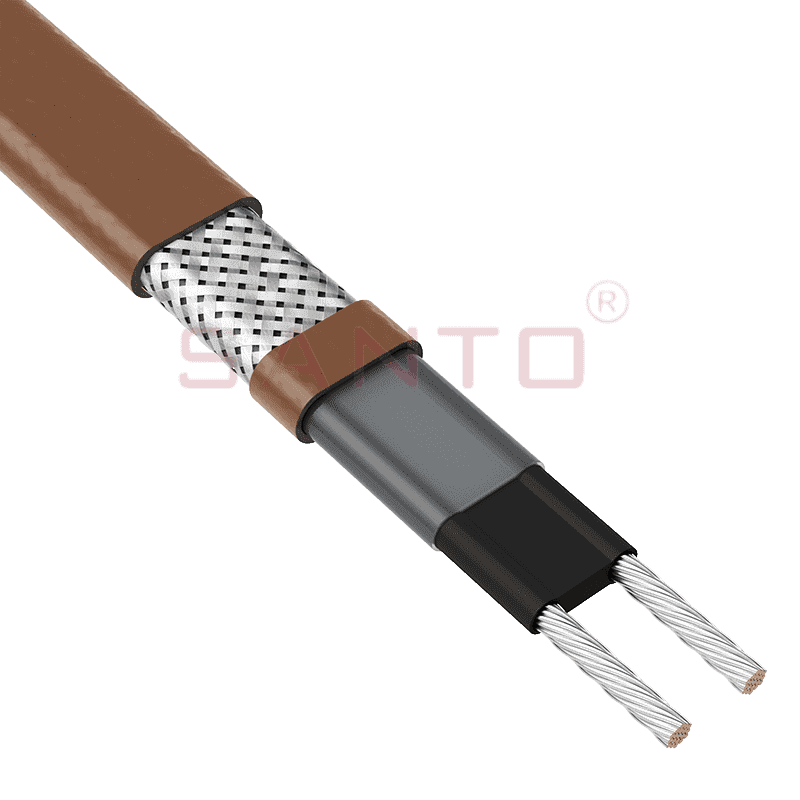
The SANTO UFB range of self-regulating heating cables is mainly used for frost protection of pipes and vessels requiring a higher power output than the UFA heating cables can supply. They can also be ...
See Details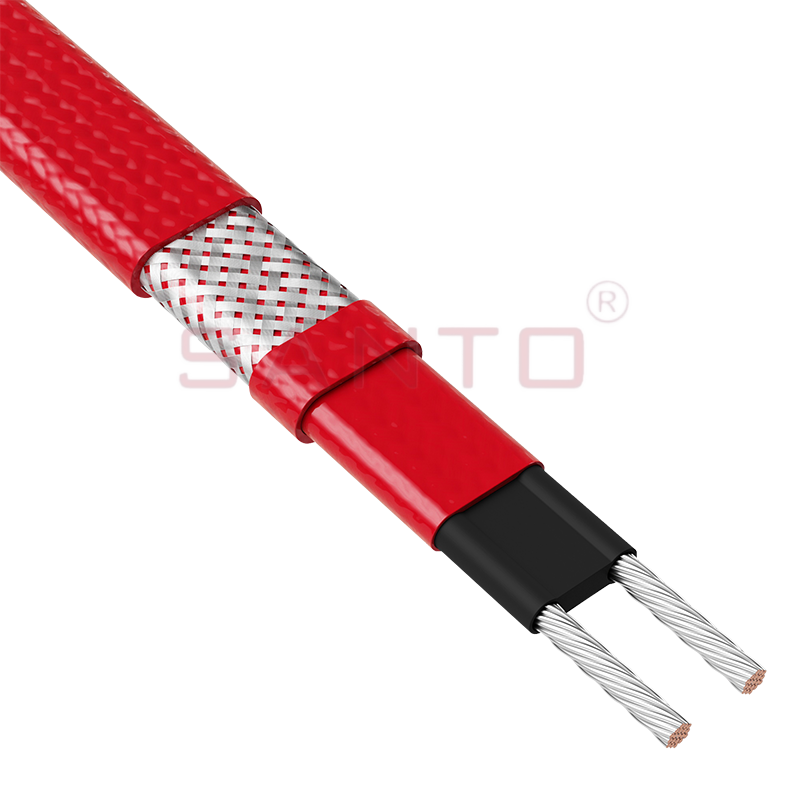
The SANTO UFC range of self-regulating heating cables is used for frost protection of pipes and vessels that require steam cleaning. They can also be used to maintain processes up to 121°C. These heat...
See Details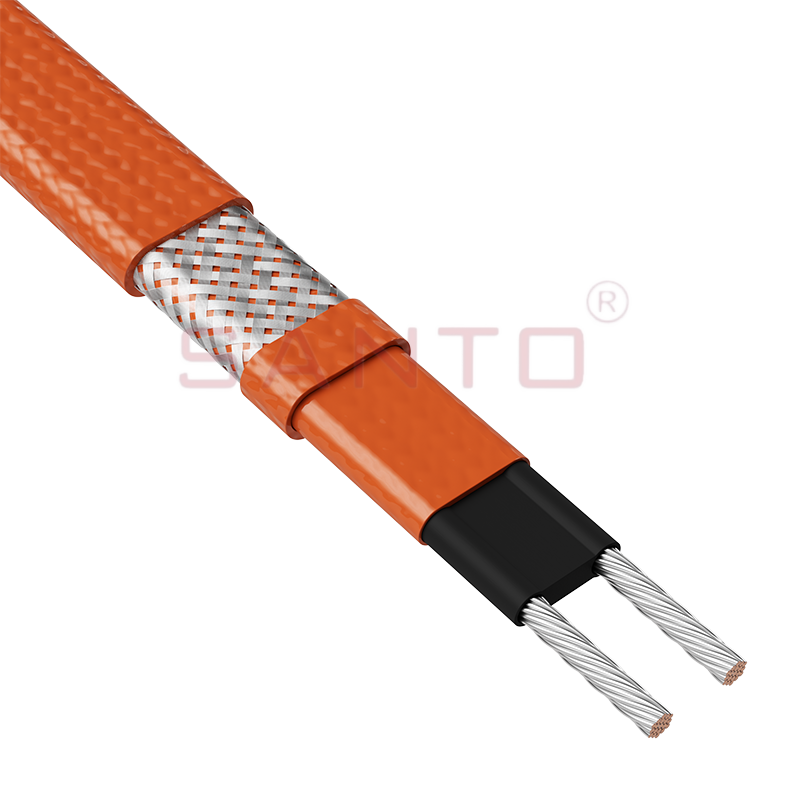
The SANTO UFO range of self-regulating heating cables is mainly used for frost protection of pipes and vessels that require steam cleaning . They can also be used to maintain processes up to 150°C. Th...
See Details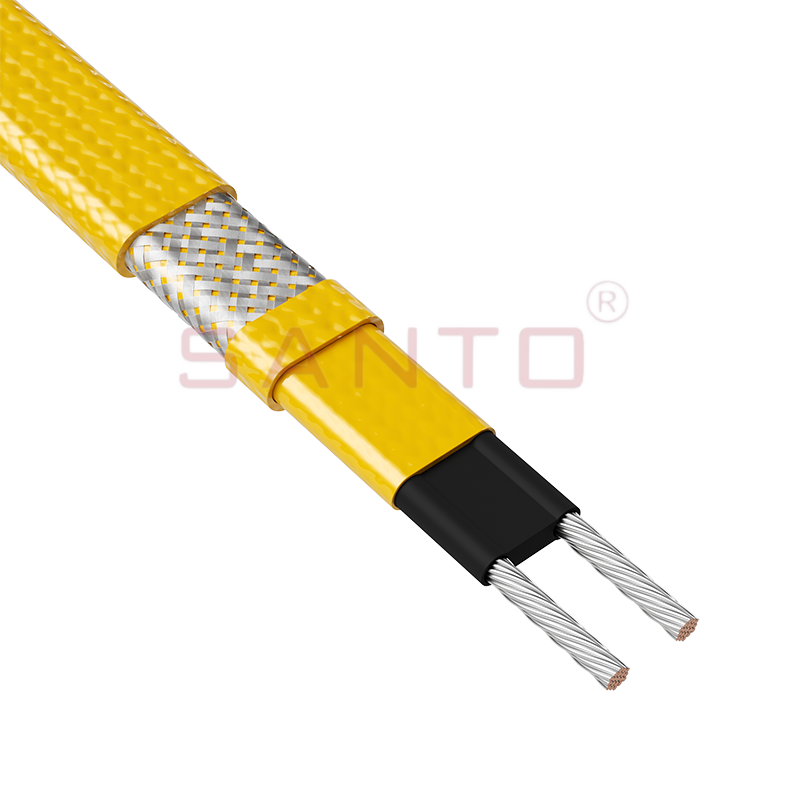
The SANTO UFD series of self-regulating heating cables are mainly used for freeze protection of pipes and vessels, but can also be used to maintain processes up to 200°C. These heating cables are avai...
See Details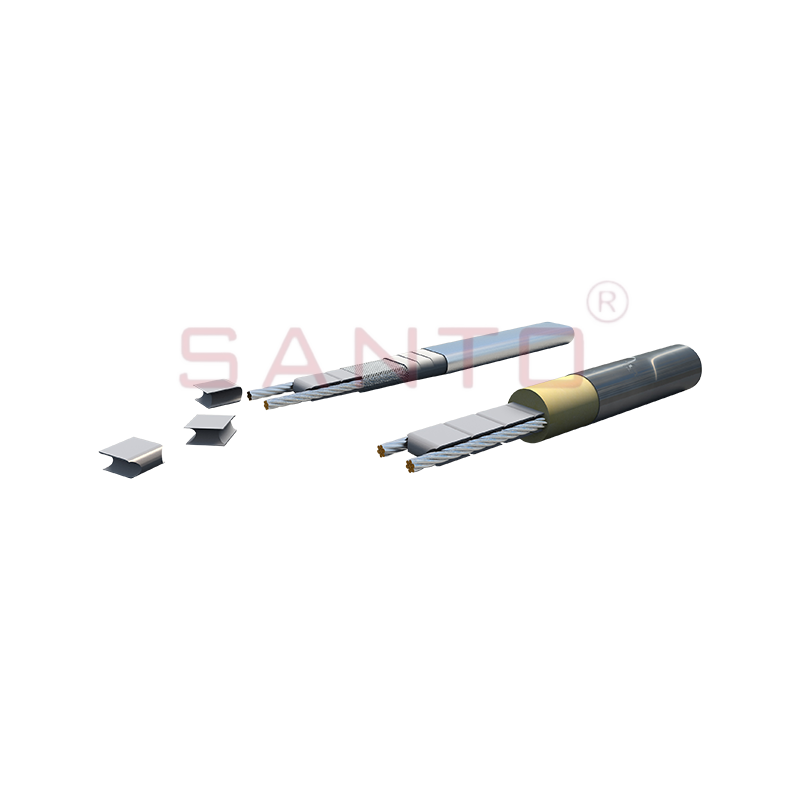
SANTO UFY heating wire is suitable for applications that maintain process temperatures up to 260 ℃ and can be steam blown; The self-regulating and parallel circuit heating wires of the UFY series are ...
See Details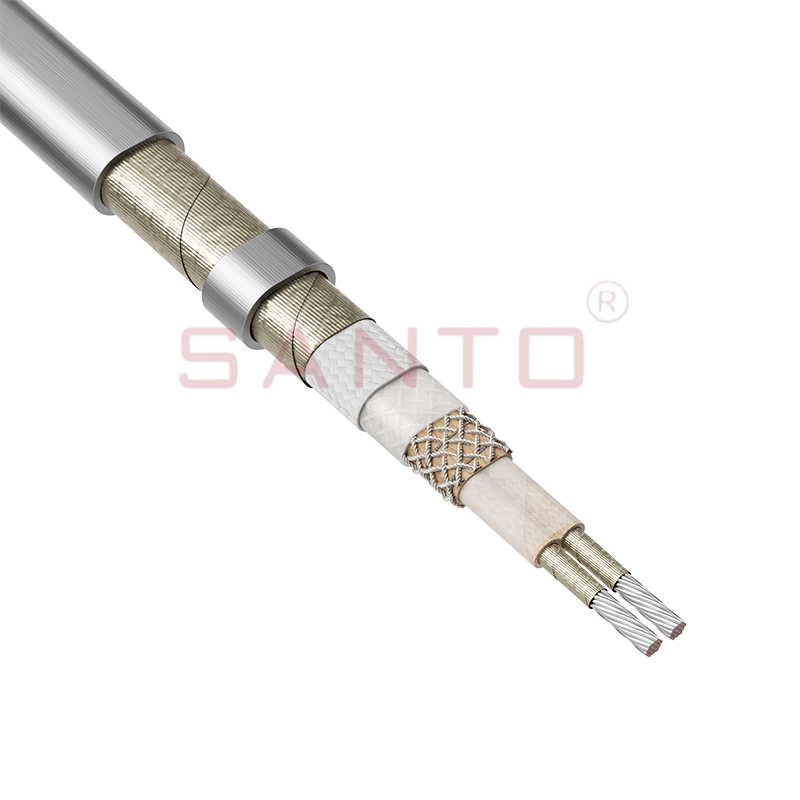
The SANTO UFM series self-regulating heating cables are mainly used for freeze protection of pipes and vessels, but can also be used to maintain processes up to 400°C. These heating cables are availab...
See Details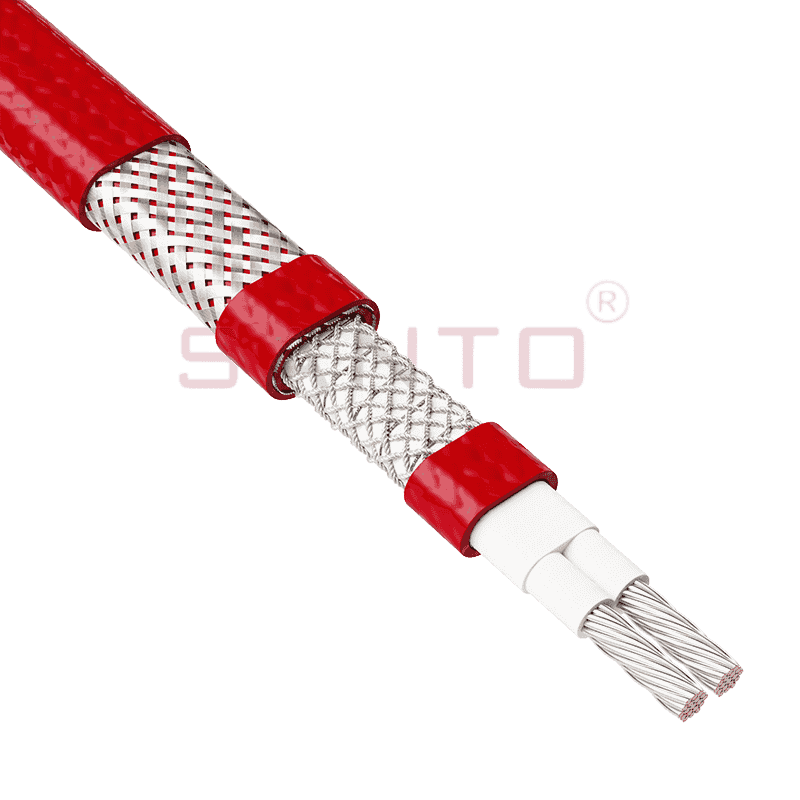
The SANTO ACC range of power-limiting heating cables is mainly used for temperature maintenance of processes and offers the advantage of a high power output at high temperatures which can reduce the n...
See Details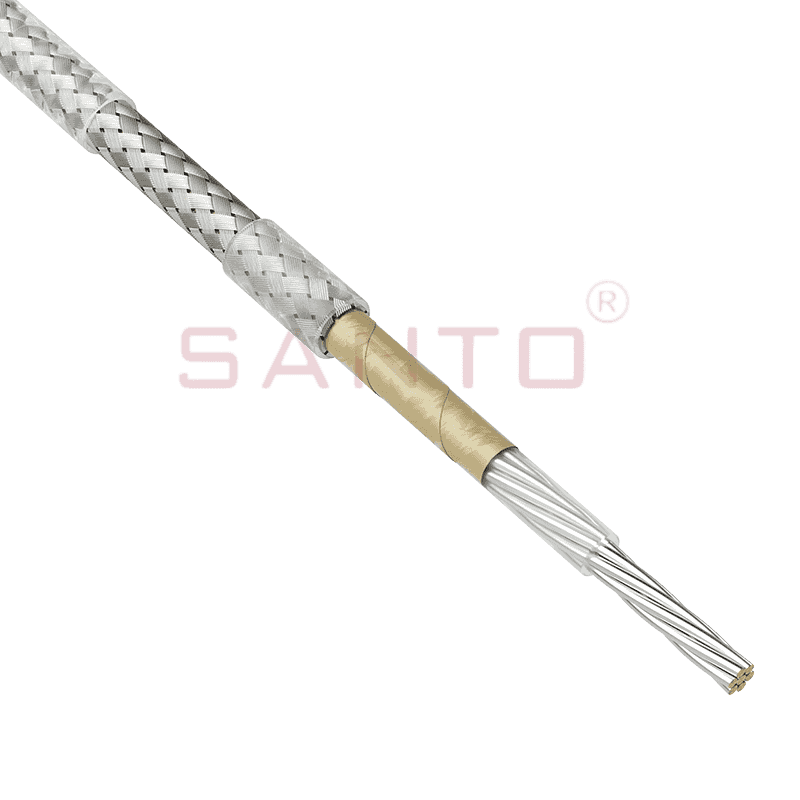
The stranded high temperature conductor is nickel plated to ensure a long life at elevated temperatures in corrosive environments. It is electrically isolated using an innovative sandwich construction...
See Details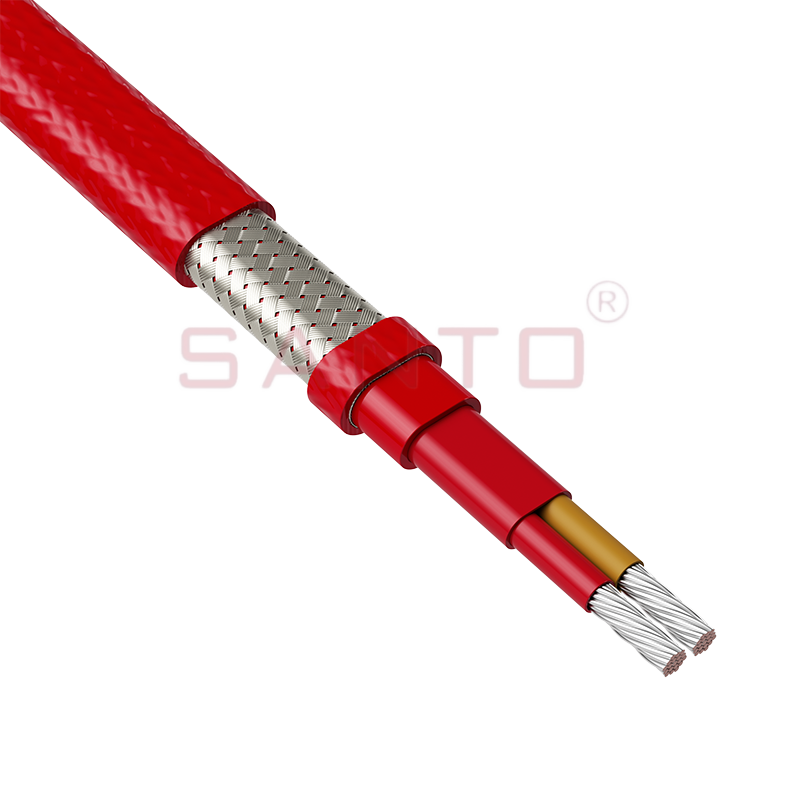
The stranded high temperature conductor is nickel plated to ensure a long life at elevated temperatures in corrosive environments. It is electrically isolated using an innovative sandwich construction...
See Details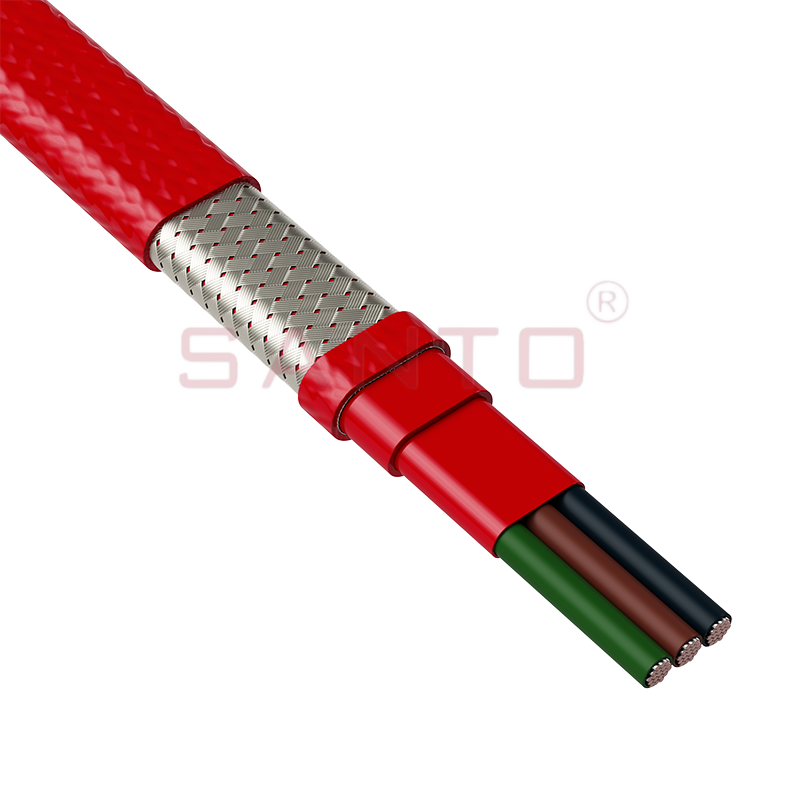
The stranded high temperature conductor is nickel plated to ensure a long life at elevated temperatures in corrosive environments. It is electrically isolated using an innovative sandwich construction...
See Details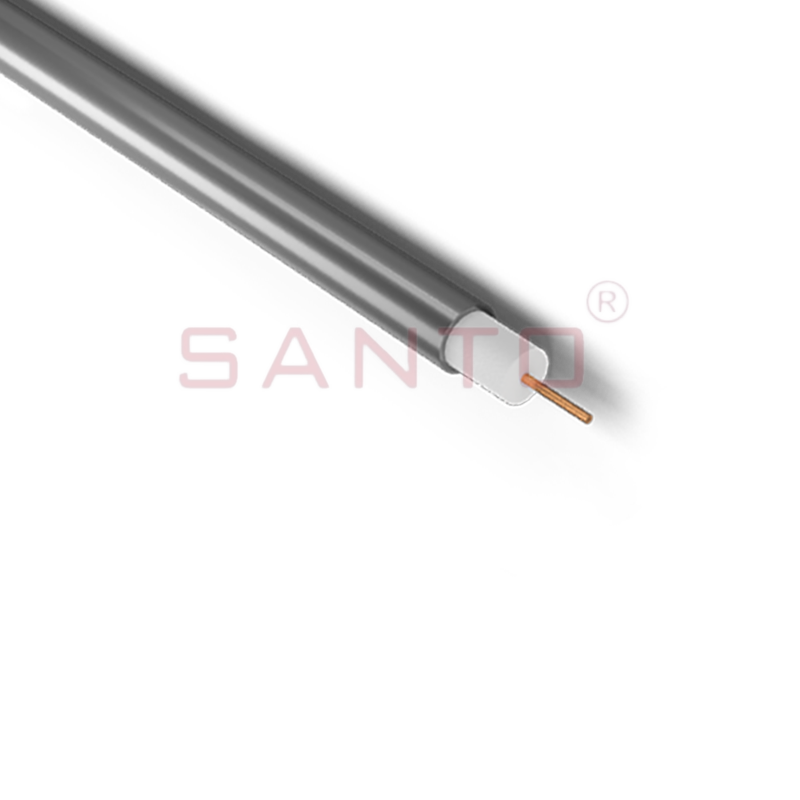
SANTO HAx mineral insulated (MI) Alloy 825 series heating cables are suitable for use in hazardous areas. They have been designed for use in freeze protection and temperature maintenance applications ...
See Details
Santo electric heating strips are widely used in key industries in China.

