 English
  English
 русский
 日本語
日本語 Español
 中文简体
中文简体The SANTO UFA range of self-regulating heating cables is mainly used for frost protection of pipes and vessels but can also be used to maintain processes up to 65°C. These heating cables are available...
See Details
As electric heat tracing systems become more widely adopted across residential, commercial, and industrial sectors, the Heating Cable Thermostat has emerged as a critical control component. By accurately regulating temperature, a Heating Cable Thermostat ensures safety, energy efficiency, and long-term reliability in heating cable applications. From preventing frozen pipes in winter to maintaining precise temperatures in industrial processes, its role is both practical and indispensable.
Understanding where a Heating Cable Thermostat is commonly used helps engineers, contractors, facility managers, and homeowners choose the right solution for their specific needs. Different environments impose different demands on temperature control, durability, and automation, making application awareness especially important.
Content
A Heating Cable Thermostat is designed to monitor ambient or surface temperatures and control the operation of heating cables accordingly. When the temperature falls below a preset threshold, the thermostat activates the heating cable. Once the desired temperature is reached, it switches the system off, preventing overheating and unnecessary energy consumption.
Depending on the application, a Heating Cable Thermostat may use air-sensing, pipe-sensing, or floor-sensing mechanisms, and can range from basic mechanical units to advanced digital and smart controllers.
In residential environments, comfort, safety, and energy savings are top priorities. A Heating Cable Thermostat plays a vital role in ensuring that heating cables operate only when needed, especially in cold climates.
One of the most common residential uses of a Heating Cable Thermostat is preventing water pipes from freezing. Pipes located in basements, crawl spaces, garages, and exterior walls are especially vulnerable during winter.
Electric underfloor heating systems rely heavily on Heating Cable Thermostats for comfort control. These thermostats ensure consistent floor temperatures while preventing overheating of floor materials.
In regions prone to heavy snowfall, roof and gutter de-icing systems are increasingly common. A Heating Cable Thermostat ensures heating cables activate only when ice formation conditions are present.
Commercial buildings often require more complex and scalable heating solutions. The Heating Cable Thermostat supports building safety, operational efficiency, and compliance with local regulations.
Commercial facilities such as office buildings, hotels, and hospitals rely on uninterrupted water supply. Heating Cable Thermostats are commonly used to protect:
Maintaining these systems above freezing temperatures is essential for safety and regulatory compliance.
Shopping malls, lobbies, showrooms, and restaurants often use electric floor heating to enhance customer comfort. A Heating Cable Thermostat enables precise temperature zoning across large areas.
In supermarkets and cold storage facilities, heating cables controlled by thermostats are used around doors and thresholds to prevent condensation and ice buildup.
Industrial environments present some of the most demanding conditions for heating systems. A Heating Cable Thermostat is essential for maintaining stable temperatures in processes where precision and safety are critical.
Industries such as chemical processing, oil and gas, and pharmaceuticals often require fluids to remain within specific temperature ranges.
Heating Cable Thermostats are widely used in industrial heat tracing systems to protect pipelines, valves, and storage tanks.
In hazardous locations, specially designed Heating Cable Thermostats with explosion-proof enclosures are used. These are common in:
Public infrastructure systems rely on Heating Cable Thermostats to maintain functionality during harsh weather conditions.
Heating cables installed in bridges, ramps, and walkways prevent ice formation. Thermostats ensure activation only when both temperature and moisture conditions are met.
Municipal water treatment plants use Heating Cable Thermostats to protect pipes, valves, and sensors from freezing.
Agricultural operations often operate in open or semi-open environments where temperature control is challenging. A Heating Cable Thermostat provides reliable protection and efficiency.
Heating cables controlled by thermostats help maintain optimal soil and air temperatures for plant growth.
In cold climates, Heating Cable Thermostats are used to prevent water lines and troughs from freezing, ensuring continuous water supply for animals.
As renewable energy systems expand, Heating Cable Thermostats are finding new applications.
Heating cables regulated by thermostats are used to prevent ice buildup on critical components such as nacelles and control cabinets.
In cold regions, Heating Cable Thermostats help protect solar panel mounting structures and fluid lines in solar thermal systems.
Choosing the right Heating Cable Thermostat depends on several factors:
Yes. Many Heating Cable Thermostats are designed with weather-resistant enclosures and are suitable for outdoor applications such as roof de-icing and pipe freeze protection.
In some cases, a single Heating Cable Thermostat can control multiple heating cables, provided the total load does not exceed the thermostat’s rated capacity.
By activating heating cables only when necessary, a Heating Cable Thermostat minimizes energy waste and reduces overall operating costs.
Yes. Advanced models can integrate with PLC systems and building management systems, offering precise control and monitoring.
Most Heating Cable Thermostats require minimal maintenance, typically limited to periodic inspection and functional testing.
From residential comfort solutions to critical industrial processes, the Heating Cable Thermostat is a versatile and essential component across a wide range of applications. Its ability to provide precise temperature control, enhance safety, and optimize energy consumption makes it indispensable in modern heating cable systems. As technology advances and new applications emerge, the role of the Heating Cable Thermostat continues to expand, supporting reliable and efficient temperature management in diverse environments.
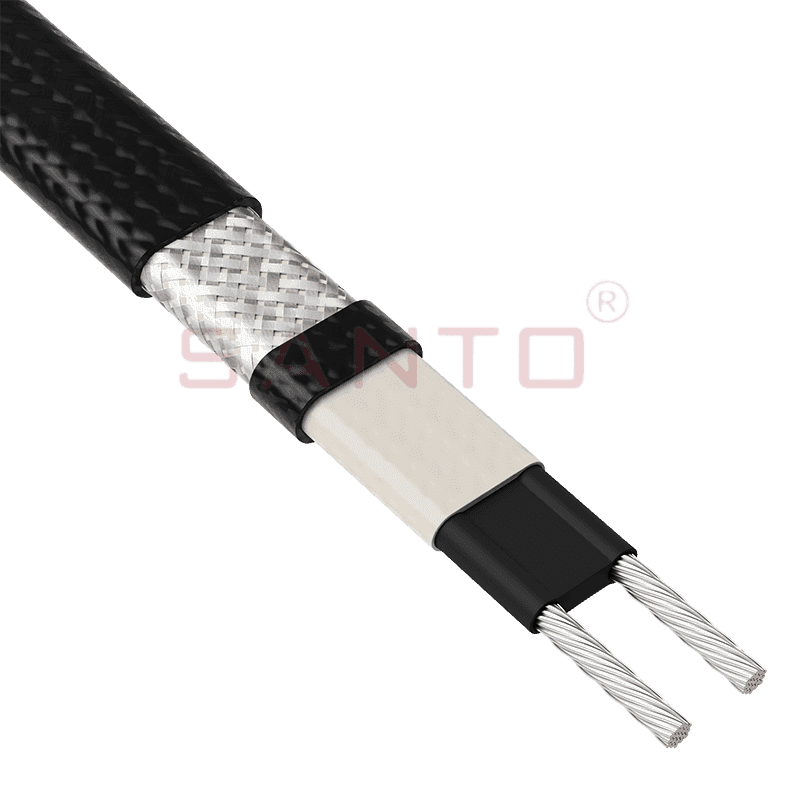
The SANTO UFA range of self-regulating heating cables is mainly used for frost protection of pipes and vessels but can also be used to maintain processes up to 65°C. These heating cables are available...
See Details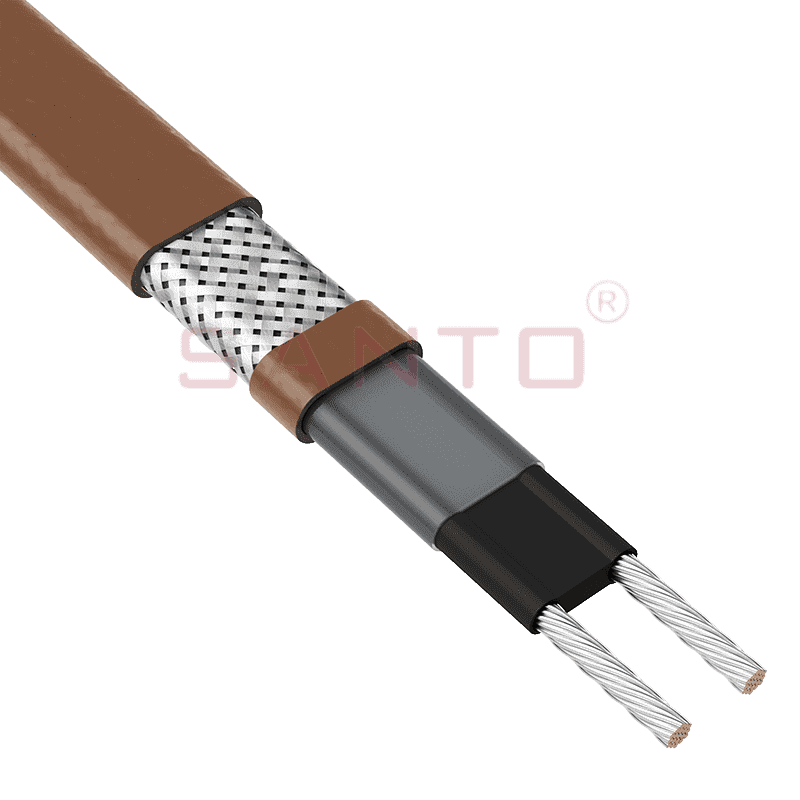
The SANTO UFB range of self-regulating heating cables is mainly used for frost protection of pipes and vessels requiring a higher power output than the UFA heating cables can supply. They can also be ...
See Details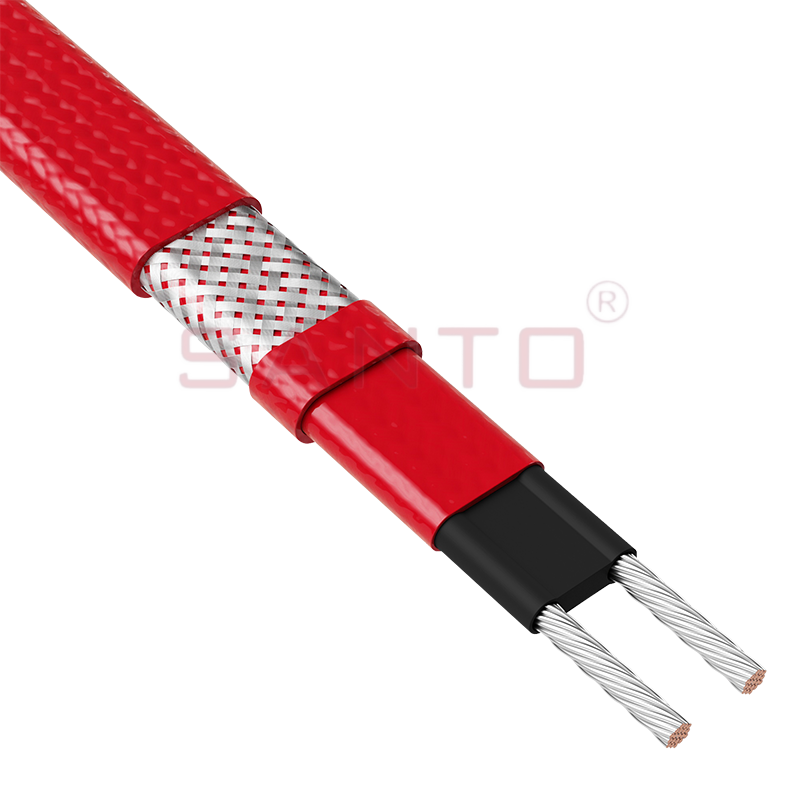
The SANTO UFC range of self-regulating heating cables is used for frost protection of pipes and vessels that require steam cleaning. They can also be used to maintain processes up to 121°C. These heat...
See Details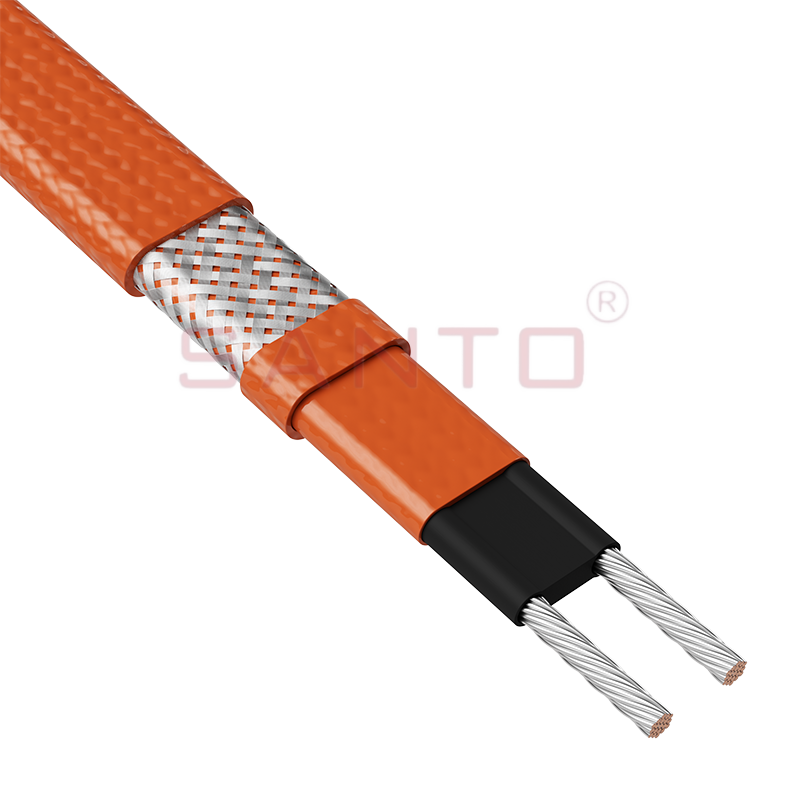
The SANTO UFO range of self-regulating heating cables is mainly used for frost protection of pipes and vessels that require steam cleaning . They can also be used to maintain processes up to 150°C. Th...
See Details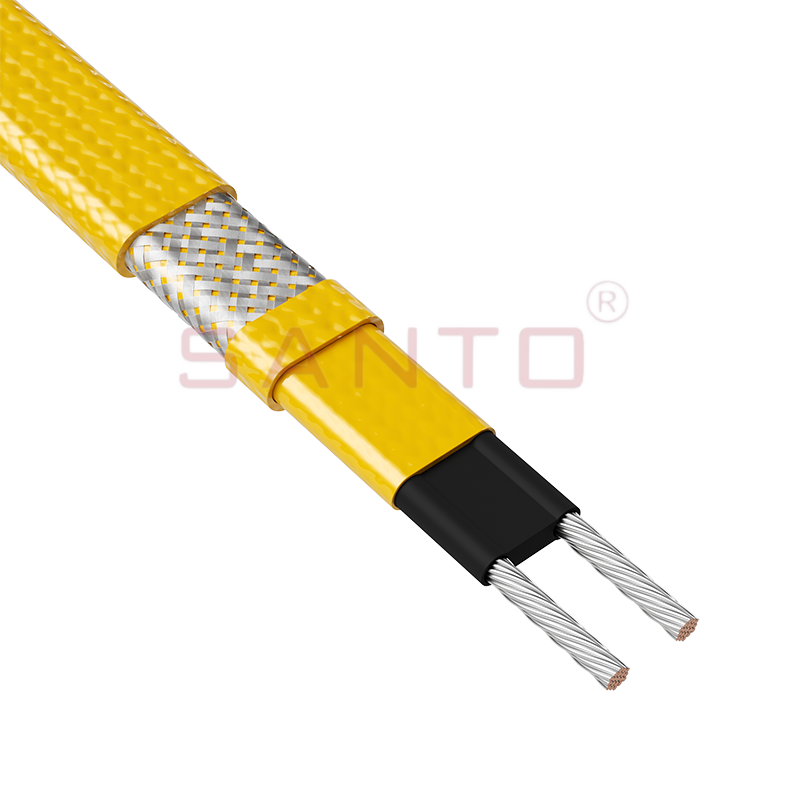
The SANTO UFD series of self-regulating heating cables are mainly used for freeze protection of pipes and vessels, but can also be used to maintain processes up to 200°C. These heating cables are avai...
See Details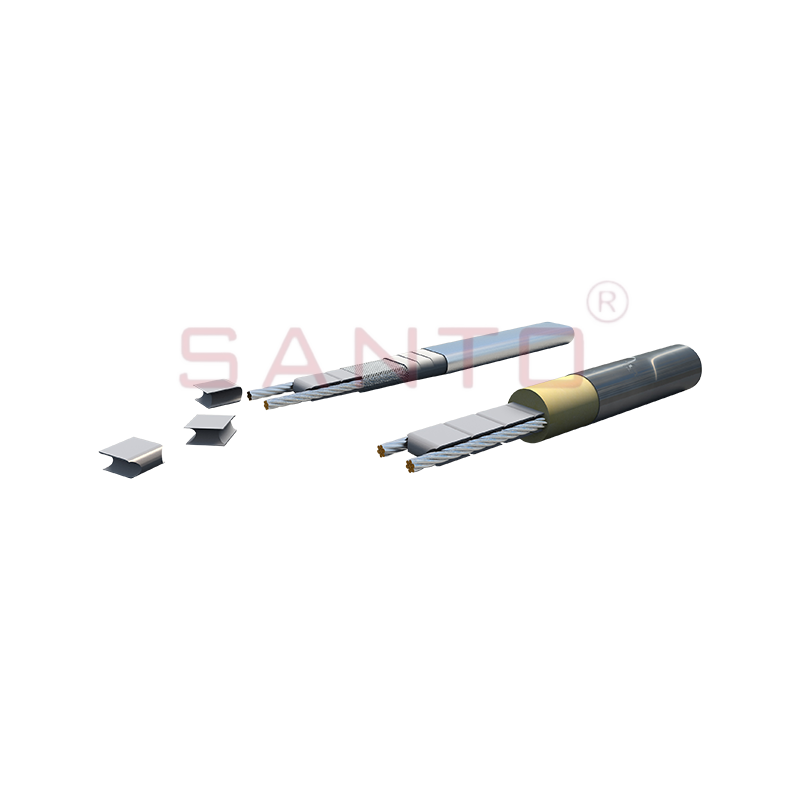
SANTO UFY heating wire is suitable for applications that maintain process temperatures up to 260 ℃ and can be steam blown; The self-regulating and parallel circuit heating wires of the UFY series are ...
See Details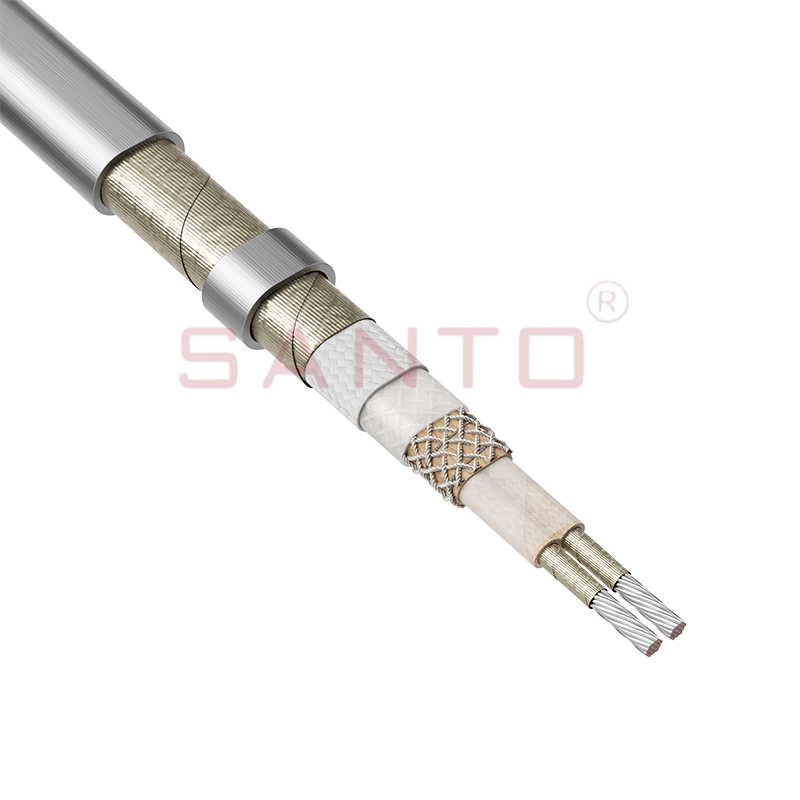
The SANTO UFM series self-regulating heating cables are mainly used for freeze protection of pipes and vessels, but can also be used to maintain processes up to 400°C. These heating cables are availab...
See Details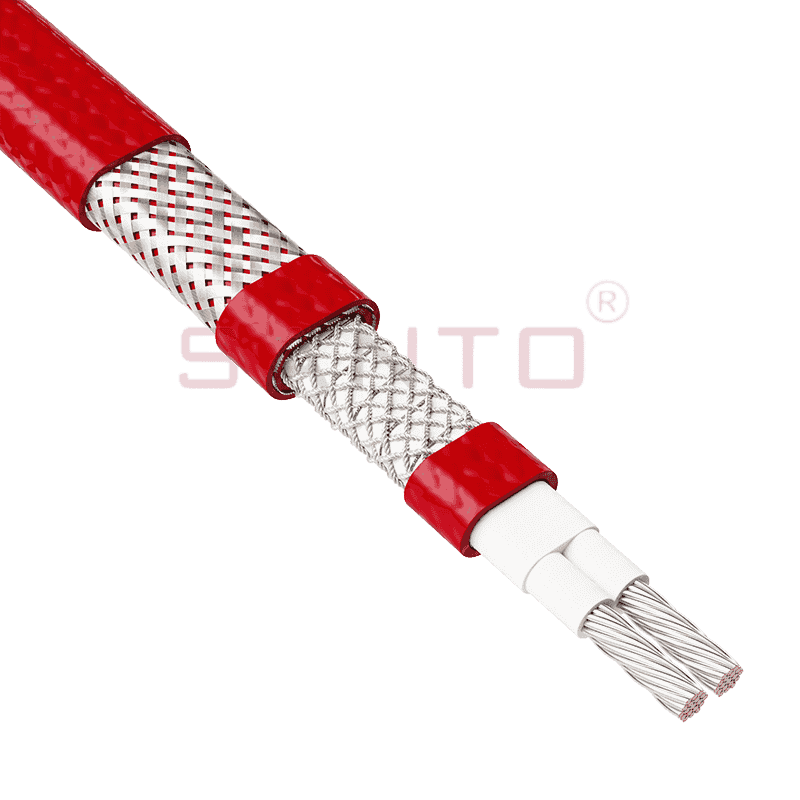
The SANTO ACC range of power-limiting heating cables is mainly used for temperature maintenance of processes and offers the advantage of a high power output at high temperatures which can reduce the n...
See Details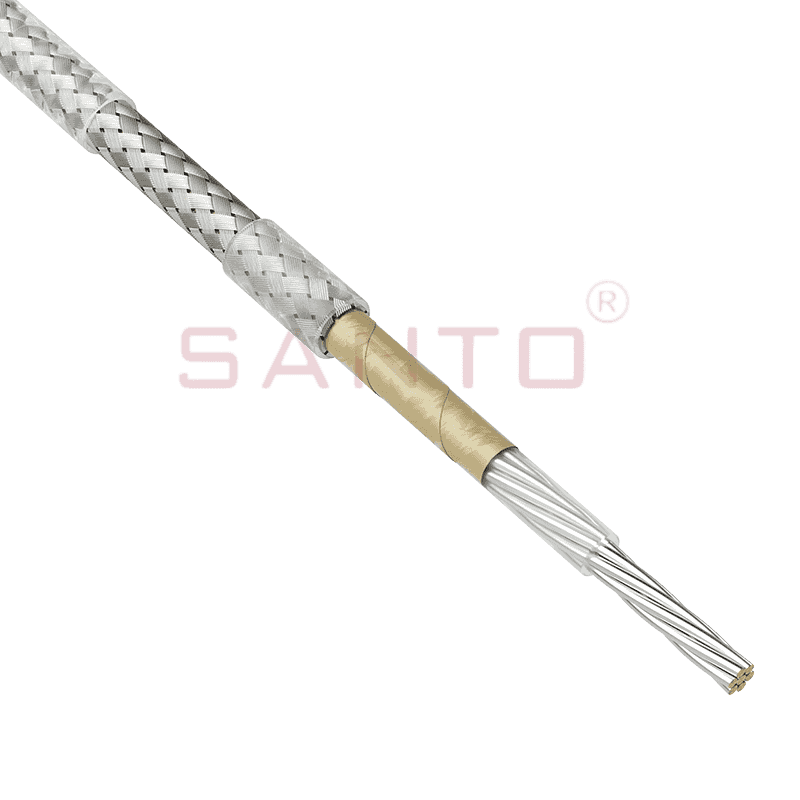
The stranded high temperature conductor is nickel plated to ensure a long life at elevated temperatures in corrosive environments. It is electrically isolated using an innovative sandwich construction...
See Details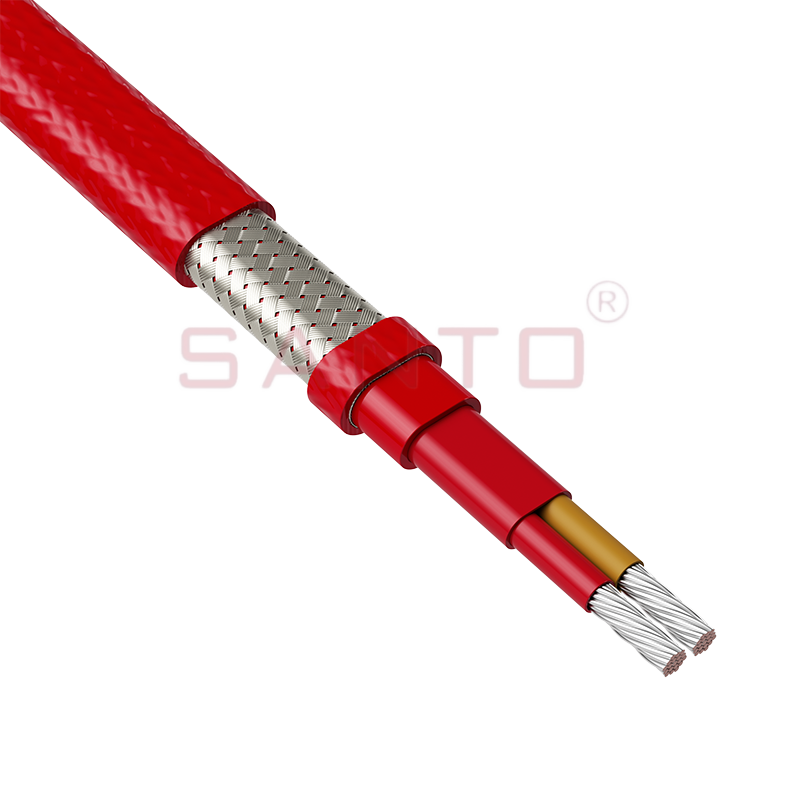
The stranded high temperature conductor is nickel plated to ensure a long life at elevated temperatures in corrosive environments. It is electrically isolated using an innovative sandwich construction...
See Details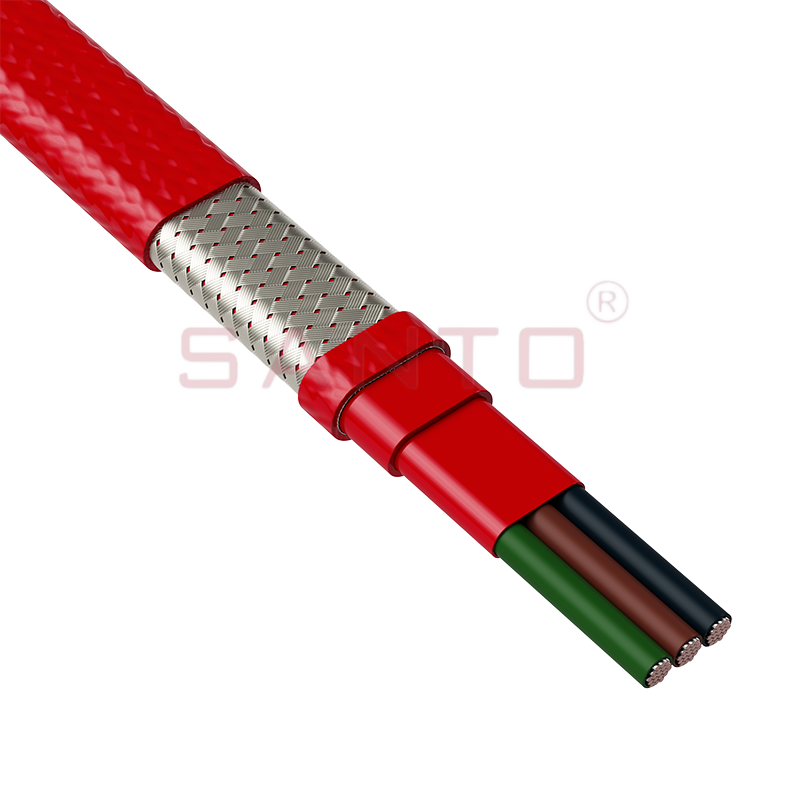
The stranded high temperature conductor is nickel plated to ensure a long life at elevated temperatures in corrosive environments. It is electrically isolated using an innovative sandwich construction...
See Details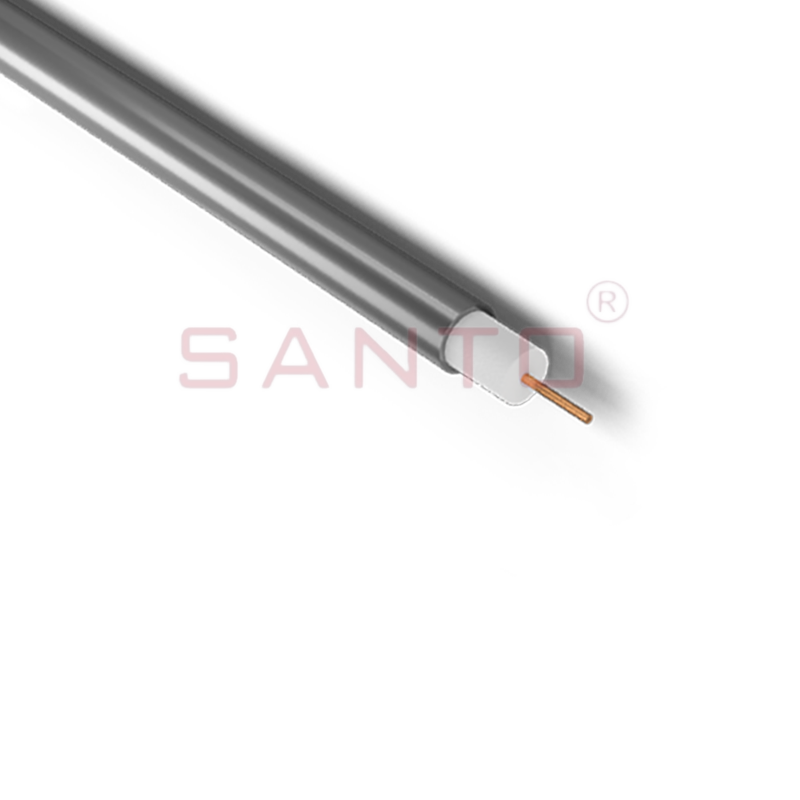
SANTO HAx mineral insulated (MI) Alloy 825 series heating cables are suitable for use in hazardous areas. They have been designed for use in freeze protection and temperature maintenance applications ...
See Details
Santo electric heating strips are widely used in key industries in China.

