English
  English
 русский
 日本語
日本語 Español
 中文简体
中文简体
A trace heating system — also called heat tracing or pipe heating — is an electrical or fluid-based technology that applies consistent, controlled heat along pipes, tanks, valves, and instrumentation to prevent freezing, maintain process temperatures, and protect infrastructure. For any facility operating in sub-zero environments or handling viscous materials, a properly designed trace heating system is not optional — it is essential to operational continuity and safety.
In 2023, the global heat tracing market was valued at approximately USD 3.2 billion and is projected to exceed USD 5.1 billion by 2030, growing at a CAGR of around 6.8% (Source: industry market research aggregates). This growth reflects the rising demand across oil & gas, chemicals, food processing, power generation, and commercial construction.
Content
- How Does a Trace Heating System Work?
- Which Type of Trace Heating System Is Right for Your Application?
- Why Trace Heating Systems Are Critical Across Industries
- How Trace Heating Systems Are Used Across Key Sectors
- How to Design and Install a Trace Heating System: Step-by-Step
- What Maintenance Does a Trace Heating System Require?
- Frequently Asked Questions About Trace Heating Systems
- Q1: How much does it cost to run a trace heating system?
- Q2: Can trace heating cables be cut to length on site?
- Q3: Are trace heating systems safe to use on plastic pipes?
- Q4: How long do electric trace heating cables last?
- Q5: Is trace heating suitable for hazardous area installations?
- Q6: What is the difference between heat tracing and underfloor heating?
- Conclusion: Why Investing in the Right Trace Heating System Pays Off
How Does a Trace Heating System Work?
A trace heating system works by running a heating element — typically an electric cable or steam pipe — in direct contact with (or parallel to) a pipe or vessel, then covering both with thermal insulation to trap the generated heat. The system continuously or intermittently supplies energy to compensate for heat loss to the surrounding environment.
The Core Components of an Electric Trace Heating System
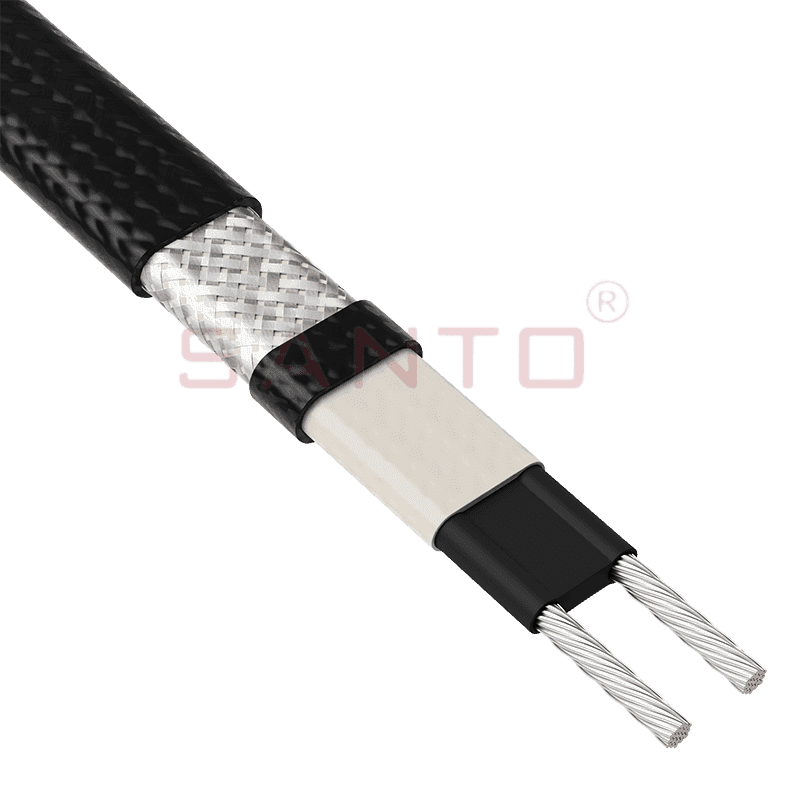
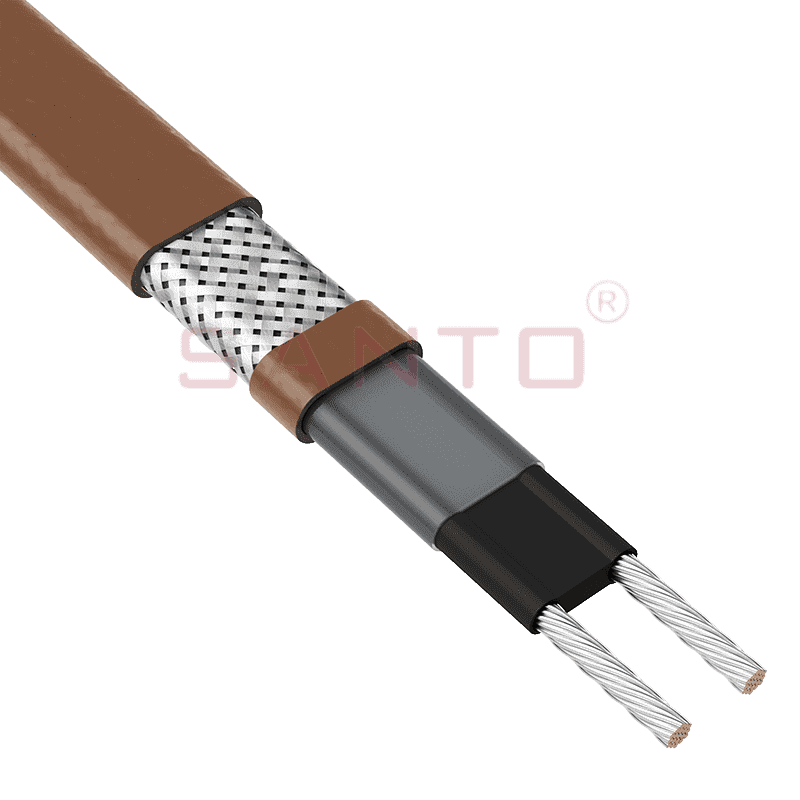
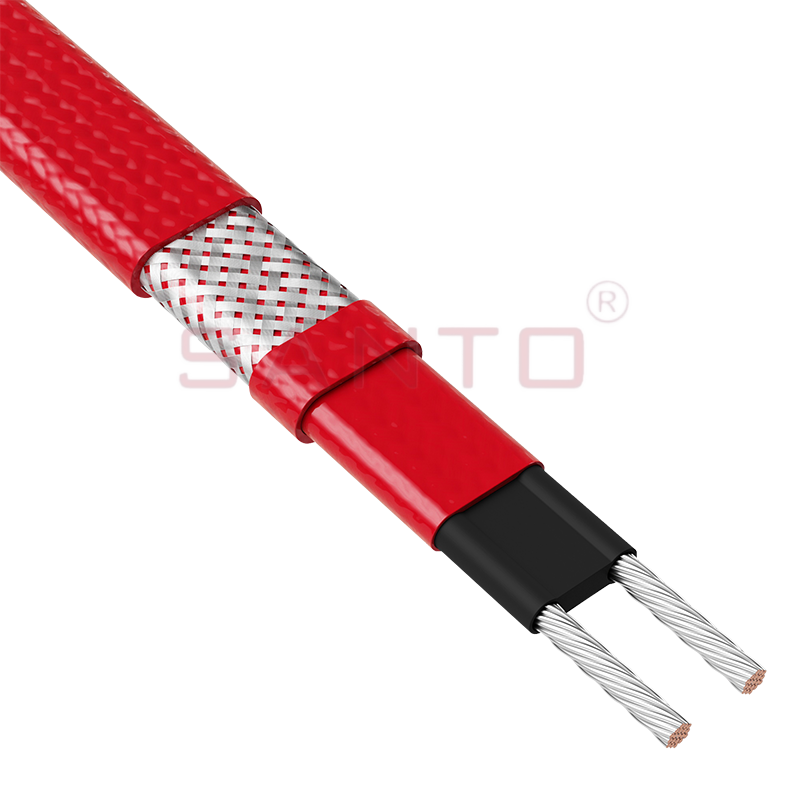
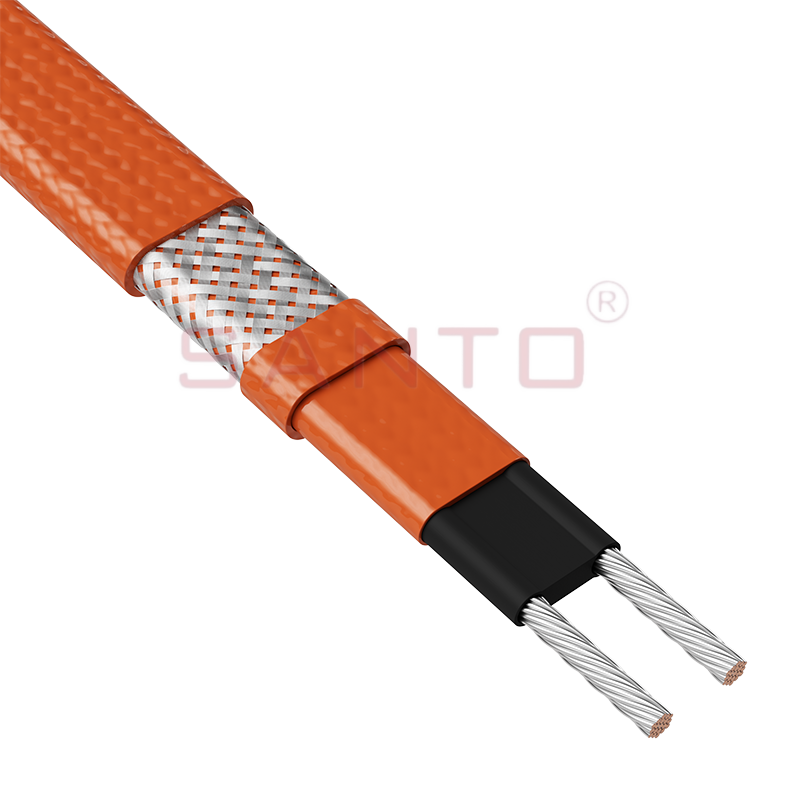
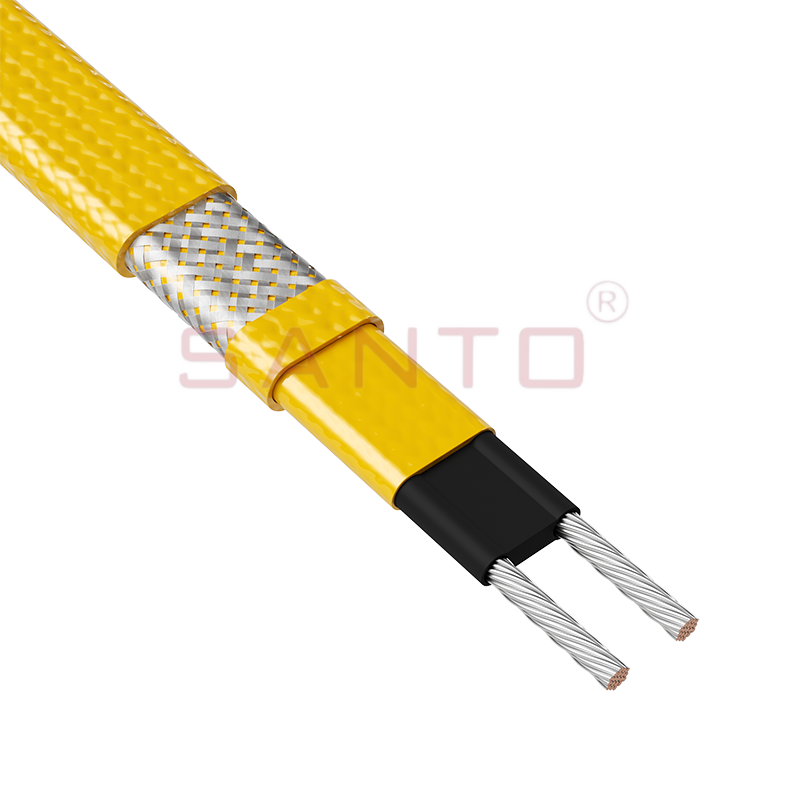
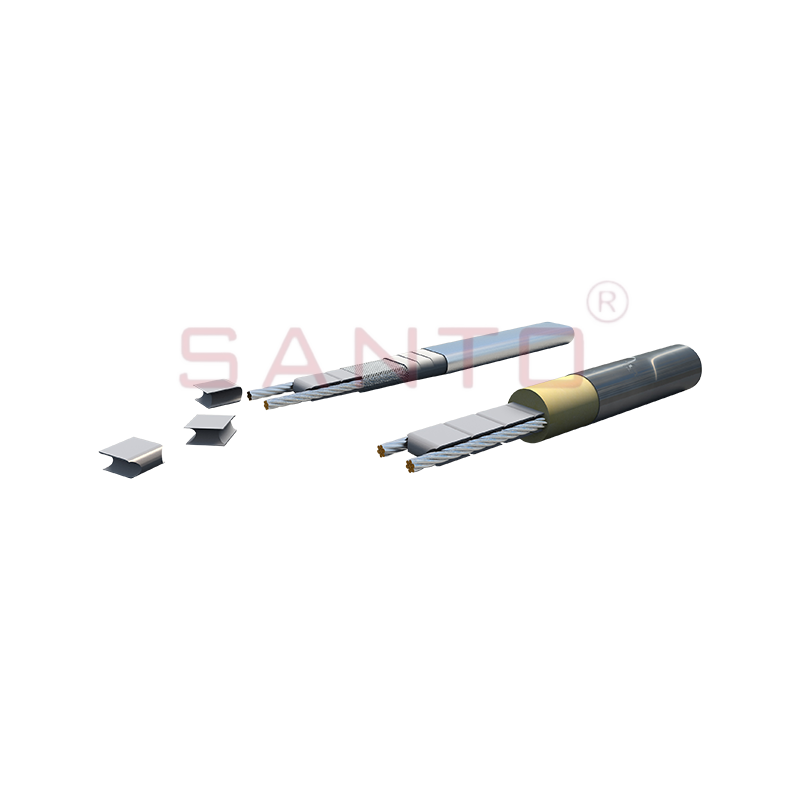
- Heating cable — the primary energy source, available as constant-wattage or self-regulating types
- Thermal insulation — typically mineral wool, calcium silicate, or polyurethane foam, to minimize heat loss
- Control system — thermostat, RTD sensors, or a full building management system (BMS) integration
- Power distribution panel — manages electrical supply, circuit protection, and monitoring
- Protective outer jacket — metal or polymer cladding over the insulation for mechanical and weather protection
Self-Regulating vs. Constant Wattage: How the Technology Differs
The two most widely used electric trace heating technologies differ fundamentally in how they manage output:
| Feature | Self-Regulating Cable | Constant Wattage Cable |
| Power output | Automatically adjusts with temperature | Fixed output regardless of temperature |
| Energy efficiency | High — reduces energy waste | Lower — may overheat in warm zones |
| Overlap safety | Safe to overlap | Cannot overlap (overheating risk) |
| Max maintain temp | Up to ~65°C (standard grade) | Up to 260°C (MI cable) |
| Typical application | Freeze protection, roof & gutter | High-temp process maintenance |
| Installation cost | Moderate | Lower per metre, but higher controls cost |
Table 1: Comparison of self-regulating and constant wattage electric trace heating cables across key performance and application parameters.
Which Type of Trace Heating System Is Right for Your Application?
The right trace heating system depends on your required maintenance temperature, pipe diameter, area classification, and budget. There is no single universal solution — each project must be individually engineered.
1. Electric Trace Heating (ETH)
Electric trace heating systems are the most widely used type globally, accounting for over 70% of new installations in commercial and industrial projects as of recent market data. Key variants include:
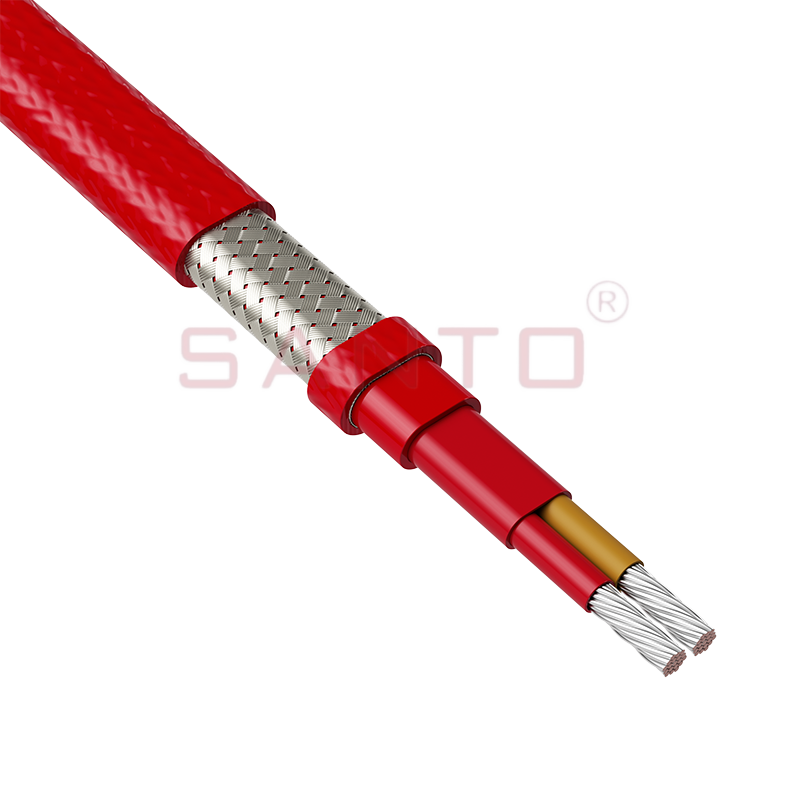
- Self-regulating heating cables — ideal for freeze protection and temperature maintenance up to ~65°C; the cable's conductive polymer core automatically increases resistance (and reduces wattage) as temperature rises, preventing overheat
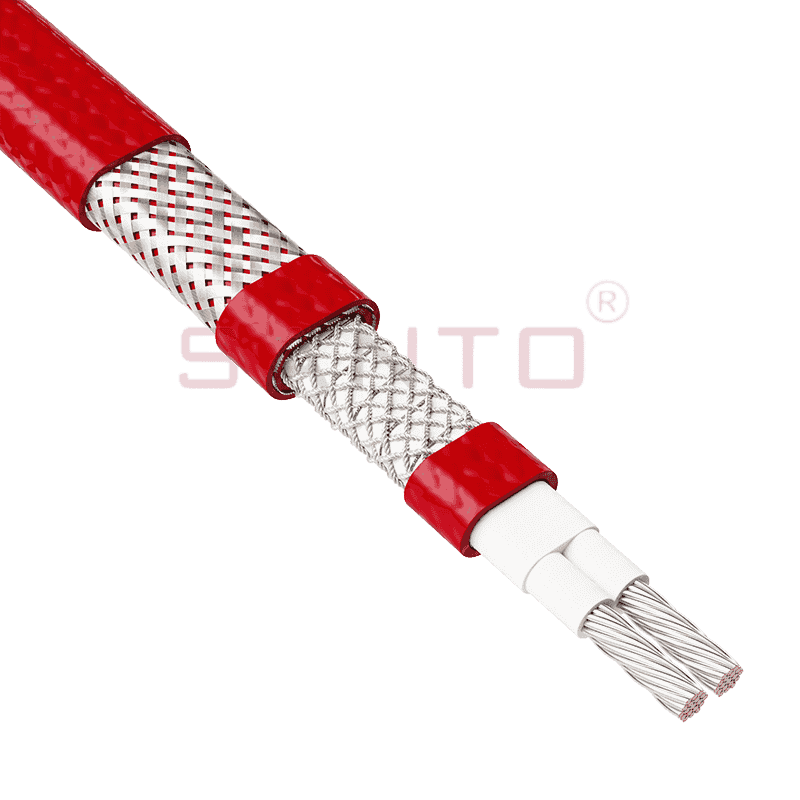
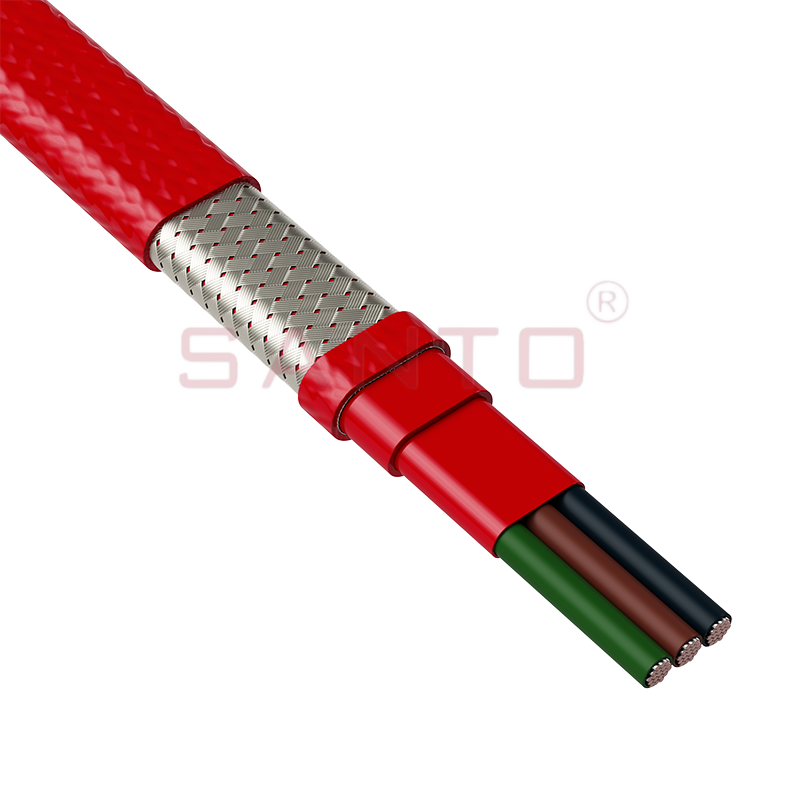
- Constant wattage / zone heating cables — suited for long pipeline runs and higher-temperature requirements; each parallel heating zone operates independently
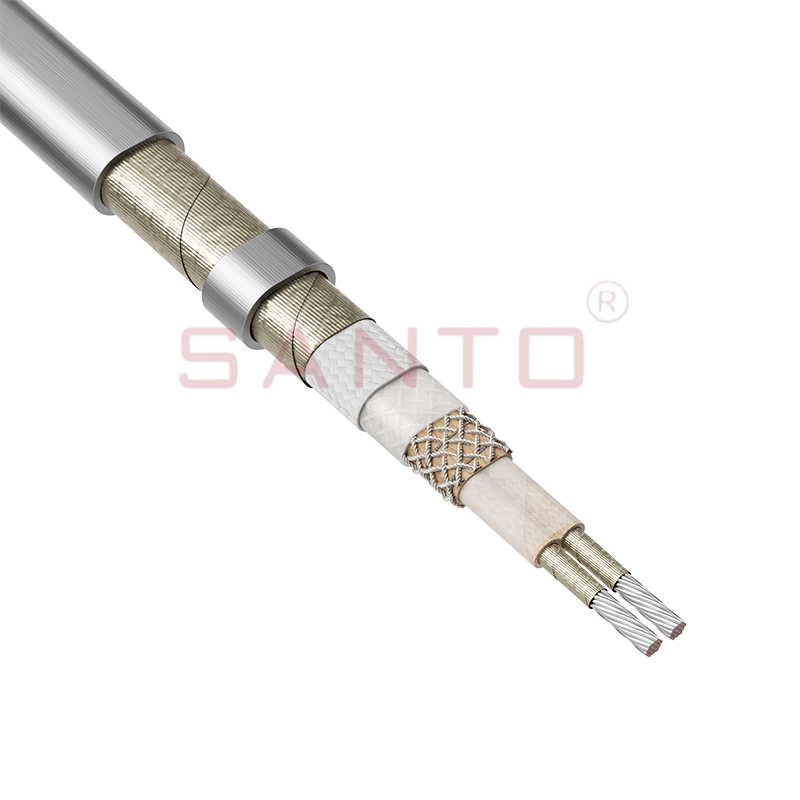
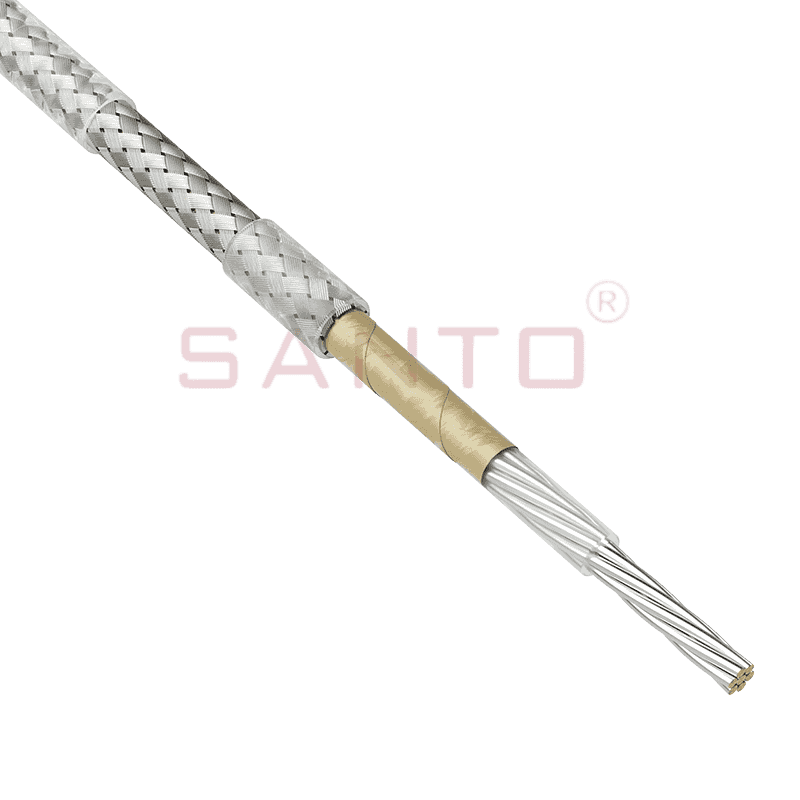
- Mineral insulated (MI) cables — used in extreme high-temperature process applications up to 260°C, or in fire-rated and hazardous area (ATEX/IECEx) zones
- Skin effect heat tracing — used for very long pipelines (several km), where alternating current generates heat in the outer skin of a ferromagnetic tube attached to the pipe
2. Steam Trace Heating
Steam trace heating uses small-bore steam tubes running alongside process pipes, transferring heat by condensation. It is well-established in legacy oil refineries and chemical plants where steam infrastructure already exists. However, it requires significant maintenance (steam trap inspection, condensate removal), has higher energy losses, and is increasingly being replaced by electric alternatives in new projects due to lower lifecycle costs and easier control.
3. Hot Fluid / Glycol Trace Heating
Hot fluid (glycol) trace heating circulates a heated fluid through tubes alongside pipes. It is commonly used offshore and where electrical area classification presents challenges, but the system requires pumps, heat exchangers, and a central fluid heater, making it more complex and expensive to install and maintain.
| System Type | Max Temp | Control Precision | Maintenance Level | Best For |
| Electric (Self-Reg) | ~65°C | High | Low | Freeze protection, commercial buildings |
| Electric (MI Cable) | 260°C | Very High | Low | High-temp process, hazardous zones |
| Steam Tracing | 200°C+ | Low | High | Legacy refineries with steam infrastructure |
| Hot Fluid / Glycol | 150°C | Medium | High | Offshore, remote chemical plants |
Table 2: Side-by-side comparison of trace heating system types by maximum temperature, control precision, maintenance requirements, and ideal application.
Why Trace Heating Systems Are Critical Across Industries
Trace heating systems prevent some of the most costly and dangerous failures in industrial and commercial infrastructure. Frozen pipes alone cost the US economy an estimated USD 15–20 billion annually in repair costs, production downtime, and water damage. The case for heat tracing is built on four pillars: safety, productivity, regulatory compliance, and asset longevity.
Safety: Preventing Freeze-Related Failures
When water or process fluids freeze inside pipes, the expansion pressure can fracture pipe walls, crack flanges, and destroy instrumentation. In fire protection systems, a frozen sprinkler line can render an entire suppression network inoperable — a life-safety failure with catastrophic consequences. Electric trace heating on fire mains and sprinkler systems, as required by NFPA 13 and similar standards, eliminates this risk entirely.
Process Integrity: Maintaining Fluid Viscosity
In the oil & gas and chemical industries, many substances — heavy crude, bitumen, wax-laden oils, sulfur, chocolate, resins — solidify or become unpumpable below certain temperatures. A pipe trace heating system maintains precise process temperatures so that product flows freely, valves operate correctly, and metering instruments give accurate readings. For example, a single blocked wax-laden crude oil pipeline can cost an operator USD 500,000 or more in downtime, cleaning, and restart procedures.
Energy Efficiency vs. No Heating
Modern self-regulating trace heating cables consume only the energy needed at any given ambient temperature. A typical domestic pipe freeze protection cable uses around 10–25 W per metre at design conditions. When compared to the cost of repairing burst pipes (average USD 5,000–15,000 per incident in residential settings), even a year-round powered heat tracing system pays back within one to two heating seasons.
Regulatory and Insurance Requirements
Trace heating systems are mandated or strongly recommended by numerous codes and standards, including:
- IEEE 515 — standard for the design, testing, and installation of electric resistance heat tracing for industrial applications
- IEC 62395 — electrical resistance tracing systems for industrial and commercial applications
- NFPA 13 — installation of sprinkler systems in unheated spaces requires pipe heating
- ATEX / IECEx — compliance required for heat tracing in explosive atmospheres (Zones 0, 1, 2)
- Local building codes — many jurisdictions now require heat tracing on exterior water supply and drainage lines where frost depth exceeds 300 mm
How Trace Heating Systems Are Used Across Key Sectors
Heat tracing systems are used in virtually every major industry. The application engineering differs significantly between sectors, requiring careful system design and specification.
Oil, Gas, and Petrochemical
Trace heating in the oil and gas sector is among the most demanding applications. Key uses include:
- Wellhead and christmas tree heating — preventing hydrate formation in subsea and arctic well controls
- Export pipeline temperature maintenance — keeping crude oil, LNG, or refined products above pour point over distances of hundreds of kilometres
- Tank heating — maintaining storage tanks at viscosity-management temperatures, commonly 40–80°C for heavy fuel oil
- Instrument impulse lines — preventing freezing or condensation in pressure measurement lines at process plants
Power Generation
In power plants — including nuclear, gas turbine, and coal-fired facilities — heat trace systems protect cooling water systems, fuel oil lines, fire protection networks, and condensate return lines. A single unprotected cooling water pipe failure during a winter outage can delay start-up by weeks, costing millions in lost generation revenue.
Food and Beverage Processing
Trace heating systems are critical in food processing to maintain hygiene and flow for viscous products such as chocolate, cooking oils, glucose syrup, and tomato paste. FDA and EHEDG guidelines increasingly require validated temperature maintenance records, making automatic monitoring-capable electric heat tracing the preferred technology.
Commercial Buildings and Infrastructure
For building services engineers and facilities managers, trace heating addresses:
- Roof and gutter de-icing — preventing ice dam formation that damages roofing membranes and causes water ingress
- Domestic water pipe freeze protection — in exposed or unheated risers, plantrooms, and external service runs
- Underfloor heating in unheated areas — ramps, loading docks, pedestrian walkways, and steps
- Soil heating — agricultural greenhouses and sports pitches in cold climates
How to Design and Install a Trace Heating System: Step-by-Step
Proper trace heating system design requires a structured engineering approach. A poorly designed system either fails to protect adequately or wastes significant energy — both outcomes are costly.
- Define the design basis — establish the minimum ambient temperature (e.g., -20°C), the required pipe maintenance temperature (e.g., +5°C for freeze protection, or +60°C for process), pipe material, diameter, and fluid properties
- Calculate heat loss — using pipe diameter, insulation type and thickness, and ambient temperature delta to determine watts per metre required; software tools (e.g., manufacturer-supplied trace heating design software) are commonly used for complex networks
- Select the heating cable type — match cable power output (W/m at design temperature) to calculated heat loss, with a 10–20% safety margin; consider area classification and temperature class for hazardous areas
- Choose the control strategy — ambient sensing thermostat (cheapest, least precise), pipe temperature sensing (recommended for most applications), or full supervisory control and data acquisition (SCADA) integration for large plants
- Design the power distribution — size circuits per local electrical codes (typically maximum 30 m circuit lengths for low voltage self-regulating cable to avoid nuisance tripping of RCDs), specify GFEP protection
- Install, test, and commission — carry out end-to-end electrical testing (insulation resistance, continuity), functional test of control and alarm systems, and produce as-built documentation for ongoing maintenance
What Maintenance Does a Trace Heating System Require?
Electric trace heating systems require minimal but regular maintenance — annual inspection is the industry standard for most installations. Neglected systems fail silently, often only discovered when pipes freeze in the first severe cold spell of winter.
Recommended Annual Maintenance Checklist
- Visual inspection — check for mechanical damage to outer jacketing, insulation, and end seals; look for signs of moisture ingress
- Electrical testing — measure insulation resistance (IR) to ground (minimum 20 MΩ for most applications); check supply voltage and current draw against design values
- Control system test — verify thermostat or controller setpoint, check sensor calibration, test alarm outputs
- End terminations — inspect cable end seals, junction boxes, and connection points for moisture, corrosion, or loose connections
- Documentation update — record all test results, maintain traceable log for regulatory compliance and insurance purposes
Frequently Asked Questions About Trace Heating Systems
Q1: How much does it cost to run a trace heating system?
Running costs depend on the cable type, pipe length, insulation quality, and ambient temperature. A self-regulating cable protecting a 10-metre exposed domestic water pipe in a climate with an average winter temperature of -5°C typically consumes around 200–400 kWh per heating season — equivalent to approximately USD 30–60 at average energy rates. Industrial systems with hundreds of metres of high-wattage cable will obviously cost proportionally more, but modern monitoring systems allow operators to track actual consumption and optimise control schedules.
Q2: Can trace heating cables be cut to length on site?
Yes — self-regulating and zone parallel constant wattage cables can be cut to any required length on site, which is one of their key installation advantages. Series-resistance constant wattage cables and MI cables cannot be cut without re-engineering the circuit, so require precise pre-cut lengths specified at design stage.
Q3: Are trace heating systems safe to use on plastic pipes?
Self-regulating trace heating cables are generally safe on CPVC, PEX, and PE-RT plastic pipes, provided the cable's maximum exposure temperature (when de-energised) does not exceed the pipe's rated temperature. Always confirm compatibility with the cable manufacturer's published data for the specific pipe material. Some cables have temperature-limiting features specifically designed for plastic pipe applications.
Q4: How long do electric trace heating cables last?
A well-installed electric heat tracing cable in a properly protected environment typically has a service life of 20–30 years or more. Premature failure is almost always due to installation damage (kinks, over-stapling), moisture ingress through poorly sealed end terminations, or mechanical abuse during subsequent maintenance work on the pipe. MI cables used in industrial process applications routinely achieve 30+ years of service life.
Q5: Is trace heating suitable for hazardous area installations?
Yes — but only when specifically certified products are used. Heat tracing cables for hazardous areas (ATEX Zone 1 & 2, IECEx) are tested and certified to ensure their surface temperature cannot ignite a potentially explosive atmosphere. The cable must be selected based on the gas group (IIA, IIB, IIC) and temperature class (T1–T6) of the hazard. This must be documented in an Equipment Protection Document (EPD) as part of the area classification scheme.
Q6: What is the difference between heat tracing and underfloor heating?
Trace heating is specifically designed to heat and protect pipes, vessels, and instrumentation — it is a process or frost-protection technology. Underfloor heating (radiant floor heating) heats the slab surface to warm the ambient air of a room. While both use electric heating cables, they are engineered to very different thermal specifications, and trace heating cables should not be used as underfloor heating elements.
Conclusion: Why Investing in the Right Trace Heating System Pays Off
A correctly designed and installed trace heating system is one of the highest-return infrastructure investments a facility can make. The cost of a frozen pipe, a blocked process line, or a failed fire suppression system vastly exceeds the cost of heat tracing protection — often by orders of magnitude. With modern self-regulating electric trace heating technology, facilities benefit from low energy consumption, minimal maintenance, and reliable long-term performance across decades of service.
Whether you are specifying a small commercial building installation, a cross-country crude oil pipeline, or a food-grade processing plant, the fundamentals are the same: define your heat loss accurately, choose the right cable technology, and control it intelligently. The result is a system that protects your infrastructure, your process, and your people — every winter, automatically.