English
  English
 русский
 日本語
日本語 Español
 中文简体
中文简体
A solar panel deicer is a device or system designed to remove accumulated ice, frost, and snow from the surface of photovoltaic panels, restoring their exposure to sunlight and allowing them to resume generating electricity during and after winter storms. The most common types include electric heating elements installed beneath the panels, heated water or glycol circulation systems, and passive hydrophobic coatings that prevent ice from bonding to the glass. According to the National Renewable Energy Laboratory (NREL), snow and ice accumulation can reduce a solar array's annual energy production by 1% to 12% depending on the geographic location, tilt angle, and frequency of winter storms, with losses reaching as high as 30% during individual heavy snow months in northern climates. Understanding how a solar panel deicer functions and which type suits a given installation is essential for homeowners and commercial operators who want to maximize their solar investment during the winter months when sunlight is already at a premium.
Content
- How Does Snow and Ice Impact Solar Panel Performance?
- Types of Solar Panel Deicers: Electric, Hydronic, and Passive Coatings
- Electric Solar Panel Deicers: The Most Common Active Solution
- Hydronic Deicing Systems: High Efficiency for Large Arrays
- Passive Coatings: The Zero-Energy Preventive Approach
- Is a Solar Panel Deicer Worth the Investment?
- Frequently Asked Questions About Solar Panel Deicers
How Does Snow and Ice Impact Solar Panel Performance?
Snow and ice block sunlight from reaching the photovoltaic cells, and even a thin layer of frost can reduce panel output by 20% to 30%, while a complete snow cover reduces generation to near zero until the obstruction is removed. The physical mechanisms are straightforward: solar panels convert photons into electricity, and any barrier between the sun and the silicon cells prevents that conversion. A study published in the Journal of Renewable and Sustainable Energy found that panels with a tilt angle of 30 degrees shed snow faster than flat-mounted panels, but even optimally tilted arrays can retain a layer of ice or compacted snow for days or weeks if temperatures remain below freezing and no deicing intervention is applied. In regions such as the northeastern United States, the Upper Midwest, and Canada, snow-related production losses account for the majority of winter underperformance. A solar panel deicer directly addresses this problem by either melting the frozen layer from beneath or preventing it from adhering in the first place.
Types of Solar Panel Deicers: Electric, Hydronic, and Passive Coatings
There are three primary categories of solar panel deicer systems: electric resistance heating mats or cables attached to the back of the panels, hydronic systems that circulate heated fluid, and passive hydrophobic or icephobic surface coatings, each with distinct advantages in cost, effectiveness, and energy consumption. The table below provides a direct comparison of these three approaches, allowing a quick assessment of which technology best fits a specific installation.
| Deicer Type | How It Works | Power Consumption | Installation Complexity | Cost Range |
|---|---|---|---|---|
| Electric Heating Mats/Cables | Resistance wires generate heat when energized; adhered to panel backsheet | 50–150 watts per panel during operation | Moderate; requires wiring and control integration | $30–$100 per panel |
| Hydronic (Heated Fluid) System | Warm glycol mixture pumped through tubing behind panels | Pump and boiler energy: 200–800 watts total system | High; requires plumbing and heat source | $500–$2,000+ for a residential array |
| Passive Coating / Spray | Hydrophobic or icephobic film applied to glass surface; prevents adhesion | None (passive) | Low; spray-on or wipe-on application | $15–$50 per panel (reapplied every 1–3 years) |
Electric Solar Panel Deicers: The Most Common Active Solution
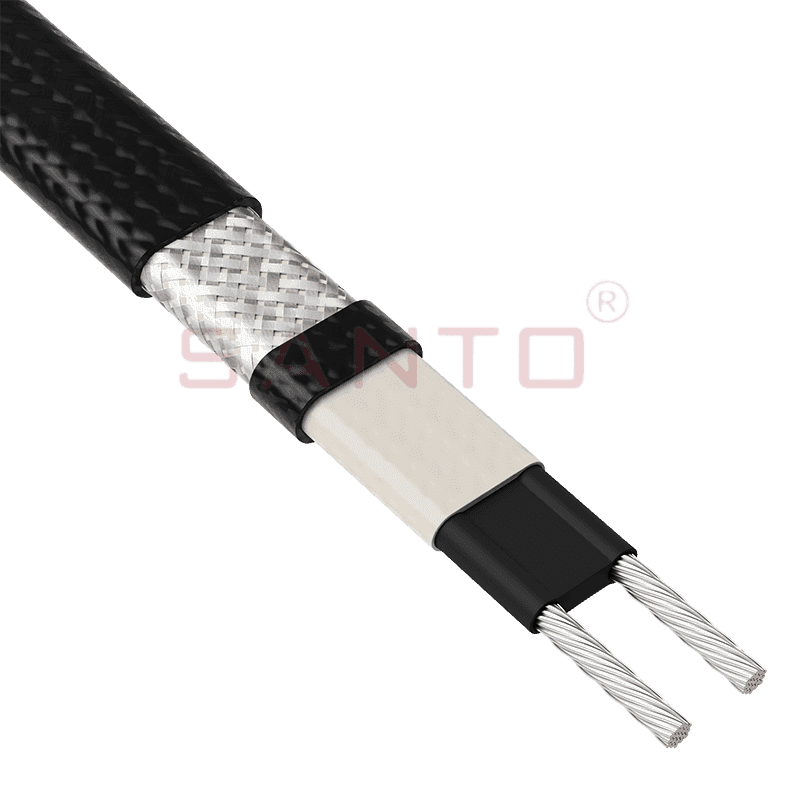
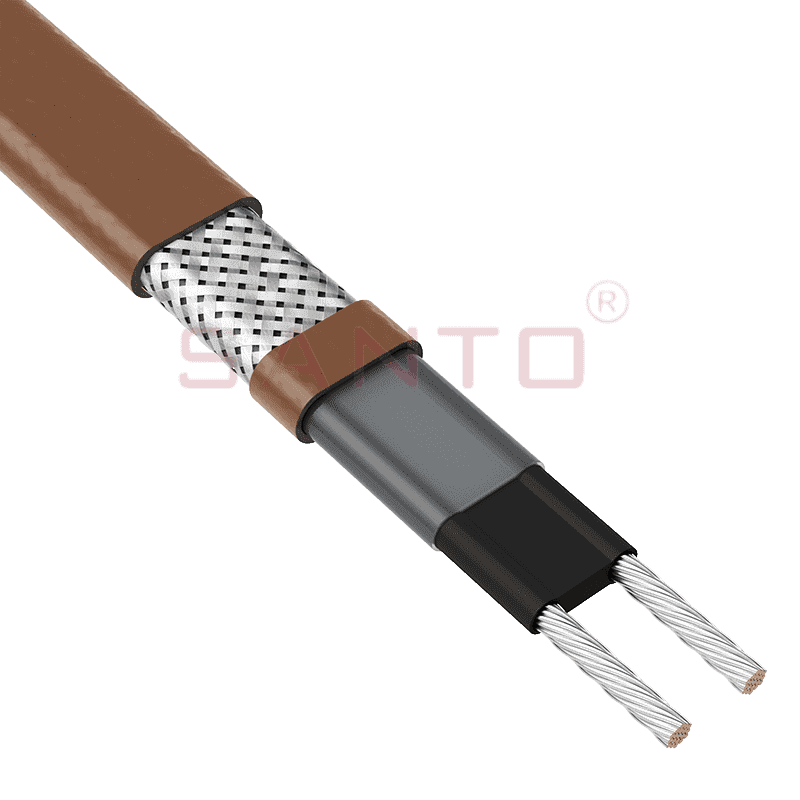
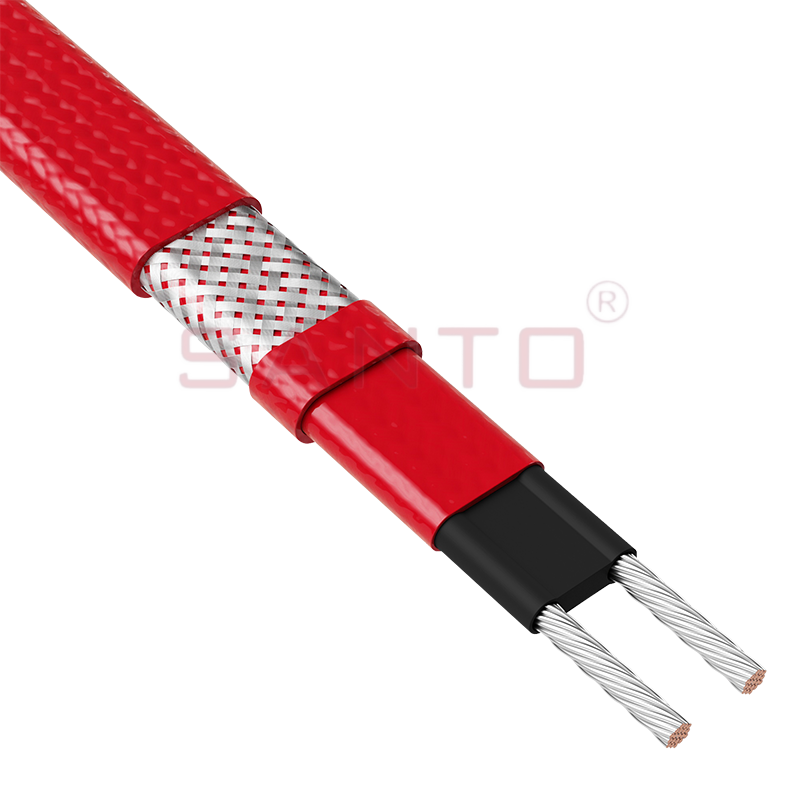
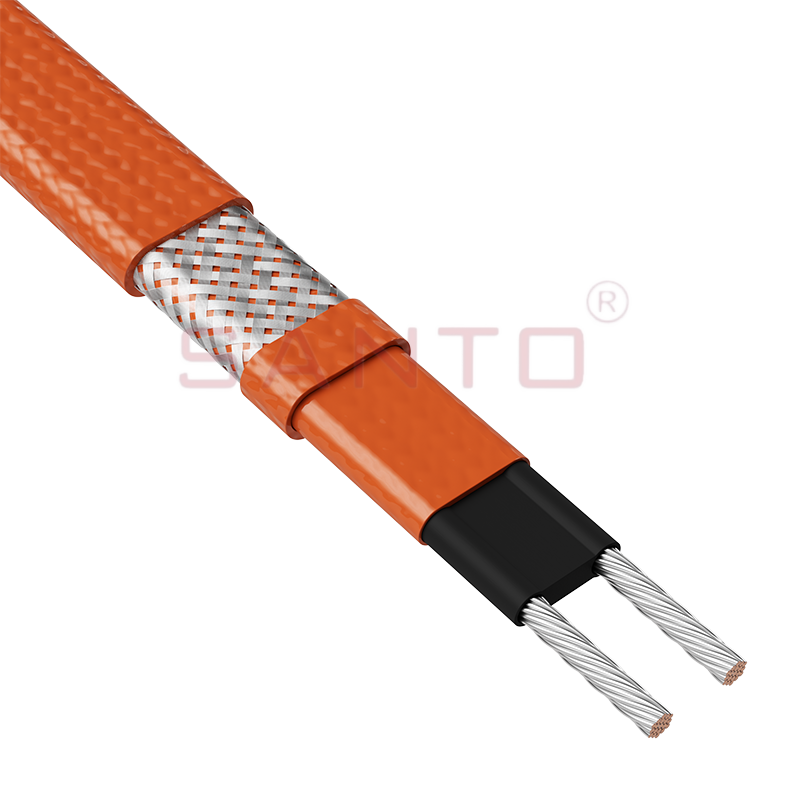
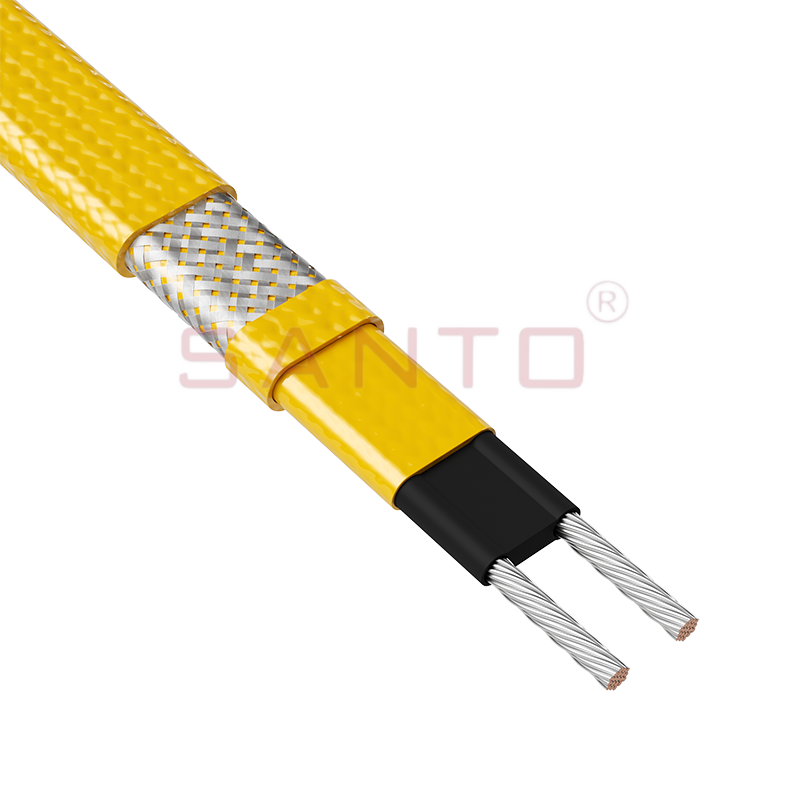
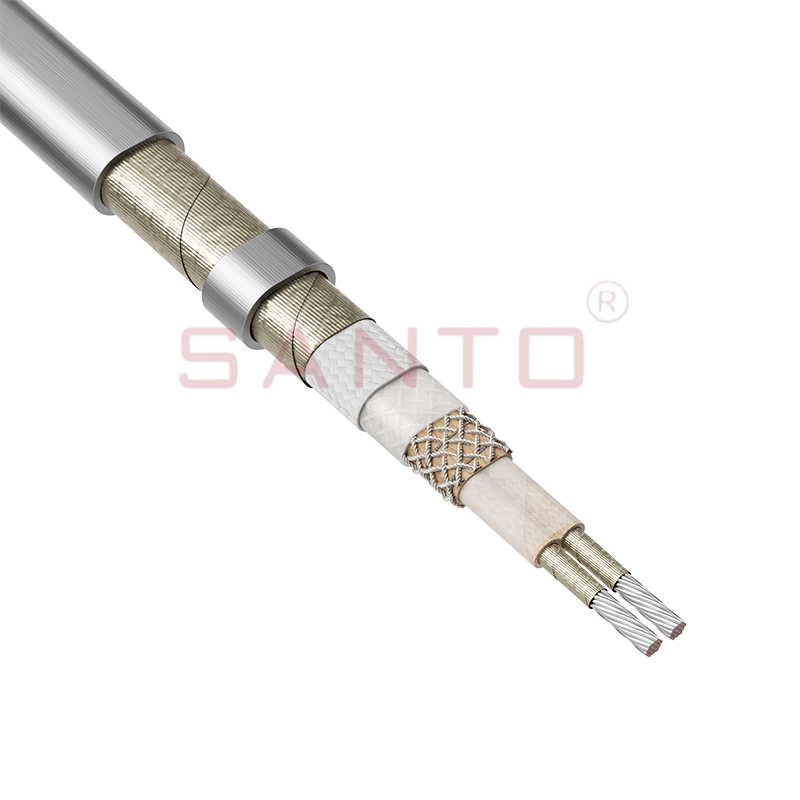
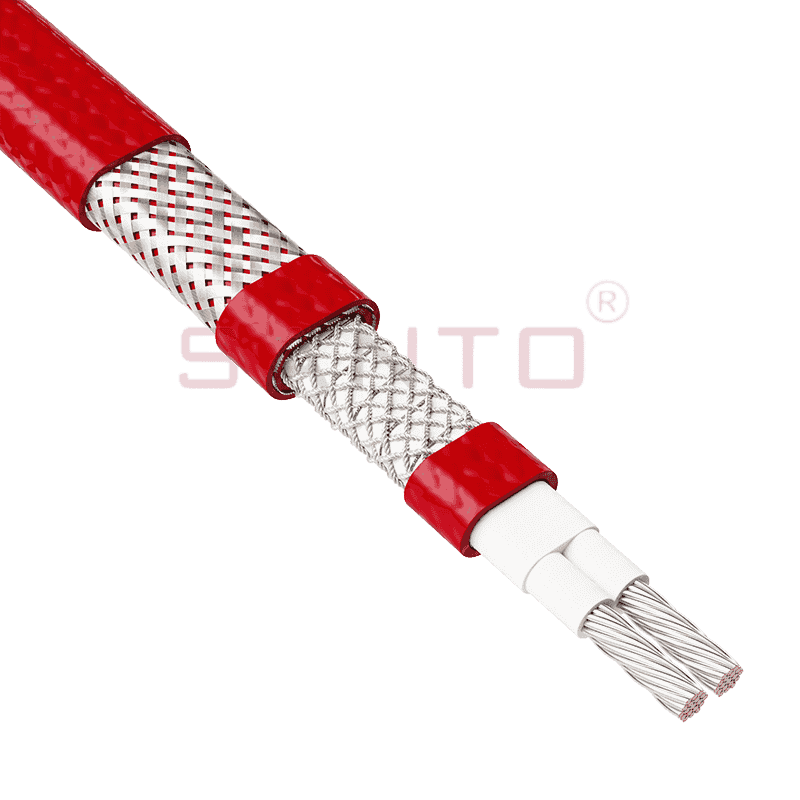
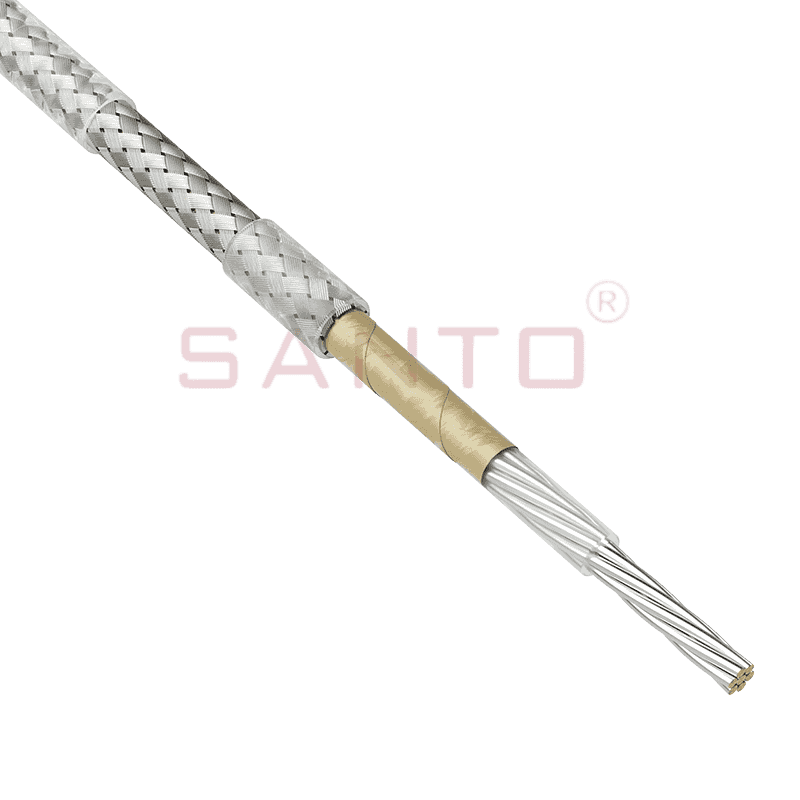
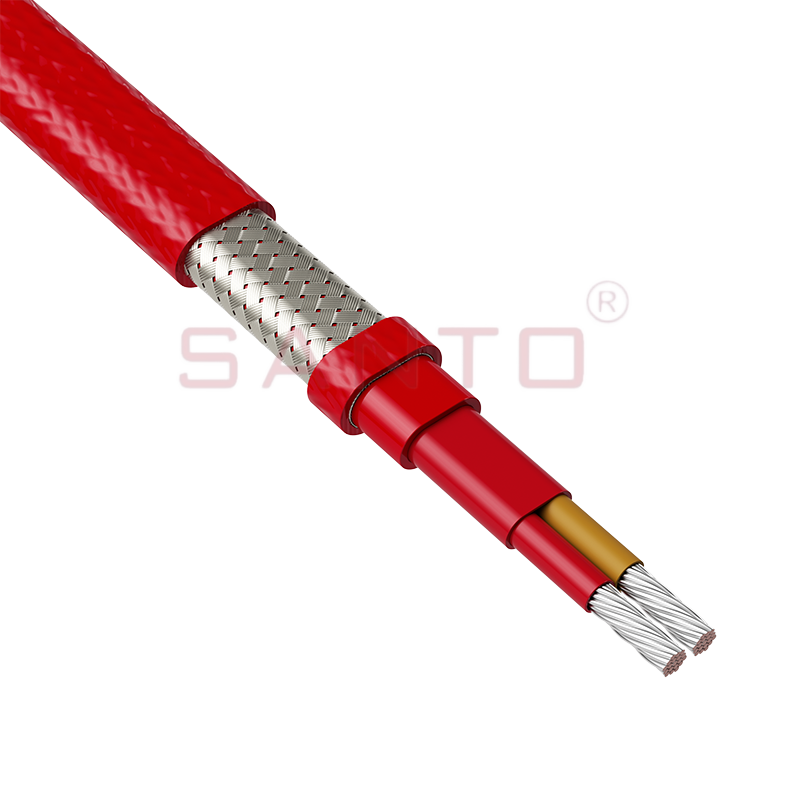
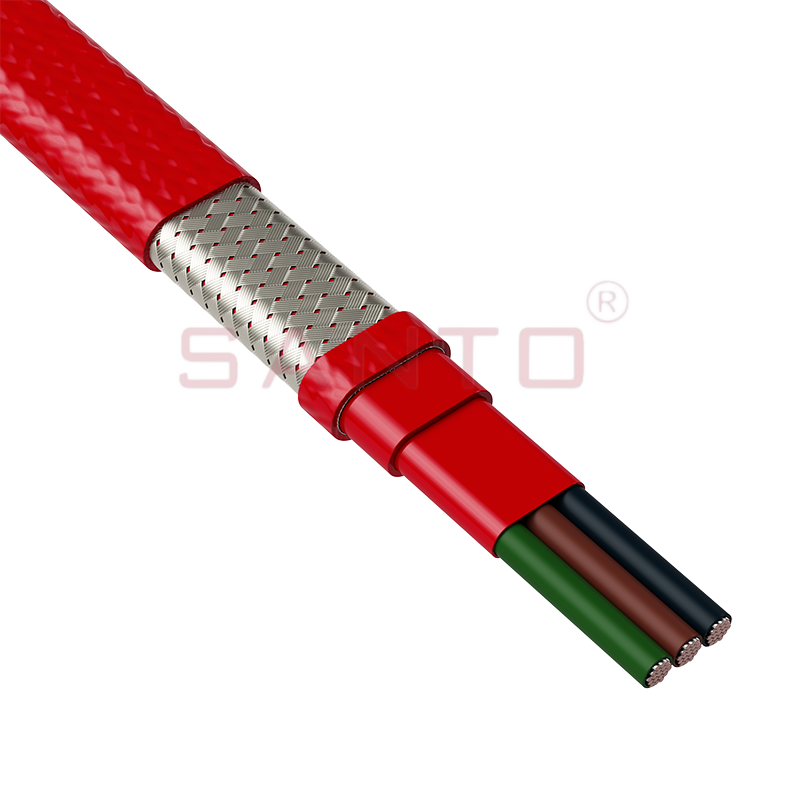
Electric resistance heating elements are the most widely adopted solar panel deicer technology because they are relatively easy to retrofit onto existing arrays, can be automated with temperature and snow sensors, and draw power directly from the grid or from a battery storage system when needed. These systems consist of thin, weatherproof heating mats or cable loops that are adhered to the back surface of each photovoltaic panel. When activated, they raise the panel temperature by 5°F to 15°F (3°C to 8°C) above the ambient temperature, which is sufficient to melt a layer of ice and break the bond between the snow and the glass. Once the bond is broken, gravity causes the snow to slide off the tilted panel. A typical residential electric solar panel deicer system for a 20-panel array draws approximately 2 to 3 kilowatts during operation, and if it runs for 3 to 4 hours following a snowstorm, the total energy cost at an average U.S. residential electricity rate of $0.15 per kilowatt-hour is roughly $1.00 to $1.80 per deicing cycle. This cost is often offset by the value of the electricity that the panels generate once they are cleared, particularly if the alternative is losing multiple days of production while waiting for natural melting.
Modern electric deicing systems are typically controlled by a combination of sensors. A snow sensor detects the presence of precipitation, a temperature sensor confirms that the temperature is low enough for ice to form, and a surface condition sensor may measure the actual ice thickness or panel output to determine when to activate the heating elements. This automation ensures the system runs only when needed, minimizing wasted electricity. The heating cables used in these systems are rated for outdoor exposure and are designed to withstand temperature extremes from -40°F to 185°F (-40°C to 85°C) without degradation.
Hydronic Deicing Systems: High Efficiency for Large Arrays
A hydronic solar panel deicer circulates a heated water and glycol mixture through a network of tubing mounted behind the panels, and while the upfront installation cost is higher, the operating efficiency can be superior to electric heating for large commercial and utility-scale arrays. The heat source for a hydronic deicing system can be a dedicated gas or electric boiler, a geothermal heat pump, or even waste heat recovered from an adjacent industrial process. Because liquid has a much higher heat capacity than air, a hydronic system can transfer the same amount of melting energy with lower electricity consumption than a purely electric system, provided the heat source is efficient. For a large ground-mount solar farm in a snowy region, the economic case for hydronic deicing becomes compelling: the cost of lost generation over a winter season can exceed the cost of installing and operating a central deicing system that clears all panels within hours rather than days.
Passive Coatings: The Zero-Energy Preventive Approach
Passive hydrophobic and icephobic coatings represent a fundamentally different approach to solar panel deicing: rather than melting ice after it forms, these coatings prevent ice and snow from adhering to the glass surface, allowing it to slide off under its own weight or with the assistance of a light breeze. These coatings are typically formulated from silicone, fluoropolymer, or nanocomposite materials that create a low-surface-energy layer on the glass. The contact angle of a water droplet on an untreated glass panel is typically 30 to 50 degrees, but a high-quality hydrophobic coating can increase this to 100 degrees or more, causing water to bead up and roll off rather than spread out and freeze into a continuous sheet. Research published in the journal ACS Applied Materials & Interfaces demonstrated that a properly applied icephobic coating can reduce ice adhesion strength by 80% to 90% compared to bare glass, enabling snow to shed from panels tilted at angles as low as 15 degrees. The main limitation of passive coatings is that they do not actively melt ice that has already formed, and their effectiveness degrades over time due to ultraviolet exposure, abrasion from wind-blown dust, and contamination from bird droppings or pollution. Most manufacturers recommend reapplication every 1 to 3 years to maintain peak performance.
Is a Solar Panel Deicer Worth the Investment?
The payback period for a solar panel deicer depends on the local climate, the size of the array, the cost of electricity, and the value of the lost generation, but for installations in regions that receive more than 50 inches of annual snowfall, the financial case is often strong, with payback achievable within 3 to 5 winter seasons. A simplified analysis can be performed by estimating the total energy lost to snow cover over a winter and multiplying it by the local electricity rate. For a 10-kilowatt residential array in upstate New York that loses an average of 400 kilowatt-hours per winter to snow, and with an electricity rate of $0.18 per kilowatt-hour, the annual loss is approximately $72. A basic electric deicing system costing $600 installed would require roughly 8 years to pay back on energy savings alone. However, this calculation ignores two important factors: the convenience and safety benefit of not having to manually clear snow from rooftop panels, and the fact that many utility incentive programs and renewable energy credits pay a premium for winter generation when grid demand is high. Including these factors often shortens the payback period substantially.
Frequently Asked Questions About Solar Panel Deicers
Can a solar panel deicer damage the photovoltaic panels?
When installed according to the manufacturer's instructions, a solar panel deicer will not damage the panels. Electric heating mats are designed to operate at temperatures well below the maximum rated temperature of the panel backsheet, typically staying under 140°F (60°C). The heating is gradual, not a sudden thermal shock, so the glass and the encapsulant material are not stressed. The primary risk comes from improper installation, such as trapping moisture between the heater and the backsheet or using an unregulated system that overheats. Choosing a UL-listed or ETL-certified deicing product and following the wiring and mounting instructions eliminates these risks.
Can I use a roof deicing cable on my solar panels?
Standard roof deicing cables are not designed for direct attachment to solar panels. Roof cables are intended to be placed in gutters and along eaves to create drainage channels, not to heat the glass surface of a photovoltaic module. Attaching a generic roof cable to the back of a solar panel may void the panel warranty and can create hot spots that damage the cells. A proper solar panel deicer uses heating elements that are specifically engineered for the size, shape, and thermal characteristics of photovoltaic panels.
Does a solar panel deicer use more energy than the panels produce?
No. A well-designed solar panel deicer consumes far less energy than the panels produce once they are cleared. A 300-watt panel that is cleared of snow can generate 1.2 to 1.5 kilowatt-hours of electricity on a sunny winter day, while the deicing cycle that cleared it may have consumed only 0.1 to 0.2 kilowatt-hours. The net energy gain is positive, which is why deicing makes economic and energy sense. The critical factor is to operate the deicer only when necessary, using automated controls that prevent it from running when there is no snow or ice present.
How long does it take for a solar panel deicer to clear snow?
An electric solar panel deicer typically clears a light snow accumulation of 1 to 3 inches within 30 to 60 minutes of activation. Heavier accumulations of 6 inches or more may require 2 to 4 hours to fully clear, depending on the watt density of the heating elements and the ambient temperature. The process works from the glass surface outward, melting the bond layer first so that the snow slides off in sheets rather than melting entirely into water.
A solar panel deicer serves as a practical bridge between the promise of year-round solar generation and the reality of winter weather. By selecting the appropriate technology—electric heating, hydronic circulation, or passive surface treatment—and integrating it with automated controls, solar array owners can recover the energy lost to snow and ice with a net-positive energy balance and a financial return that improves with each passing winter. As photovoltaic installations continue to expand into colder regions, the role of effective deicing technology will only grow in importance for maintaining grid reliability and maximizing the return on renewable energy investments.