 English
  English
 русский
 日本語
日本語 Español
 中文简体
中文简体The SANTO UFA range of self-regulating heating cables is mainly used for frost protection of pipes and vessels but can also be used to maintain processes up to 65°C. These heating cables are available...
See Details
A silicone rubber heater is a thin, flexible electric heating element encapsulated between two layers of silicone rubber, capable of delivering uniform surface heat across complex shapes and curved surfaces at operating temperatures from -60°C to +230°C, making it the preferred heating solution for aerospace, medical, food processing, semiconductor, and industrial freeze-protection applications. Unlike rigid metal heaters or ceramic elements, silicone rubber heaters conform to irregular surfaces, resist moisture and chemicals, and can be manufactured in virtually any shape or size — from a 25mm circular disc to a 2-meter industrial blanket. This guide explains how they work, which types exist, and how to select the right heater for your specific thermal management challenge.
Content
A silicone rubber heater works by passing electrical current through a resistive heating element — either an etched foil circuit or a wound wire — sandwiched between two vulcanized silicone rubber layers that provide electrical insulation, mechanical protection, and efficient thermal transfer to the target surface.
The construction of a typical silicone rubber heater proceeds in distinct layers:
When voltage is applied, the resistance element converts electrical energy to heat via the Joule effect (P = I²R). The silicone encapsulation conducts this heat outward to the bonded surface while maintaining electrical isolation. Because silicone rubber has a thermal conductivity of approximately 0.2–0.3 W/m·K, heater designs typically keep the silicone layer as thin as practical — usually under 1.5mm total — to minimize thermal resistance between the element and the heated surface.
Silicone rubber heaters are divided into two primary construction types — etched foil heaters and wire-wound heaters — plus several specialized variants designed for specific mounting configurations and performance requirements.
Etched foil silicone rubber heaters are the premium construction type, offering the most uniform heat distribution, thinnest profile (as low as 1.5mm total thickness), and greatest design flexibility for complex circuit geometries. The heating circuit is photochemically etched from a flat resistance alloy foil — typically 304 stainless steel or Inconel — in the same process used to manufacture printed circuit boards, allowing heater circuit patterns accurate to ±0.1mm.
Wire-wound silicone rubber heaters use a resistance wire — typically nichrome (NiCr) or stainless steel — wound or woven in a serpentine pattern through a fiberglass or silicone carrier, offering lower cost and excellent durability in high-vibration environments. The wound wire construction provides inherently higher mechanical robustness than foil heaters but at the cost of slightly less uniform heat distribution due to the discrete wire spacing.
Silicone rubber heater blankets are large-format flexible heaters — typically 0.1m² to 2m² — designed to wrap around tanks, vessels, drums, and large industrial components for freeze protection, viscosity maintenance, or process temperature control. They are supplied with integrated thermostats or thermocouple ports and may include insulating outer layers to improve thermal efficiency in outdoor installations.
Silicone rubber strip heaters are narrow (25–150mm wide), long-format heaters designed for pipe tracing, conveyor belt heating, gutter freeze protection, and linear heat application along edges or channels. Band heaters wrap around circular cross-sections — pipes, cylinders, and valves — and are held in place with integrated stainless steel clamps or hook-and-loop closures.
One of the most significant advantages of silicone rubber heater technology is that custom shapes — circles, annular rings, L-shapes, T-shapes, and complex contoured profiles — can be manufactured with tooling lead times of 2–4 weeks and minimum order quantities as low as 10–50 pieces. Custom heaters are specified by shape, dimensions, watt density, voltage, lead wire configuration, and any required approvals (UL, CSA, CE).
The choice between etched foil and wire-wound construction determines the heater's uniformity, minimum thickness, vibration tolerance, and cost — understanding these trade-offs is essential before specifying a silicone rubber heater.
| Feature | Etched Foil Heater | Wire-Wound Heater | Heater Blanket |
| Minimum thickness | 1.5mm | 2.5mm | 3–6mm (with insulation) |
| Heat uniformity | Excellent (±3–5°C) | Good (±5–10°C) | Good–Excellent |
| Max watt density | 6.2 W/cm² (standard) | 3.9 W/cm² | 1.5–3 W/cm² |
| Vibration resistance | Good | Excellent | Good |
| Design flexibility | Very High | Medium | High |
| Relative cost | Medium–High | Low–Medium | Medium |
| Best environment | Precision instruments, clean rooms | Industrial, outdoor, automotive | Tanks, drums, large vessels |
Table 1: Comparison of silicone rubber heater construction types by thickness, uniformity, watt density, and suitability.
Silicone rubber heaters outperform rigid heating alternatives in applications requiring flexibility, thin profiles, moisture resistance, and the ability to heat complex or non-planar surfaces — advantages that no cartridge heater, ceramic band heater, or strip heater can replicate.
Silicone rubber heaters can flex to radii as tight as 6mm and conform to curved, contoured, or irregular surfaces that are physically impossible to heat uniformly with rigid elements. This conformability is especially critical in aerospace applications — satellite thermal management systems, for example, use custom-shaped silicone rubber heaters bonded directly to curved aluminum structure panels to maintain battery and instrument temperatures in environments ranging from -100°C in shadow to +150°C in direct solar exposure.
The thin construction of silicone rubber heaters — typically 1.5–4mm total — gives them very low thermal mass, allowing them to reach operating temperature within 30–90 seconds from a cold start at full power. By comparison, a cast-in aluminum heater of equivalent power may take 5–15 minutes to stabilize, wasting energy and extending process cycle times. In medical device applications such as specimen warming plates, this rapid response is essential for maintaining precise temperature windows within ±0.5°C.
Silicone rubber maintains its mechanical properties and electrical insulation integrity from -60°C to +230°C continuous service temperature, making it the only flexible encapsulation material that operates reliably across this full range without cracking, hardening, or outgassing. Standard silicone rubber heaters are rated for:
Silicone rubber provides dielectric strength of 15–20 kV/mm, meaning a 1mm silicone layer can withstand 15,000–20,000 volts before breakdown — far exceeding the requirements of standard industrial heater applications operating at 120–480V AC. This outstanding insulation property allows silicone rubber heaters to be used safely in wet, conductive, and high-voltage environments where other flexible heater materials would be inadequate.
Understanding where silicone rubber heaters excel — and where alternative technologies may be more appropriate — ensures the right thermal solution for each specific application.
| Property | Silicone Rubber Heater | Cartridge Heater | Ceramic Band Heater | PTC Heater |
| Flexibility | Excellent | None (rigid) | Limited | Good |
| Max temperature | 230°C continuous | 750°C+ | 400°C+ | 60–150°C (self-limiting) |
| Heat uniformity | Excellent (surface) | Point/line source | Good | Good |
| Moisture resistance | Excellent (IP67/68) | Good (sealed) | Poor–Fair | Fair |
| Custom shapes | Any shape possible | Cylindrical only | Circular/band | Sheet or strip |
| Weight | Very Light | Heavy | Heavy | Light |
| Thermal response | Fast (30–90 sec) | Slow (5–20 min) | Slow–Medium | Fast |
| Watt density control | Precise zoning possible | Fixed | Fixed | Self-regulating |
| Relative cost | Medium | Low–Medium | Medium | Low–Medium |
Table 2: Silicone rubber heater compared to cartridge, ceramic band, and PTC heaters across key performance and application parameters.
Silicone rubber heaters are deployed across more than a dozen major industries wherever lightweight, conformable, moisture-resistant, and electrically safe surface heating is required — their versatility makes them one of the most universally applicable electric heating technologies available.
Aerospace is one of the most demanding applications for silicone rubber heaters, where they provide thermal management for avionics boxes, battery systems, propellant lines, satellite structures, and UAV fuel systems operating across extreme temperature cycles. Weight is critical in aerospace — a 300mm × 200mm etched foil silicone heater rated at 100W may weigh less than 80g, compared to 500–800g for a comparable rigid metal heater assembly. Space-qualified silicone rubber heaters undergo outgassing testing per ASTM E595 to ensure they do not contaminate sensitive optical surfaces in vacuum.
Silicone rubber heaters maintain precise temperatures in laboratory incubators, specimen warming stations, fluid warming devices, diagnostic instrument sample blocks, and patient warming systems — applications where temperature uniformity of ±0.5°C or better is clinically required. Silicone's biocompatibility (FDA-compliant silicone grades available), ease of cleaning, and resistance to hospital disinfectants make it the preferred heater material in medical environments. Custom-etched foil designs allow heaters to be built directly into the form factor of curved warming plates, ergonomic handles, and compact instrument housings.
Semiconductor fabrication equipment uses silicone rubber heaters to maintain wafer chuck temperatures, prevent moisture condensation on sensitive optical components, and provide controlled heating for photoresist processing and chemical vapor deposition (CVD) system components. In cleanroom environments, silicone rubber heaters with low particulate generation and outgassing properties are specified to protect wafer yield. Watt density uniformity requirements in wafer heating applications can be as tight as ±2% across the heated surface — achievable only with precision etched foil designs.
Silicone rubber heaters maintain viscosity in food-grade oils, chocolate, honey, sauces, and other temperature-sensitive products during storage and processing, with FDA-compliant silicone grades certified safe for incidental food contact. Drum and tote heaters in this sector typically operate at 60–90°C to keep products pourable without degrading flavor or nutritional content. The washdown resistance of sealed silicone heaters is essential in food processing facilities where high-pressure cleaning and chemical sanitization occur daily.
In oil and gas applications, silicone rubber heater blankets prevent wax deposition and hydrate formation in pipeline valves, instrumentation, and sample conditioning systems operating in sub-zero environments. Hazardous location (ATEX/UL Class I Div 2) rated silicone rubber heaters are available for use in potentially explosive atmospheres — essential for refineries, offshore platforms, and chemical plants where flammable vapors may be present. Typical freeze-protection installations maintain line temperatures above 4°C in ambient conditions as low as -40°C.
Correctly specifying a silicone rubber heater requires defining eight technical parameters — incomplete or incorrect specifications are the most common cause of heater underperformance, premature failure, or oversized energy consumption.
Selecting the correct watt density is the single most important design decision for a silicone rubber heater — too low and the heater cannot meet the thermal load; too high and the heater surface overheats and fails prematurely.
| Application Type | Recommended Watt Density | Thermostat Required? | Notes |
| Freeze protection (pipes, valves) | 0.3–0.8 W/cm² | Recommended | Low density for long continuous duty |
| Tank / drum heating | 0.5–1.5 W/cm² | Required | Thermostat prevents product overheating |
| Instrument / electronics heating | 0.5–2.0 W/cm² | Required | PID control for ±1°C accuracy |
| Medical warming plates | 0.3–1.0 W/cm² | Required | Safety cutout at 42°C for patient contact |
| Process heating (short cycle) | 2.0–6.2 W/cm² | Required | Duty cycle controlled; not continuous |
| Aerospace / satellite | 0.2–1.5 W/cm² | Always | Power budget critical; redundant sensing |
Table 3: Recommended silicone rubber heater watt density ranges by application type, with thermostat and control guidance.
Correct installation is as important as correct specification — poor thermal contact between the heater and the heated surface is the leading cause of premature heater failure, localized overheating, and energy inefficiency.
Standard silicone rubber heaters are rated for continuous operation up to 200°C, with high-temperature silicone grades extending this to 230°C continuous and short-duration peaks up to 260°C. Exceeding the rated temperature causes irreversible silicone degradation — hardening, cracking, and eventual electrical breakdown. A thermal cutout or thermostat set at least 20°C below the maximum rating is strongly recommended for any continuous-duty application.
Yes — silicone rubber heaters are well-suited for outdoor use because silicone is inherently resistant to UV radiation, ozone, rain, and temperature cycling, and IP67/IP68 sealed variants can withstand continuous rain exposure or temporary submersion. For outdoor installations, specify sealed lead wire exit points, UV-stabilized silicone compound, and stainless steel or weatherproof connectors. Operating ambient temperatures down to -60°C are achievable with standard silicone grades without cracking or loss of flexibility.
A correctly specified and installed silicone rubber heater operated within its rated temperature and watt density limits typically achieves a service life of 10,000–20,000 operating hours (5–10 years in typical industrial duty cycles). The most common failure modes are lead wire fatigue at the entry point (preventable with proper strain relief), delamination of the PSA bond in high-humidity environments (preventable with mechanical clamping backup), and localized overheating from thermostat failure (preventable with redundant over-temperature protection).
Silicone rubber heaters are manufactured for virtually any supply voltage from 3V DC (battery-powered portable devices) to 480V AC (three-phase industrial power), with the heater resistance calculated to deliver the specified wattage at the target voltage. The most commonly specified voltages are 12V DC (automotive/mobile), 24V DC (instrumentation and control systems), 120V AC (North American residential/commercial), and 240V AC (European and international industrial). Custom voltages are available with no minimum order penalty in many cases.
Whether a silicone rubber heater surface is safe to touch depends entirely on the watt density and setpoint temperature — at typical process temperatures of 60–150°C, direct skin contact will cause burns, and warning labels and physical guards are required by safety standards. For applications where human contact is expected (patient warming devices, handle warmers, ergonomic heated surfaces), heaters are designed with watt densities below 0.5 W/cm² and thermostatic control limiting surface temperature to 40–43°C — the safe range for extended skin contact per ISO 13732-1.
No — cutting a silicone rubber heater in the field destroys the heating element circuit and creates a safety hazard from exposed electrical conductors. Silicone rubber heaters must be ordered to the final dimensions and shape required. If the exact size is unknown at order time, design the heater to the largest dimension needed and use thermal insulation to block heat from areas where it is not required. Custom shapes and sizes are readily available from manufacturers, typically with lead times of 2–5 weeks for prototypes.
The silicone rubber heater's combination of design flexibility, wide temperature range, moisture resistance, rapid thermal response, and electrical safety places it in a category that no rigid or alternative flexible heater can fully replicate. From a 50mm circular heater maintaining an optical lens above dew point in a surveillance camera to a 2-meter industrial blanket keeping a chemical reactor at process temperature in a -30°C outdoor installation, the fundamental technology remains the most adaptable electric heating solution available.
The key to maximizing silicone rubber heater performance is careful specification: match the construction type (etched foil or wire-wound) to the performance requirement, select the correct watt density for the duty cycle, specify the appropriate certification for the application environment, and ensure correct installation with adequate thermal interface and strain relief. Done correctly, a silicone rubber heater delivers reliable, uniform, energy-efficient heat precisely where it is needed — for a decade or more of maintenance-free service.
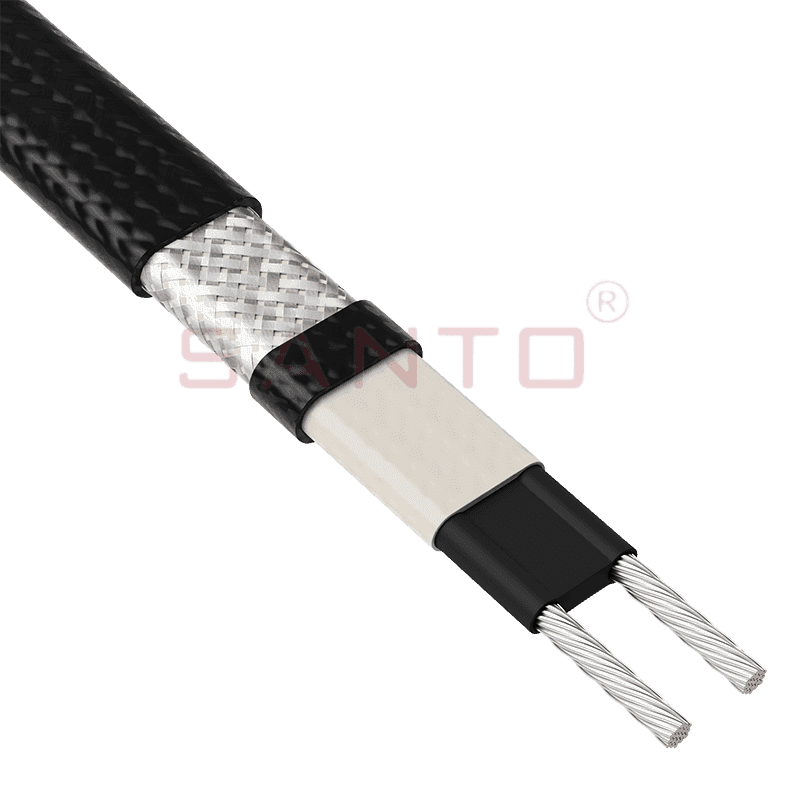
The SANTO UFA range of self-regulating heating cables is mainly used for frost protection of pipes and vessels but can also be used to maintain processes up to 65°C. These heating cables are available...
See Details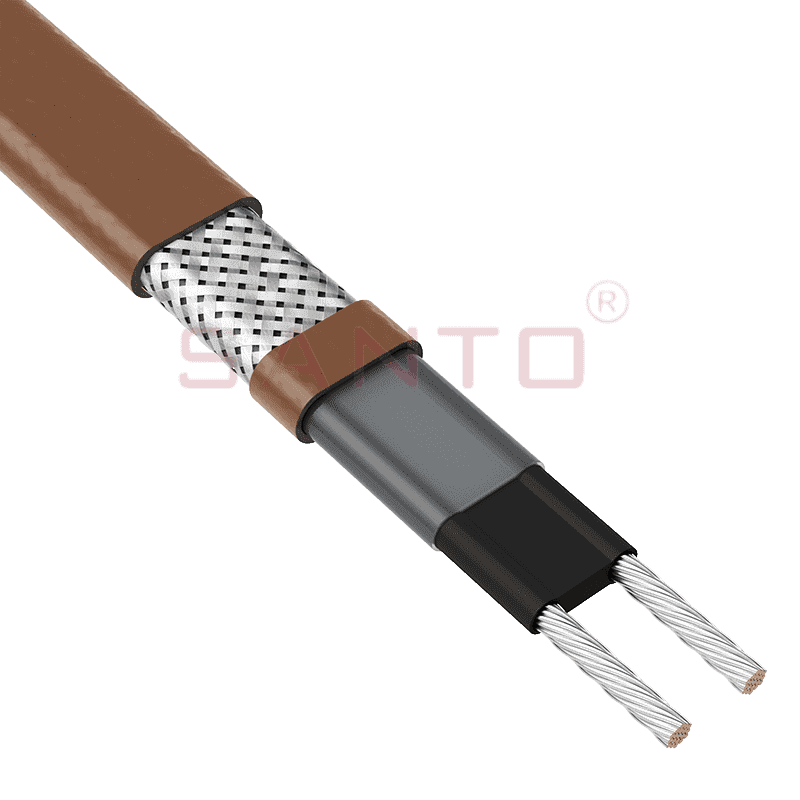
The SANTO UFB range of self-regulating heating cables is mainly used for frost protection of pipes and vessels requiring a higher power output than the UFA heating cables can supply. They can also be ...
See Details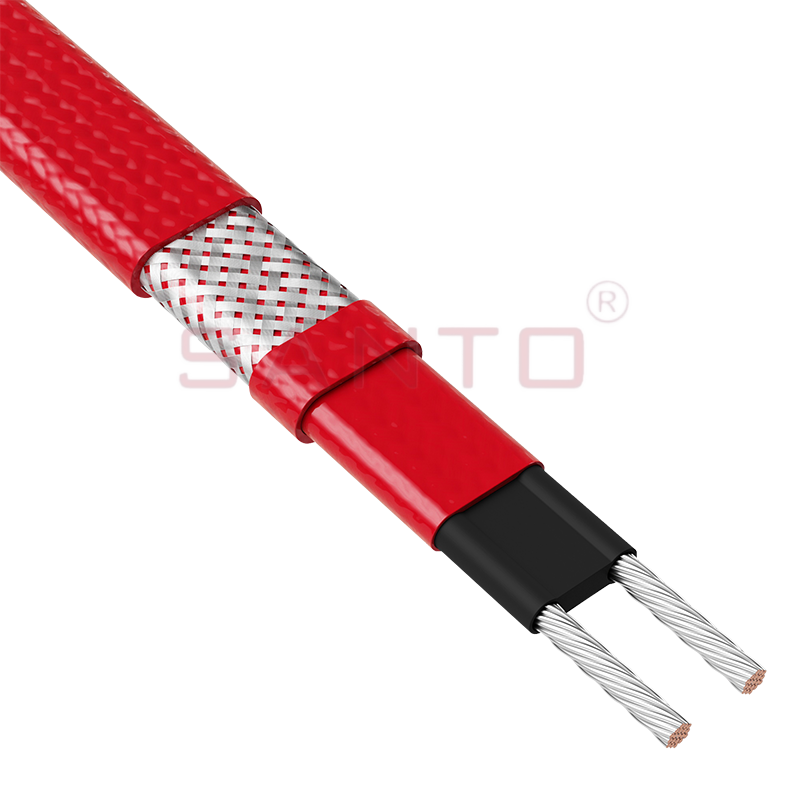
The SANTO UFC range of self-regulating heating cables is used for frost protection of pipes and vessels that require steam cleaning. They can also be used to maintain processes up to 121°C. These heat...
See Details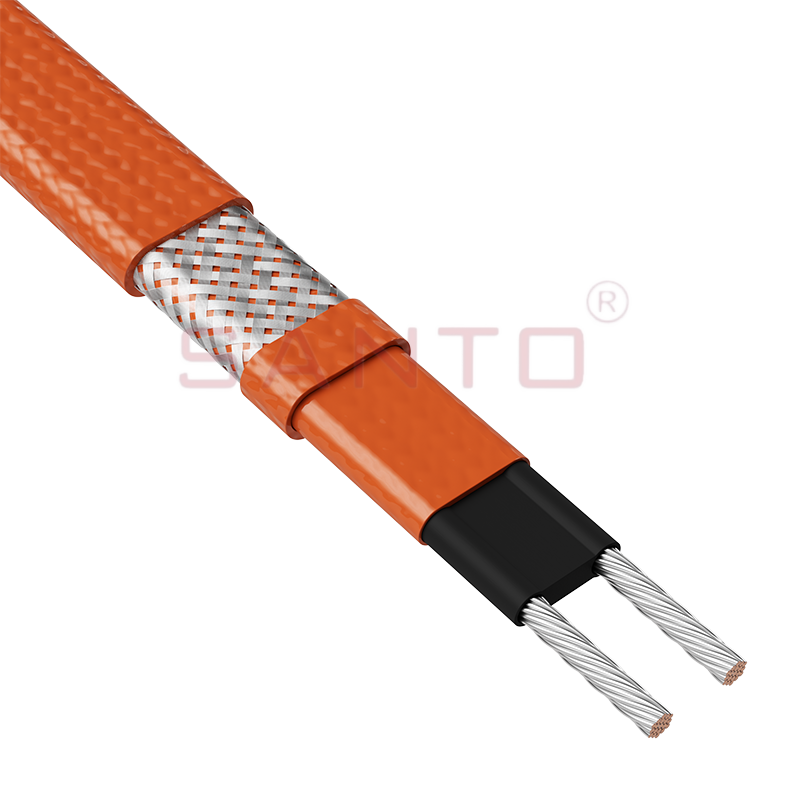
The SANTO UFO range of self-regulating heating cables is mainly used for frost protection of pipes and vessels that require steam cleaning . They can also be used to maintain processes up to 150°C. Th...
See Details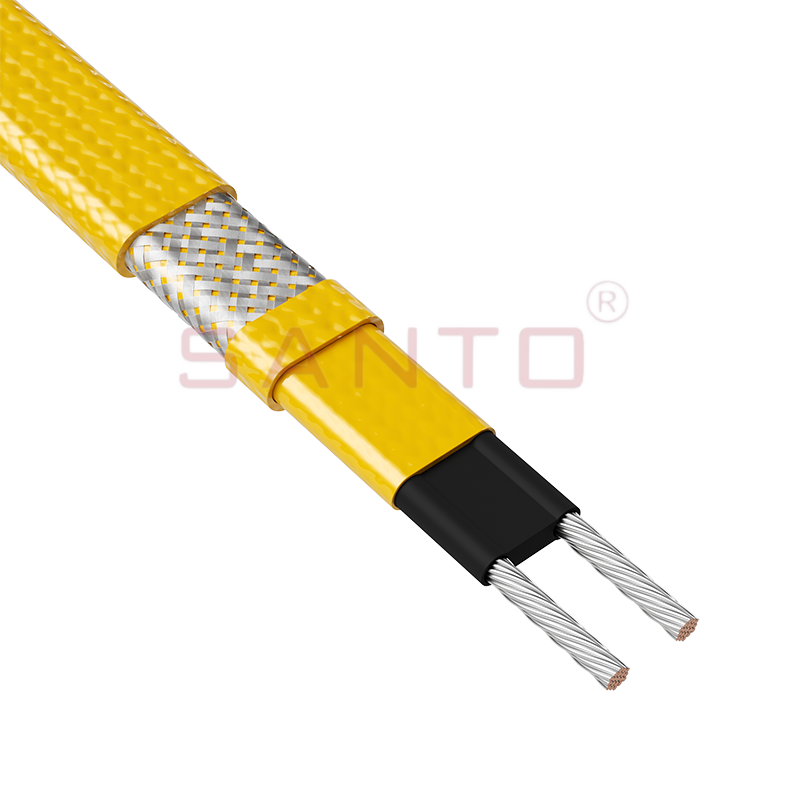
The SANTO UFD series of self-regulating heating cables are mainly used for freeze protection of pipes and vessels, but can also be used to maintain processes up to 200°C. These heating cables are avai...
See Details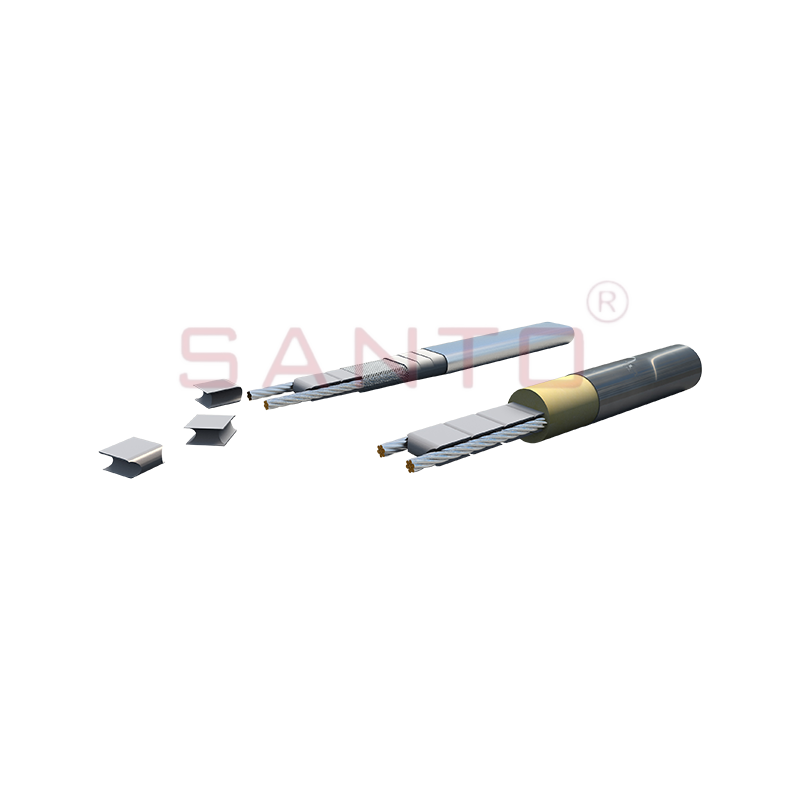
SANTO UFY heating wire is suitable for applications that maintain process temperatures up to 260 ℃ and can be steam blown; The self-regulating and parallel circuit heating wires of the UFY series are ...
See Details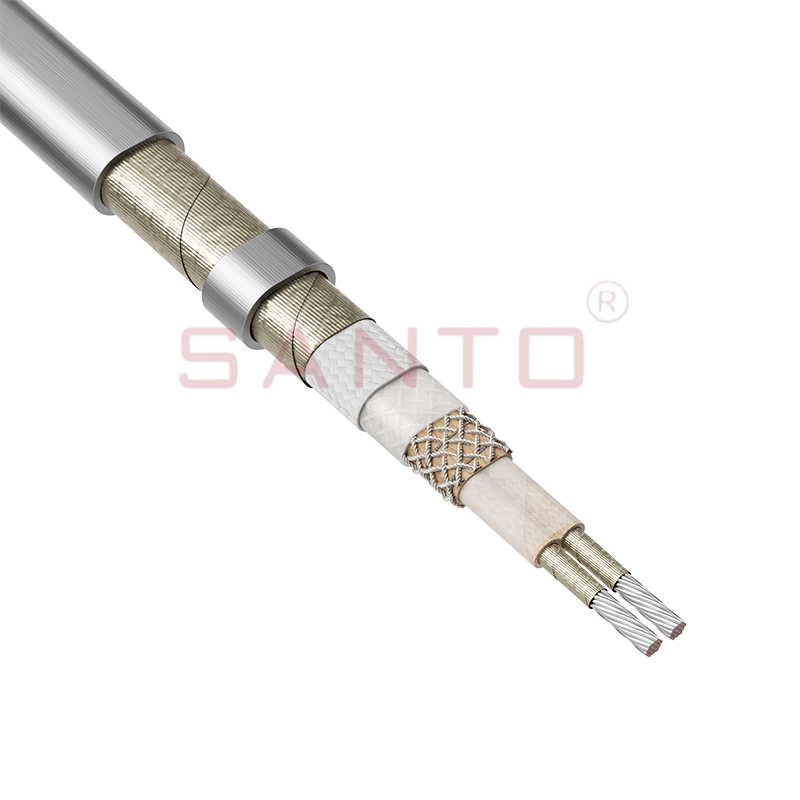
The SANTO UFM series self-regulating heating cables are mainly used for freeze protection of pipes and vessels, but can also be used to maintain processes up to 400°C. These heating cables are availab...
See Details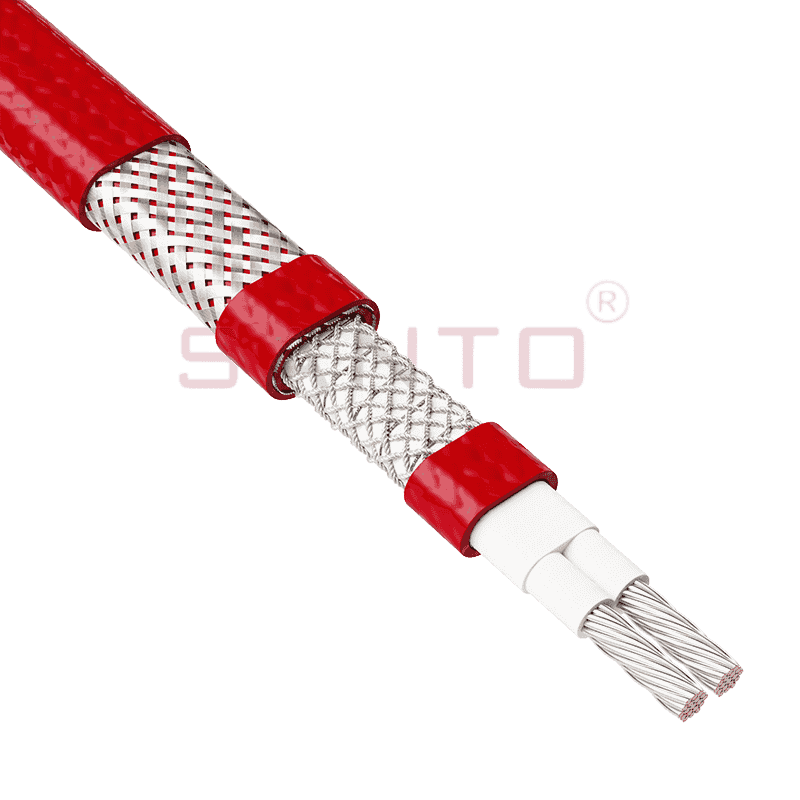
The SANTO ACC range of power-limiting heating cables is mainly used for temperature maintenance of processes and offers the advantage of a high power output at high temperatures which can reduce the n...
See Details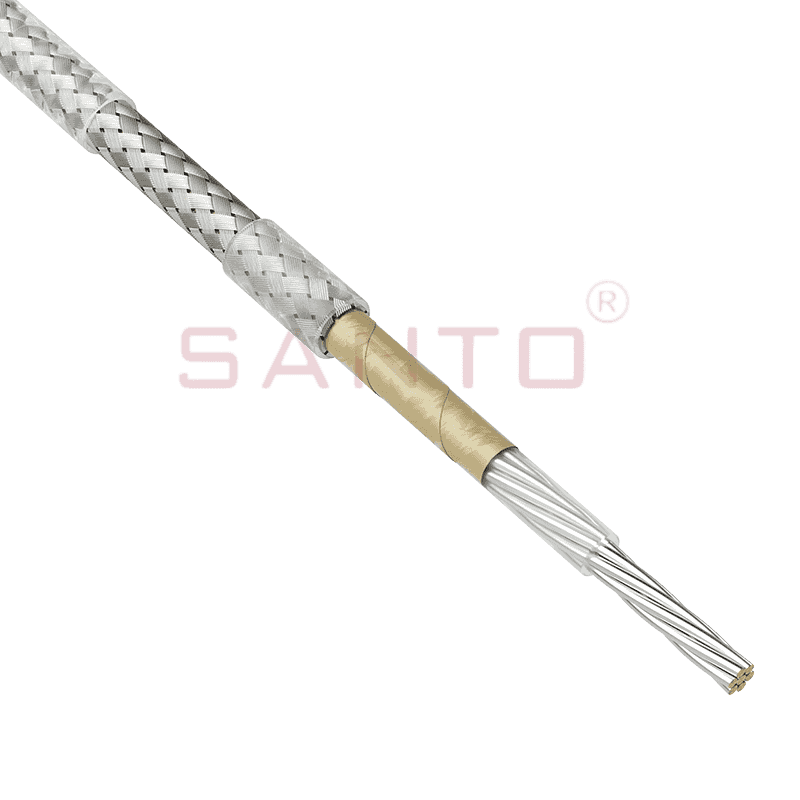
The stranded high temperature conductor is nickel plated to ensure a long life at elevated temperatures in corrosive environments. It is electrically isolated using an innovative sandwich construction...
See Details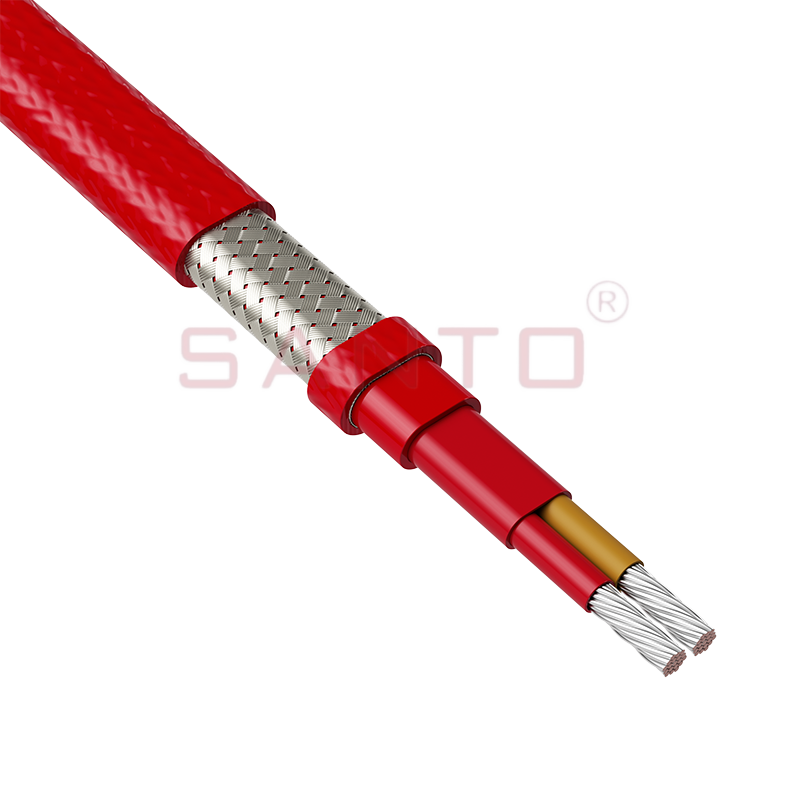
The stranded high temperature conductor is nickel plated to ensure a long life at elevated temperatures in corrosive environments. It is electrically isolated using an innovative sandwich construction...
See Details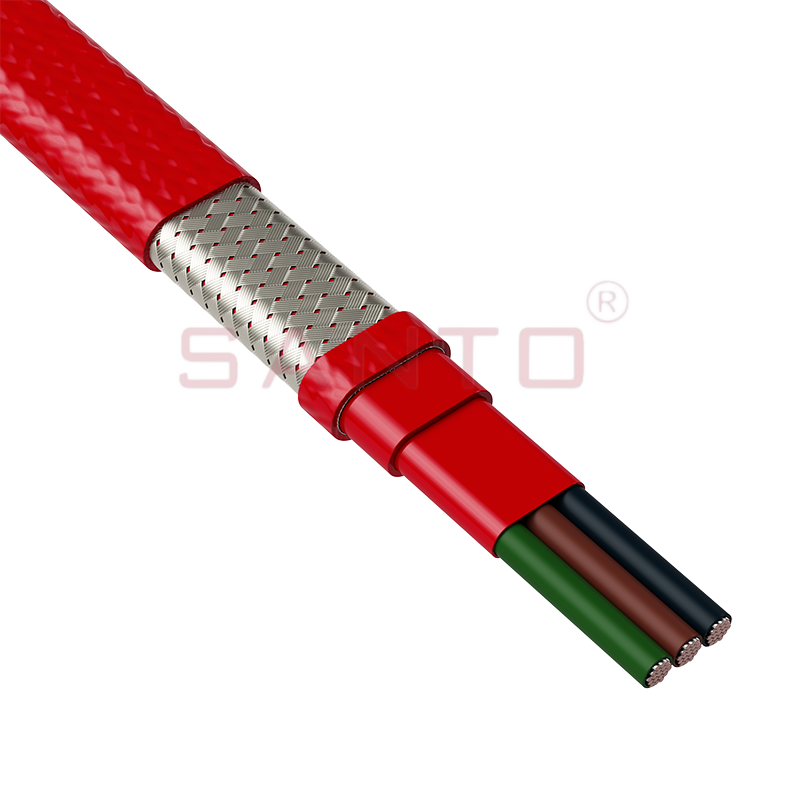
The stranded high temperature conductor is nickel plated to ensure a long life at elevated temperatures in corrosive environments. It is electrically isolated using an innovative sandwich construction...
See Details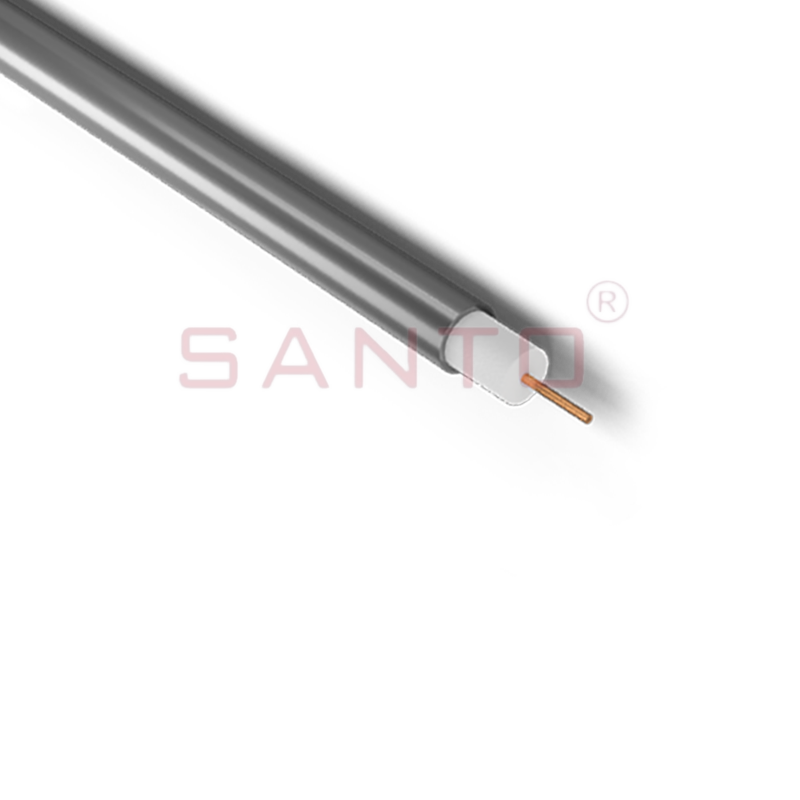
SANTO HAx mineral insulated (MI) Alloy 825 series heating cables are suitable for use in hazardous areas. They have been designed for use in freeze protection and temperature maintenance applications ...
See Details
Santo electric heating strips are widely used in key industries in China.

