 English
  English
 русский
 日本語
日本語 Español
 中文简体
中文简体The SANTO UFA range of self-regulating heating cables is mainly used for frost protection of pipes and vessels but can also be used to maintain processes up to 65°C. These heating cables are available...
See Details
A self regulating heating cable is an advanced electric heat trace cable that automatically adjusts its power output in response to surrounding temperature changes — delivering more heat when it's cold and reducing output as temperatures rise — without any thermostat or external controller required. It is widely used for pipe freeze protection, roof de-icing, and industrial process temperature maintenance.
Content
At the heart of every self regulating heating cable is a semi-conductive polymer core — a specially engineered plastic material containing carbon particles that conduct electricity. Two parallel copper bus wires run the full length of the cable, with this conductive polymer matrix bridging the gap between them.
When temperatures drop, the polymer core contracts slightly at the molecular level. This contraction brings carbon particles closer together, creating more conductive pathways and allowing more current to flow — generating more heat. Conversely, when temperatures rise, the polymer expands, carbon particles move apart, resistance increases, and power output drops automatically.
This physics-based self-regulation happens zone by zone along the entire cable length, meaning different sections of the same self regulating heat trace cable can operate at different power levels simultaneously — perfectly matching the actual thermal needs at every point.
Not all heating cables are created equal. The market offers several distinct technologies, each suited to different requirements:
The most versatile and energy-efficient category. Power output varies automatically with temperature. Cannot overheat itself. Safe to overlap. Suitable for most commercial, residential, and industrial freeze protection applications.
Delivers a fixed wattage per foot regardless of temperature. Simpler and lower cost upfront, but requires a thermostat to prevent overheating. Cannot be overlapped. Best for applications needing precise, uniform heat output.
Designed for extreme high-temperature industrial applications (up to 600°C+). Rigid, highly durable, expensive. Used in industrial process heating, steam tracing, and hazardous environments where polymer-based cables would fail.
A variant of constant wattage cable where heating occurs in discrete zones between parallel bus wires. Allows custom cutting to length in the field. Used in longer runs where consistent wattage per zone is required.
Choosing between a self regulating heating cable and a constant wattage cable is one of the most important decisions in any heat tracing project. The table below breaks down every major factor:
| Feature | Self Regulating Heating Cable | Constant Wattage Cable |
| Power Output | Varies with temperature automatically | Fixed wattage per foot |
| Thermostat Required? | No (optional for energy savings) | Yes — required to prevent overheating |
| Overlapping Allowed? | Yes — safe to overlap | No — creates hot spots |
| Energy Efficiency | High — uses only what is needed | Lower — consumes constant power |
| Installation Complexity | Low — can be cut to length on site | Low to moderate |
| Upfront Cost | Moderate to higher | Lower |
| Operating Cost | Lower — proportional to need | Higher — runs at full power always |
| Freeze Protection | Excellent — highest output when coldest | Good — uniform output |
| Max Temperature Rating | Typically up to 65°C–250°C (by grade) | Up to 120°C typical |
| Best For | Pipe freeze protection, roof de-icing, general heat tracing | Long runs, uniform heat needed, lower budget projects |
The unique properties of self regulating heat trace cable make it the preferred choice across a remarkable range of industries and environments:
The most common application. Water supply pipes, fire sprinkler systems, drain lines, and service connections in cold climates all benefit from self regulating pipe heating cable. Because the cable increases output exactly when temperatures dip toward freezing, pipes remain protected even during unexpected cold snaps without wasting energy on warm days.
Ice dams forming at roof eaves and in gutters can cause significant structural damage. Self regulating cable installed along roof edges and inside gutters and downspouts prevents ice accumulation by maintaining above-freezing temperatures precisely where heat is needed. The self-regulating property ensures the cable does not overheat roofing materials during warmer periods.
Chemical plants, oil refineries, food processing facilities, and pharmaceutical manufacturing operations rely on industrial self regulating heating cable to maintain viscosity of liquids in pipes, prevent condensation in instrumentation lines, and protect process lines from freezing or crystallizing during shutdowns or cold weather conditions.
In residential and commercial buildings, self regulating floor heating cable provides comfortable radiant heat underfoot. Unlike resistance wire systems, self regulating floor heating cables automatically modulate output, reducing the risk of flooring damage from overheating and lowering electricity bills.
Storage tanks holding water, chemicals, fuel, or food products must often be maintained above certain temperatures. Self regulating cable wrapped around tanks or installed inside insulation jackets provides reliable temperature maintenance that adapts to ambient conditions around the vessel.
Embedded in concrete or asphalt, self regulating cable keeps driveways, entry ramps, walkways, and stairs clear of snow and ice automatically, improving safety and eliminating the need for chemical de-icers or manual snow removal.
Proper installation is critical to the long-term performance and safety of any self regulating electric heating cable system. Follow these essential guidelines:
One of the most compelling advantages of self regulating heating cable is its inherent energy efficiency. Unlike constant wattage systems that consume full rated power regardless of conditions, self regulating cables consume electricity in direct proportion to the thermal need at each moment and location.
During mild autumn weather when temperatures hover around 5–10°C, a self regulating system may operate at as little as 20–30% of its peak wattage. Only during the deepest winter cold does the cable approach maximum output. Over a full heating season, this proportional operation can reduce energy consumption by 30–50% compared to a constant wattage system of equivalent freeze protection capacity.
Energy Saving Example
A 30-meter constant wattage cable rated at 10W/m would draw 300W continuously through a 150-day winter season (3,600 hours), consuming 1,080 kWh. A self regulating cable of equivalent freeze protection over the same period, modulating output by an average of 40%, consumes approximately 648 kWh — saving 432 kWh and meaningfully reducing operating cost over the system's 20+ year lifespan.
Selecting the correct self regulating heating cable for your application requires evaluating several key parameters:
| Selection Factor | What to Consider | Typical Options |
| Wattage Rating | Match to heat loss of pipe/surface at design temperature | 5, 8, 10, 15, 20, 30+ W/m at 0°C |
| Temperature Rating | Must exceed maximum pipe/surface exposure temperature | 65°C (low temp), 120°C (medium), 250°C (high) |
| Voltage | Match to available supply (residential vs industrial) | 120V, 240V, 277V, 480V |
| Hazardous Area Rating | Explosive atmospheres need Ex-rated (ATEX/IECEx) cables | Standard, Zone 1, Zone 2, Division 1, Division 2 |
| Jacket Material | Match to chemical exposure and UV resistance needs | PE, Modified PE, Fluoropolymer (PVDF/FEP) |
| Braid/Shield | Grounding and mechanical protection requirements | Unshielded, Tinned copper braid, Stainless braid |
| Grade | Max Pipe Temp | Typical Applications | Core Material |
| Low Temperature | 65°C (150°F) | Domestic pipe freeze protection, roof de-icing | Standard polymer |
| Medium Temperature | 120°C (250°F) | Industrial pipes, steam-traced lines, chemical process | Modified polymer |
| High Temperature | 250°C (482°F) | Refineries, high-temp process lines, steam systems | Advanced fluoropolymer |
For the vast majority of freeze protection, pipe heating, roof de-icing, and process temperature maintenance applications, self regulating heating cable represents the most intelligent, energy-efficient, and reliable solution available today. Its ability to automatically match power output to actual thermal need — without any external controller — eliminates the risk of overheating, simplifies installation, and delivers long-term operating cost savings that far outweigh the modest premium over conventional constant wattage systems.
Whether you are protecting residential water pipes from a winter freeze, maintaining viscosity in industrial chemical lines, or keeping commercial building roofs free of dangerous ice dams, selecting the correct grade and wattage of self regulating heat trace cable — and installing it correctly with proper insulation and end seals — will provide decades of reliable, efficient protection.
As energy costs continue to rise and sustainable building practices become increasingly important, the inherent efficiency of self regulating technology makes it not just a practical choice but a responsible one.
Tags: self regulating heating cable, self limiting heating cable, heat trace cable, pipe freeze protection, electric heat tracing, roof de-icing cable, pipe heating cable, self regulating pipe heating cable
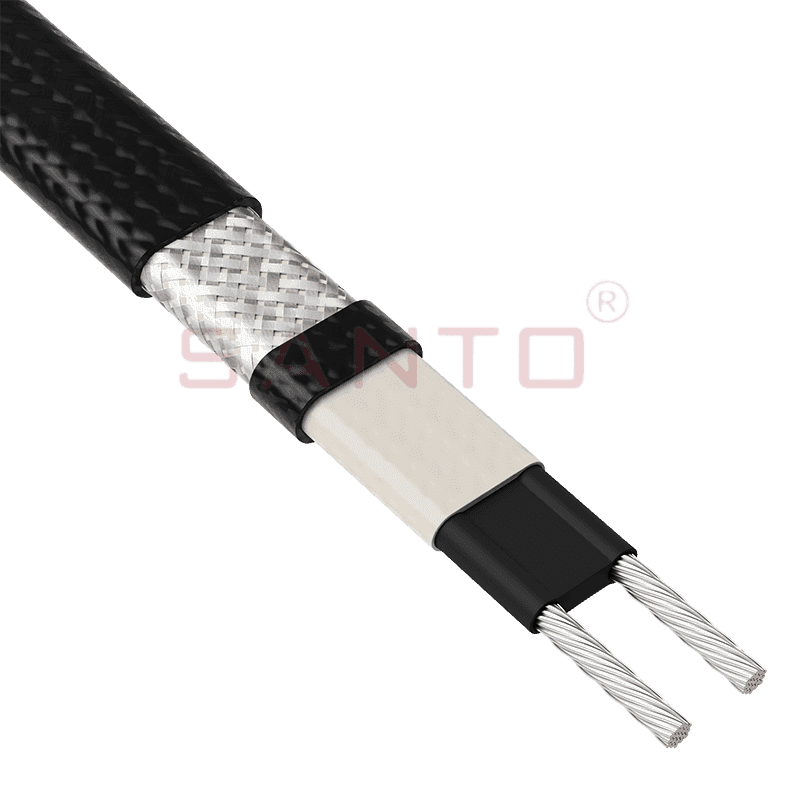
The SANTO UFA range of self-regulating heating cables is mainly used for frost protection of pipes and vessels but can also be used to maintain processes up to 65°C. These heating cables are available...
See Details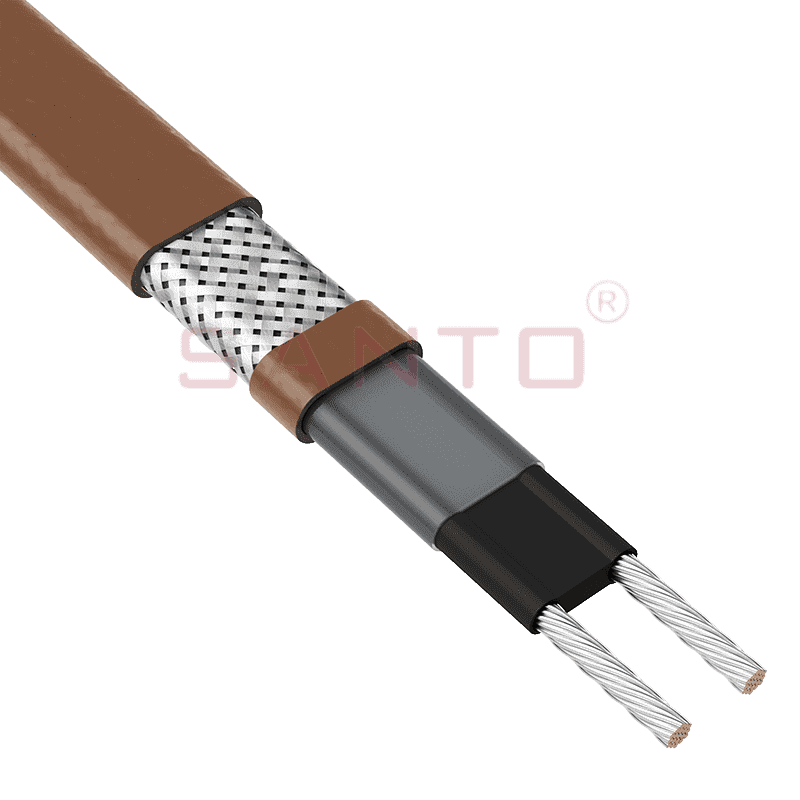
The SANTO UFB range of self-regulating heating cables is mainly used for frost protection of pipes and vessels requiring a higher power output than the UFA heating cables can supply. They can also be ...
See Details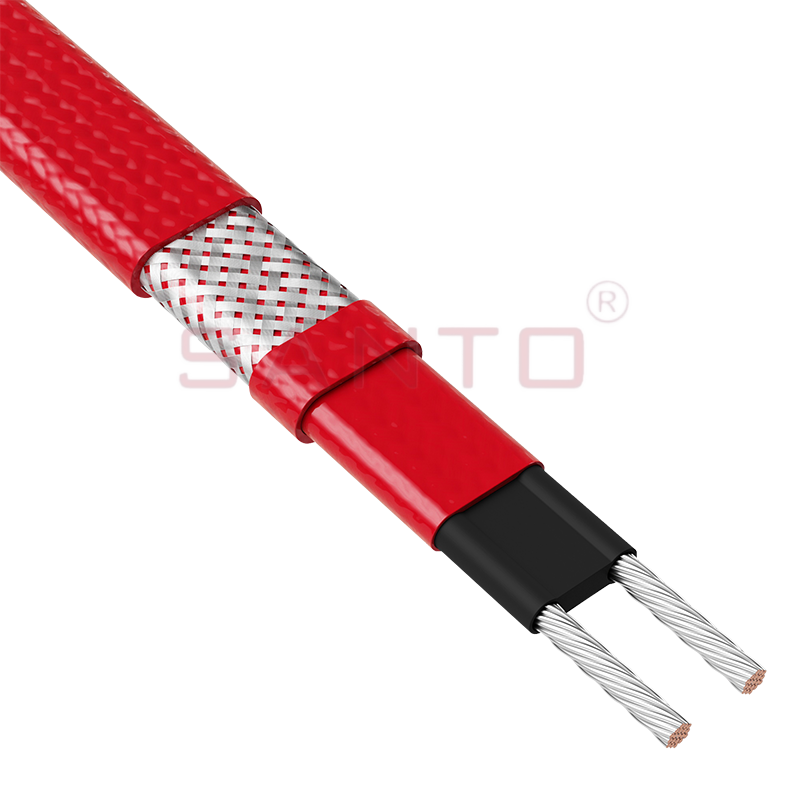
The SANTO UFC range of self-regulating heating cables is used for frost protection of pipes and vessels that require steam cleaning. They can also be used to maintain processes up to 121°C. These heat...
See Details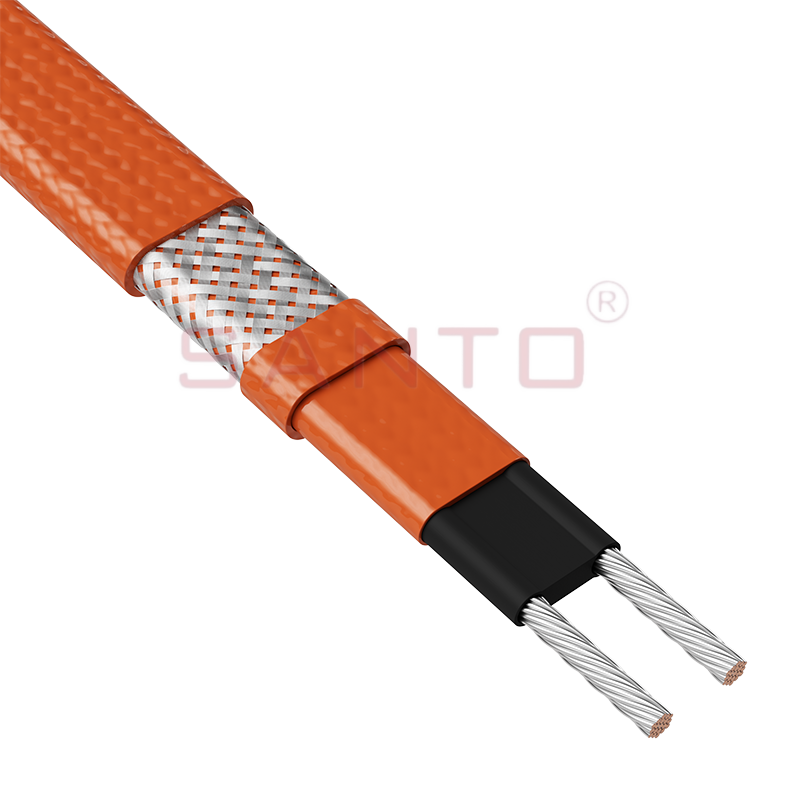
The SANTO UFO range of self-regulating heating cables is mainly used for frost protection of pipes and vessels that require steam cleaning . They can also be used to maintain processes up to 150°C. Th...
See Details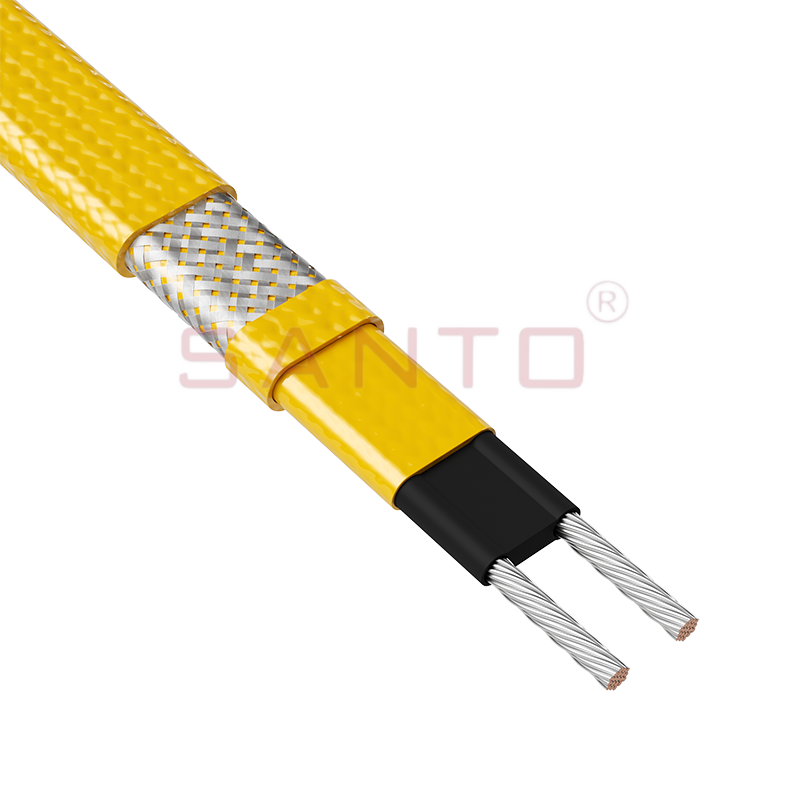
The SANTO UFD series of self-regulating heating cables are mainly used for freeze protection of pipes and vessels, but can also be used to maintain processes up to 200°C. These heating cables are avai...
See Details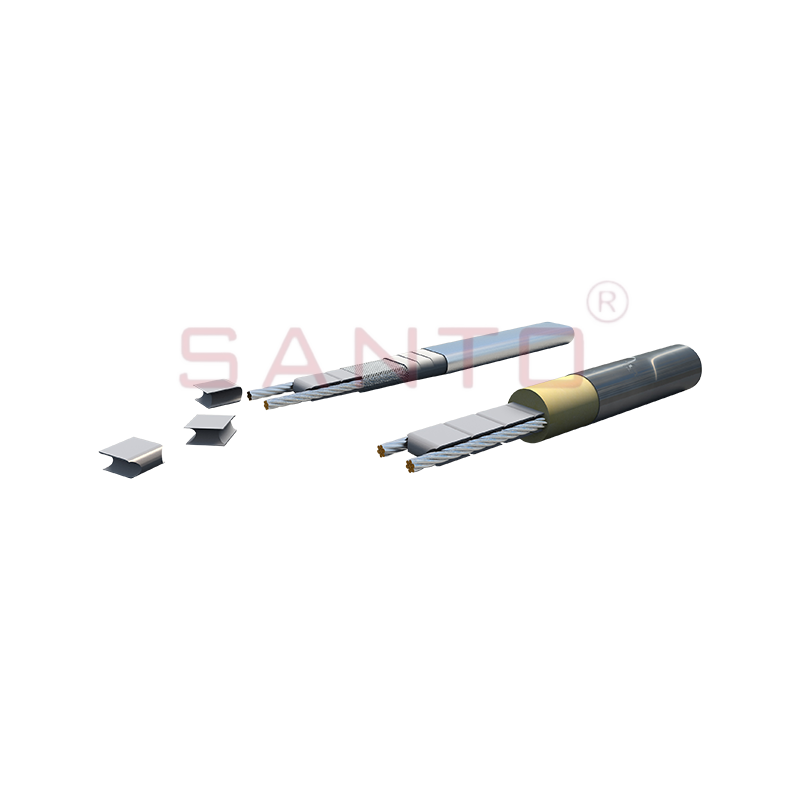
SANTO UFY heating wire is suitable for applications that maintain process temperatures up to 260 ℃ and can be steam blown; The self-regulating and parallel circuit heating wires of the UFY series are ...
See Details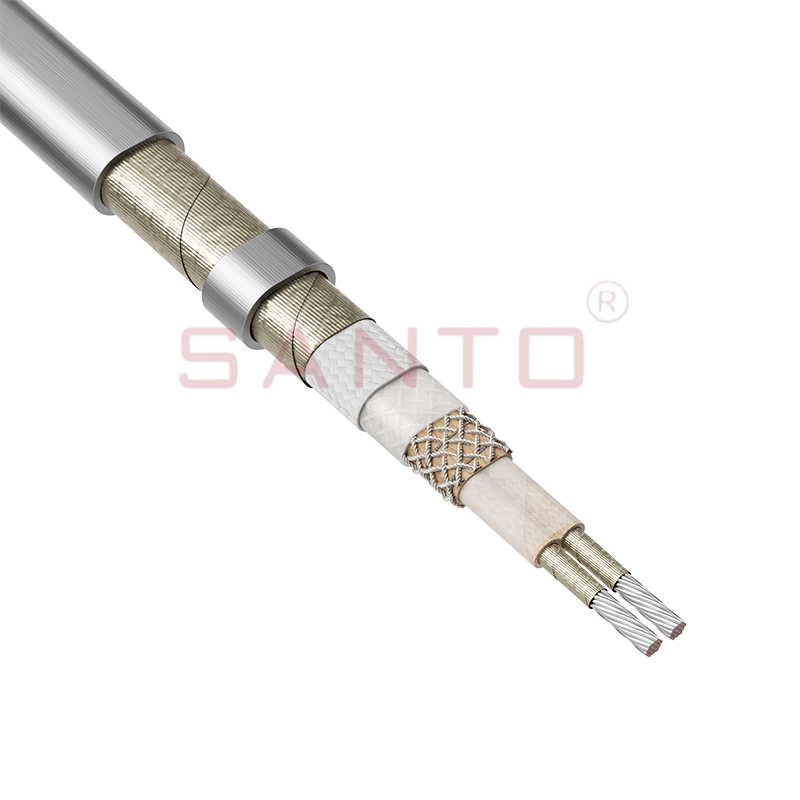
The SANTO UFM series self-regulating heating cables are mainly used for freeze protection of pipes and vessels, but can also be used to maintain processes up to 400°C. These heating cables are availab...
See Details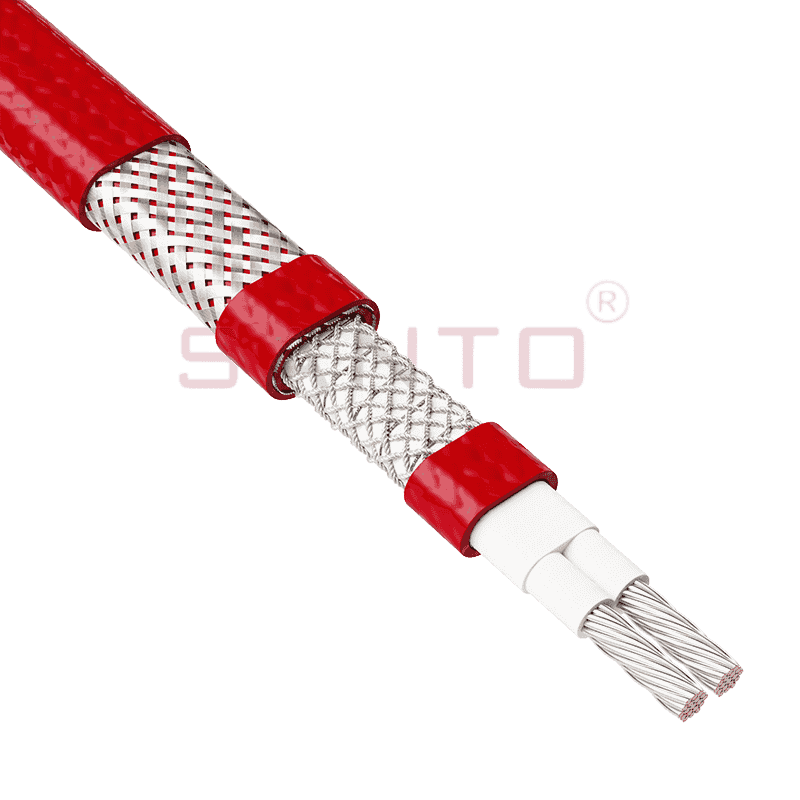
The SANTO ACC range of power-limiting heating cables is mainly used for temperature maintenance of processes and offers the advantage of a high power output at high temperatures which can reduce the n...
See Details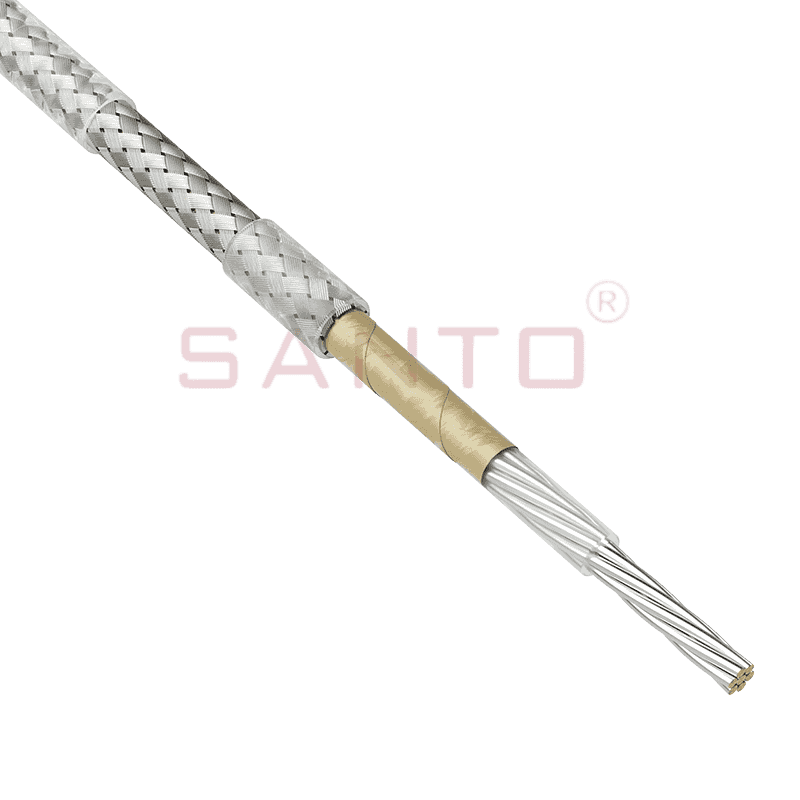
The stranded high temperature conductor is nickel plated to ensure a long life at elevated temperatures in corrosive environments. It is electrically isolated using an innovative sandwich construction...
See Details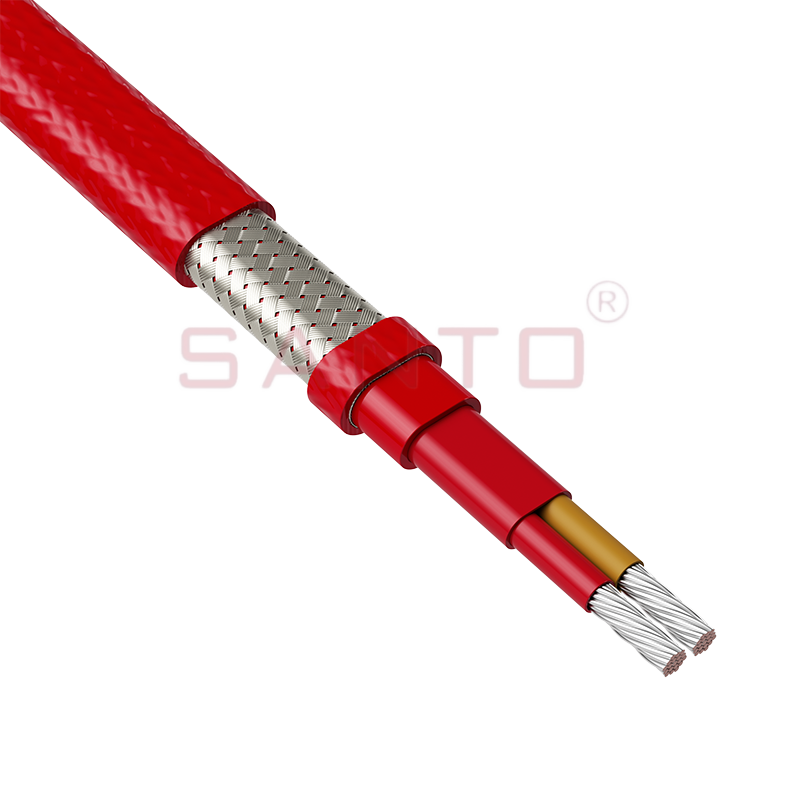
The stranded high temperature conductor is nickel plated to ensure a long life at elevated temperatures in corrosive environments. It is electrically isolated using an innovative sandwich construction...
See Details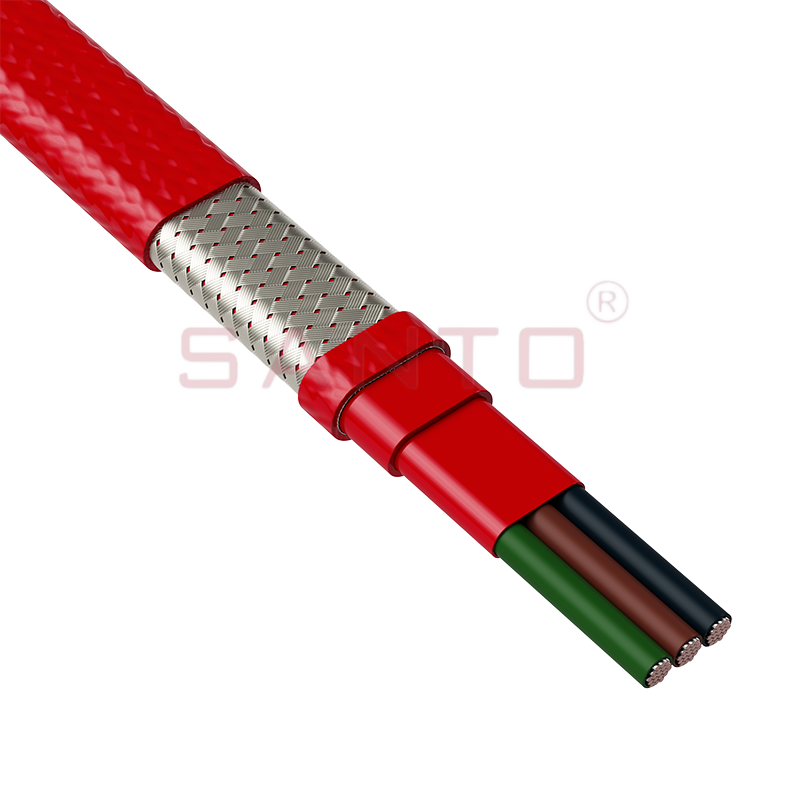
The stranded high temperature conductor is nickel plated to ensure a long life at elevated temperatures in corrosive environments. It is electrically isolated using an innovative sandwich construction...
See Details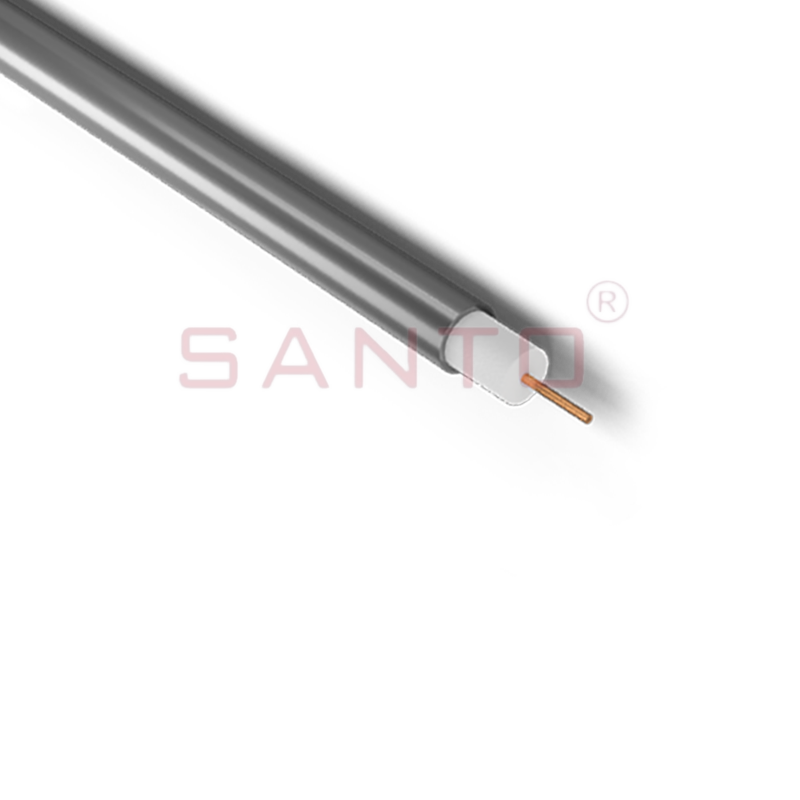
SANTO HAx mineral insulated (MI) Alloy 825 series heating cables are suitable for use in hazardous areas. They have been designed for use in freeze protection and temperature maintenance applications ...
See Details
Santo electric heating strips are widely used in key industries in China.

