English
  English
 русский
 日本語
日本語 Español
 中文简体
中文简体
A high temperature heating cable is an engineered electrical cable designed to generate heat for maintaining or raising the temperature of pipes, vessels, and equipment exposed to extreme heat, operating reliably even when the surrounding ambient temperature reaches several hundred degrees Celsius. It works on the fundamental principle of resistive heating, where an electrical current passing through a conductor or semiconductive polymer core creates heat that transfers directly to the surface it contacts, compensating for heat loss in demanding industrial processes. Knowing exactly what a high temperature heating cable is and how it functions allows engineers to specify the right heat-tracing solution for applications ranging from molten sulfur lines to chemical reactor vessels, ensuring freeze protection, viscosity control, and process integrity in environments where standard cables would fail instantly.
Content
- What Is a High Temperature Heating Cable?
- How Does a High Temperature Heating Cable Work?
- Main Types of High Temperature Heating Cables Compared
- Key Industrial Applications Demanding High Temperature Heating Cables
- How to Correctly Select and Size a High Temperature Heating Cable
- Frequently Asked Questions About High Temperature Heating Cables
- What is the difference between a high temperature heating cable and a regular heat tape?
- Can a high temperature heating cable be used in explosive atmospheres?
- How is the temperature controlled with a constant wattage heating cable?
- What is the typical lifespan of a properly installed high temperature heating cable?
- Can a high temperature heating cable be cut to length on site?
What Is a High Temperature Heating Cable?
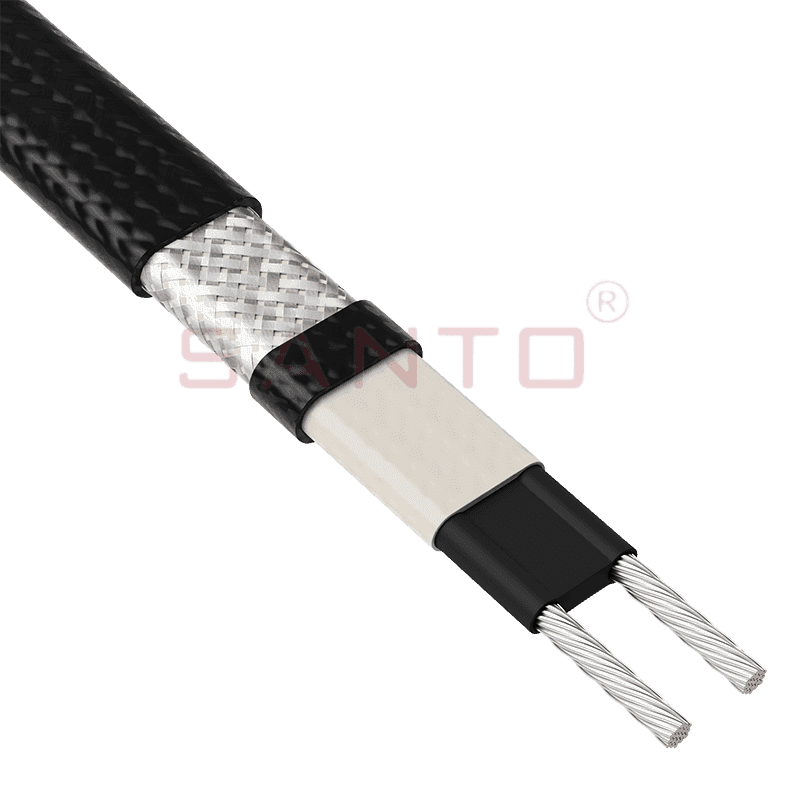
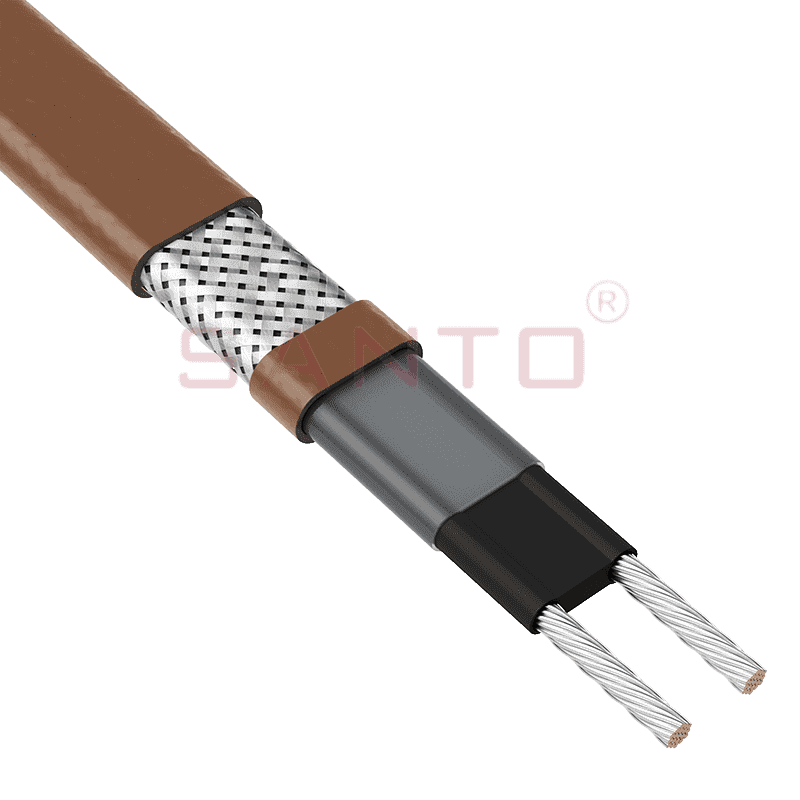
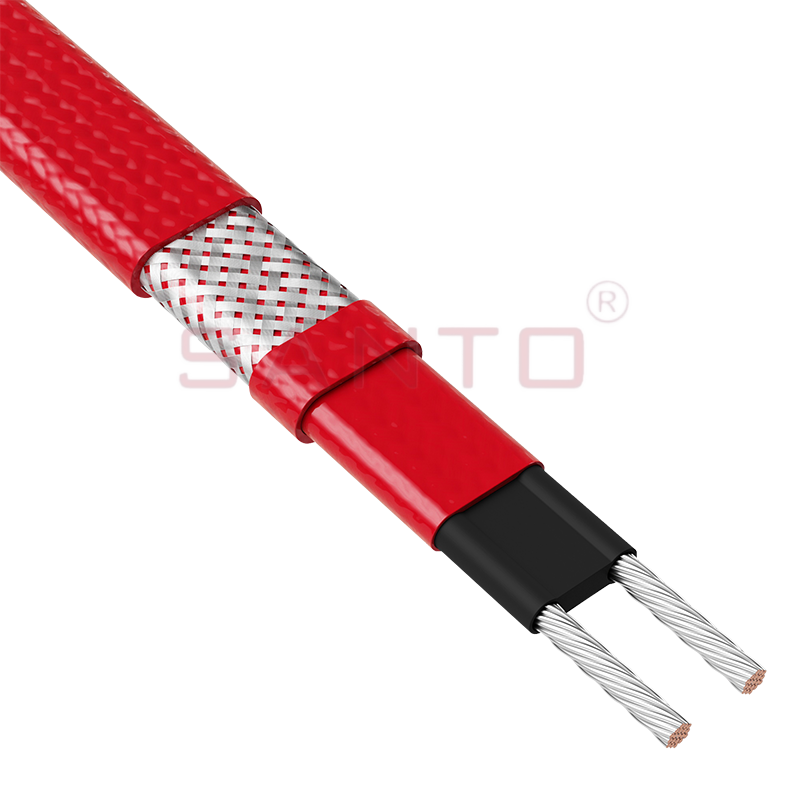
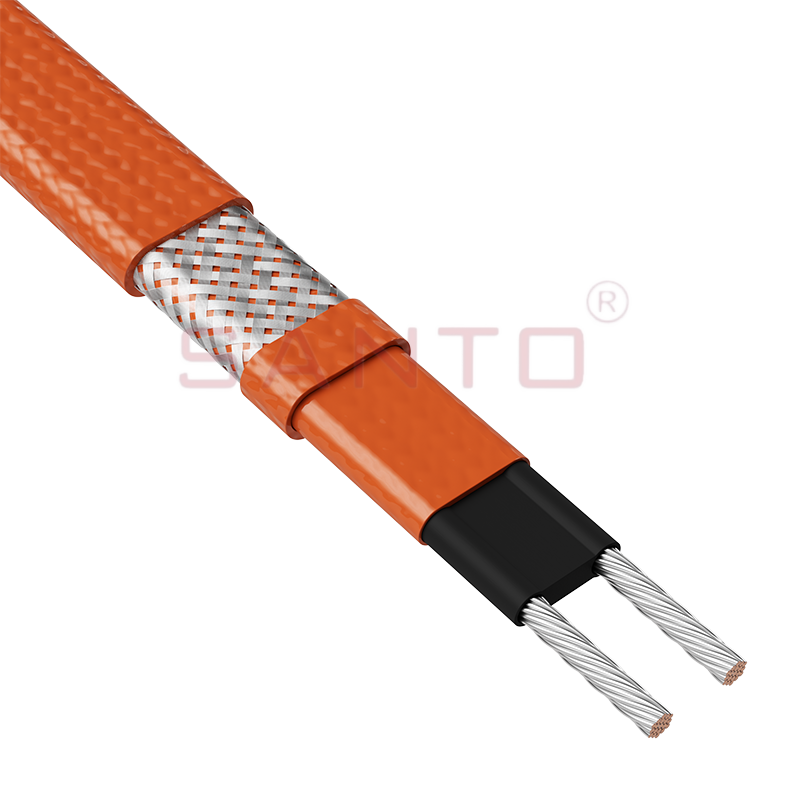
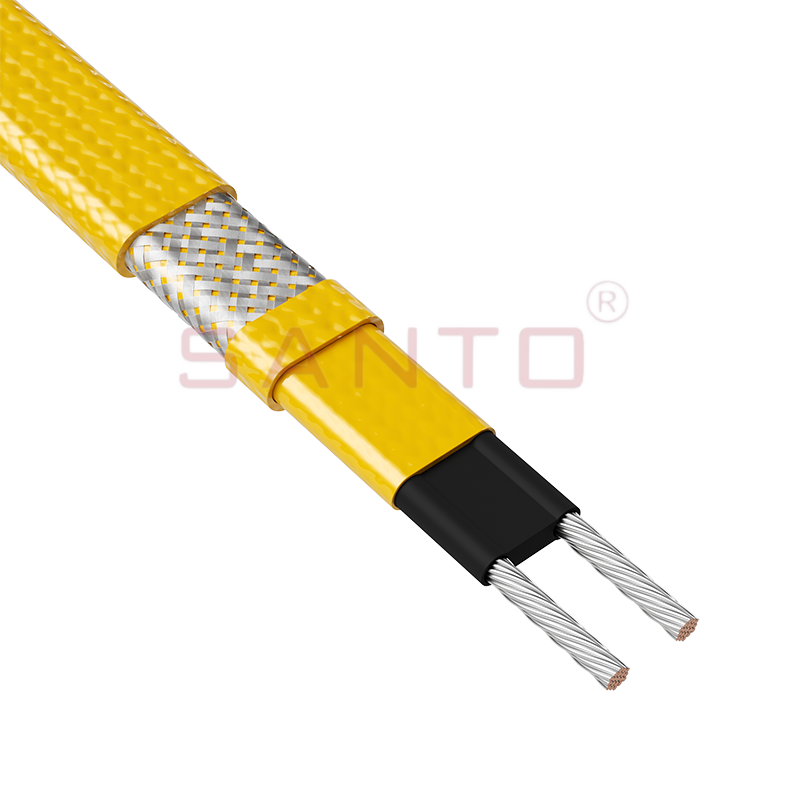
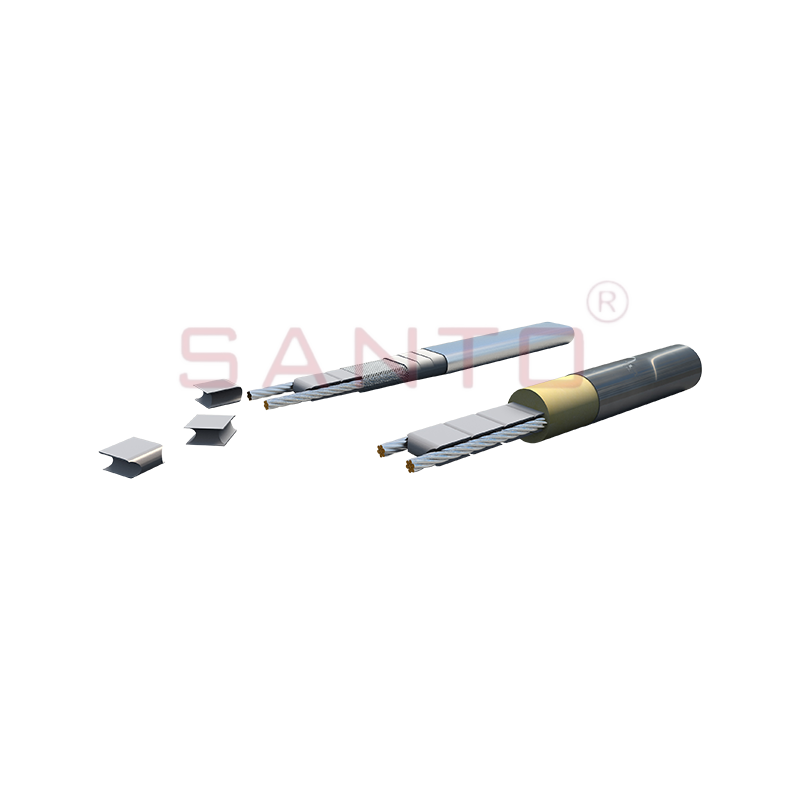
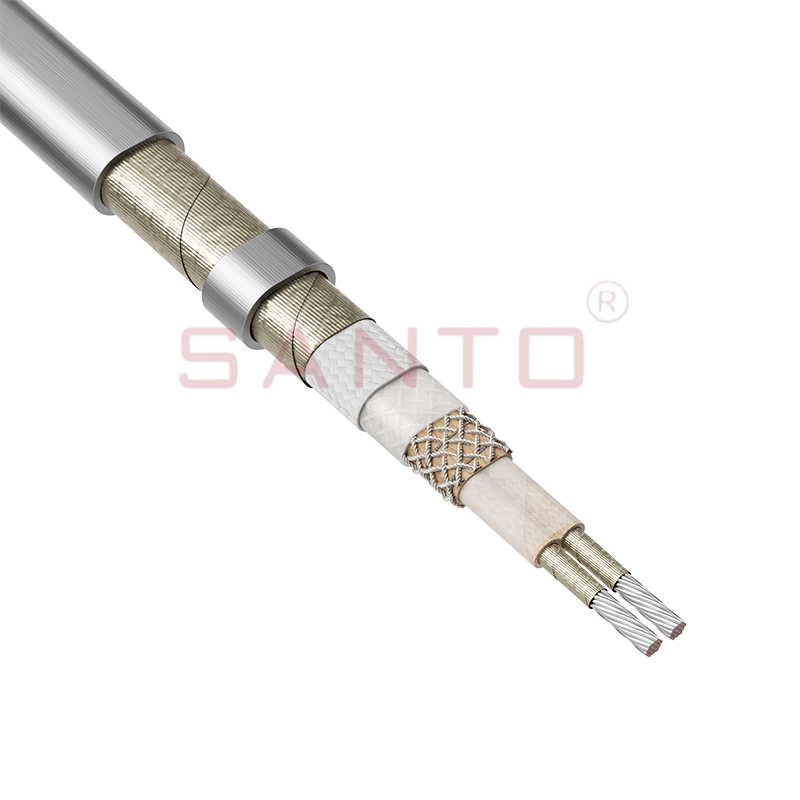
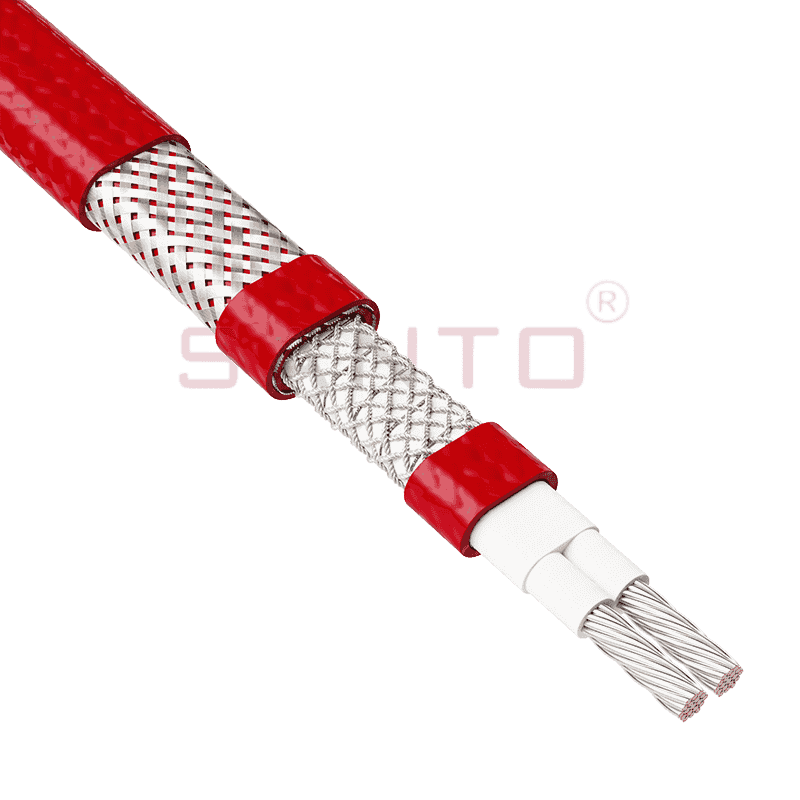
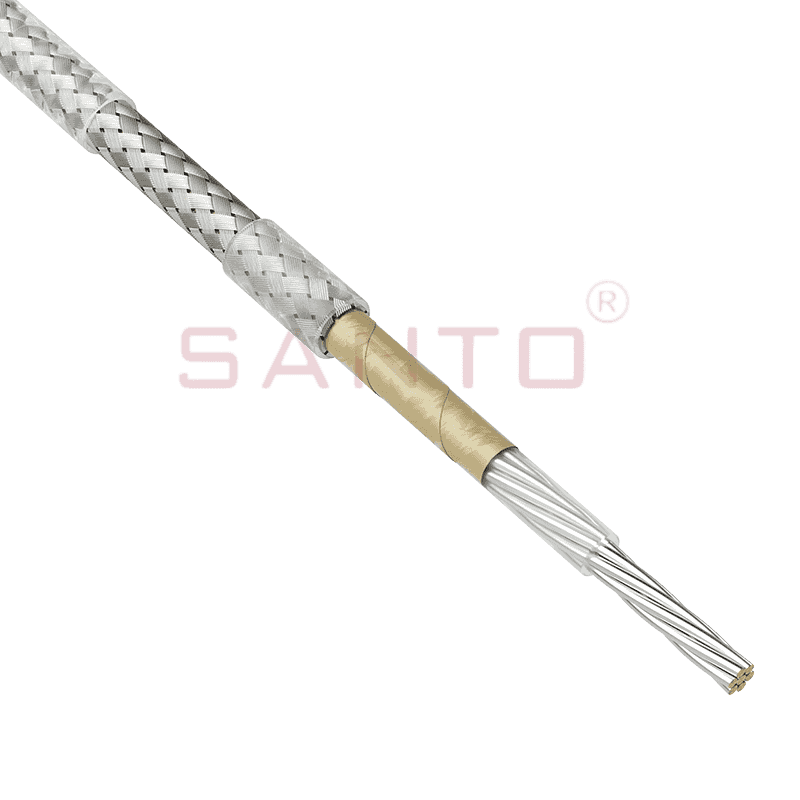
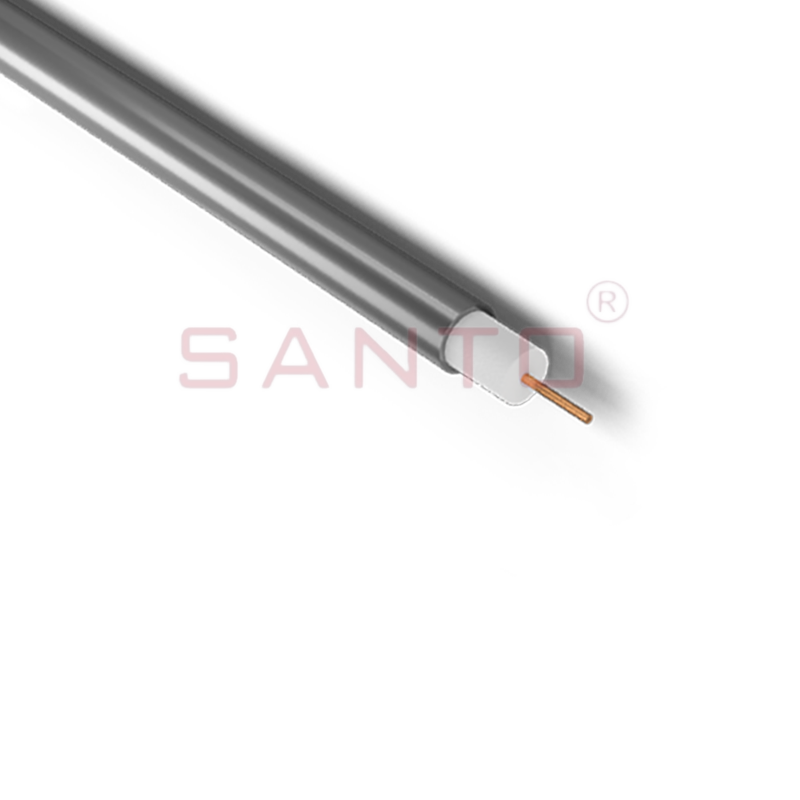
A high temperature heating cable is a heat-tracing element specifically constructed with insulation and outer sheath materials that can withstand continuous exposure to temperatures typically ranging from 150°C (302°F) up to 600°C (1,112°F) without breakdown. Unlike standard commercial or residential heating cables that use PVC or standard polyethylene jackets and soften or melt above 105°C, these industrial-grade cables employ silicone rubber, fluoropolymers such as FEP or PFA, or completely inorganic magnesium oxide insulation inside a metallic sheath. The most extreme version, the mineral insulated (MI) heating cable, consists of a solid nickel-chromium resistance wire surrounded by highly compacted magnesium oxide powder, all encased in a seamless Incoloy or stainless steel sheath. This construction is defined in international standard IEC 60079-30-1 for electrical resistance trace heating, which classifies cables for use in potentially explosive atmospheres and requires them to pass rigorous temperature cycling and dielectric strength tests. According to industrial heat-tracing manufacturer data compiled under this standard, an MI high temperature heating cable can safely operate with a sheath temperature of 600°C while maintaining a process temperature of 500°C, making it suitable for applications like steam superheating lines and liquid metal transport pipes.
How Does a High Temperature Heating Cable Work?
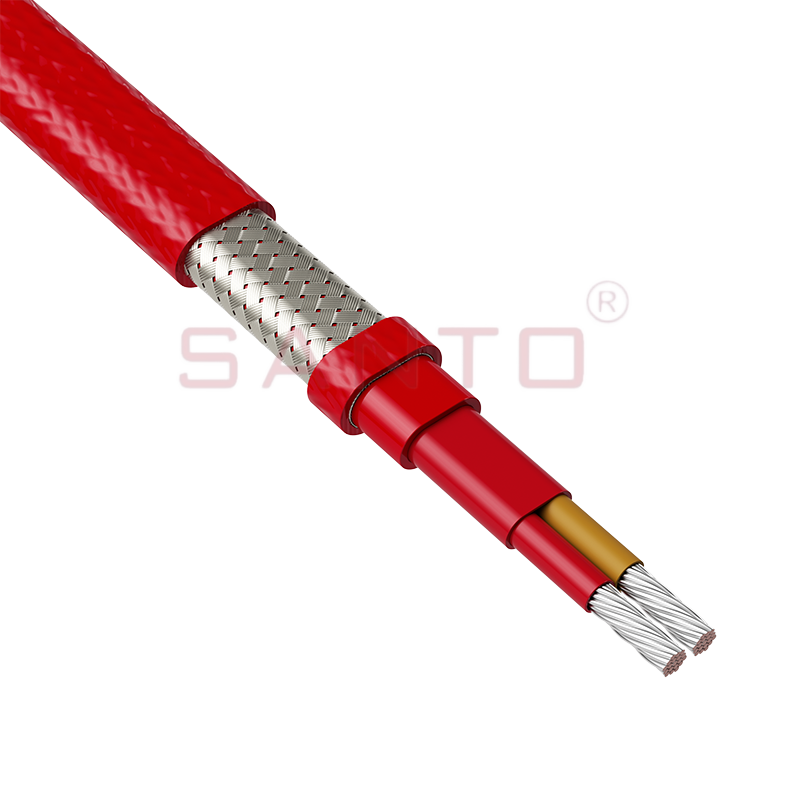
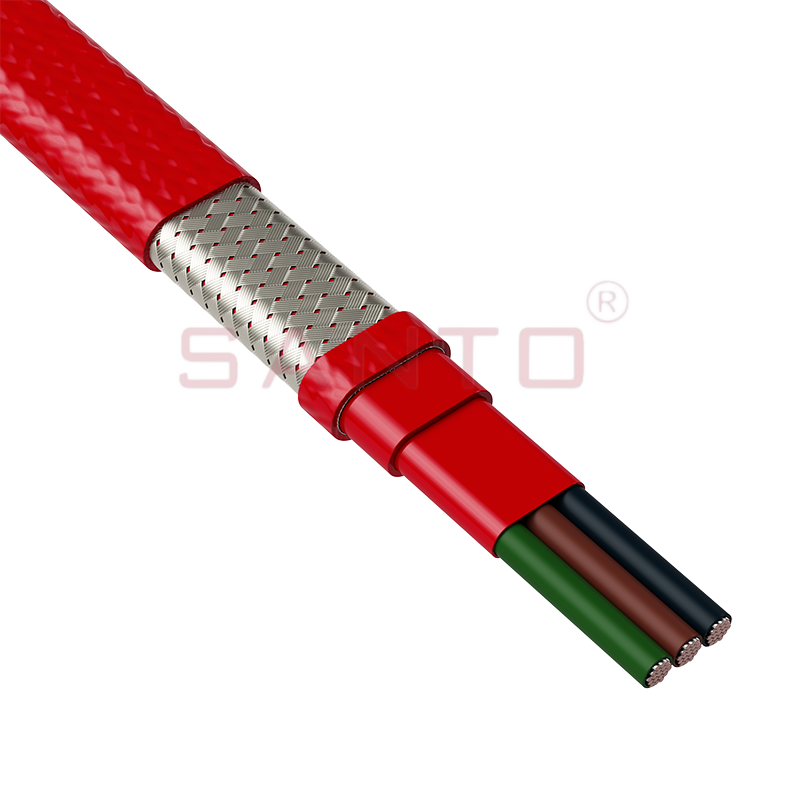
The working principle of a high temperature heating cable relies on Joule heating, where electrical energy dissipated by the resistive element converts directly to thermal energy that flows outward through the insulation and into the attached pipe or vessel wall. Power output is governed by Ohm's law and the cable's linear resistance, expressed as watts per foot or watts per meter. When an AC or DC voltage is applied, current flows through the heating element, producing heat at a rate proportional to the square of the current times the resistance. In a constant wattage cable, the heating element is a high-resistance alloy wire wound in a precise pattern, delivering a fixed wattage output regardless of the ambient temperature. A 200-meter run of such a cable might be designed to output 30 watts per meter, generating a total of 6,000 watts of thermal energy. This energy then raises the temperature of the pipe wall, and the attached insulation layer retains the heat, preventing the process fluid from cooling below its required temperature.
The cable also incorporates an important safety mechanism: the outer metal sheath or braid serves as the ground path, so if the cable is physically damaged or insulation degrades, a ground fault occurs and the protective circuit breaker or ground-fault protection device interrupts the power before arcs or fires develop. In self-regulating types, the heating element itself acts as a passive control device. The semiconductive polymer core, which is a blend of carbon black and a high-temperature polymer, increases its electrical resistance as the temperature rises. At 100°C, the core might have a resistance that yields an output of 10 watts per foot, but at 150°C, the resistance rises sharply and the power output drops to 3 watts per foot, effectively preventing overheating without any external thermostat. This self-limiting characteristic is especially valuable for protecting temperature-sensitive fluids during steam-out or high-temperature cleaning procedures.
Main Types of High Temperature Heating Cables Compared
Selecting the right high temperature heating cable requires matching the cable construction to the required maximum exposure temperature, the need for constant or self-regulating power output, and the mechanical demands of the installation environment. The table below outlines the essential differences between the three major categories found in industrial plants worldwide.
| Cable Type | Max Exposure Temp. | Typical Output Range | Self-Regulating | Primary Application |
|---|---|---|---|---|
| Self-Regulating High Temp Cable | 200°C (392°F) power on | 10–30 W/ft at 10°C | Yes | Pipe freeze protection, medium-temp vessels |
| Constant Wattage Cable | 250°C (482°F) power on | 5–30 W/ft (fixed) | No (needs controller) | Long pipe runs, uniform heating required |
| Mineral Insulated (MI) Cable | 600°C (1,112°F) continuous | Up to 60 W/ft (custom) | No (needs controller) | High-temp process lines, reactor vessels |
Key Industrial Applications Demanding High Temperature Heating Cables
High temperature heating cables are indispensable in petrochemical plants, power generation facilities, and manufacturing sites where process fluids must be kept at elevated temperatures to remain pumpable or to prevent unwanted chemical reactions. The most demanding applications involve continuous exposure temperatures that would destroy standard cables within hours. Examples include:
- Molten sulfur and asphalt lines: Sulfur solidifies below 119°C (246°F), so pipes carrying it must be maintained above that temperature. MI cables often run at 180-200°C to keep sulfur liquid, with heat-up capability to melt solidified sulfur during cold starts.
- Chemical reactor vessels: Exothermic reactions can push vessel wall temperatures past 300°C, where a constant wattage cable with a high-temperature fluoropolymer jacket or an MI cable provides the robustness to survive the heat while preventing reactant solidification on the interior wall.
- Steam superheating and condensate lines: Superheated steam pipes exceeding 400°C require an MI cable strapped to the pipe to prevent condensation during low-flow conditions, maintaining plant startup readiness at all times.
- Food processing and plastics extrusion: Melted chocolate, syrup, and plastic resin all require precise temperature control between 40°C and 150°C. A self-regulating high temperature heating cable can closely hold the setpoint without hot spots that would scorch the product.
How to Correctly Select and Size a High Temperature Heating Cable
Properly engineering a high temperature heating cable system requires an accurate heat-loss calculation for the pipe or vessel under worst-case ambient conditions, combined with a thorough understanding of the maximum exposure temperature the cable will encounter during operation and any potential temperature excursions. The process begins with determining the required maintenance temperature of the process. For a heavy fuel oil pipe, this might be 60°C; for a steam line, it could be 200°C. Next, calculate the heat loss per linear foot using the pipe diameter, insulation thickness and type, and the lowest expected ambient temperature. Standard heat transfer formulas based on ASTM C680 yield the watt density needed to maintain the temperature. For example, a 6-inch diameter pipe insulated with 2 inches of mineral wool and exposed to -20°C wind might require 15 watts per foot to maintain 150°C. The chosen cable must deliver at least that output at the maintenance temperature.
However, the maximum exposure temperature of the cable must exceed the highest temperature the pipe will ever reach, such as during steam purging where the pipe wall may hit 250°C. If a self-regulating cable with a maximum exposure limit of 200°C is used, it will fail during the steam-out. Only an MI or specially rated constant wattage cable rated for 260°C or higher can survive. Additionally, the cable length must be limited by the voltage drop and the maximum circuit length the cable manufacturer specifies. For a 120-volt constant wattage cable with a starting current of 0.15 amps per foot at 10°C, the maximum circuit length might be limited to 600 feet to keep the voltage drop under 10% and prevent nuisance breaker trips. Careful attention to these electrical limits during the design phase ensures the installed high temperature heating cable system operates reliably for decades.
Frequently Asked Questions About High Temperature Heating Cables
What is the difference between a high temperature heating cable and a regular heat tape?
Regular heat tape sold for residential roof de-icing or pipe freeze protection typically uses a PVC jacket rated for 60°C to 80°C maximum exposure. A high temperature heating cable uses silicone, fluoropolymer, or metal sheaths that can tolerate 150°C to 600°C without melting or degrading, and its internal heating element is engineered for constant, safe operation in industrial environments far beyond the capability of any consumer product.
Can a high temperature heating cable be used in explosive atmospheres?
Yes, provided the cable assembly carries an ATEX, IECEx, or equivalent certification for the specific hazardous zone classification. MI cables with proper termination glands and constant wattage cables enclosed in a robust outer braid can be certified for use in Zone 1 and Zone 2 areas containing flammable gases or dust. The certification ensures that the cable surface temperature remains below the auto-ignition temperature of the surrounding atmosphere under both normal and fault conditions.
How is the temperature controlled with a constant wattage heating cable?
Since constant wattage cables output a fixed watt density regardless of temperature, an external temperature controller and a sensor mounted on the pipe surface are required. The controller cycles the power on and off to maintain the setpoint temperature. For a critical process, a redundant controller setup with an alarm relay ensures that a controller failure does not lead to a frozen or overheated line. Self-regulating cables, by contrast, reduce their output automatically and typically need only a ground-fault protection device, not a thermostat, although a controller is often added for precision.
What is the typical lifespan of a properly installed high temperature heating cable?
Mineral insulated cables, when correctly installed with sealed terminations, can last 30 years or more because the inorganic MgO insulation does not degrade with age. Self-regulating and polymer-jacketed constant wattage cables have a shorter expected lifespan of 15 to 25 years, limited by the gradual oxidation and embrittlement of the polymer core and jacket at elevated temperatures. Routine insulation resistance testing and visual inspection of the terminations every two to three years help detect early signs of aging and prevent unexpected failures.
Can a high temperature heating cable be cut to length on site?
Self-regulating heating cables can be cut to the exact required length in the field without affecting the heat output per foot, making them very versatile for complex pipe geometries. Constant wattage series resistance cables, on the other hand, are manufactured to a specific length and resistance and cannot be cut; doing so would change the total circuit resistance and potentially burn out the cable or deliver no heat. MI cables are factory-terminated to the precise length ordered because the termination process involves special tools and epoxy sealing to keep moisture out of the magnesium oxide insulation.
Understanding what a high temperature heating cable is and how it operates reveals a sophisticated thermal management tool that keeps the most demanding industrial processes flowing. Matching the cable type to the maximum exposure temperature and required watt density ensures a safe, efficient, and long-lasting heat-tracing system, whether the goal is to prevent molten sulfur from solidifying or to maintain perfect chocolate viscosity in a food plant.