 English
  English
 русский
 日本語
日本語 Español
 中文简体
中文简体The SANTO UFA range of self-regulating heating cables is mainly used for frost protection of pipes and vessels but can also be used to maintain processes up to 65°C. These heating cables are available...
See Details
As industrial systems become more complex and energy efficiency standards continue to rise, Self-Regulating Heat Tracing Cables are gaining widespread attention for their ability to deliver reliable, adaptive, and cost-effective temperature control. Unlike traditional constant-wattage heating solutions, these cables automatically adjust their heat output in response to ambient temperature changes, making them suitable for a wide range of industries with diverse operational demands.
From heavy industrial processing to commercial infrastructure and residential safety applications, Self-Regulating Heat Tracing Cables are now considered a strategic investment rather than an optional accessory.
Content
Self-Regulating Heat Tracing Cables use a conductive polymer core placed between two parallel bus wires. As temperatures decrease, the polymer contracts, allowing more electrical current to flow and generating additional heat. When temperatures rise, the polymer expands, reducing electrical flow and heat output.
Compared with constant-wattage or mineral-insulated cables, self-regulating solutions offer several technical and economic advantages:
The oil and gas sector operates in some of the harshest environments on earth, where maintaining process temperatures is critical. Self-Regulating Heat Tracing Cables play a vital role in preventing wax formation, hydrate buildup, and freezing in pipelines and valves.
Compared to steam tracing, self-regulating systems offer improved safety, reduced maintenance, and lower operating costs.
Chemical plants require precise temperature control to ensure reaction stability and material integrity. Self-Regulating Heat Tracing Cables help maintain uniform temperatures without the risk of localized overheating.
Their self-limiting nature reduces the risk of thermal degradation and improves compliance with safety regulations.
Power plants rely on uninterrupted operation, even in extreme weather conditions. Self-Regulating Heat Tracing Cables ensure that critical components remain functional during cold weather.
When compared to traditional resistance heaters, self-regulating systems provide more consistent heat distribution and reduce energy waste.
Municipal and industrial water systems are particularly vulnerable to freezing. Self-Regulating Heat Tracing Cables are widely used to protect pipes, valves, and instrumentation.
The automatic adjustment feature minimizes operating costs while maintaining system reliability.
Hygiene, consistency, and temperature control are essential in food production. Self-Regulating Heat Tracing Cables help maintain product quality without compromising safety standards.
Compared to constant-output heating methods, self-regulating cables reduce the risk of scorching or product separation.
Pharmaceutical production demands precise thermal stability. Self-Regulating Heat Tracing Cables support critical processes while meeting strict regulatory requirements.
The ability to self-adjust ensures uniform heating and minimizes validation challenges.
In commercial and residential settings, Self-Regulating Heat Tracing Cables enhance safety and energy efficiency, especially in cold climates.
These systems operate only when needed, offering clear advantages over fixed-output heating solutions.
Transportation networks must remain operational year-round. Self-Regulating Heat Tracing Cables support infrastructure resilience.
Their durability and adaptability make them suitable for outdoor and high-exposure environments.
| Feature | Self-Regulating Heat Tracing Cables | Constant-Wattage Cables |
|---|---|---|
| Heat Output Control | Automatically adjusts | Fixed output |
| Energy Efficiency | High | Moderate to low |
| Overheating Risk | Very low | Higher |
| Installation Flexibility | Excellent | Limited |
Stricter energy efficiency standards worldwide are encouraging industries to adopt Self-Regulating Heat Tracing Cables as a sustainable heating solution.
Self-regulating technology reduces fire hazards and equipment damage, supporting safer industrial operations.
Reduced maintenance, longer service life, and optimized energy usage contribute to lower total ownership costs.
Their ability to limit heat output automatically prevents overheating, even when cables overlap or are exposed to fluctuating temperatures.
Yes, these cables can be cut to the required length on-site, offering greater installation flexibility.
Many designs are certified for hazardous and explosive environments, making them suitable for oil, gas, and chemical facilities.
With proper installation and maintenance, service life can exceed 10–20 years depending on operating conditions.
While they self-adjust, thermostats or controllers are often used to further optimize energy usage and monitoring.
As industries continue to prioritize energy efficiency, safety, and operational reliability, Self-Regulating Heat Tracing Cables are expected to see continued adoption across both traditional and emerging sectors. Advances in polymer materials, digital monitoring, and smart control systems will further enhance their performance and expand their application scope.
Across industrial processing, infrastructure development, and commercial construction, these adaptive heating solutions are becoming a foundational component of modern thermal management strategies.
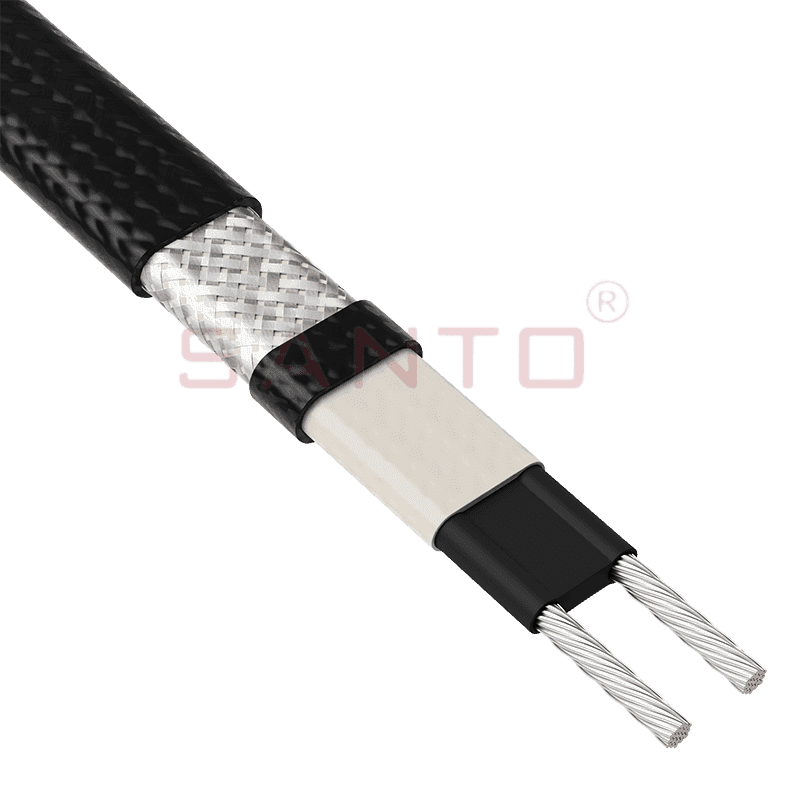
The SANTO UFA range of self-regulating heating cables is mainly used for frost protection of pipes and vessels but can also be used to maintain processes up to 65°C. These heating cables are available...
See Details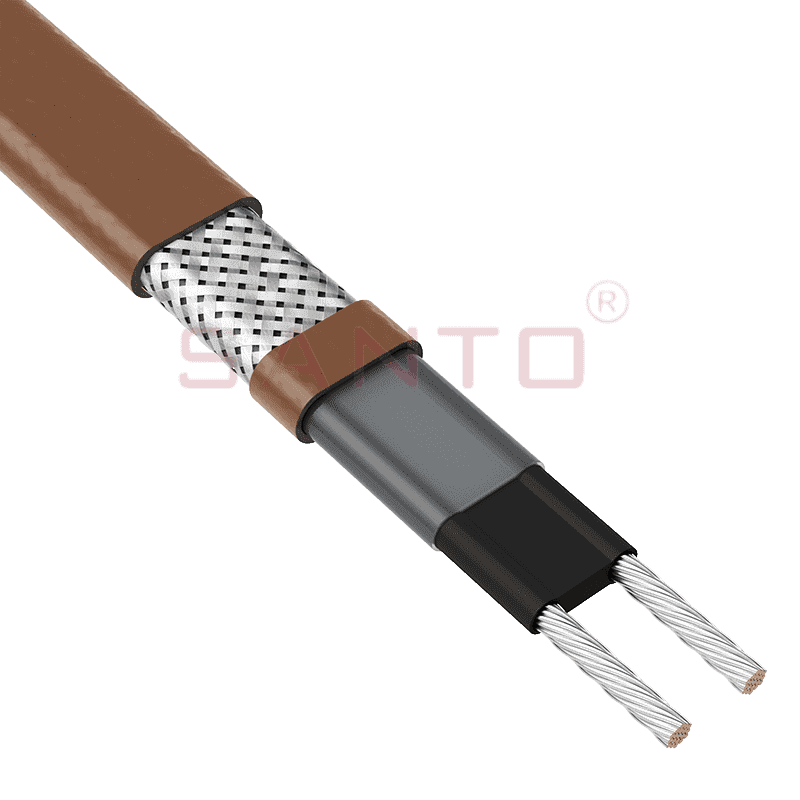
The SANTO UFB range of self-regulating heating cables is mainly used for frost protection of pipes and vessels requiring a higher power output than the UFA heating cables can supply. They can also be ...
See Details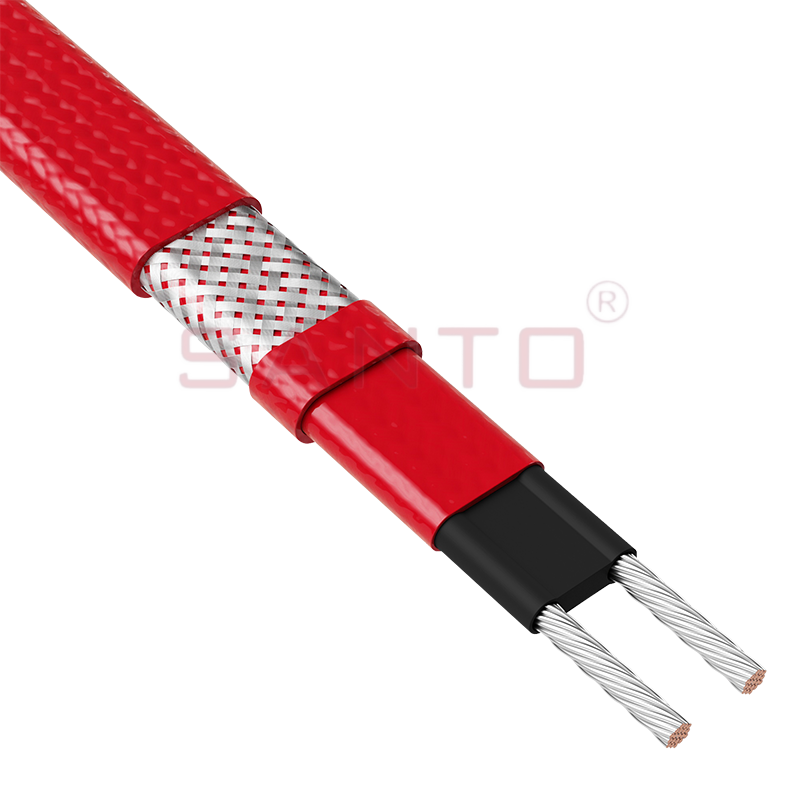
The SANTO UFC range of self-regulating heating cables is used for frost protection of pipes and vessels that require steam cleaning. They can also be used to maintain processes up to 121°C. These heat...
See Details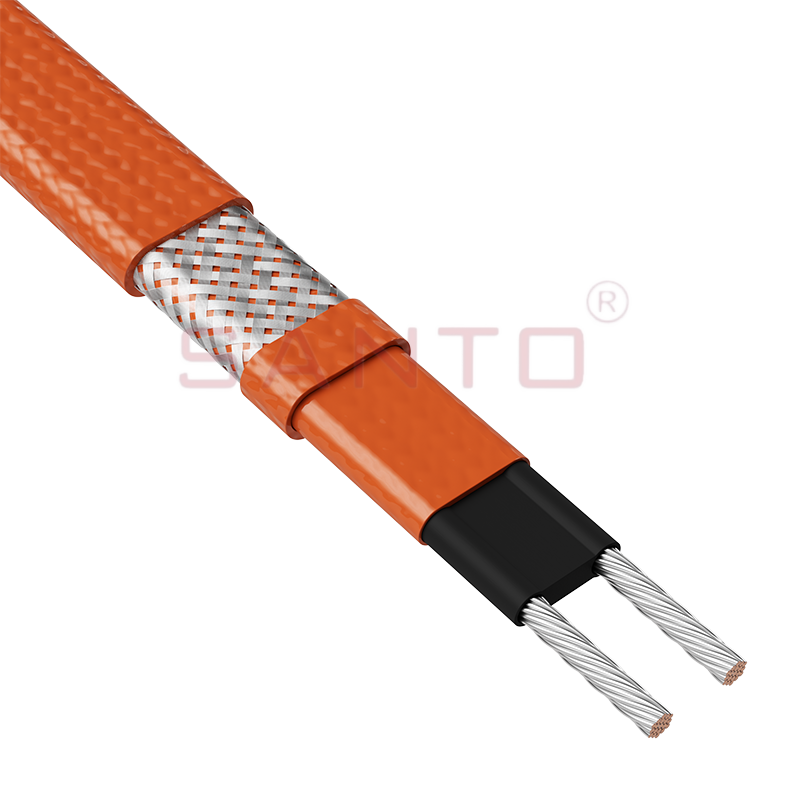
The SANTO UFO range of self-regulating heating cables is mainly used for frost protection of pipes and vessels that require steam cleaning . They can also be used to maintain processes up to 150°C. Th...
See Details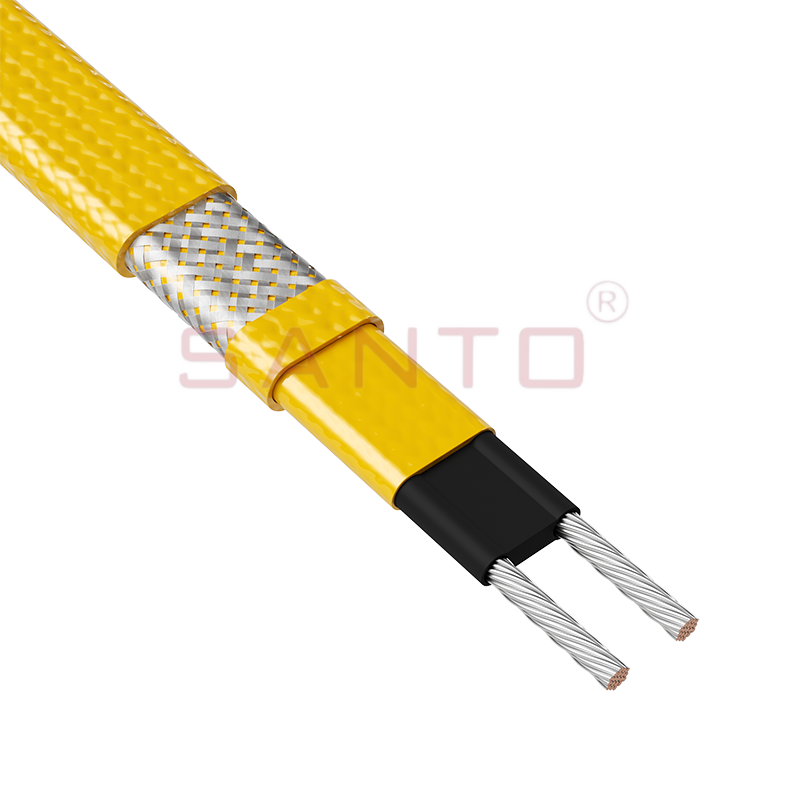
The SANTO UFD series of self-regulating heating cables are mainly used for freeze protection of pipes and vessels, but can also be used to maintain processes up to 200°C. These heating cables are avai...
See Details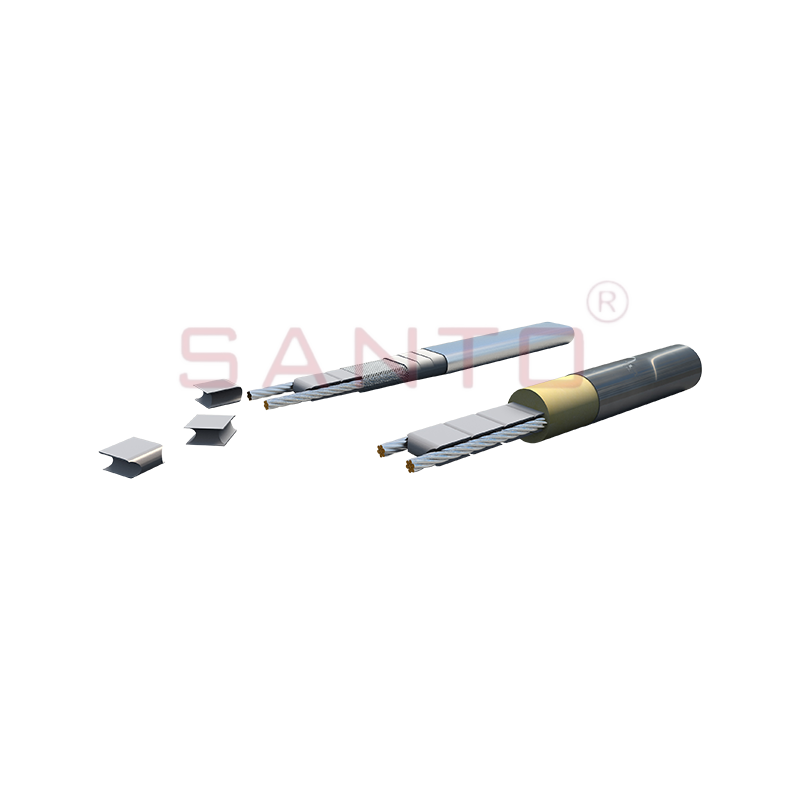
SANTO UFY heating wire is suitable for applications that maintain process temperatures up to 260 ℃ and can be steam blown; The self-regulating and parallel circuit heating wires of the UFY series are ...
See Details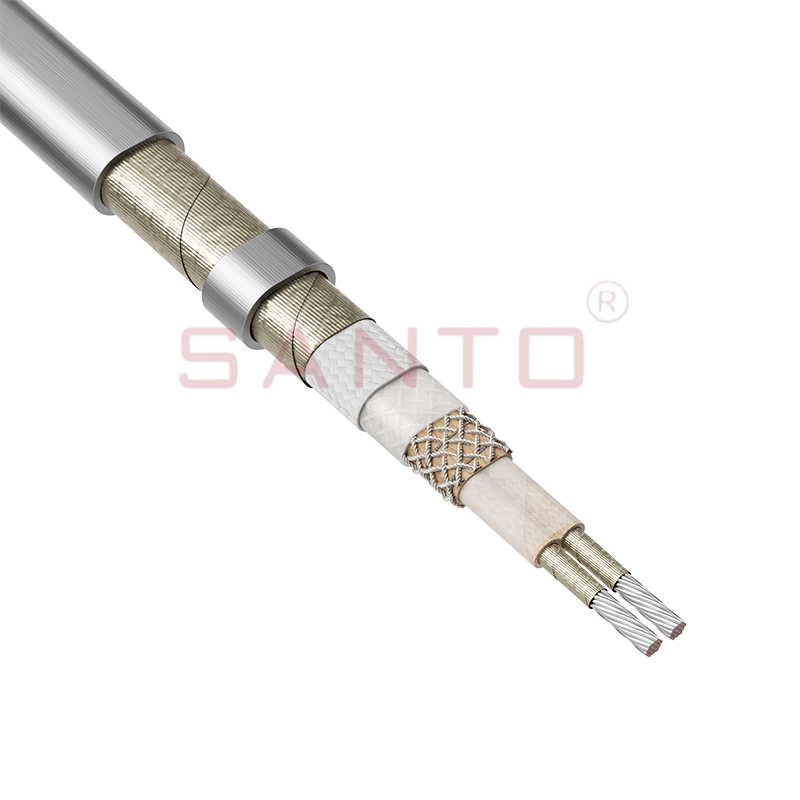
The SANTO UFM series self-regulating heating cables are mainly used for freeze protection of pipes and vessels, but can also be used to maintain processes up to 400°C. These heating cables are availab...
See Details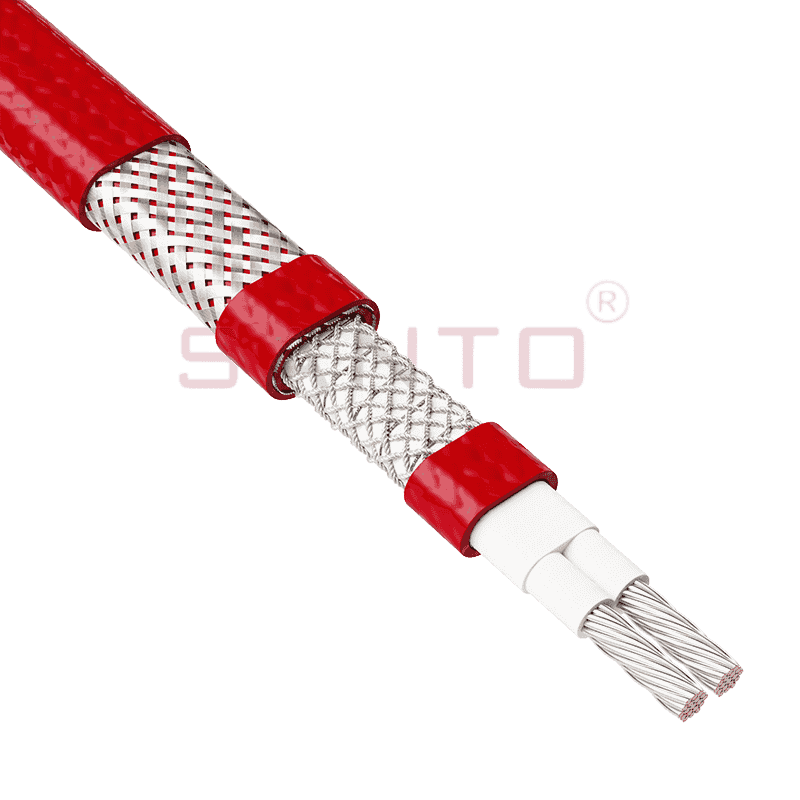
The SANTO ACC range of power-limiting heating cables is mainly used for temperature maintenance of processes and offers the advantage of a high power output at high temperatures which can reduce the n...
See Details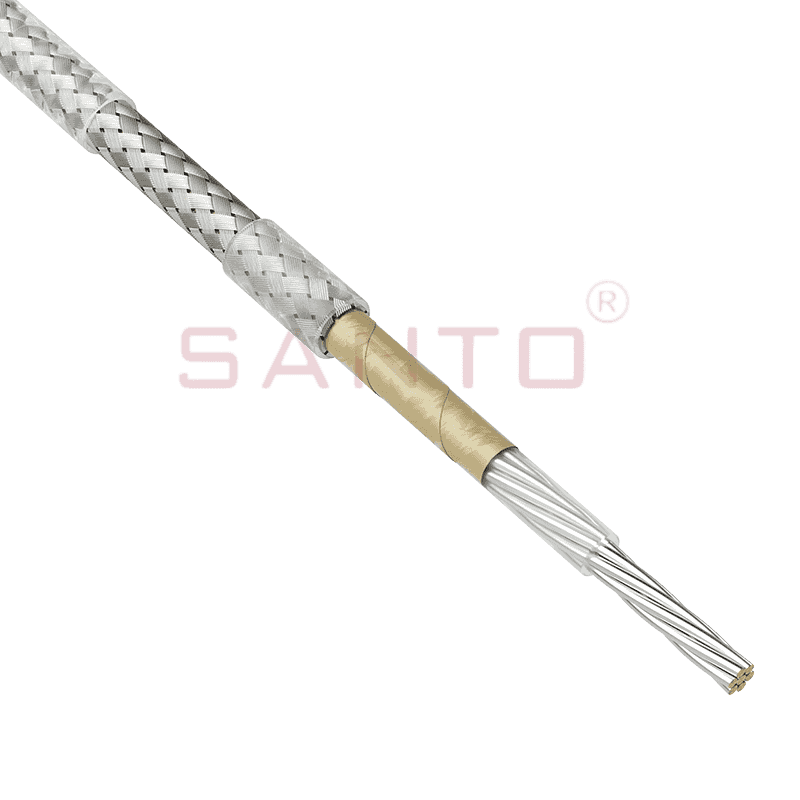
The stranded high temperature conductor is nickel plated to ensure a long life at elevated temperatures in corrosive environments. It is electrically isolated using an innovative sandwich construction...
See Details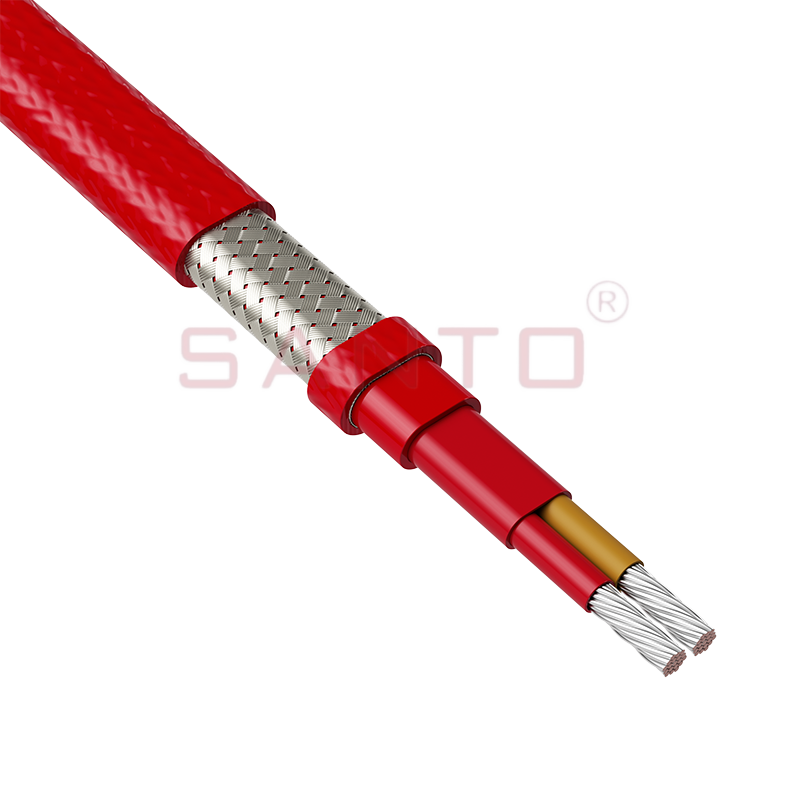
The stranded high temperature conductor is nickel plated to ensure a long life at elevated temperatures in corrosive environments. It is electrically isolated using an innovative sandwich construction...
See Details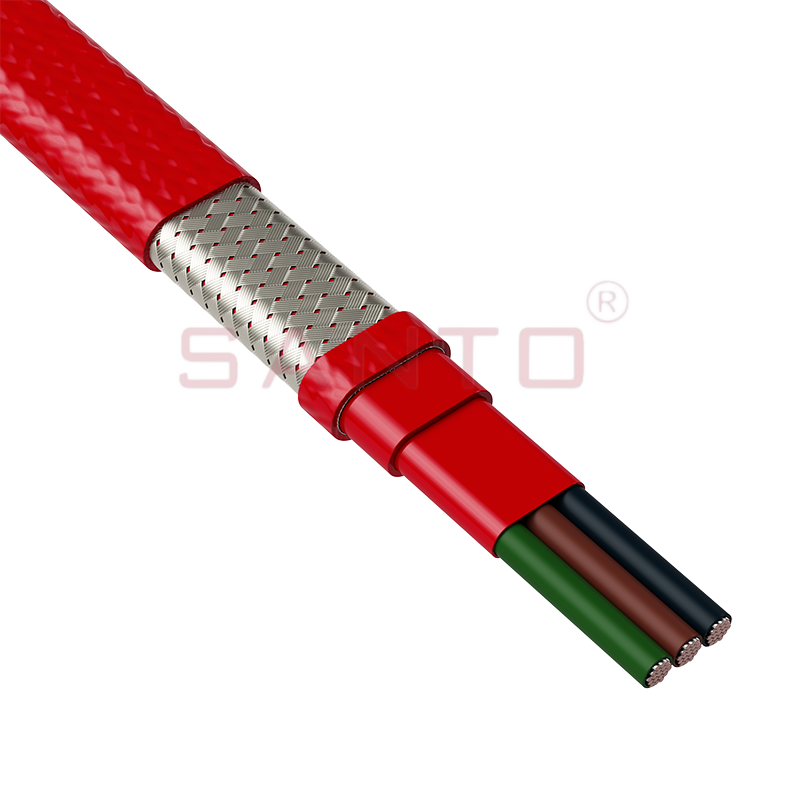
The stranded high temperature conductor is nickel plated to ensure a long life at elevated temperatures in corrosive environments. It is electrically isolated using an innovative sandwich construction...
See Details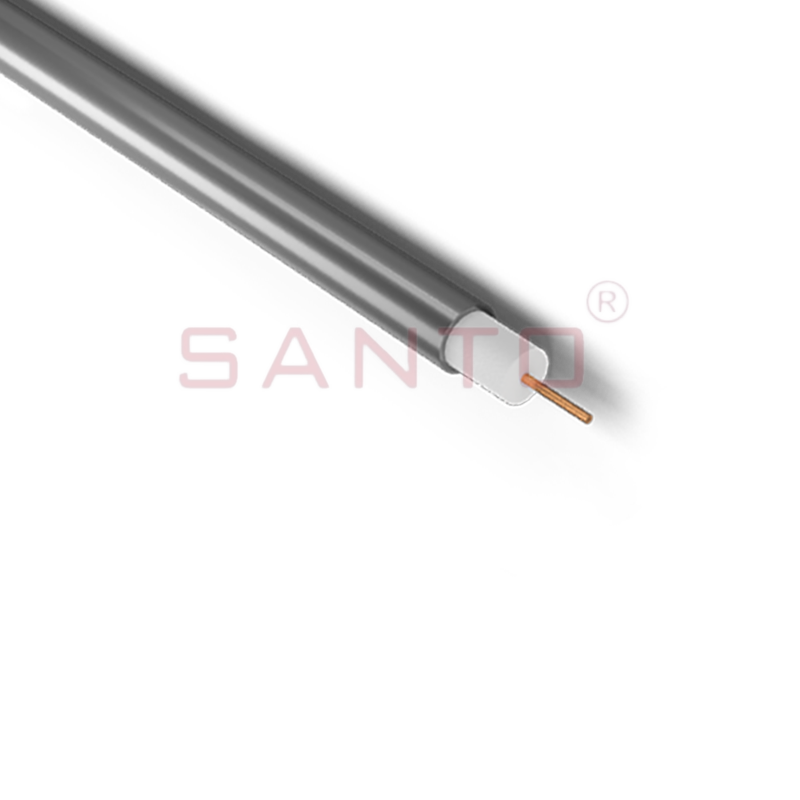
SANTO HAx mineral insulated (MI) Alloy 825 series heating cables are suitable for use in hazardous areas. They have been designed for use in freeze protection and temperature maintenance applications ...
See Details
Santo electric heating strips are widely used in key industries in China.

