 English
  English
 русский
 日本語
日本語 Español
 中文简体
中文简体The SANTO UFA range of self-regulating heating cables is mainly used for frost protection of pipes and vessels but can also be used to maintain processes up to 65°C. These heating cables are available...
See Details
As industries continue to prioritize energy efficiency, safety, and operational reliability, Self-Regulating Heat Tracing Cables have become an increasingly popular solution across a wide range of facilities. From industrial plants and commercial buildings to water treatment systems and oil & gas pipelines, these advanced heating cables offer reliable freeze protection and temperature maintenance without complex control systems.
Unlike traditional constant-wattage heating solutions, Self-Regulating Heat Tracing Cables automatically adjust their heat output based on ambient temperature, making them a smart and cost-effective choice for modern infrastructure.
Content
Self-Regulating Heat Tracing Cables use a conductive polymer core placed between two parallel bus wires. As the surrounding temperature changes, the resistance of the core changes accordingly:
This self-adjusting mechanism allows each section of the cable to respond independently, ensuring consistent and safe heating across the entire system.
One of the most significant advantages of Self-Regulating Heat Tracing Cables is their ability to reduce energy consumption. Because the cable only produces the heat required at a specific temperature, unnecessary energy use is minimized.
Safety is a critical concern in industrial and commercial environments. Self-Regulating Heat Tracing Cables are designed to prevent overheating, even when cables overlap or cross.
These cables can be cut to length on-site, allowing for flexible installation across complex pipe layouts and equipment designs.
Because Self-Regulating Heat Tracing Cables adjust automatically and experience less thermal stress, they tend to have a longer service life.
Self-Regulating Heat Tracing Cables are widely used across various industries:
| Feature | Self-Regulating Heat Tracing Cables | Constant Wattage Cables |
|---|---|---|
| Heat Output | Automatically adjusts with temperature | Fixed output regardless of conditions |
| Energy Efficiency | High | Moderate to low |
| Overheating Risk | Very low | Higher, requires controls |
| Installation Flexibility | Can be cut to length on-site | Pre-determined lengths |
| Maintenance | Low | Higher |
For facility managers focused on operational efficiency and risk reduction, Self-Regulating Heat Tracing Cables provide long-term value. Their intelligent heat control minimizes downtime, reduces manual intervention, and supports compliance with safety and energy standards.
Yes. These cables are designed to withstand harsh environmental conditions, including moisture, UV exposure, and low temperatures.
Yes. One of their key safety advantages is that overlapping does not cause overheating due to their self-limiting heat output.
In many applications, thermostats are optional. While they can further optimize energy savings, the cable itself regulates temperature automatically.
With proper installation and operating conditions, these cables ca
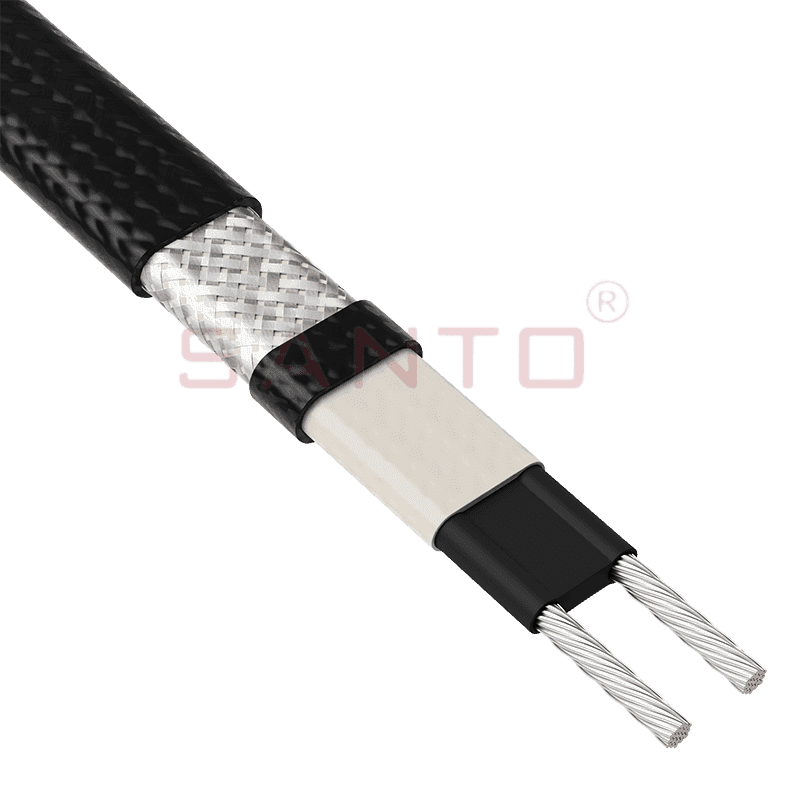
The SANTO UFA range of self-regulating heating cables is mainly used for frost protection of pipes and vessels but can also be used to maintain processes up to 65°C. These heating cables are available...
See Details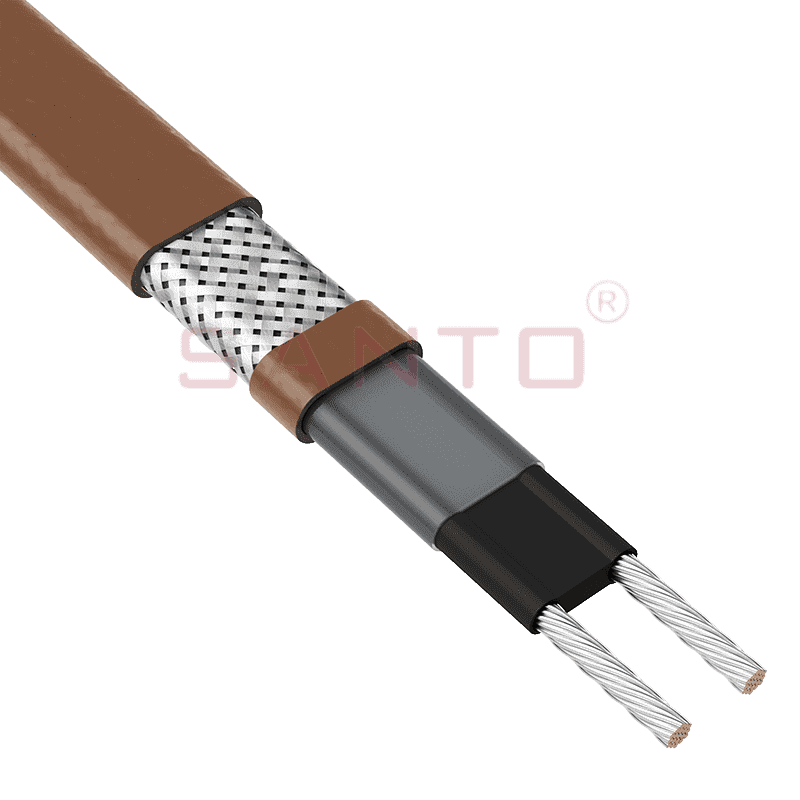
The SANTO UFB range of self-regulating heating cables is mainly used for frost protection of pipes and vessels requiring a higher power output than the UFA heating cables can supply. They can also be ...
See Details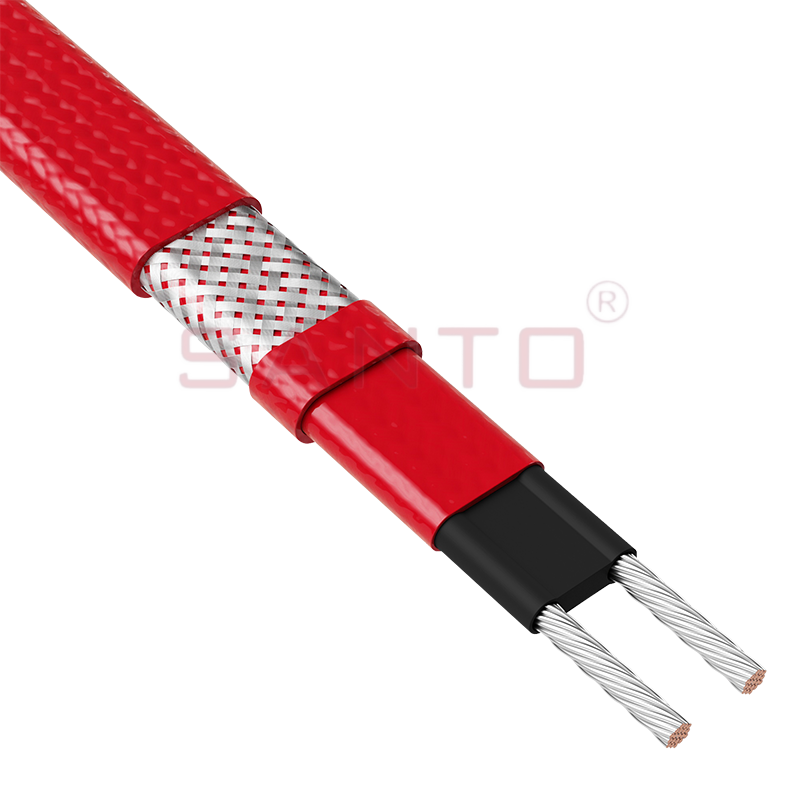
The SANTO UFC range of self-regulating heating cables is used for frost protection of pipes and vessels that require steam cleaning. They can also be used to maintain processes up to 121°C. These heat...
See Details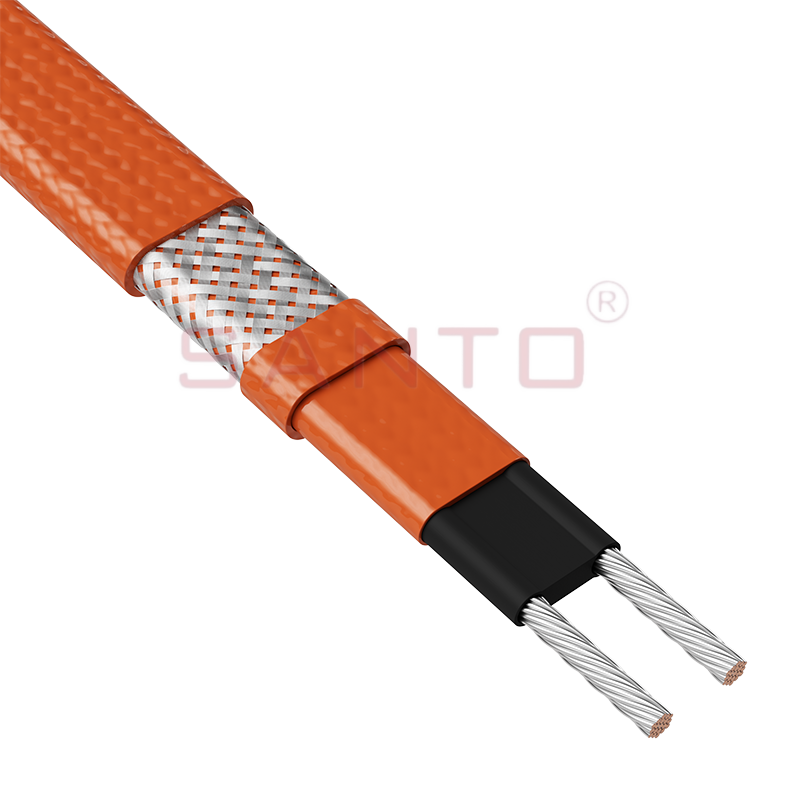
The SANTO UFO range of self-regulating heating cables is mainly used for frost protection of pipes and vessels that require steam cleaning . They can also be used to maintain processes up to 150°C. Th...
See Details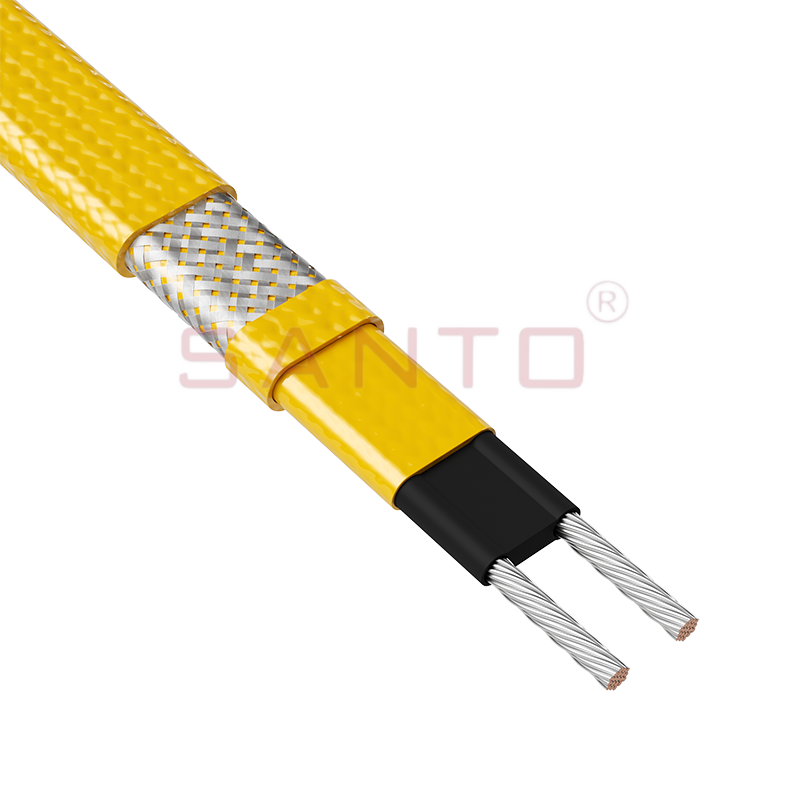
The SANTO UFD series of self-regulating heating cables are mainly used for freeze protection of pipes and vessels, but can also be used to maintain processes up to 200°C. These heating cables are avai...
See Details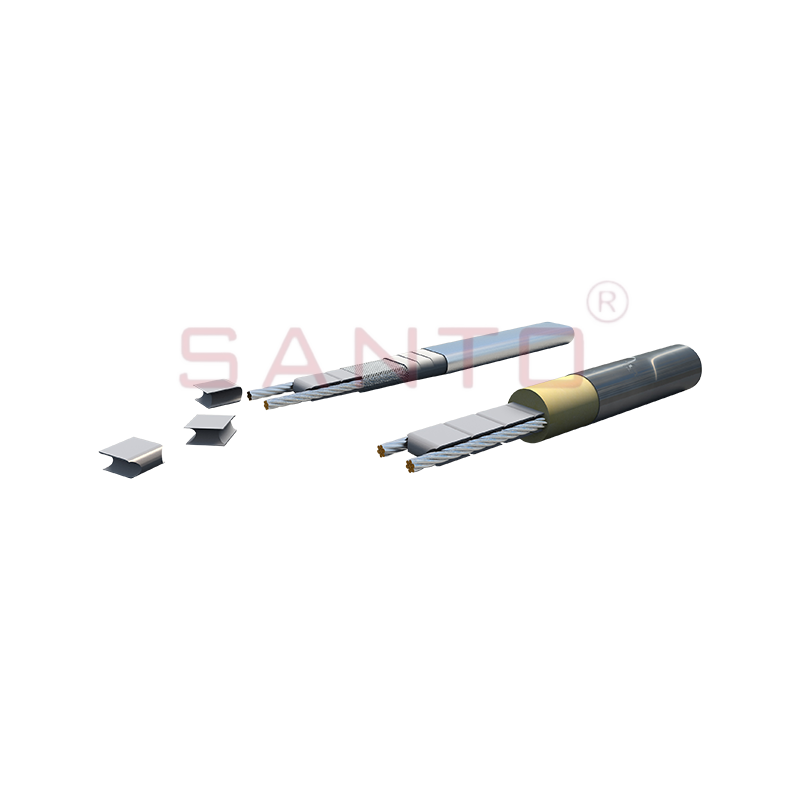
SANTO UFY heating wire is suitable for applications that maintain process temperatures up to 260 ℃ and can be steam blown; The self-regulating and parallel circuit heating wires of the UFY series are ...
See Details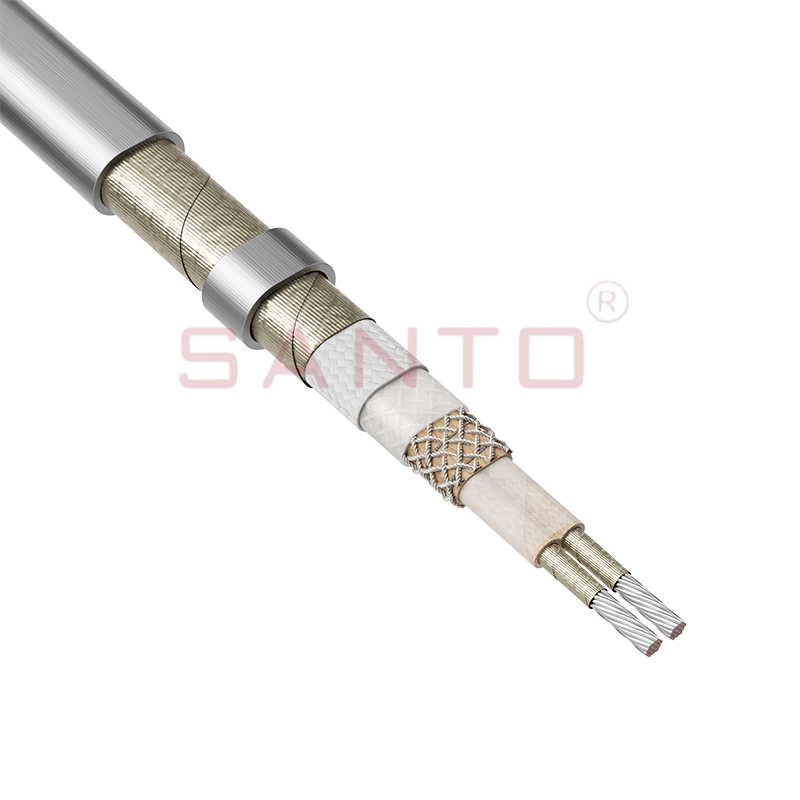
The SANTO UFM series self-regulating heating cables are mainly used for freeze protection of pipes and vessels, but can also be used to maintain processes up to 400°C. These heating cables are availab...
See Details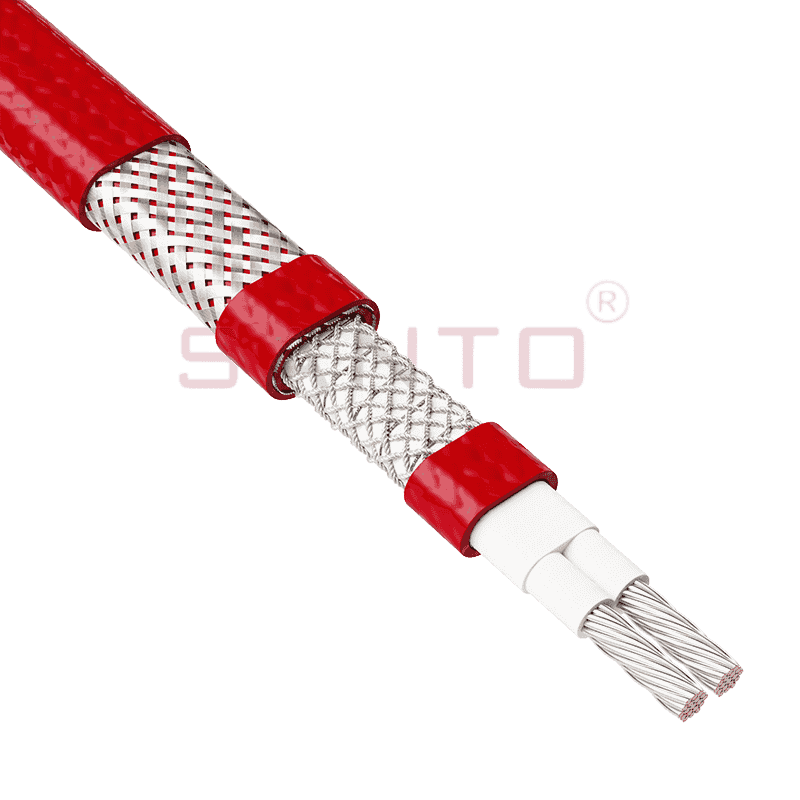
The SANTO ACC range of power-limiting heating cables is mainly used for temperature maintenance of processes and offers the advantage of a high power output at high temperatures which can reduce the n...
See Details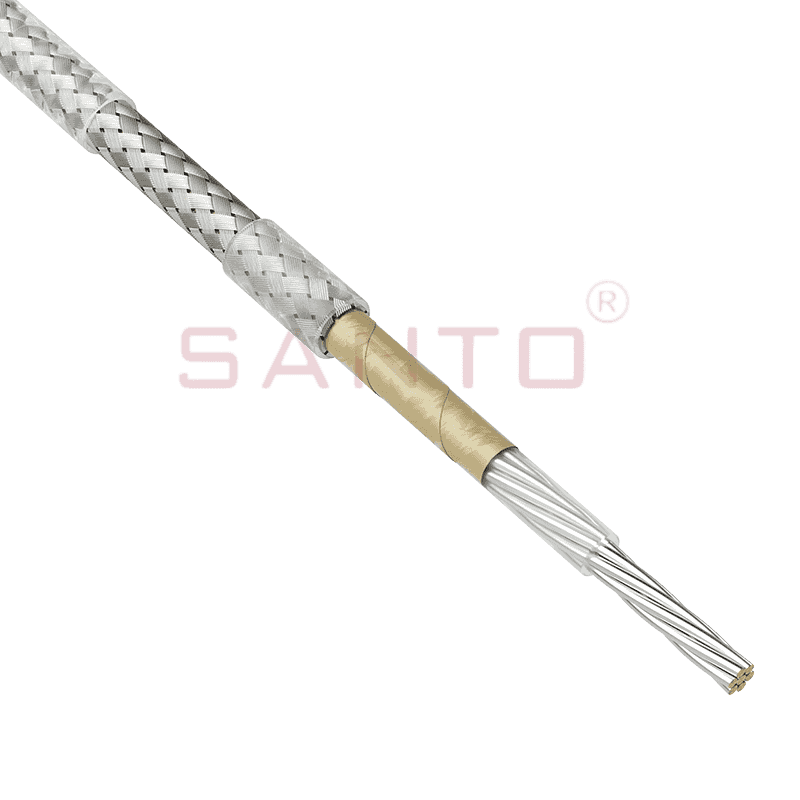
The stranded high temperature conductor is nickel plated to ensure a long life at elevated temperatures in corrosive environments. It is electrically isolated using an innovative sandwich construction...
See Details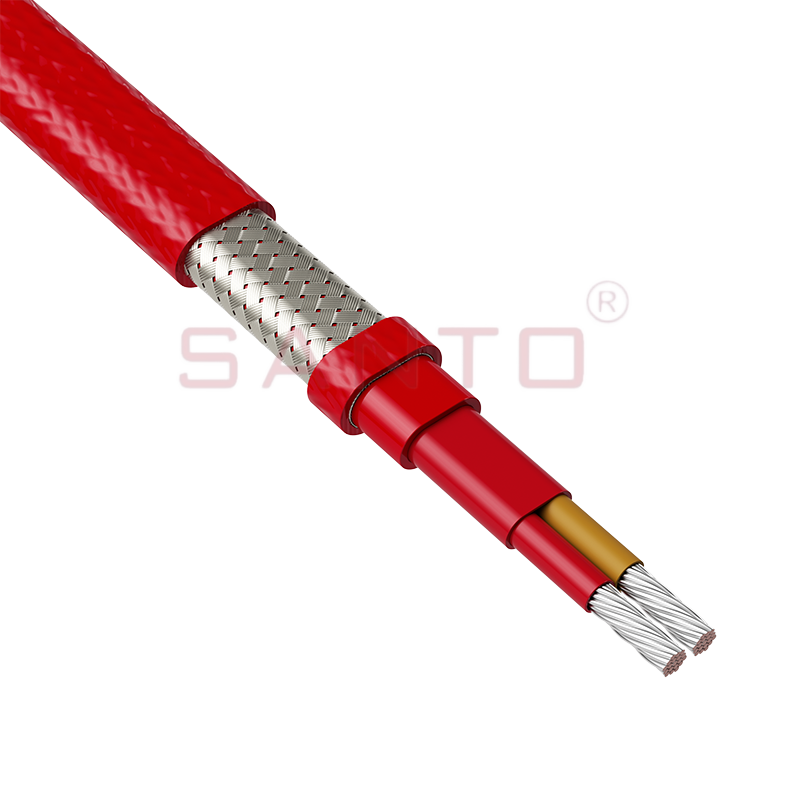
The stranded high temperature conductor is nickel plated to ensure a long life at elevated temperatures in corrosive environments. It is electrically isolated using an innovative sandwich construction...
See Details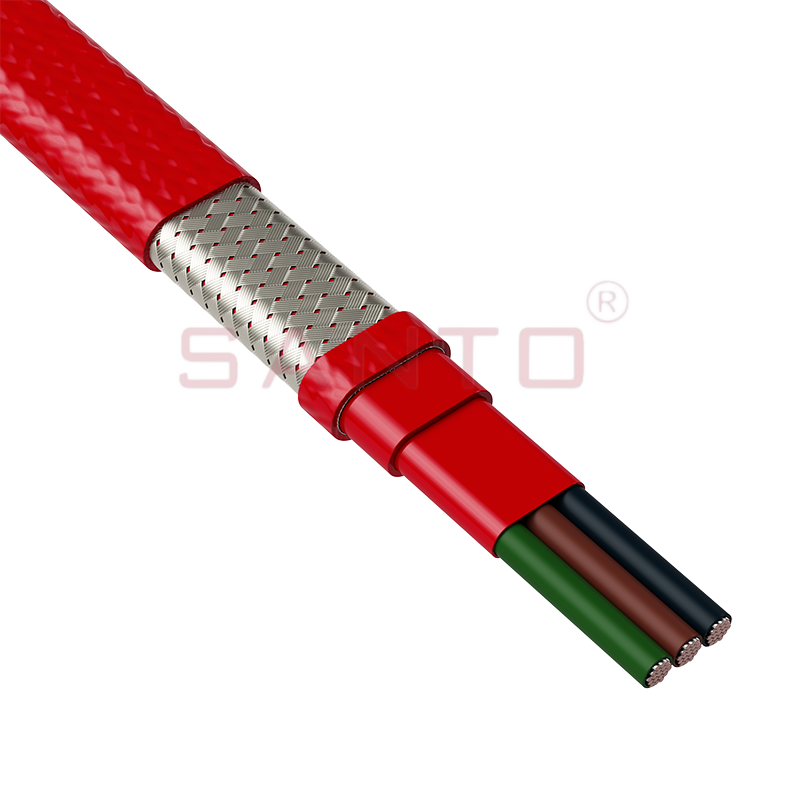
The stranded high temperature conductor is nickel plated to ensure a long life at elevated temperatures in corrosive environments. It is electrically isolated using an innovative sandwich construction...
See Details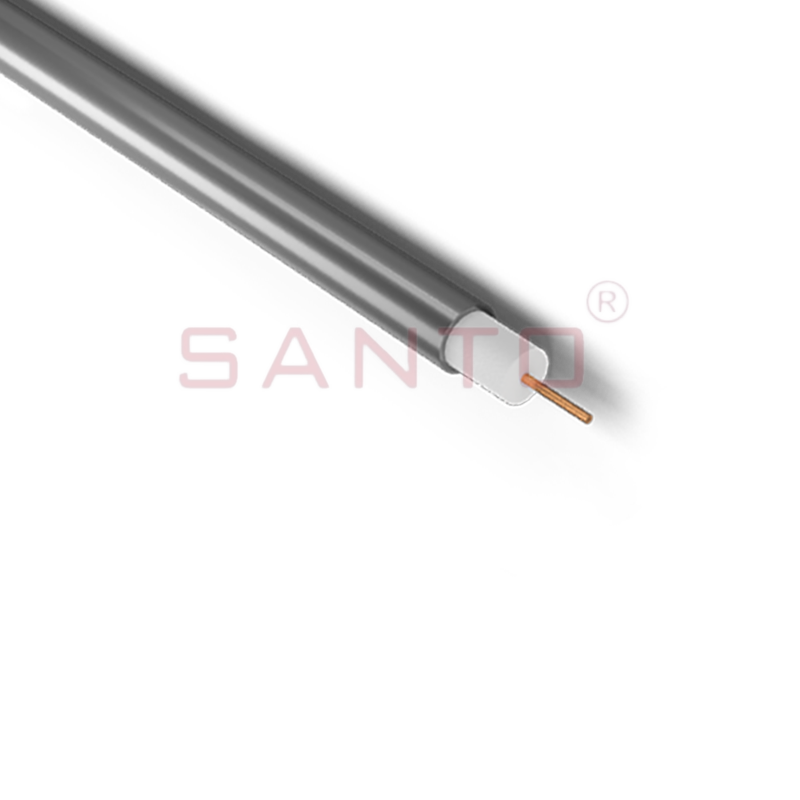
SANTO HAx mineral insulated (MI) Alloy 825 series heating cables are suitable for use in hazardous areas. They have been designed for use in freeze protection and temperature maintenance applications ...
See Details
Santo electric heating strips are widely used in key industries in China.

