 English
  English
 русский
 日本語
日本語 Español
 中文简体
中文简体The SANTO UFA range of self-regulating heating cables is mainly used for frost protection of pipes and vessels but can also be used to maintain processes up to 65°C. These heating cables are available...
See Details
Content
Self-Regulating Heat Tracing Cables are advanced electrical heating systems designed to maintain or raise the temperature of pipes, tanks, roofs, and industrial equipment. Unlike traditional constant-wattage heating cables, these cables automatically adjust their heat output based on ambient temperatures, making them highly efficient and safe for a wide range of applications.
The technology behind Self-Regulating Heat Tracing Cables is based on a conductive polymer core situated between two parallel bus wires. This core changes its electrical resistance according to temperature variations, enabling the cable to regulate heat output automatically.
| Feature | Self-Regulating Heat Tracing Cables | Constant-Wattage Cables |
|---|---|---|
| Heat Output | Adjusts automatically | Fixed output |
| Energy Efficiency | High | Medium to low |
| Safety | Very safe; low risk of overheating | Higher overheating risks |
| Installation | Can overlap safely | Overlapping may cause failure |
Yes. Their ability to adjust power output based on temperature significantly reduces energy consumption.
Many models are certified for hazardous zones, but always check the product’s specific rating.
They can operate without thermostats, but using one improves energy savings and system precision.
High-quality cables typically last 10–20 years depending on installation and environmental conditions.
Yes. One of their key advantages is the ability to cut the cable to the exact length needed during installation.
Self-Regulating Heat Tracing Cables offer a smart, efficient, and safe solution for temperature maintenance across industrial and residential settings. With automatic heat adjustment, strong durability, and versatile applications, they have become a preferred choice in modern heating and freeze-protection systems.
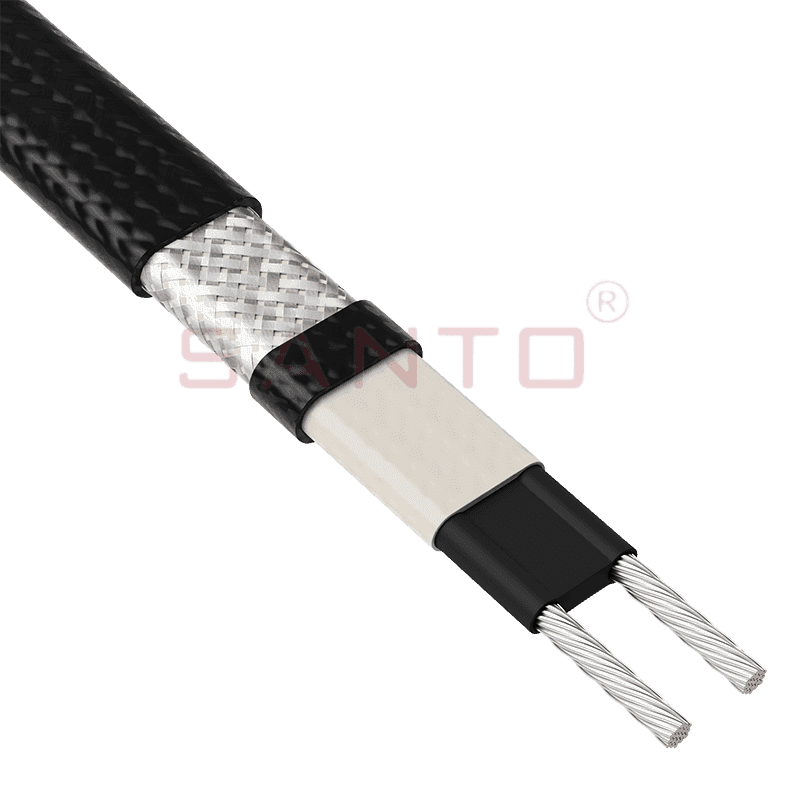
The SANTO UFA range of self-regulating heating cables is mainly used for frost protection of pipes and vessels but can also be used to maintain processes up to 65°C. These heating cables are available...
See Details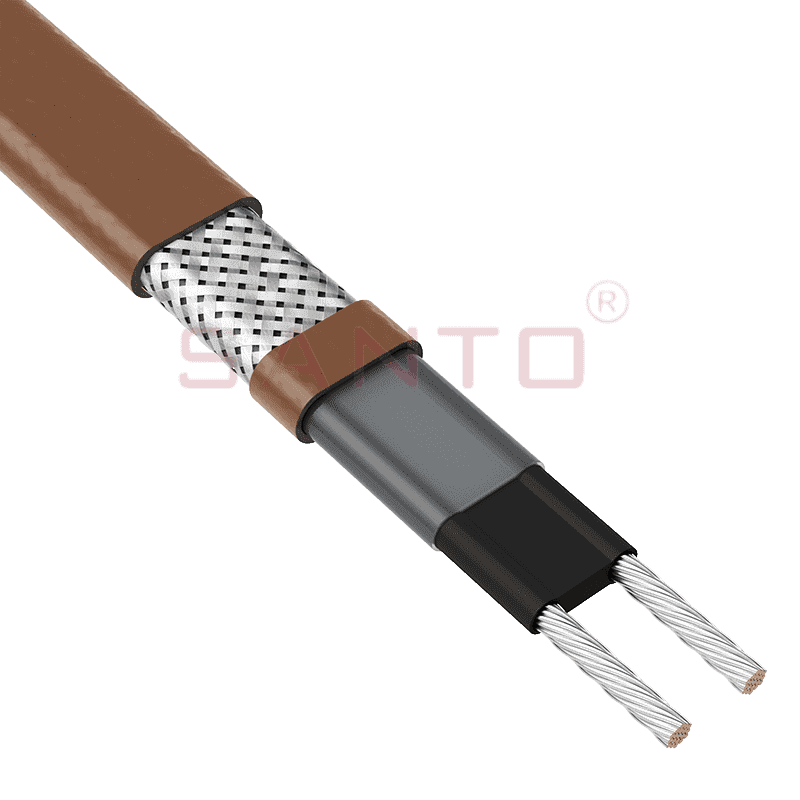
The SANTO UFB range of self-regulating heating cables is mainly used for frost protection of pipes and vessels requiring a higher power output than the UFA heating cables can supply. They can also be ...
See Details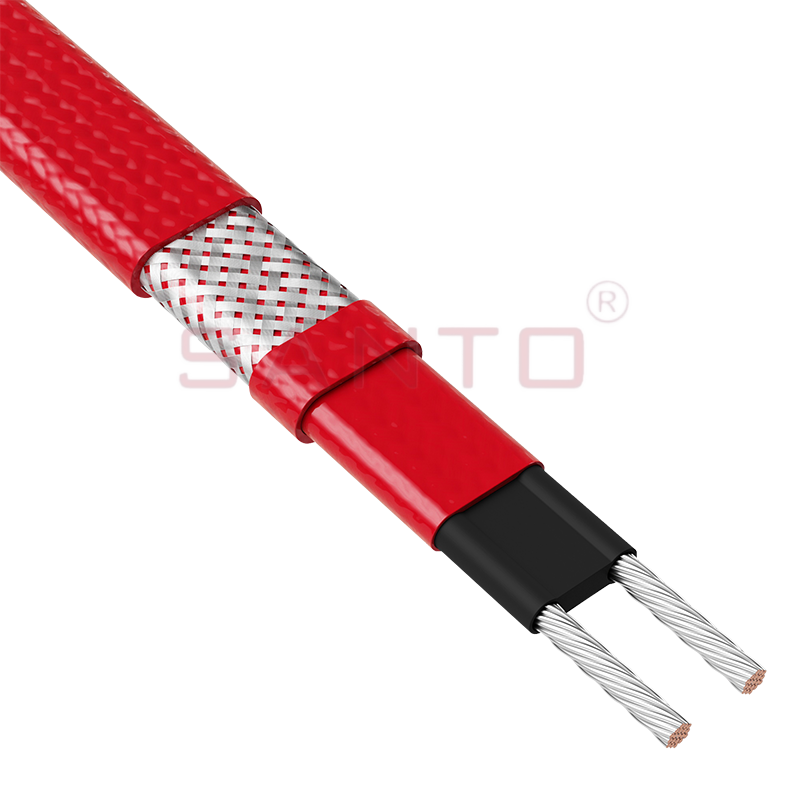
The SANTO UFC range of self-regulating heating cables is used for frost protection of pipes and vessels that require steam cleaning. They can also be used to maintain processes up to 121°C. These heat...
See Details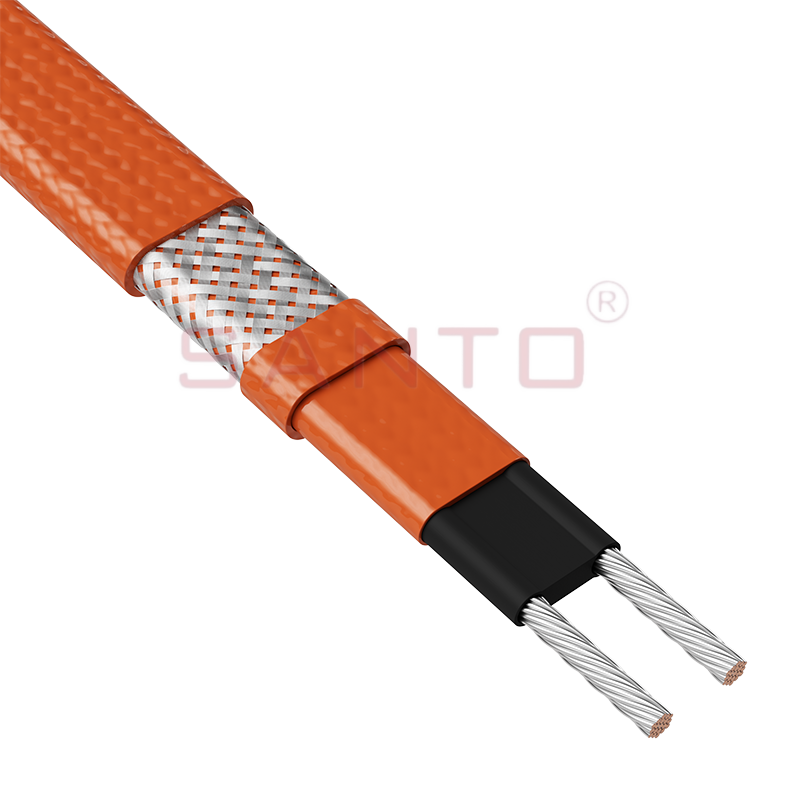
The SANTO UFO range of self-regulating heating cables is mainly used for frost protection of pipes and vessels that require steam cleaning . They can also be used to maintain processes up to 150°C. Th...
See Details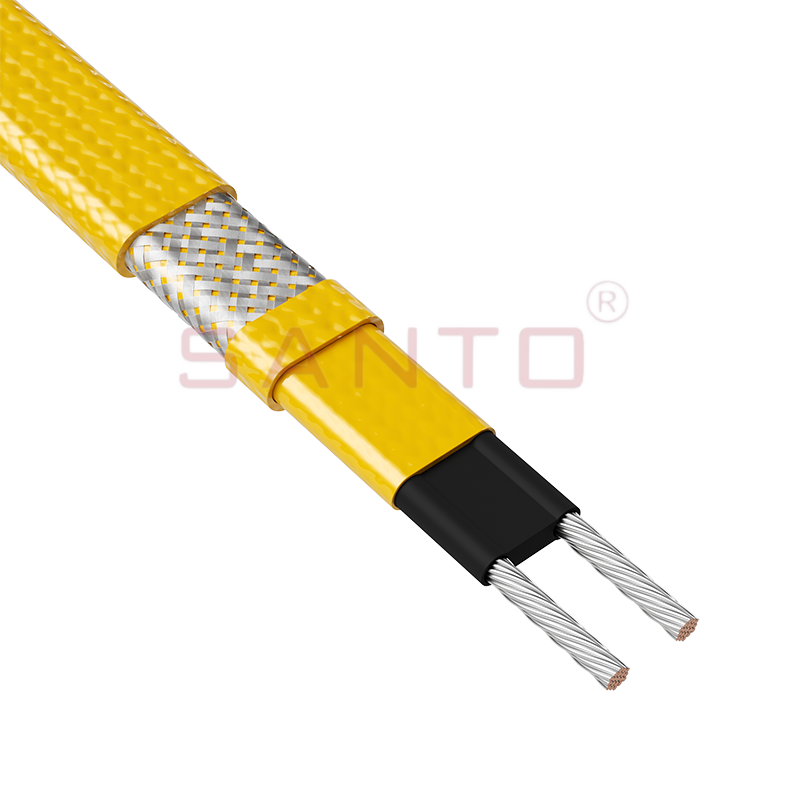
The SANTO UFD series of self-regulating heating cables are mainly used for freeze protection of pipes and vessels, but can also be used to maintain processes up to 200°C. These heating cables are avai...
See Details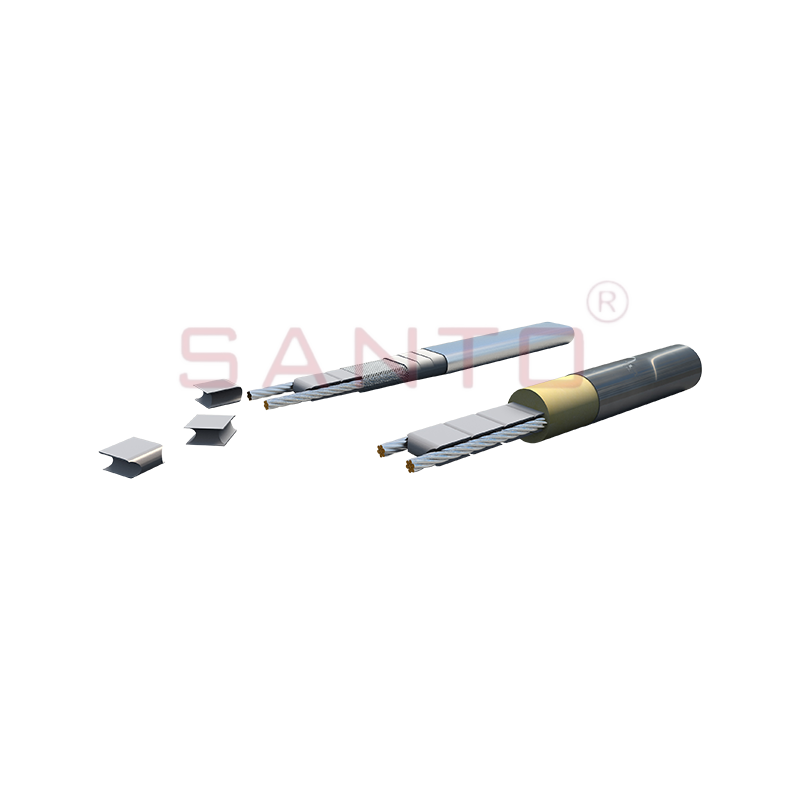
SANTO UFY heating wire is suitable for applications that maintain process temperatures up to 260 ℃ and can be steam blown; The self-regulating and parallel circuit heating wires of the UFY series are ...
See Details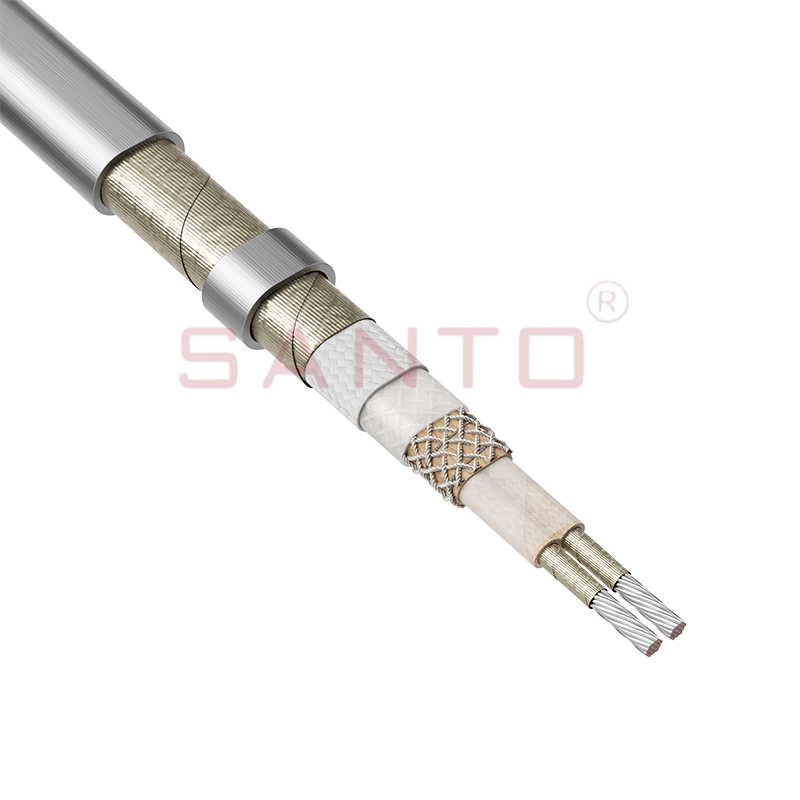
The SANTO UFM series self-regulating heating cables are mainly used for freeze protection of pipes and vessels, but can also be used to maintain processes up to 400°C. These heating cables are availab...
See Details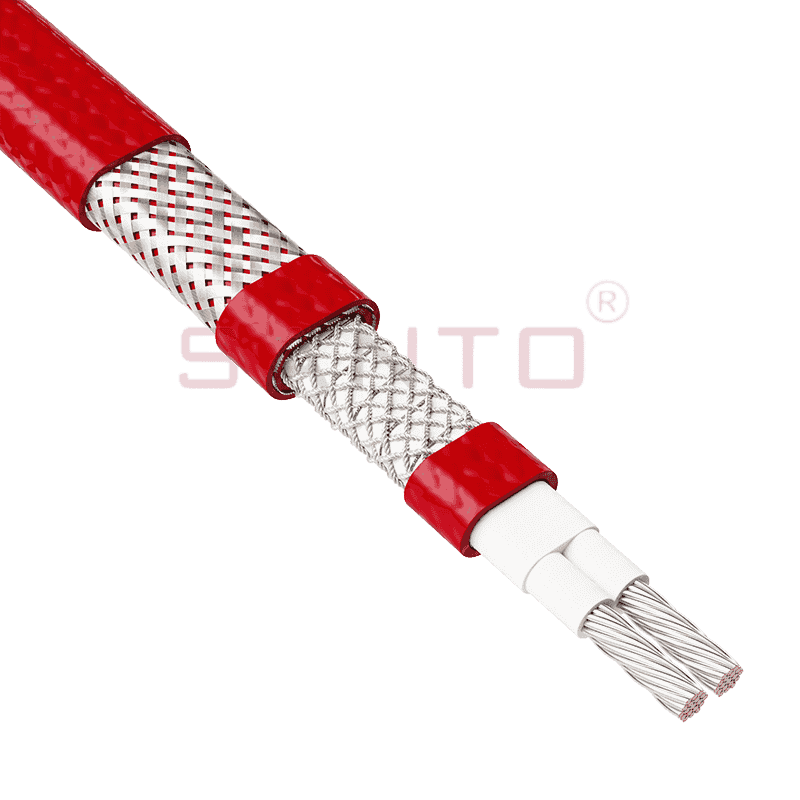
The SANTO ACC range of power-limiting heating cables is mainly used for temperature maintenance of processes and offers the advantage of a high power output at high temperatures which can reduce the n...
See Details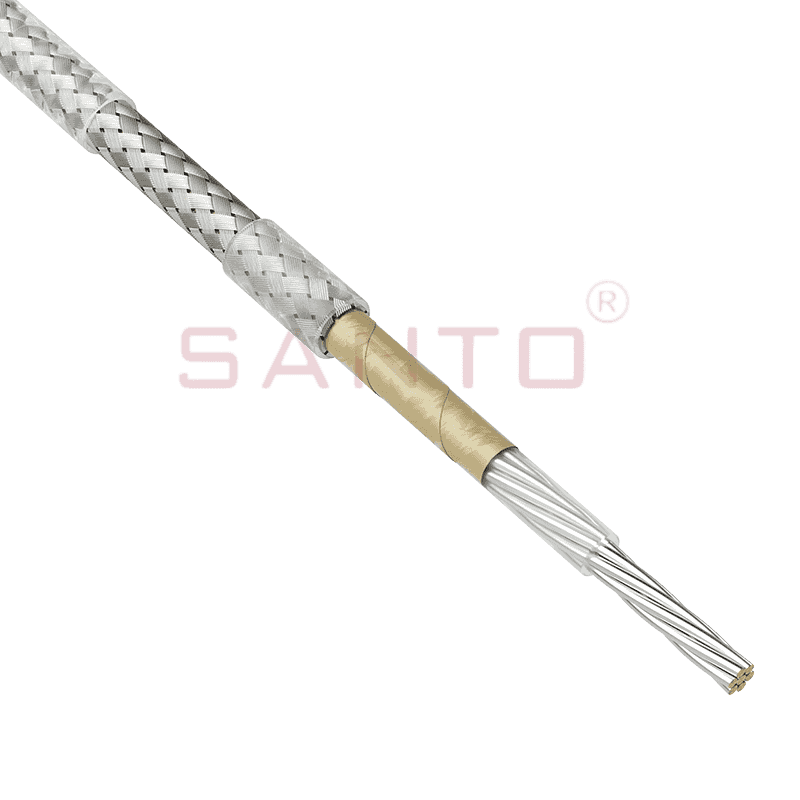
The stranded high temperature conductor is nickel plated to ensure a long life at elevated temperatures in corrosive environments. It is electrically isolated using an innovative sandwich construction...
See Details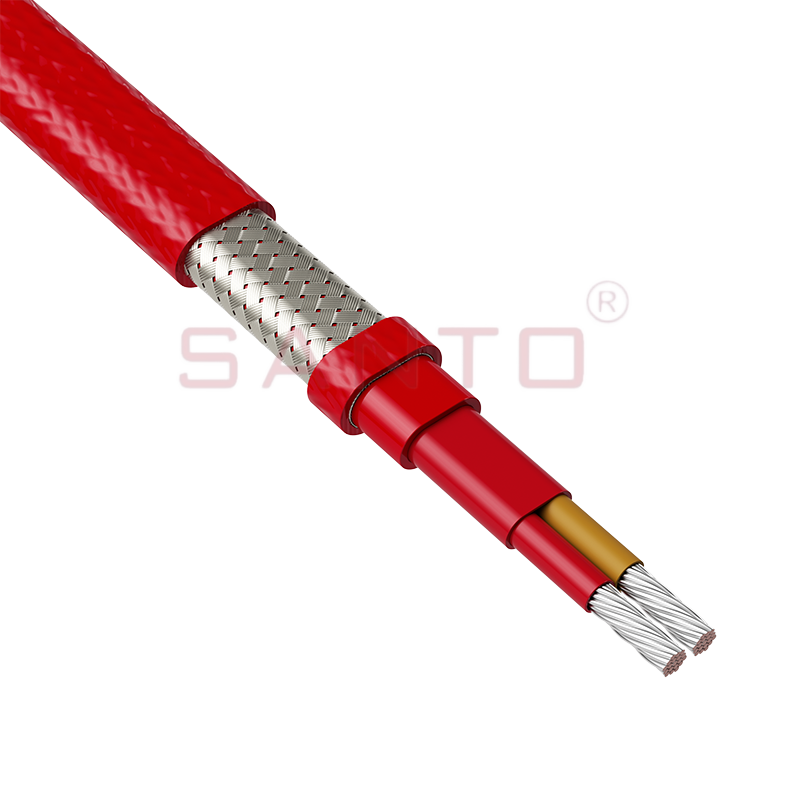
The stranded high temperature conductor is nickel plated to ensure a long life at elevated temperatures in corrosive environments. It is electrically isolated using an innovative sandwich construction...
See Details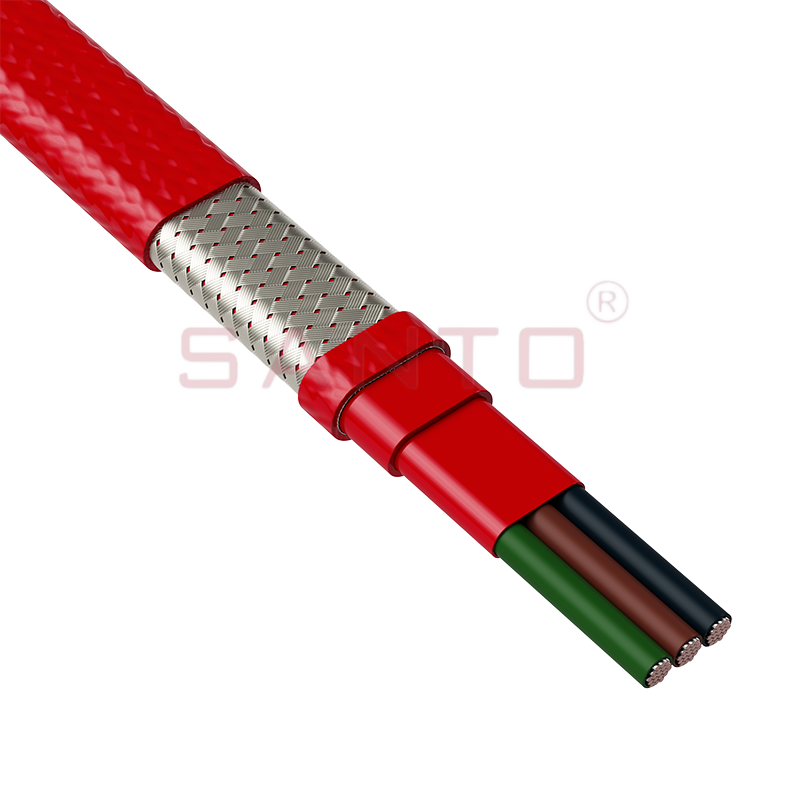
The stranded high temperature conductor is nickel plated to ensure a long life at elevated temperatures in corrosive environments. It is electrically isolated using an innovative sandwich construction...
See Details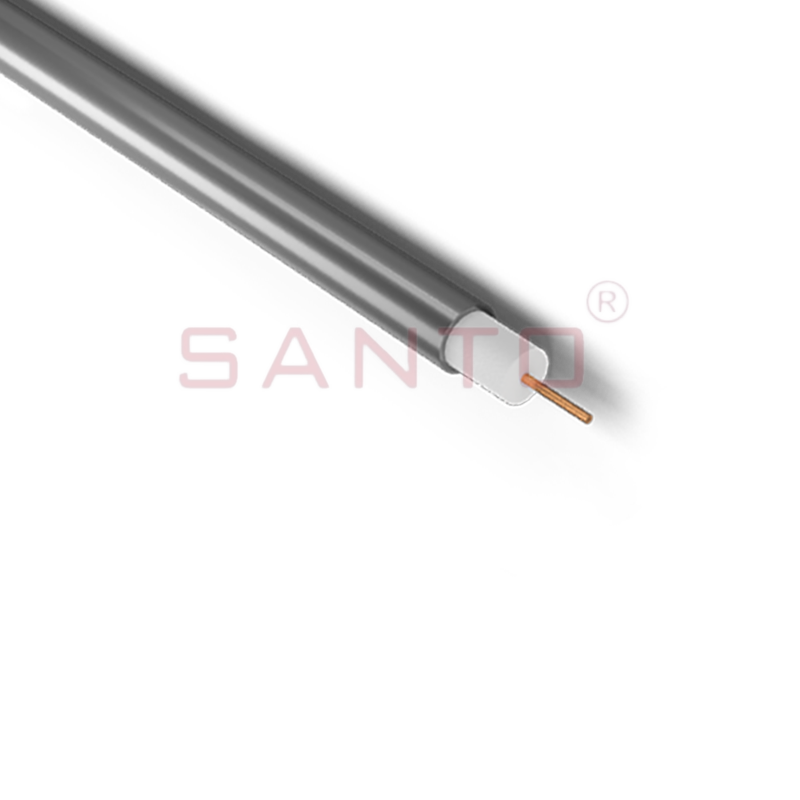
SANTO HAx mineral insulated (MI) Alloy 825 series heating cables are suitable for use in hazardous areas. They have been designed for use in freeze protection and temperature maintenance applications ...
See Details
Santo electric heating strips are widely used in key industries in China.

