 English
  English
 русский
 日本語
日本語 Español
 中文简体
中文简体The SANTO UFA range of self-regulating heating cables is mainly used for frost protection of pipes and vessels but can also be used to maintain processes up to 65°C. These heating cables are available...
See Details
Self-regulating cables are a type of heating cable that adjusts its heat output based on the surrounding temperature. They are designed to maintain consistent heat, offering a reliable and energy-efficient solution for various industrial and residential applications. The self-regulating property means that the cables automatically adjust the level of heat to the needs of the system, preventing overheating and ensuring safety. In comparison, self-regulating heat tracing cables are specifically used for heat tracing systems. These systems are employed in applications where pipes or surfaces need to be maintained at a certain temperature to prevent freezing, ensure proper flow, or maintain process temperatures. Both of these cables share the self-regulating technology, but their use cases and installation methods can differ significantly depending on the application needs.
Content
Self-regulating cables are made with a unique thermoplastic polymer matrix embedded with a conductive core. This core responds to temperature changes by increasing or decreasing its resistance, thus regulating the heat produced by the cable. The key feature of self-regulating cables is their ability to adjust their heat output based on the ambient temperature.
These cables are versatile and can be used in many different applications, from industrial to residential purposes. Below are some of the most common uses:
When discussing self-regulating heat tracing cables, it’s important to understand their advantages. These cables are mainly used for heat tracing applications to prevent pipes, tanks, and other systems from freezing or to maintain a desired temperature in various processes.
While both self-regulating cables and heat tracing cables share similar technology, their applications differ. Here’s a comparison table for a better understanding:
| Feature | Self-Regulating Cables | Self-Regulating Heat Tracing Cables |
|---|---|---|
| Primary Use | General heating applications, floor heating, pipe freeze protection. | Specifically for heat tracing in industrial pipes, tanks, and systems. |
| Temperature Regulation | Adjusts heat output based on ambient temperature. | Maintains desired temperature to prevent freezing or ensure process continuity. |
| Energy Efficiency | Highly energy-efficient, only uses the energy required to maintain the temperature. | Similar to self-regulating cables, designed for energy-saving operation. |
| Installation Complexity | Can be installed in various locations with minimal effort. | Typically installed in industrial environments requiring more careful planning. |
| Durability | High resistance to physical damage and environmental factors. | Built to withstand extreme conditions such as high-pressure systems and exposure to chemicals. |
Self-regulating cables and self-regulating heat tracing cables offer excellent energy efficiency, safety, and reliability. Whether used in residential applications for pipe freeze protection or industrial settings for heat tracing, these cables are a crucial component in ensuring continuous operation and safety. By understanding the different applications and benefits, businesses and homeowners can make more informed decisions when choosing the best solution for their heating and temperature regulation needs.
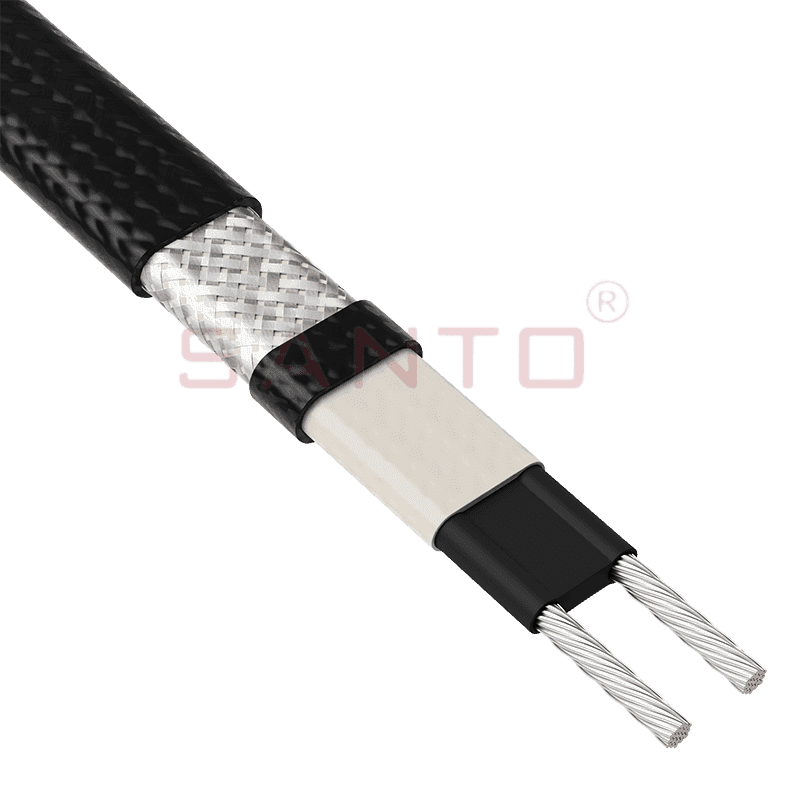
The SANTO UFA range of self-regulating heating cables is mainly used for frost protection of pipes and vessels but can also be used to maintain processes up to 65°C. These heating cables are available...
See Details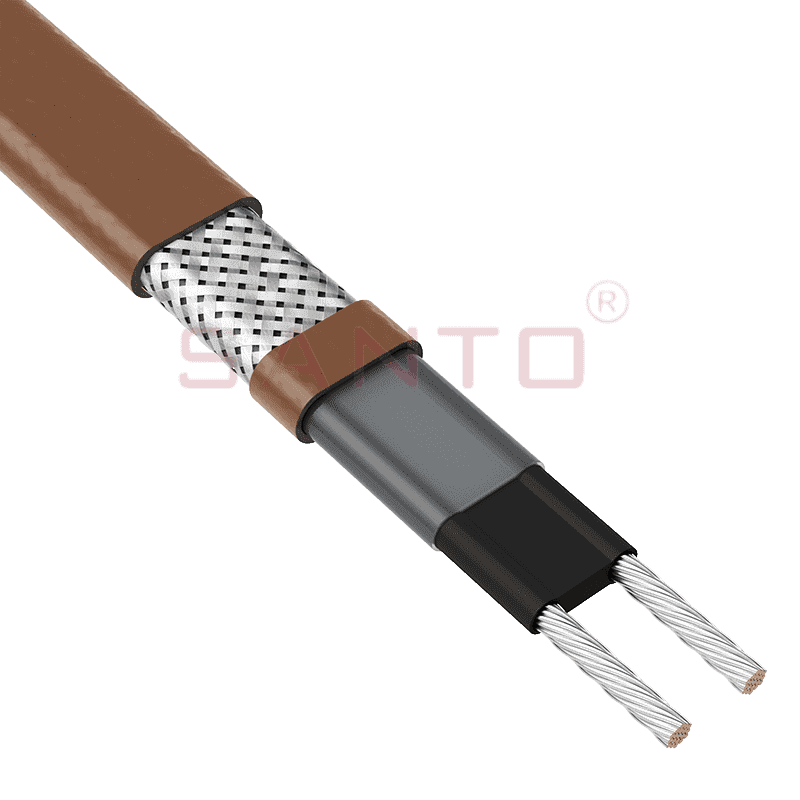
The SANTO UFB range of self-regulating heating cables is mainly used for frost protection of pipes and vessels requiring a higher power output than the UFA heating cables can supply. They can also be ...
See Details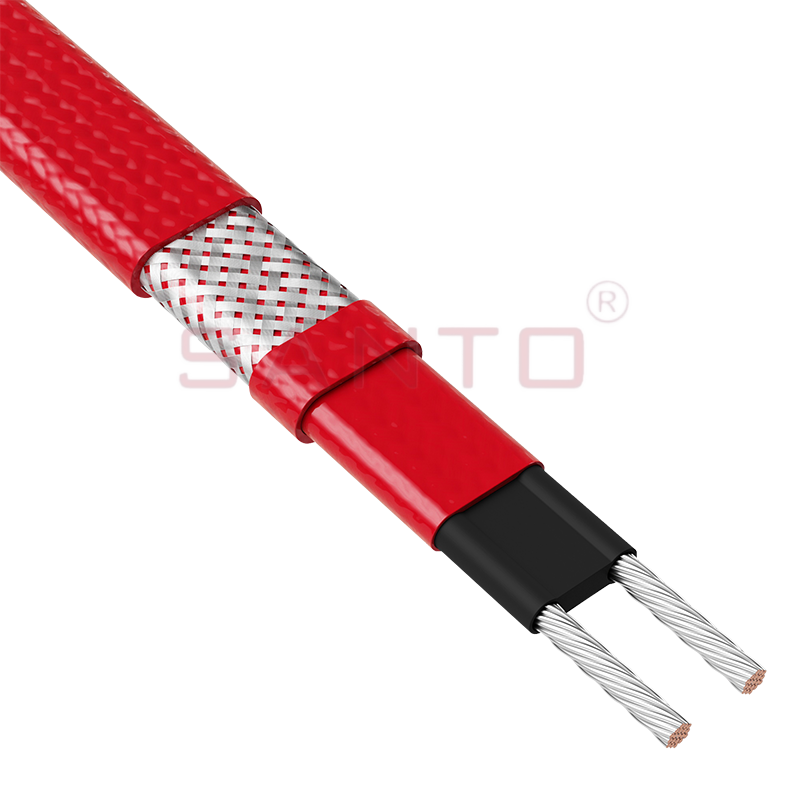
The SANTO UFC range of self-regulating heating cables is used for frost protection of pipes and vessels that require steam cleaning. They can also be used to maintain processes up to 121°C. These heat...
See Details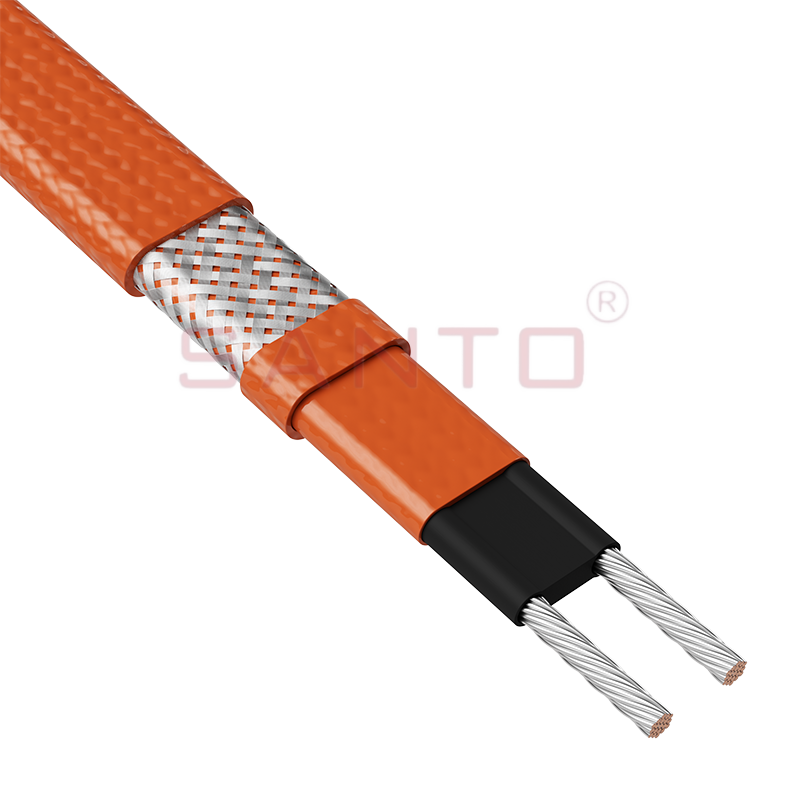
The SANTO UFO range of self-regulating heating cables is mainly used for frost protection of pipes and vessels that require steam cleaning . They can also be used to maintain processes up to 150°C. Th...
See Details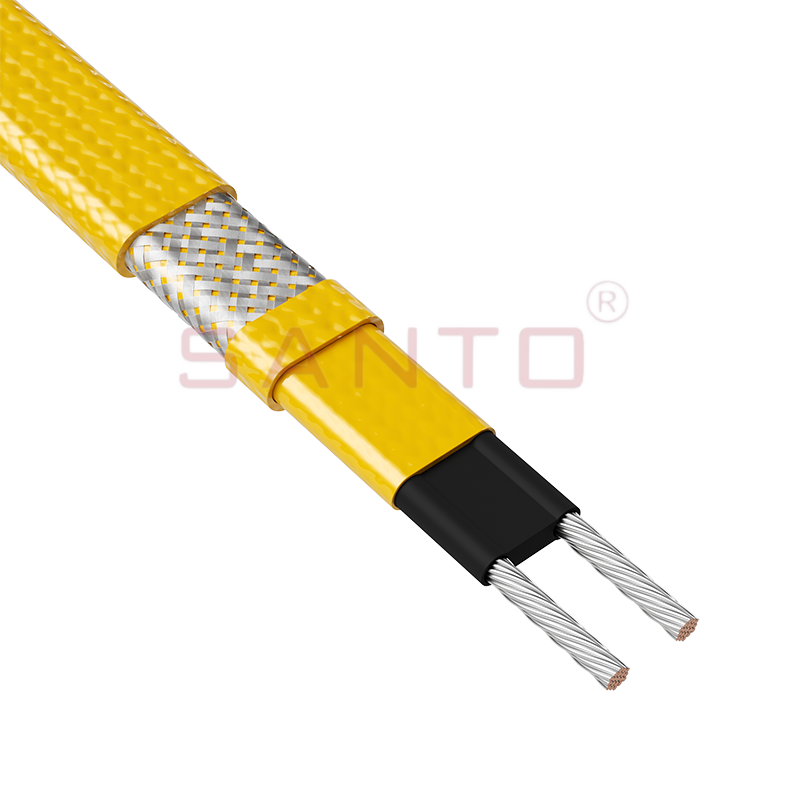
The SANTO UFD series of self-regulating heating cables are mainly used for freeze protection of pipes and vessels, but can also be used to maintain processes up to 200°C. These heating cables are avai...
See Details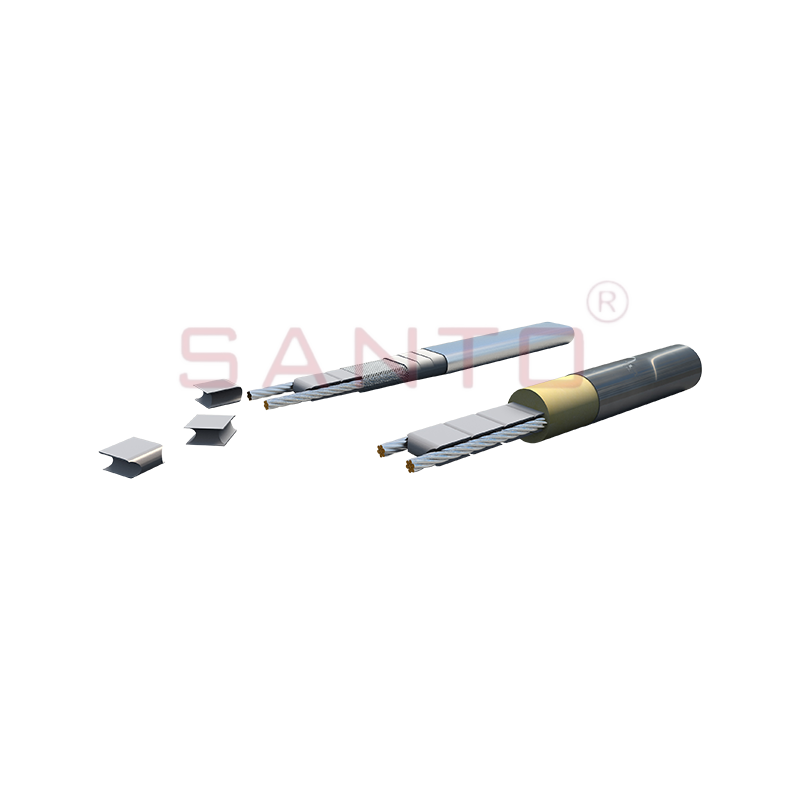
SANTO UFY heating wire is suitable for applications that maintain process temperatures up to 260 ℃ and can be steam blown; The self-regulating and parallel circuit heating wires of the UFY series are ...
See Details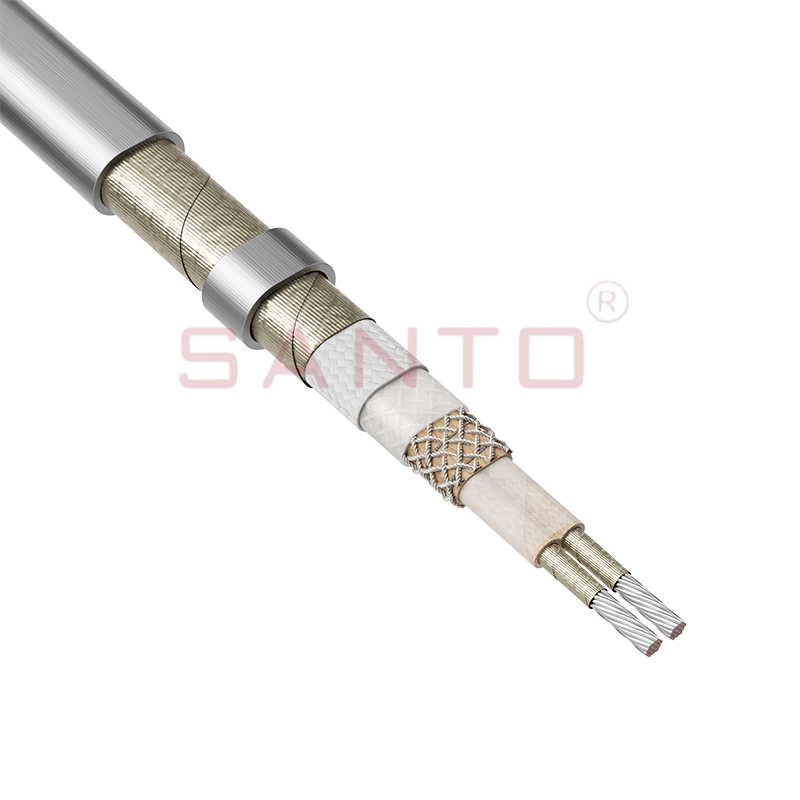
The SANTO UFM series self-regulating heating cables are mainly used for freeze protection of pipes and vessels, but can also be used to maintain processes up to 400°C. These heating cables are availab...
See Details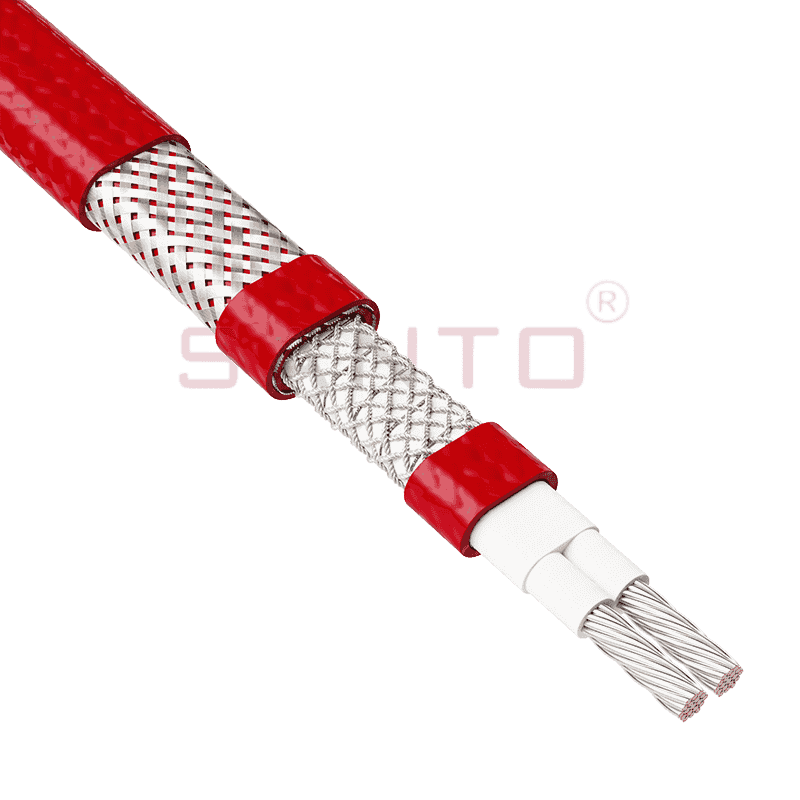
The SANTO ACC range of power-limiting heating cables is mainly used for temperature maintenance of processes and offers the advantage of a high power output at high temperatures which can reduce the n...
See Details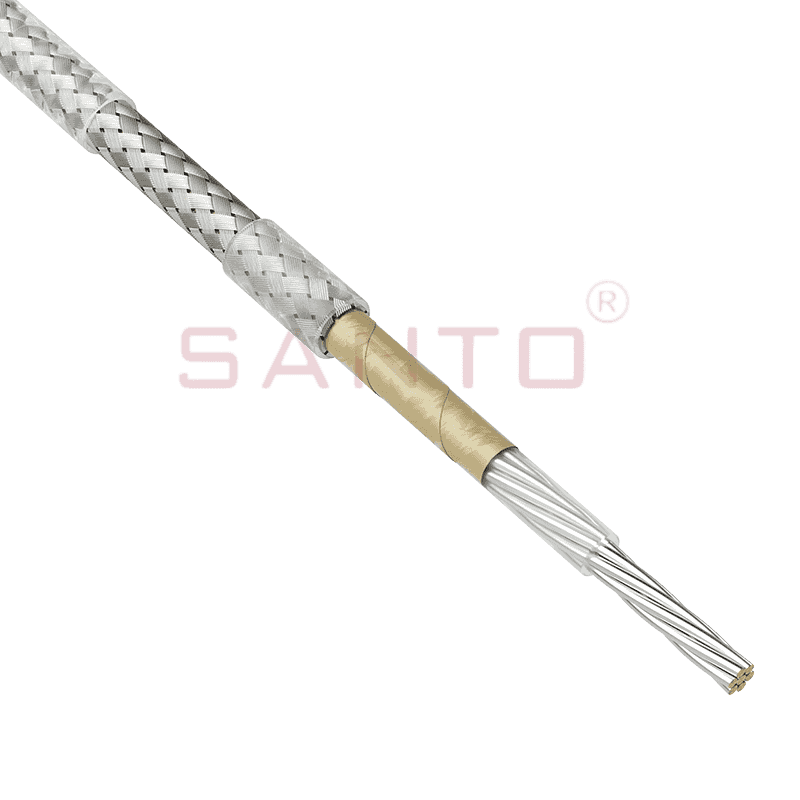
The stranded high temperature conductor is nickel plated to ensure a long life at elevated temperatures in corrosive environments. It is electrically isolated using an innovative sandwich construction...
See Details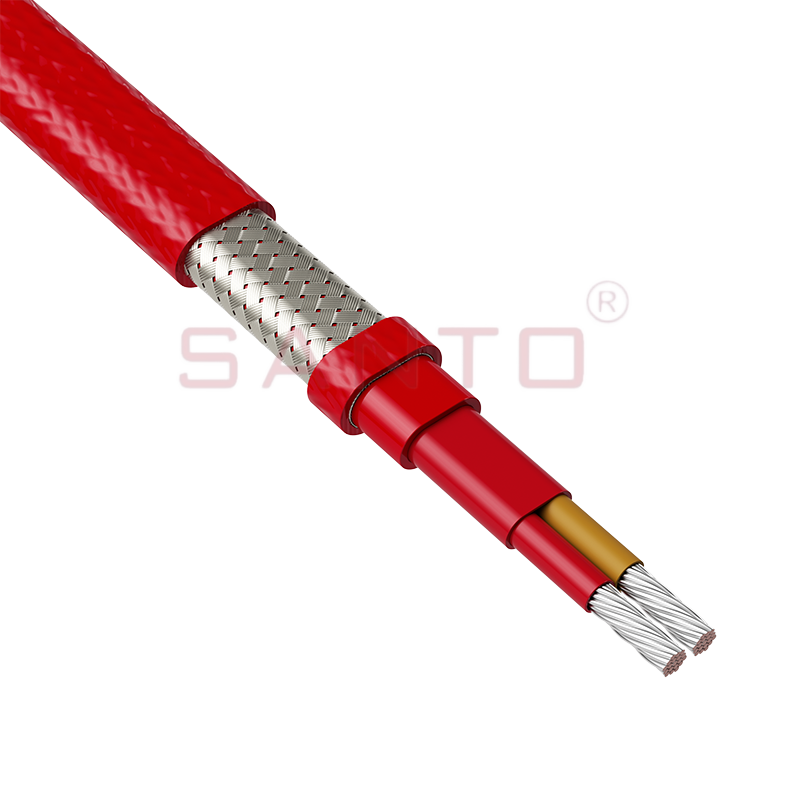
The stranded high temperature conductor is nickel plated to ensure a long life at elevated temperatures in corrosive environments. It is electrically isolated using an innovative sandwich construction...
See Details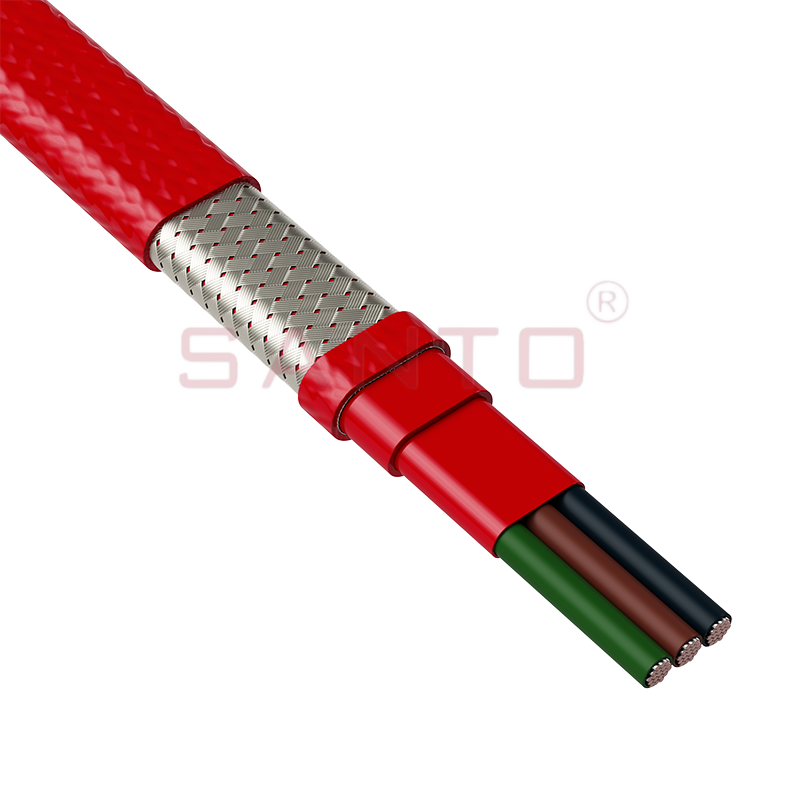
The stranded high temperature conductor is nickel plated to ensure a long life at elevated temperatures in corrosive environments. It is electrically isolated using an innovative sandwich construction...
See Details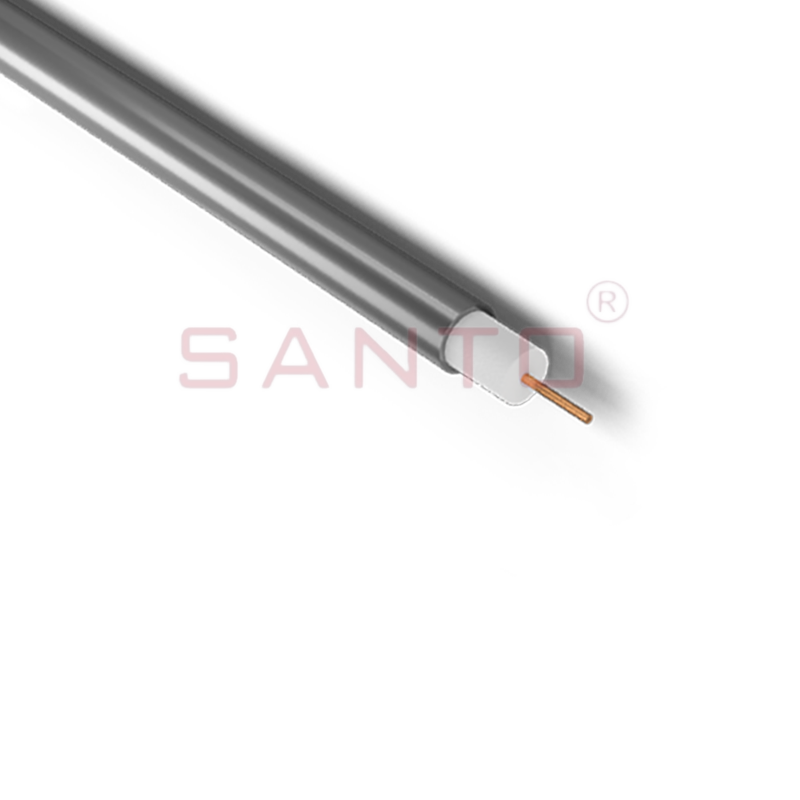
SANTO HAx mineral insulated (MI) Alloy 825 series heating cables are suitable for use in hazardous areas. They have been designed for use in freeze protection and temperature maintenance applications ...
See Details
Santo electric heating strips are widely used in key industries in China.

