 English
  English
 русский
 日本語
日本語 Español
 中文简体
中文简体The SANTO UFA range of self-regulating heating cables is mainly used for frost protection of pipes and vessels but can also be used to maintain processes up to 65°C. These heating cables are available...
See Details
Content
Heat tape, often referred to as heat cables or heating cables, is a vital solution designed to prevent ice dams, frozen pipes, and other cold-weather issues in both residential and commercial buildings. Heat tape is applied to areas prone to freezing, such as roofs, gutters, and water pipes, providing consistent heat to prevent ice buildup and maintain proper water flow during the winter months.
Self-regulating heat tape is a type of heating cable that automatically adjusts its heat output in response to temperature changes. As the surrounding temperature drops, the cable increases its heat output to keep areas from freezing. Conversely, as the temperature rises, the heat output decreases. This feature makes self-regulating heat tape more energy-efficient and safer than traditional heat tapes, which run at a constant temperature regardless of external conditions.
Self-regulating roof heat tape is designed specifically to be installed along the roofline, in gutters, and in downspouts to prevent ice dams from forming. It works by using a conductive polymer core, which adjusts its heat output depending on the temperature. When the temperature drops below a certain threshold, the heat tape produces heat to prevent ice from forming. The heat tape will naturally reduce its energy consumption when temperatures rise, providing a more energy-efficient solution compared to traditional constant-temperature cables.
Self-regulating heat tape offers several advantages for both residential and commercial roof applications:
| Feature | Self-Regulating Heat Tape | Traditional Heat Tape |
|---|---|---|
| Temperature Control | Adjusts heat output based on surrounding temperature | Runs at a constant temperature, regardless of external conditions |
| Energy Efficiency | Highly energy-efficient | Less energy-efficient |
| Installation | Easy to install with flexibility for various applications | Requires precise installation and more manual adjustments |
| Cost | More cost-effective in the long run due to energy savings | Initial cost is typically lower, but higher energy costs over time |
Installation of self-regulating heat tape requires basic tools such as a ladder, clips, and an electrical outlet. Start by securing the heat tape along the roofline, gutters, and downspouts, ensuring the tape is evenly spaced. Be sure to follow the manufacturer's instructions for safe installation, and if in doubt, consult a professional for assistance.
No, when installed correctly, self-regulating heat tape is designed to be safe for roofs and should not cause any damage. In fact, it helps protect the roof by preventing ice buildup and water damage. Ensure the tape is installed as per guidelines to avoid overheating or other issues.
Self-regulating heat tape consumes energy based on the surrounding temperature. During colder temperatures, it uses more energy to prevent freezing, while it consumes less energy as the temperature rises. This dynamic energy usage helps reduce overall energy consumption compared to traditional heat tapes.
Yes, self-regulating heat tape is versatile and can be used in various applications, including heating water pipes, gutters, and downspouts, as well as protecting other outdoor surfaces prone to freezing. It is also commonly used in industrial settings to prevent frozen pipes and equipment.
The lifespan of self-regulating heat tape typically ranges from 10 to 20 years, depending on the quality of the product and the maintenance of the installation. Regular inspections and proper installation can help extend its lifespan.
Self-regulating heat tape offers an efficient, safe, and energy-saving solution for preventing ice dams, frozen pipes, and other cold-weather challenges. Whether for residential or commercial use, it is an ideal choice for areas prone to freezing, providing long-term protection for roofs, gutters, and more. By understanding its benefits and comparing it to traditional heat tape, you can make an informed decision about the best heating solution for your needs.
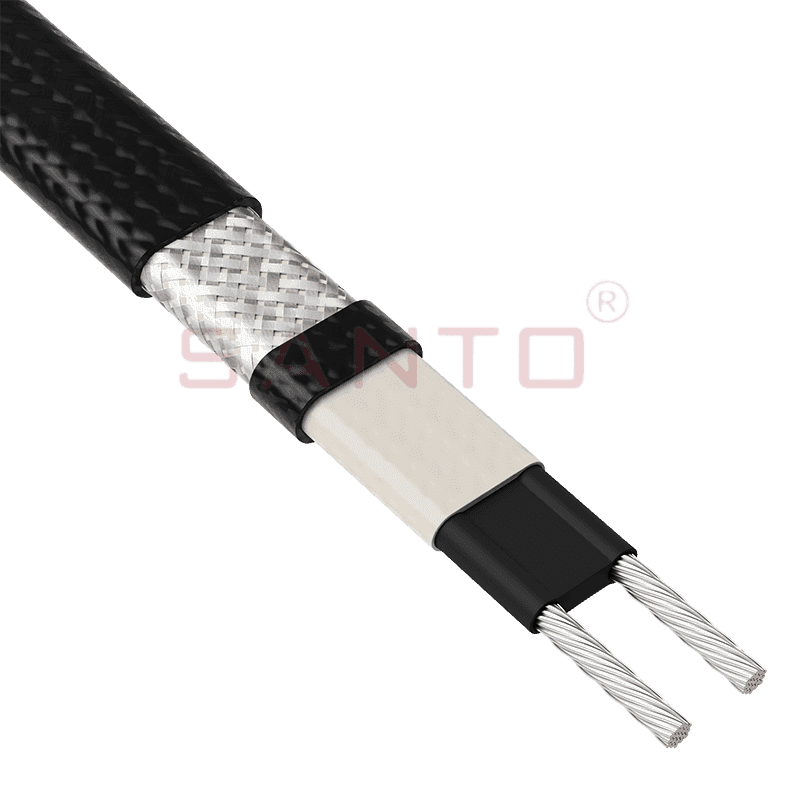
The SANTO UFA range of self-regulating heating cables is mainly used for frost protection of pipes and vessels but can also be used to maintain processes up to 65°C. These heating cables are available...
See Details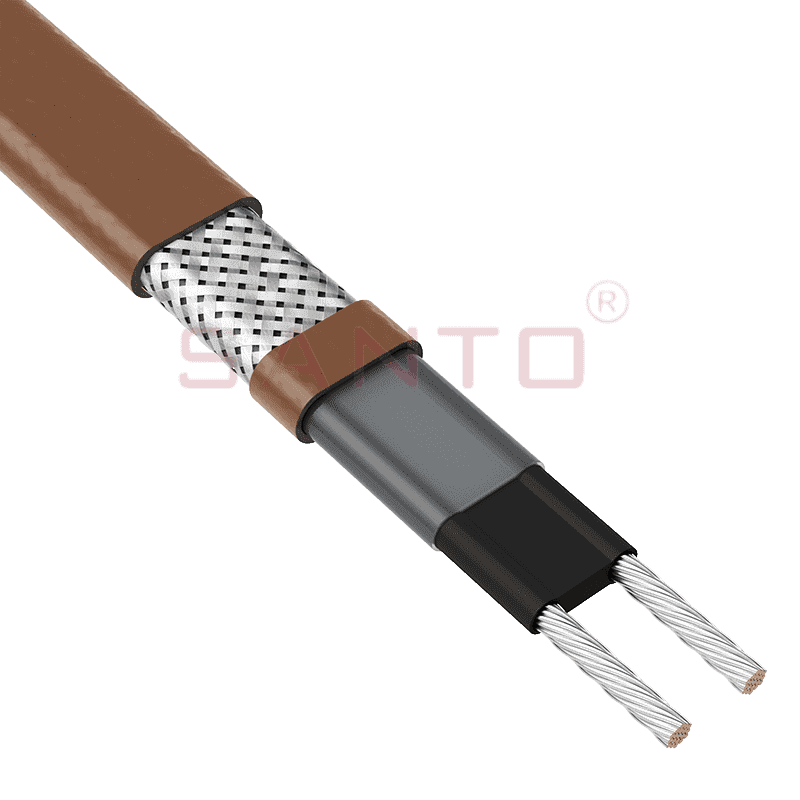
The SANTO UFB range of self-regulating heating cables is mainly used for frost protection of pipes and vessels requiring a higher power output than the UFA heating cables can supply. They can also be ...
See Details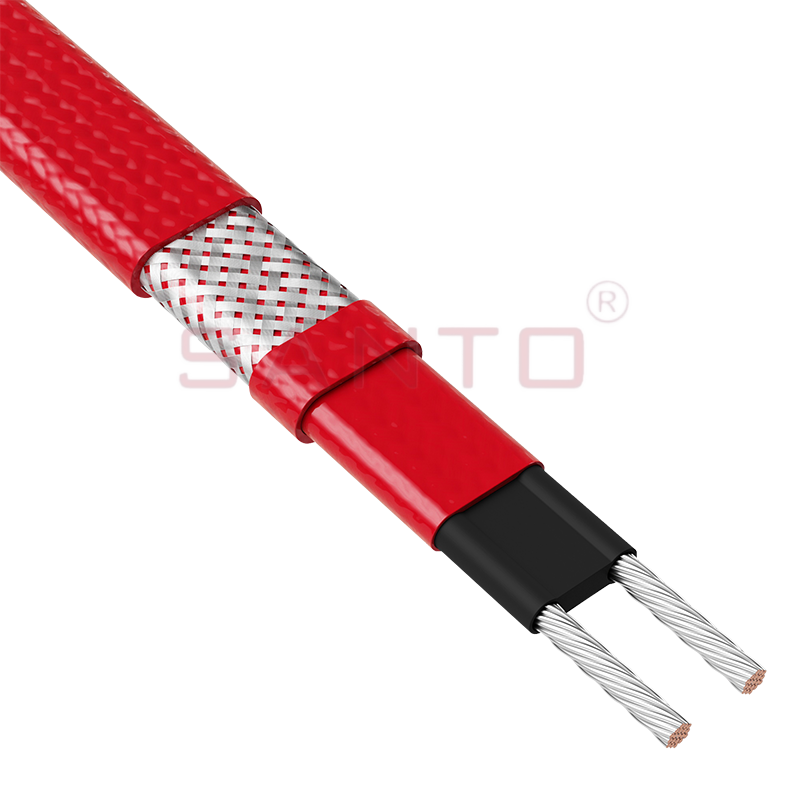
The SANTO UFC range of self-regulating heating cables is used for frost protection of pipes and vessels that require steam cleaning. They can also be used to maintain processes up to 121°C. These heat...
See Details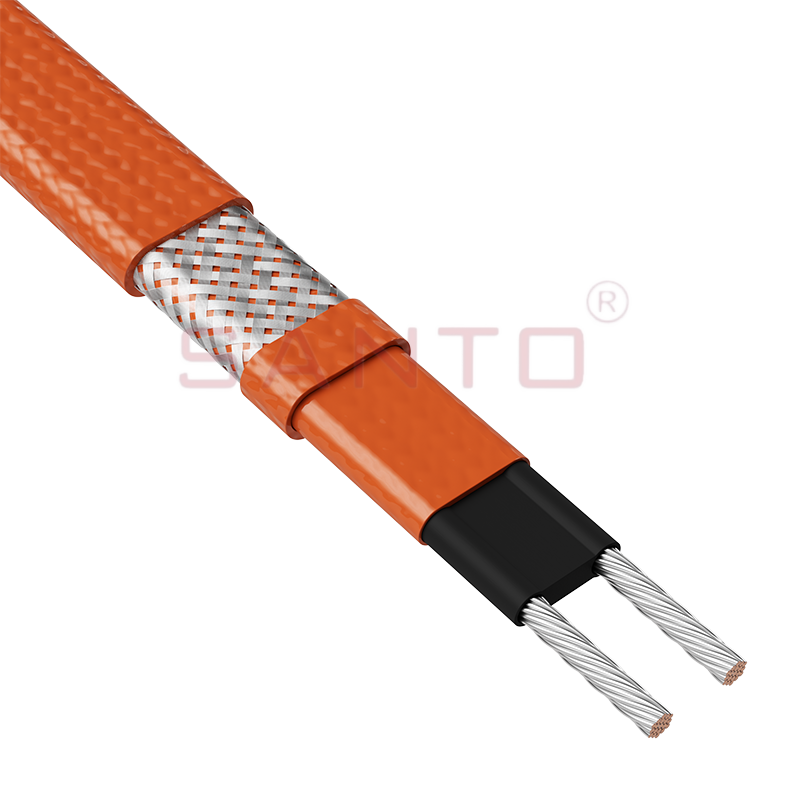
The SANTO UFO range of self-regulating heating cables is mainly used for frost protection of pipes and vessels that require steam cleaning . They can also be used to maintain processes up to 150°C. Th...
See Details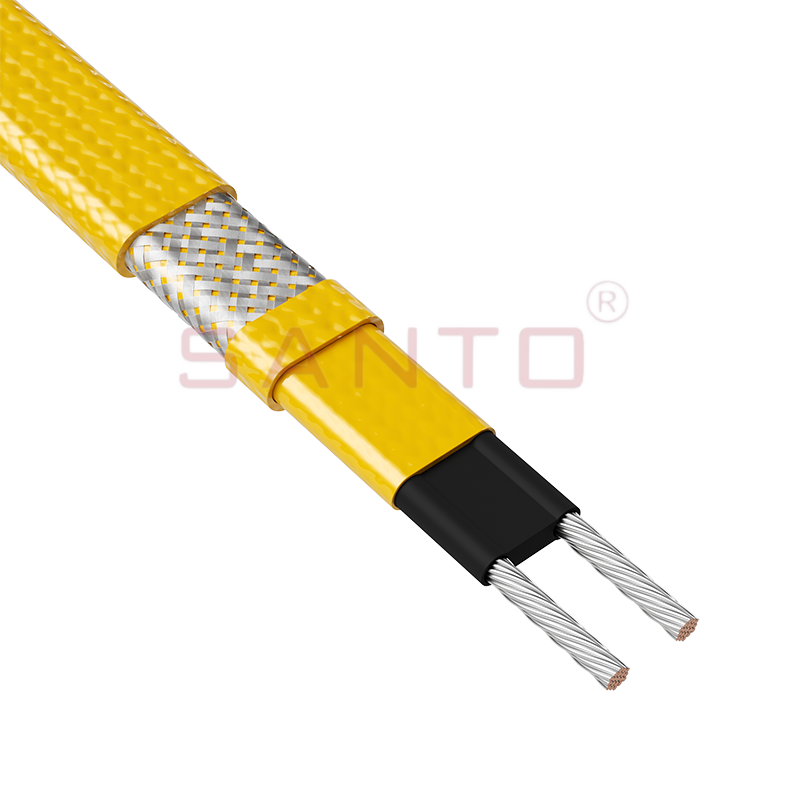
The SANTO UFD series of self-regulating heating cables are mainly used for freeze protection of pipes and vessels, but can also be used to maintain processes up to 200°C. These heating cables are avai...
See Details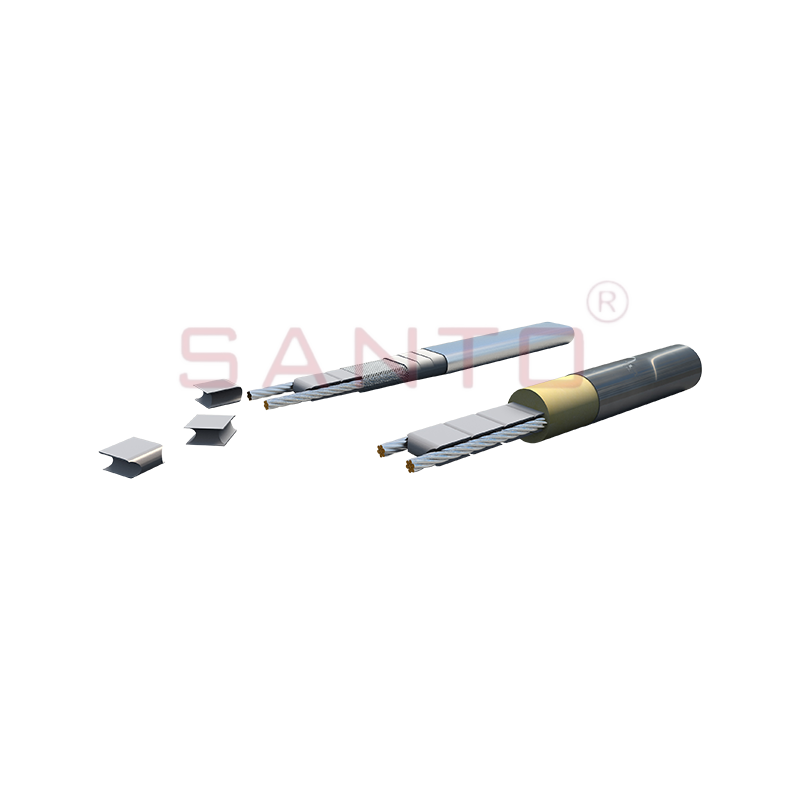
SANTO UFY heating wire is suitable for applications that maintain process temperatures up to 260 ℃ and can be steam blown; The self-regulating and parallel circuit heating wires of the UFY series are ...
See Details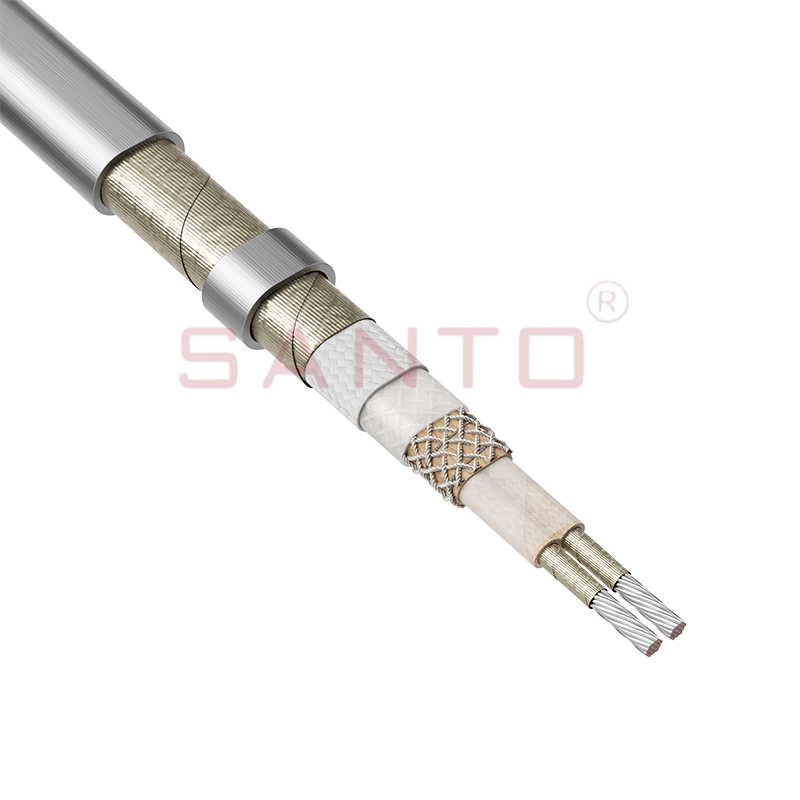
The SANTO UFM series self-regulating heating cables are mainly used for freeze protection of pipes and vessels, but can also be used to maintain processes up to 400°C. These heating cables are availab...
See Details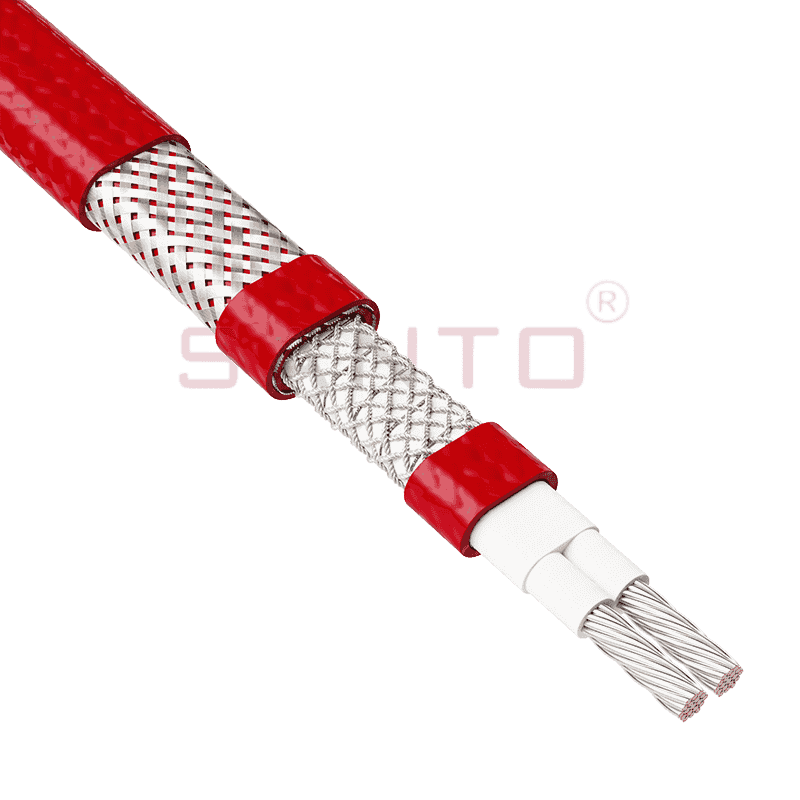
The SANTO ACC range of power-limiting heating cables is mainly used for temperature maintenance of processes and offers the advantage of a high power output at high temperatures which can reduce the n...
See Details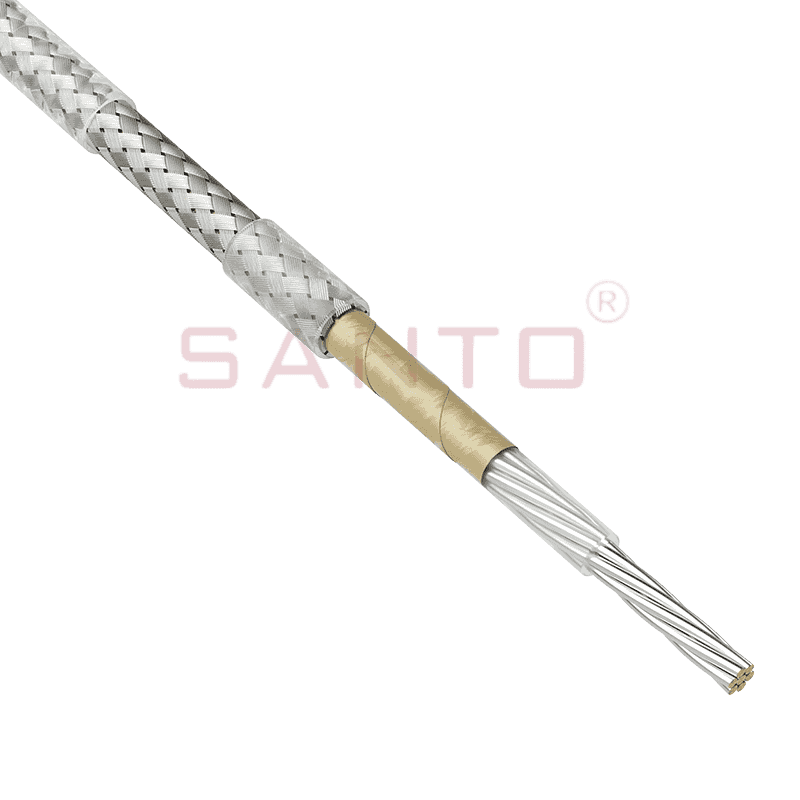
The stranded high temperature conductor is nickel plated to ensure a long life at elevated temperatures in corrosive environments. It is electrically isolated using an innovative sandwich construction...
See Details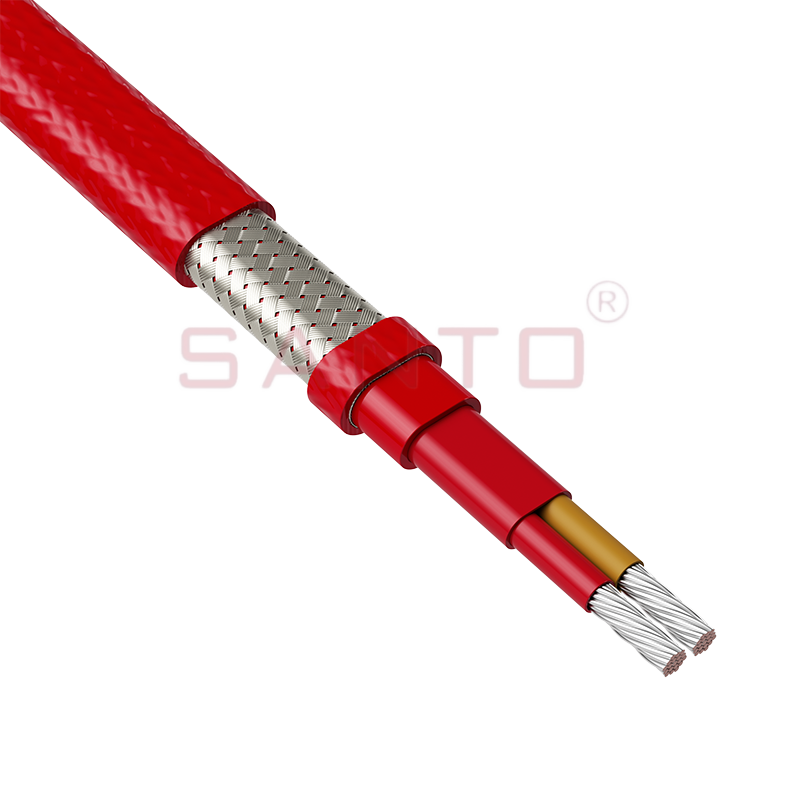
The stranded high temperature conductor is nickel plated to ensure a long life at elevated temperatures in corrosive environments. It is electrically isolated using an innovative sandwich construction...
See Details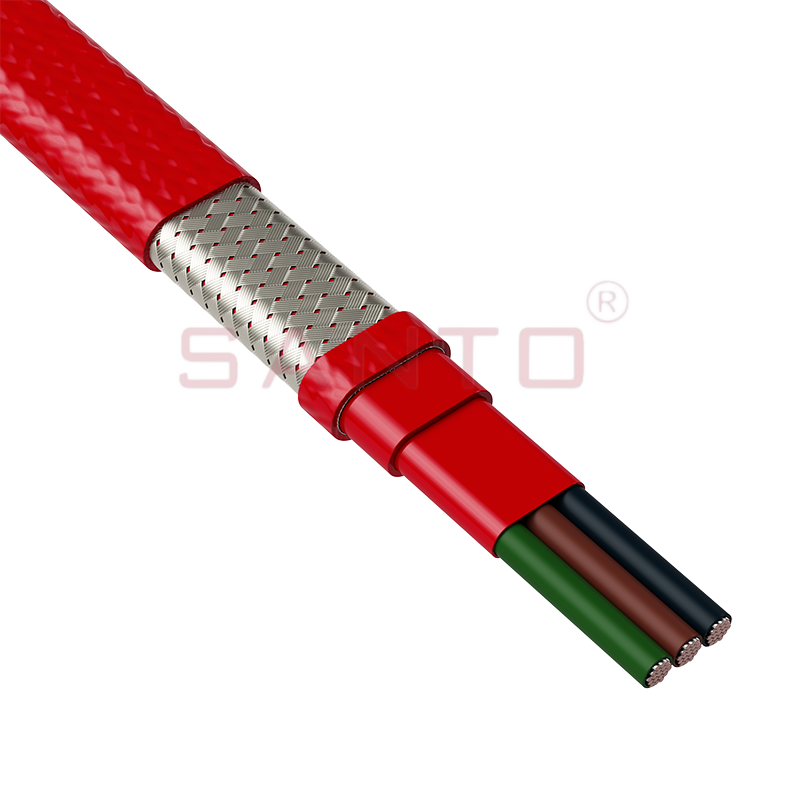
The stranded high temperature conductor is nickel plated to ensure a long life at elevated temperatures in corrosive environments. It is electrically isolated using an innovative sandwich construction...
See Details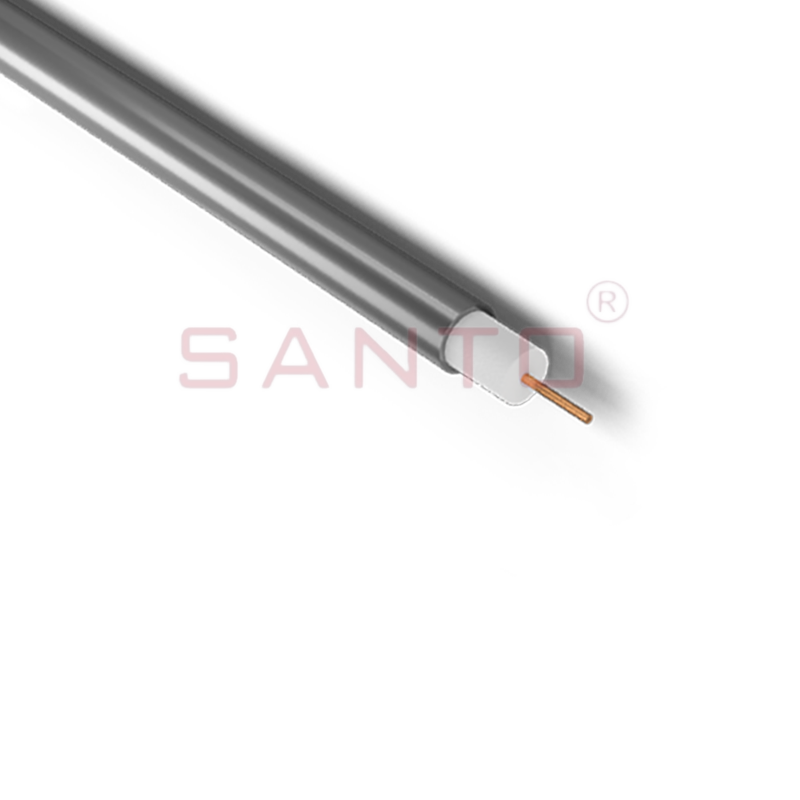
SANTO HAx mineral insulated (MI) Alloy 825 series heating cables are suitable for use in hazardous areas. They have been designed for use in freeze protection and temperature maintenance applications ...
See Details
Santo electric heating strips are widely used in key industries in China.

