English
  English
 русский
 日本語
日本語 Español
 中文简体
中文简体
Content
- What Is a Silicone Rubber Heater?
- How Silicone Rubber Heaters Compare with Other Heating Technologies
- Key Selection Criteria for Silicone Rubber Heaters
- Where Silicone Rubber Heaters Are Used
- Installation, Maintenance and Safety Best Practices
- Frequently Asked Questions about Silicone Rubber Heaters
- Choosing a Silicone Rubber Heater Supplier
What Is a Silicone Rubber Heater?
A silicone rubber heater is a thin, flexible, electrically powered heating element made by sandwiching a resistive circuit between two layers of silicone rubber. It is the first choice when a design calls for uniform heat, close surface contact, low weight and resistance to moisture or chemicals.
The heating circuit is usually an etched metal foil or wire-wound element. Silicone rubber provides electrical insulation and mechanical protection while retaining flexibility. Because the heater can bend around curves and conform to irregular shapes, it transfers heat more evenly than rigid cartridge or strip heaters. Continuous operating temperatures typically range from -60°C to 200°C, with short-term exposure possible up to 230°C depending on construction.
How Silicone Rubber Heaters Compare with Other Heating Technologies
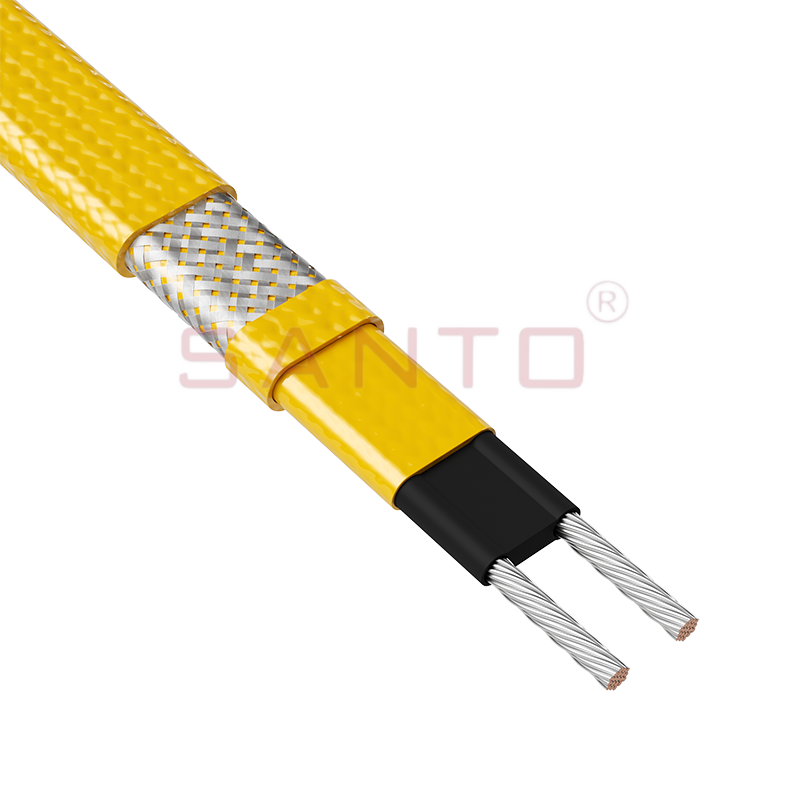
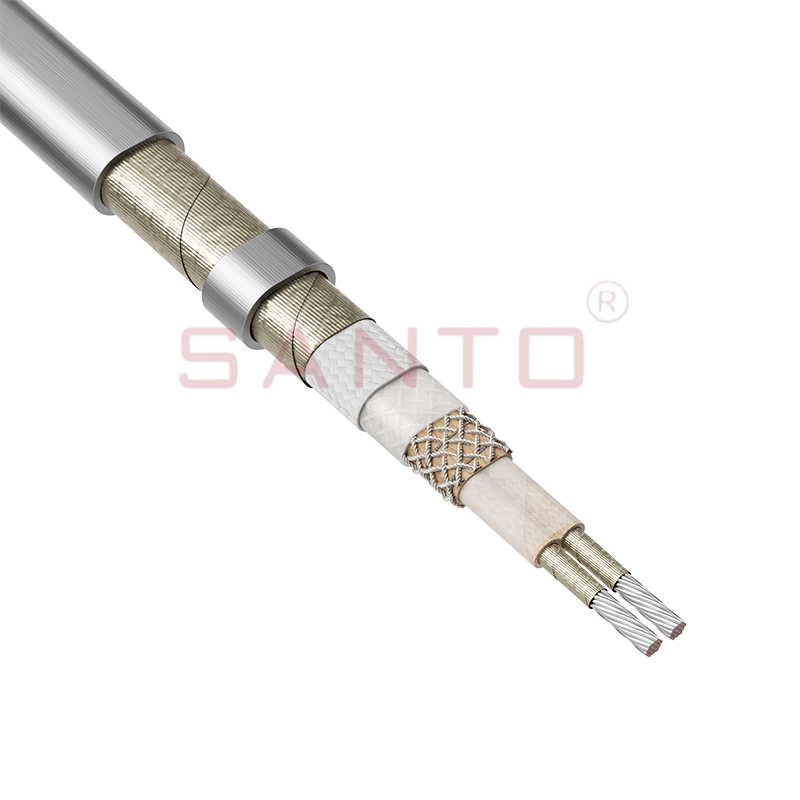
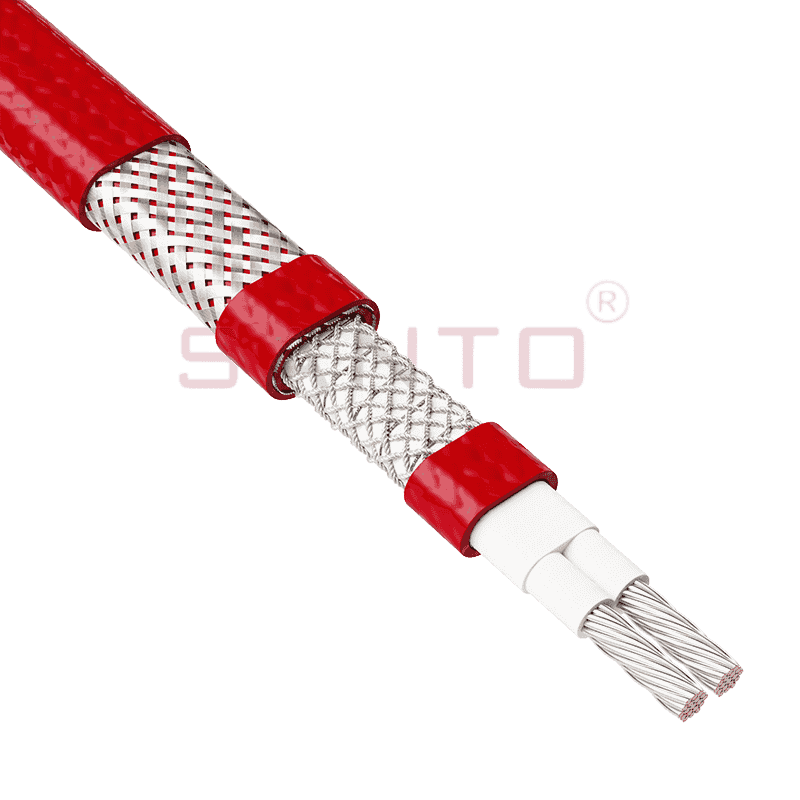
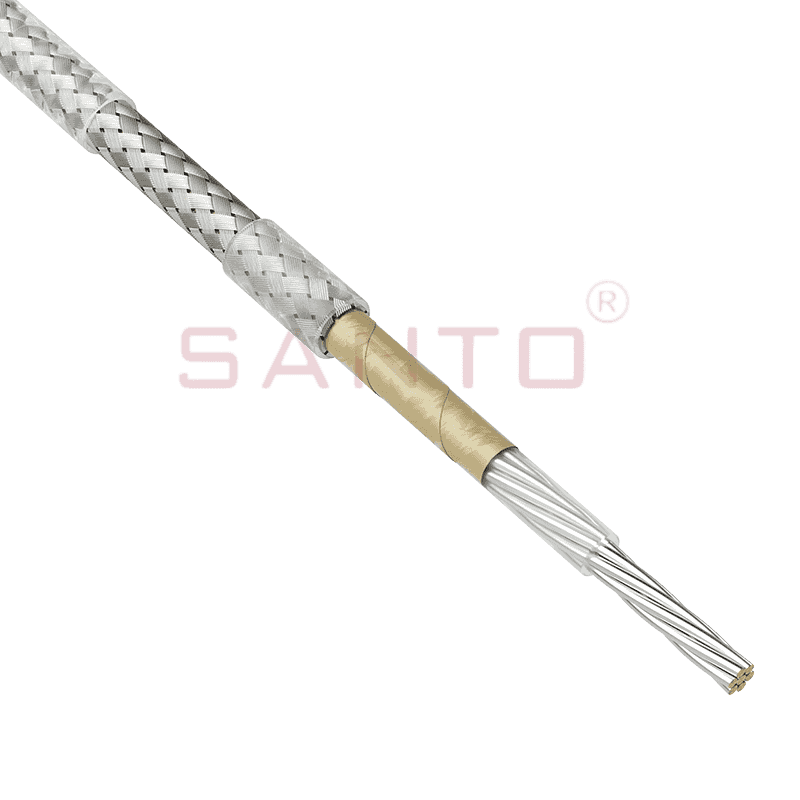
Compared with cable-based and rigid industrial heaters, silicone rubber heaters are best understood as a low-profile surface heating solution rather than a replacement for pipe tracing or high-temperature process heating.
| Property | Silicone Rubber Heater | Self-Regulating Heat-Tracing Cable | Mineral-Insulated Cable |
|---|---|---|---|
| Thickness / flexibility | Very thin, flexible | Flexible, round profile | Rigid, metallic sheath |
| Typical max. temperature | About 200 - 230°C | Usually up to 120 - 150°C | Up to 400°C+ |
| Best use | Flat or curved surfaces, small components | Long pipes, tanks, freeze protection | Very high temperature or hazardous areas |
| Cost profile | Low per cm² for custom shapes | Low per metre for long runs | Higher per metre, more complex |
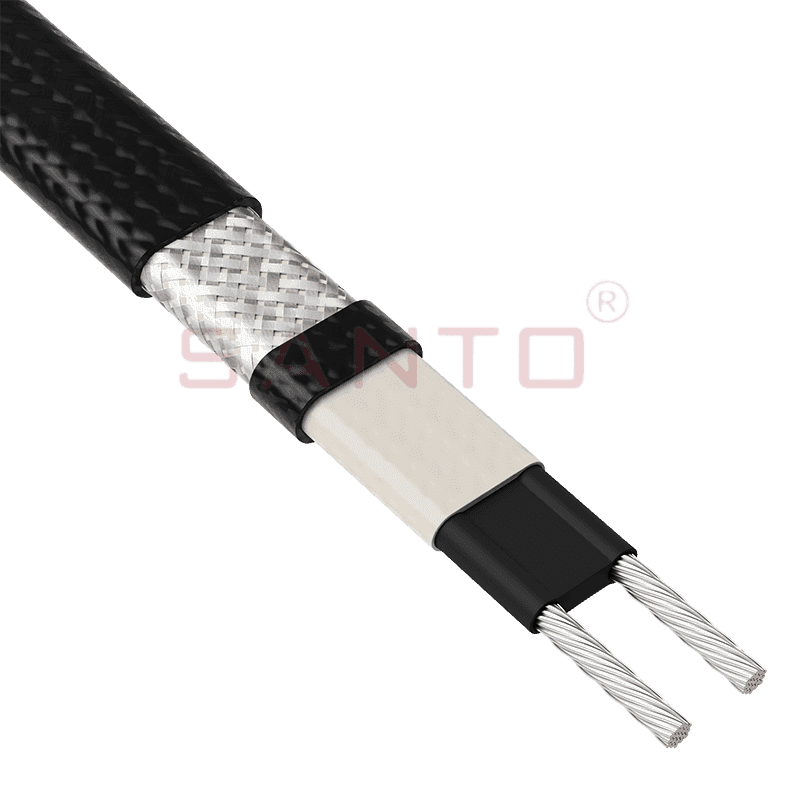
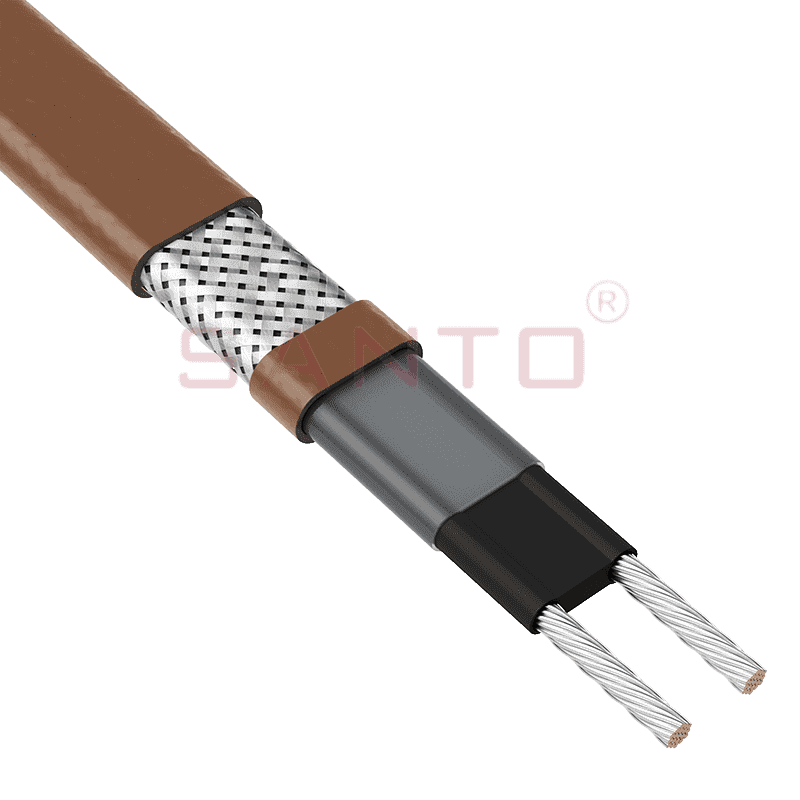
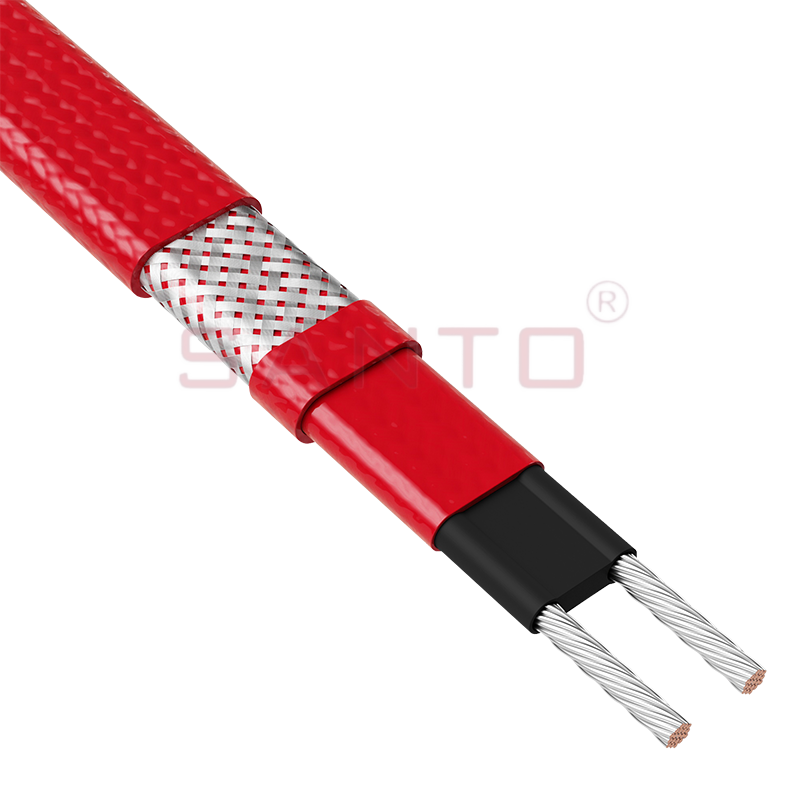
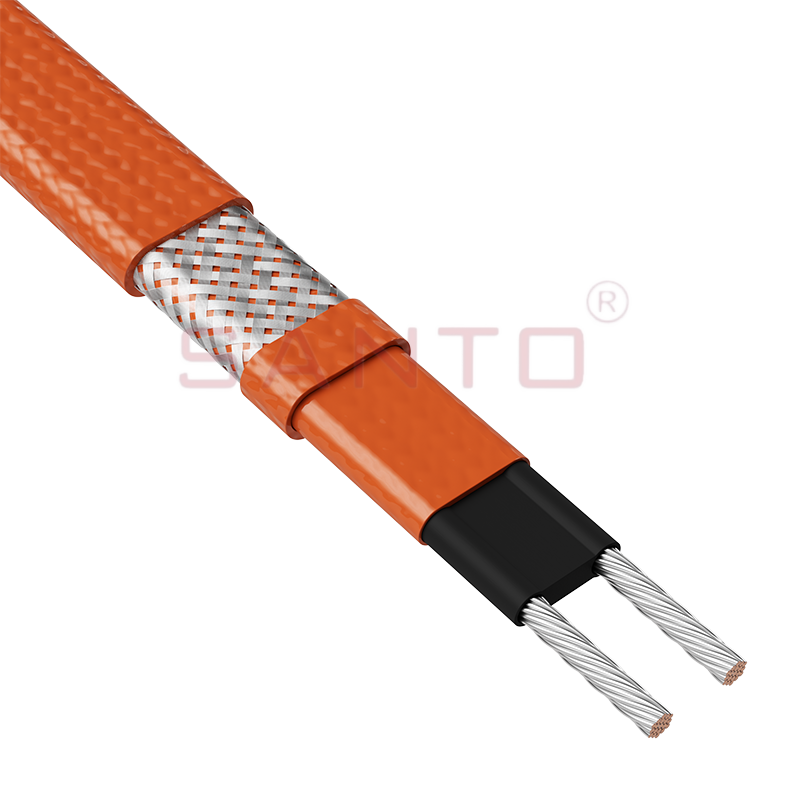
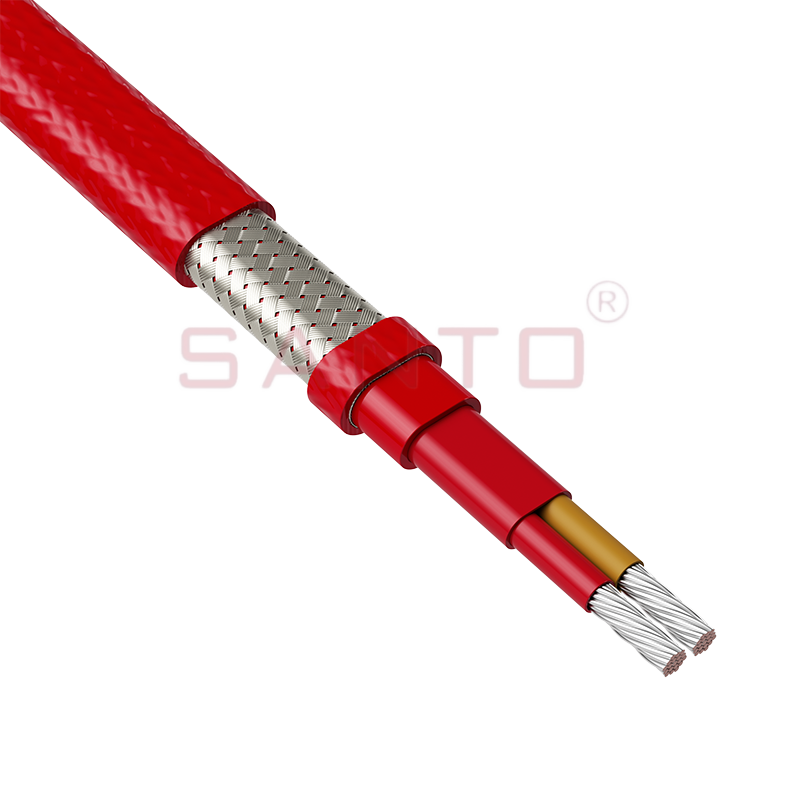
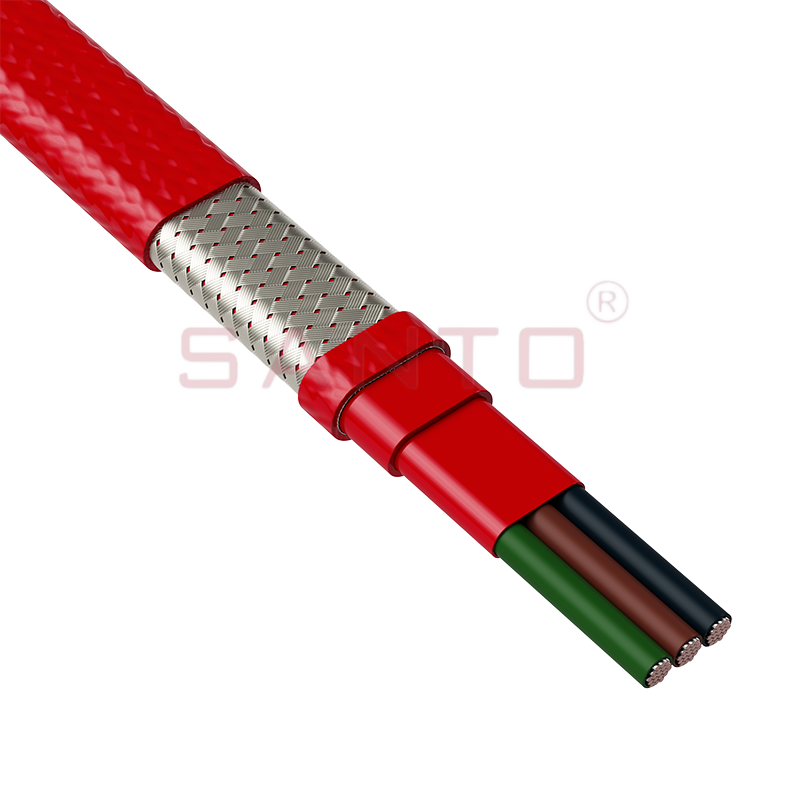
For a long pipeline that needs freeze protection, a self-regulating heating cable is often simpler and more economical. A silicone rubber heater, by contrast, works best where the target area is compact and the mounting surface is curved or uneven. It can provide higher watt density in a smaller footprint and responds quickly when the power is switched on.
Key Selection Criteria for Silicone Rubber Heaters
Select a silicone rubber heater by defining the required temperature, watt density, physical size, mounting method and environmental rating first; only then compare options by price or lead time. Combining accurate selection with proper control prevents overheating, short life and failed qualification tests.
Temperature and Watt Density
Watt density is the power dissipated per unit area, usually expressed in W/cm² or W/in². Too low a value means the heater cannot maintain the target temperature; too high a value can cause surface hot spots that damage the silicone layer or the product being heated.
- For medical and analytical equipment, watt densities of 0.5 - 1.5 W/cm² are common.
- For industrial process heaters on drums or tanks, values of 2 - 4 W/cm² may be acceptable with a temperature controller sensing the heater surface.
- The maximum allowable watt density also depends on the heat sink: aluminium or copper substrates dissipate heat more quickly than plastic or polymer surfaces.
Construction and Mounting
Choose the heater construction and mounting method according to the surface material and how aggressively the part will be handled.
- Pressure-sensitive adhesive backing is convenient for flat, clean surfaces.
- Mechanical fixing, such as clamping or strapping, suits cylindrical drums and removable components.
- An exposed silicone rubber surface is resistant to water and many chemicals, but for repeated wiping or mechanical abrasion, an additional protective layer is advisable.
Environmental and Safety Requirements
Define the operating environment, including humidity, chemicals, outdoor exposure and cleanroom use, before choosing materials and certification levels. Silicone rubber handles moisture well, but the connection point and lead entry remain the most common weak points. Use sealed lead exits and, in explosive atmospheres, combine the heater with an appropriate junction box and control scheme.
Temperature Control and Sensing
Almost every silicone rubber heater should be used with a thermostat or temperature sensor. Even if the heater itself can tolerate continuous operation, the object being heated often cannot. A simple snap-action thermostat can be enough for anti-condensation and freeze protection; a PID controller with a PT100 sensor is better when precise process temperature matters.
For a full thermal system, a complete heating product range that includes controllers, sensors, junction boxes and power terminations reduces integration errors and simplifies procurement.
Where Silicone Rubber Heaters Are Used
Because they are flat, light and easy to bond, silicone rubber heaters appear in devices and machinery that have limited space, sensitive electronics or moving parts. Below are the most common categories.
Medical and Analytical Instruments
Respiratory and anaesthesia equipment, blood analysers, biochemical analysers and imaging instruments use silicone heaters to warm gases, fluids or optical surfaces without adding bulk. For example, a silicone rubber heater for ventilator systems helps maintain temperature in breathing circuits and prevents condensation in the patient airway.
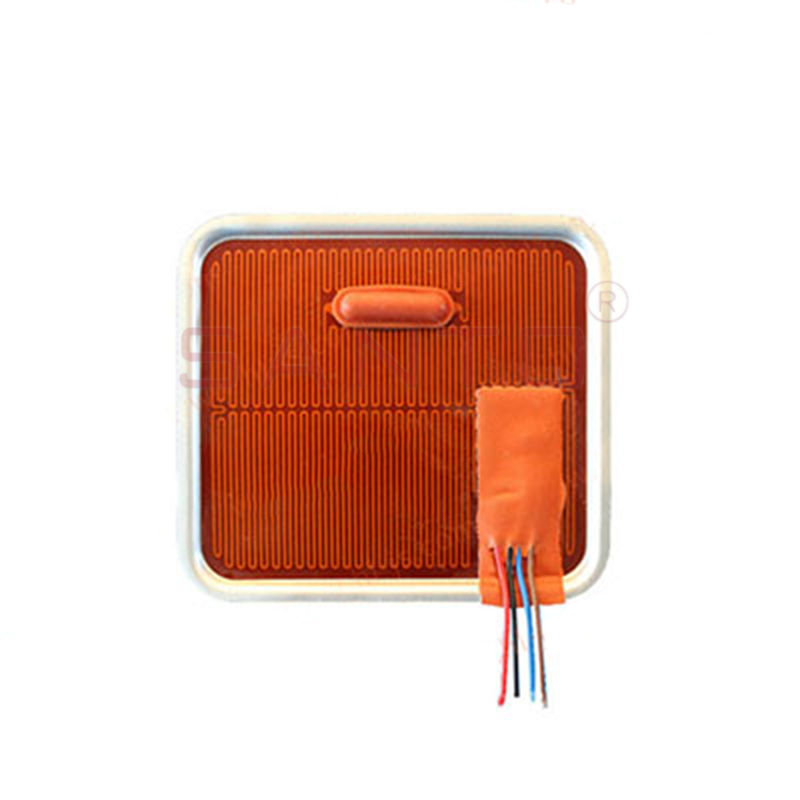 Custom Ventilator heater Manufacturers, Suppliers - Santo Thermal Control TechnoSanto is a China OEM/ODM Ventilator heater manufacturers and Ventilator heater suppliers, We specialize in custom Ventilator heaterexport...View Product →
Semiconductor and Precision Equipment
In semiconductor fabrication, small tube sections, gas lines, valves and sensor housings need precise, stable temperatures. A thin semiconductor pipeline heater can be wrapped around stainless steel tubing to prevent process gas condensation and maintain consistent viscosity in precursor delivery lines.
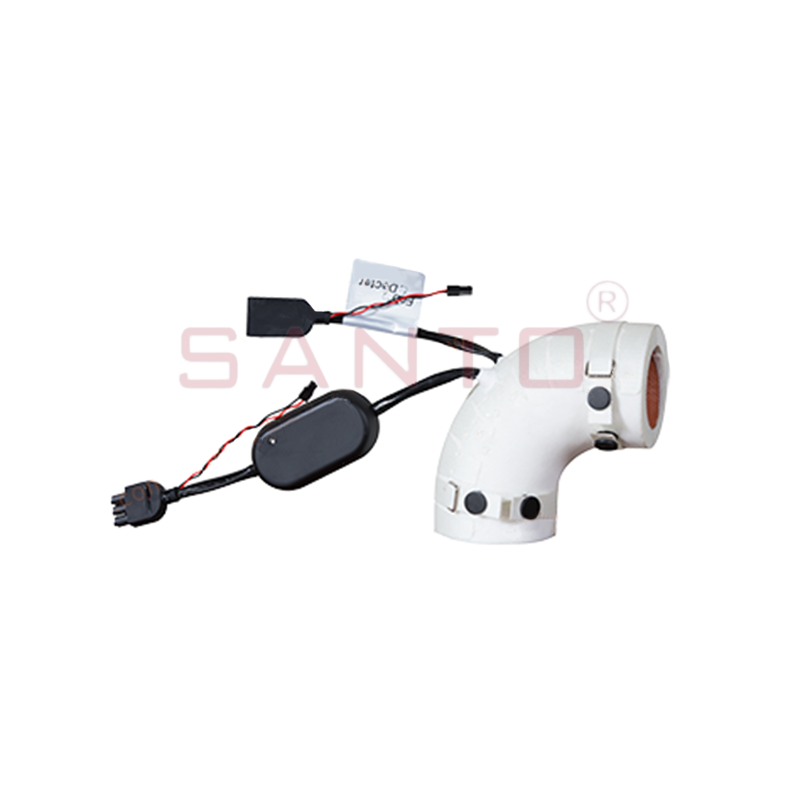 Custom Pipeline heater Manufacturers, Suppliers - Santo Thermal Control TechnoloSanto is a China OEM/ODM Pipeline heater manufacturers and Pipeline heater suppliers, We specialize in custom Pipeline heaterexport sale.View Product →
EV Battery and Industrial Process Heating
Electric vehicle battery packs require low-temperature warming for charging and discharging performance. Silicone rubber heaters can be laminated to battery modules or cooling plates without creating pressure points. In petrochemical and laboratory environments, a silicone rubber barrel heater keeps viscous fluids at the right temperature for pumping, dispensing or chemical reaction.
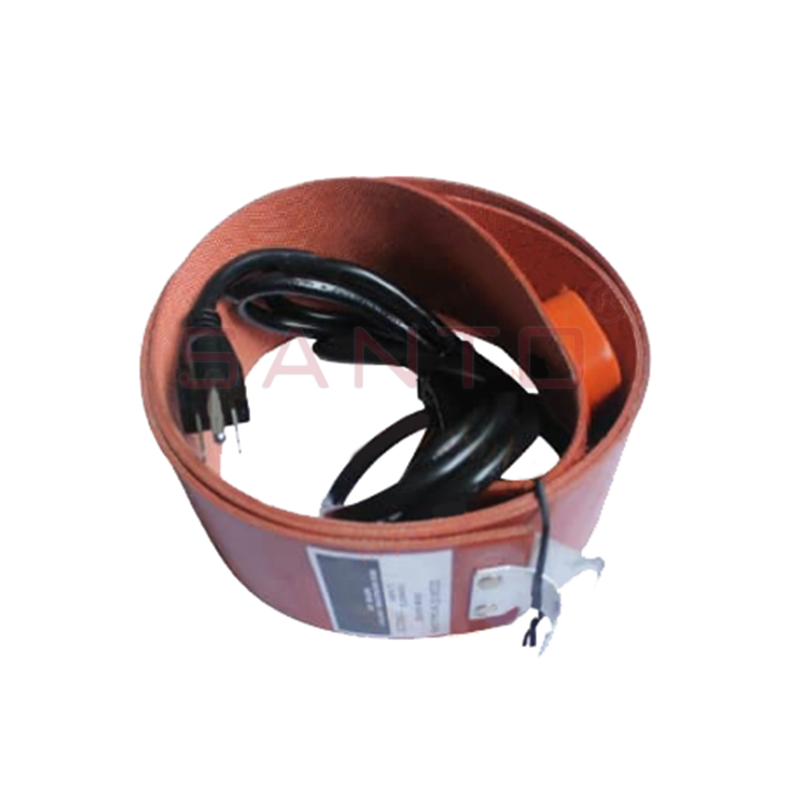 Custom Barrel heater Manufacturers, Suppliers - Santo Thermal Control TechnologySanto is a China OEM/ODM Barrel heater manufacturers and Barrel heater suppliers, We specialize in custom Barrel heaterexport sale.View Product →
Installation, Maintenance and Safety Best Practices
The most reliable silicone rubber heater installation is one that starts with a clean, dry surface, uses the designed mounting method and is protected by a correctly located temperature sensor.
- Clean the mounting surface with a degreasing solvent and allow it to dry fully before applying adhesive-backed heaters.
- Do not bend a foil-element heater over a radius smaller than the manufacturer's recommended minimum; sharp creases can crack the resistive circuit.
- Place the temperature sensor away from direct contact with the heating element, and ideally at the point where the product temperature matters.
- Inspect lead wires and connectors regularly; most field failures are caused by mechanical fatigue at the lead exit rather than by the heater itself.
- Never overlap or self-adhere a heater while it is live, and always trip the circuit at the isolator before maintenance.
If your application also involves pipe freeze protection or tank heat tracing, self-regulating cable is often the safest technical route because it reduces output as the ambient temperature rises and can be cut to length on site. For project-specific questions, do not hesitate to contact our engineering team with the surface area, operating temperature and ambient conditions.
Frequently Asked Questions about Silicone Rubber Heaters
What is the maximum operating temperature of a silicone rubber heater?
Continuous ratings are usually 200°C, and some constructions allow intermittent exposure up to 230°C. The safe value depends on watt density, heat sink and the adhesive or mounting method.
Can a silicone rubber heater be cut to size?
Heaters with etched foil elements should not be cut without factory approval, because cutting can sever the circuit and void the insulation. For custom lengths, order the heater manufactured to the required size instead of trimming in the field.
Are silicone rubber heaters waterproof?
Silicone rubber itself is moisture-resistant, but the heater is only as waterproof as its lead exit and connector. Specify sealed lead exits or potted terminations for wet or washdown environments.
How do I choose between a silicone rubber heater and a heat-tracing cable?
Use a silicone rubber heater for flat plates, small components, enclosures and compact equipment. Use a heat-tracing cable for long pipes, tanks, roof lines and other extended geometries where cable routing is easier than attaching a pad heater.
Choosing a Silicone Rubber Heater Supplier
Look for a partner that can design the circuit, choose the right silicone thickness, integrate temperature sensing and provide documented test evidence, not just a catalogue of standard pads. A good supplier will ask about electrical ratings, thermal performance, environmental exposure and applicable safety standards before quoting.
SANTO builds silicone rubber heating systems across medical, semiconductor, EV and petrochemical product lines, and can pair heaters with controllers, sensors and power connection accessories for a complete thermal management package. Starting with a clear set of requirements makes it easier to identify whether a custom heater or a standard product is the more practical option.