 English
  English
 русский
 日本語
日本語 Español
 中文简体
中文简体The SANTO UFA range of self-regulating heating cables is mainly used for frost protection of pipes and vessels but can also be used to maintain processes up to 65°C. These heating cables are available...
See Details
Self-regulating heat trace is a revolutionary solution for maintaining temperature control in pipelines, tanks, and industrial equipment. Its unique design ensures energy efficiency, safety, and adaptability, making it a preferred choice across chemical, oil, gas, and food industries. Understanding its working principle and advantages allows engineers and facility managers to optimize performance and reduce operational costs.
Content
A Self-regulating heat trace is a type of electric heating cable that automatically adjusts its heat output based on the surrounding temperature. Unlike constant wattage cables, it increases or decreases energy output depending on whether the environment is cold or warm. This self-adjustment minimizes energy consumption and reduces the risk of overheating.
The core of a Self-regulating heat trace is its conductive polymer material. This polymer has a positive temperature coefficient, which means its electrical resistance increases as the temperature rises. As a result:
| Component | Function |
|---|---|
| Conductive Polymer Core | Regulates electrical resistance according to temperature |
| Bus Wires | Supply electrical current to the polymer core |
| Outer Jacket | Provides mechanical protection and chemical resistance |
| Insulation Layer | Ensures electrical safety and prevents short circuits |
Self-regulating heat trace is widely used across various industries due to its efficiency and reliability. Common applications include:
Compared to conventional heating cables, Self-regulating heat trace provides multiple benefits:
Comparing Self-regulating heat trace with constant wattage cables and steam tracing highlights its advantages:
| Feature | Self-Regulating Heat Trace | Constant Wattage Cable | Steam Tracing |
|---|---|---|---|
| Temperature Control | Automatic self-regulation | Requires thermostat or manual control | Dependent on steam pressure |
| Energy Efficiency | High – adjusts to ambient conditions | Moderate – continuous power output | Low – energy loss in steam distribution |
| Installation Flexibility | Cuttable to length, versatile routing | Fixed length, less flexible | Complex piping and insulation required |
| Maintenance | Low | Medium | High – prone to leaks and corrosion |
| Safety | High – self-limiting prevents overheating | Medium – risk of hotspots | Medium – risk of burns and leaks |
Proper installation of Self-regulating heat trace ensures maximum efficiency and safety:
Self-regulating heat trace requires minimal maintenance, but safety checks are essential:
Yes, most self-regulating heat trace cables are UV-resistant and can withstand harsh outdoor conditions. Ensure proper insulation and mounting for maximum durability.
They are designed for continuous operation and can run 24/7. The self-regulating property prevents overheating, making them safe for long-term use.
Yes, self-regulating heat trace automatically adjusts power based on temperature, often saving up to 30-50% energy compared to constant wattage cables.
Yes, most self-regulating cables can be cut to size in the field. Always follow manufacturer instructions and use proper end seals.
Oil & gas, chemical processing, food and beverage, water supply, and power generation industries benefit greatly due to freeze protection and temperature maintenance needs.
The Self-regulating heat trace is an advanced heating solution offering energy efficiency, safety, and reliability across multiple industries. Its self-limiting design, ease of installation, and minimal maintenance make it a superior choice for freeze protection, temperature maintenance, and industrial heating applications. Choosing the right cable and installation method ensures optimal performance, cost savings, and long-term operational efficiency.
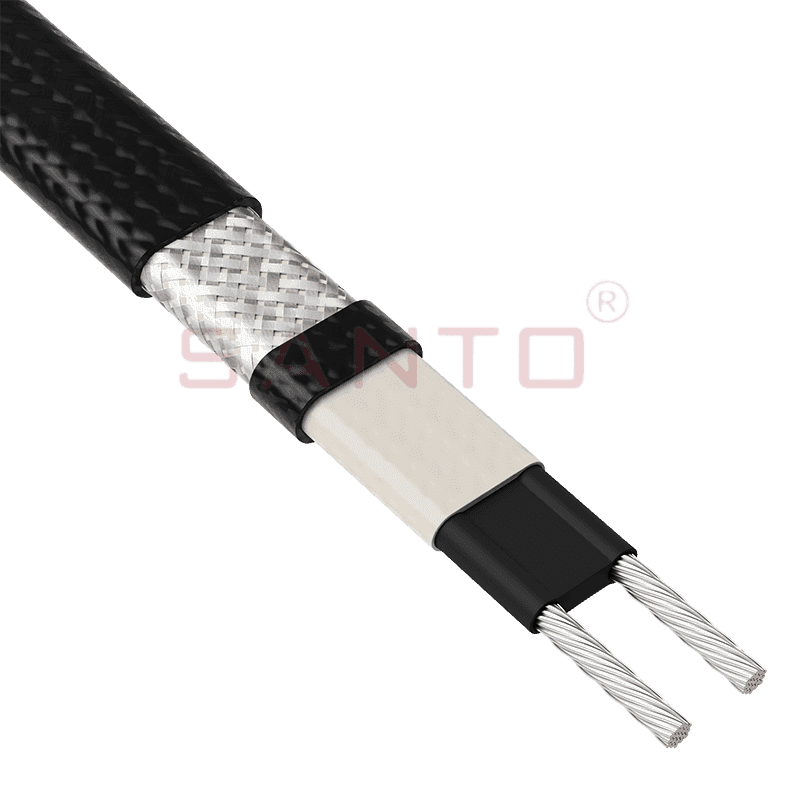
The SANTO UFA range of self-regulating heating cables is mainly used for frost protection of pipes and vessels but can also be used to maintain processes up to 65°C. These heating cables are available...
See Details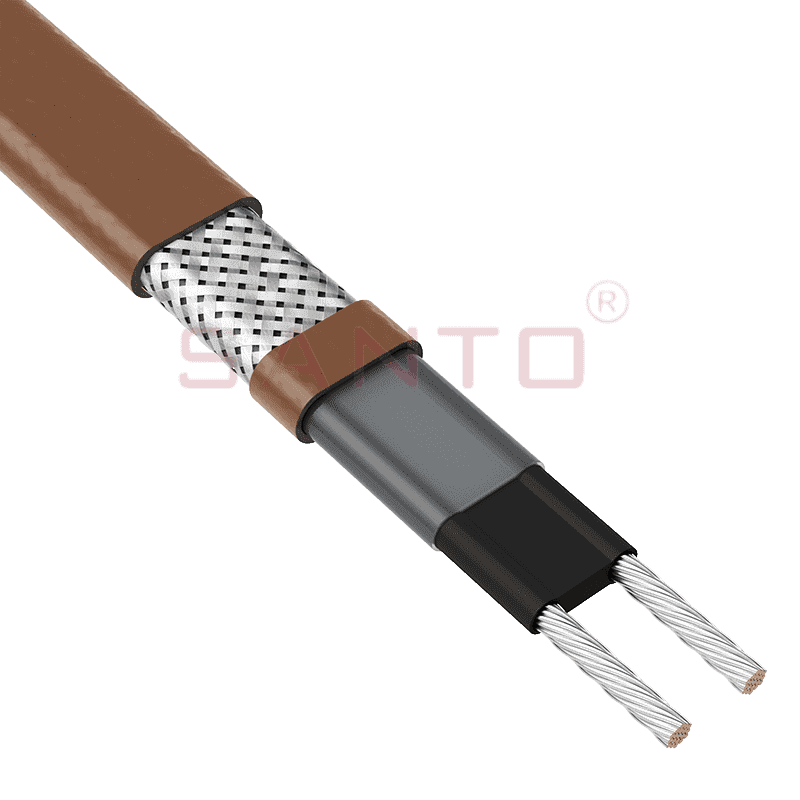
The SANTO UFB range of self-regulating heating cables is mainly used for frost protection of pipes and vessels requiring a higher power output than the UFA heating cables can supply. They can also be ...
See Details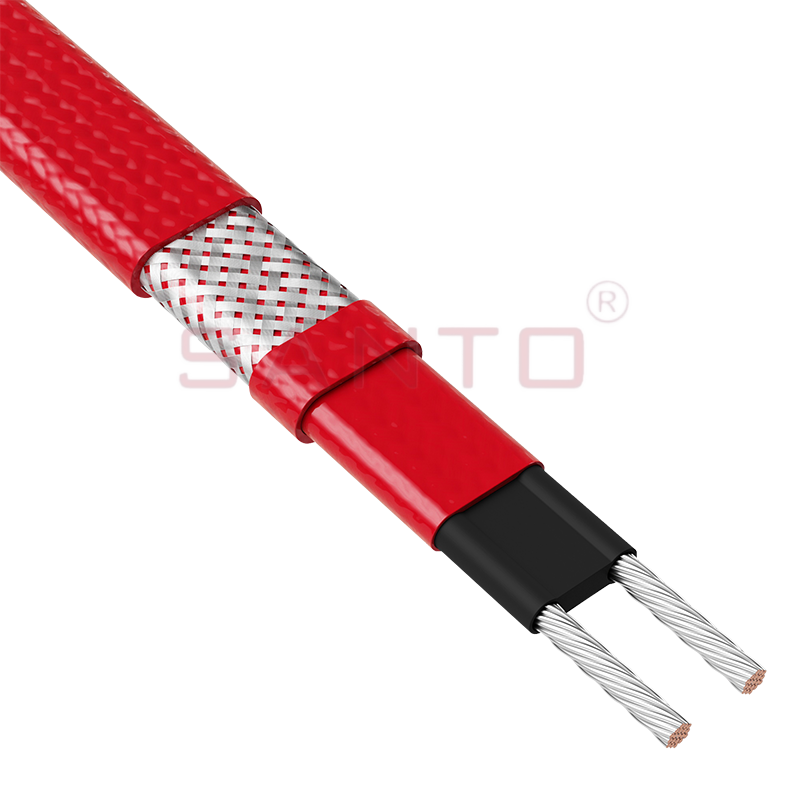
The SANTO UFC range of self-regulating heating cables is used for frost protection of pipes and vessels that require steam cleaning. They can also be used to maintain processes up to 121°C. These heat...
See Details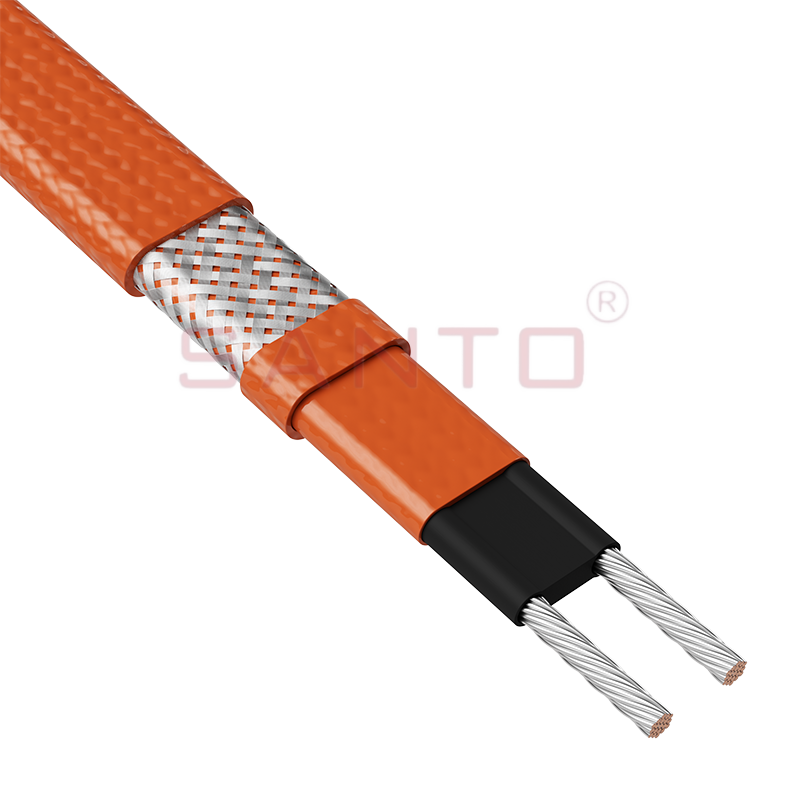
The SANTO UFO range of self-regulating heating cables is mainly used for frost protection of pipes and vessels that require steam cleaning . They can also be used to maintain processes up to 150°C. Th...
See Details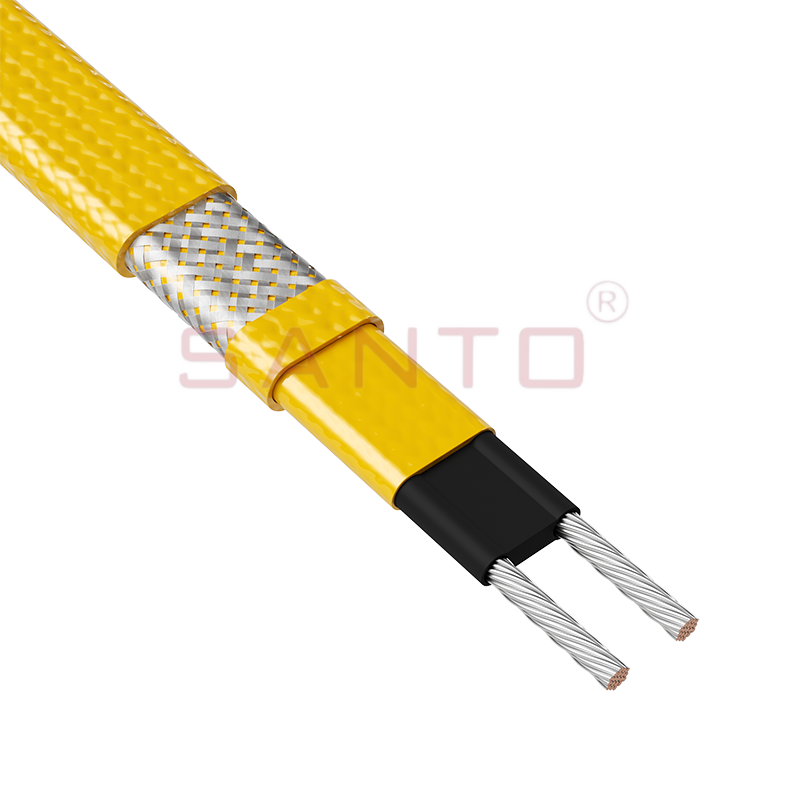
The SANTO UFD series of self-regulating heating cables are mainly used for freeze protection of pipes and vessels, but can also be used to maintain processes up to 200°C. These heating cables are avai...
See Details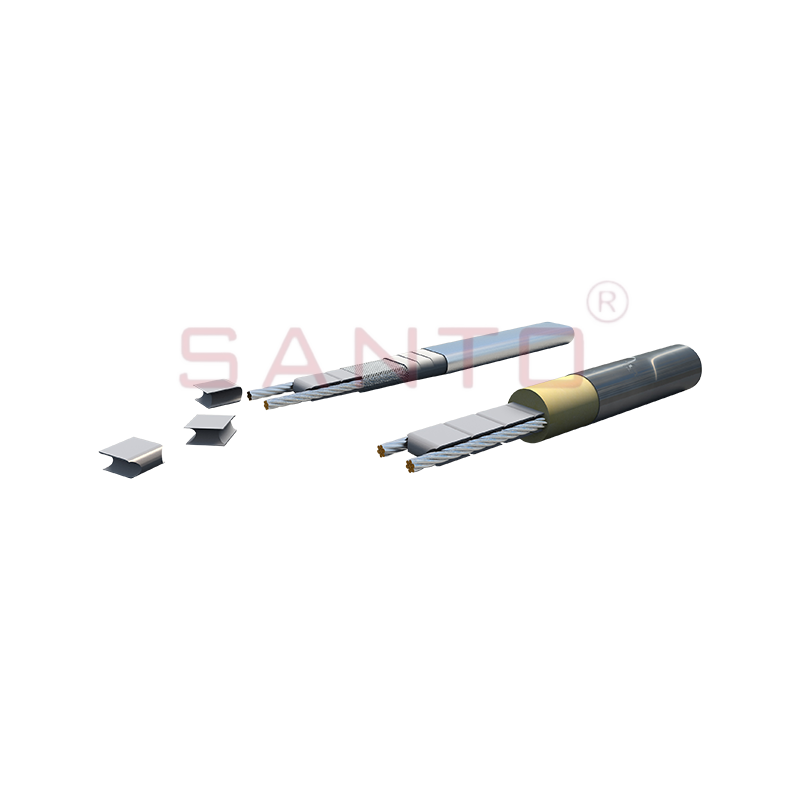
SANTO UFY heating wire is suitable for applications that maintain process temperatures up to 260 ℃ and can be steam blown; The self-regulating and parallel circuit heating wires of the UFY series are ...
See Details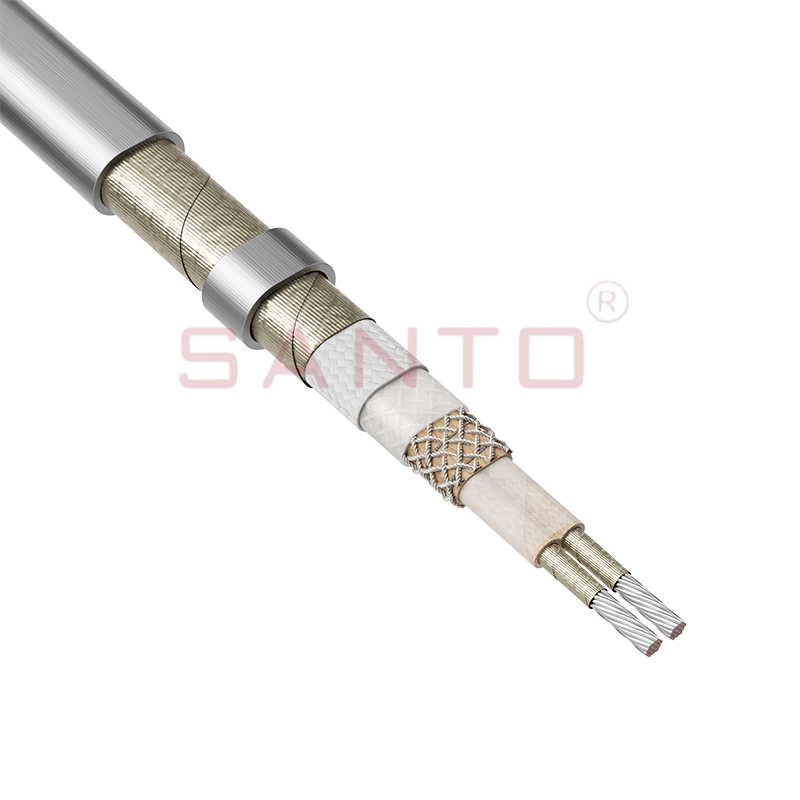
The SANTO UFM series self-regulating heating cables are mainly used for freeze protection of pipes and vessels, but can also be used to maintain processes up to 400°C. These heating cables are availab...
See Details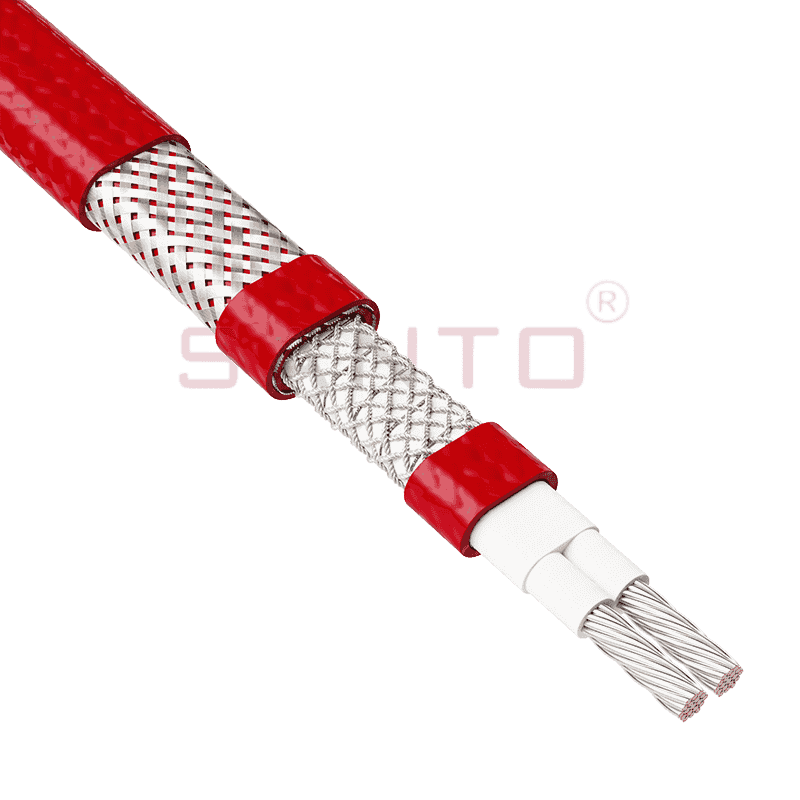
The SANTO ACC range of power-limiting heating cables is mainly used for temperature maintenance of processes and offers the advantage of a high power output at high temperatures which can reduce the n...
See Details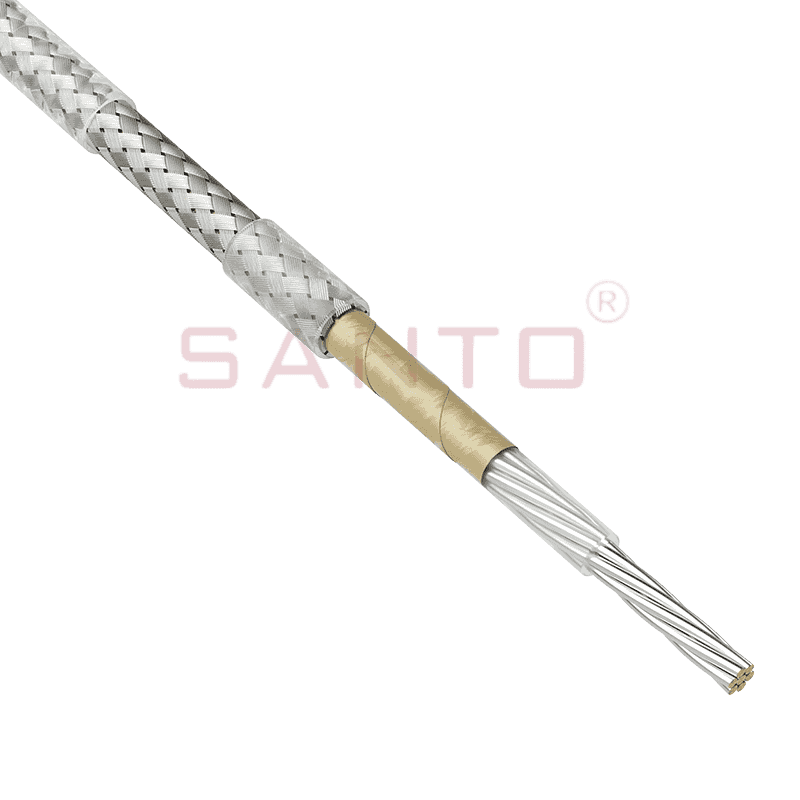
The stranded high temperature conductor is nickel plated to ensure a long life at elevated temperatures in corrosive environments. It is electrically isolated using an innovative sandwich construction...
See Details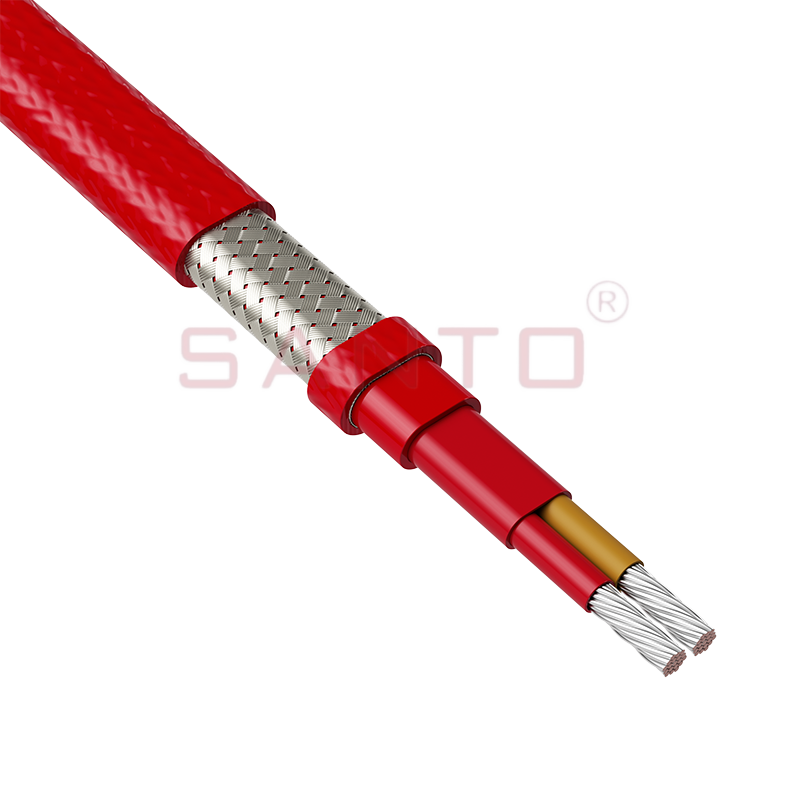
The stranded high temperature conductor is nickel plated to ensure a long life at elevated temperatures in corrosive environments. It is electrically isolated using an innovative sandwich construction...
See Details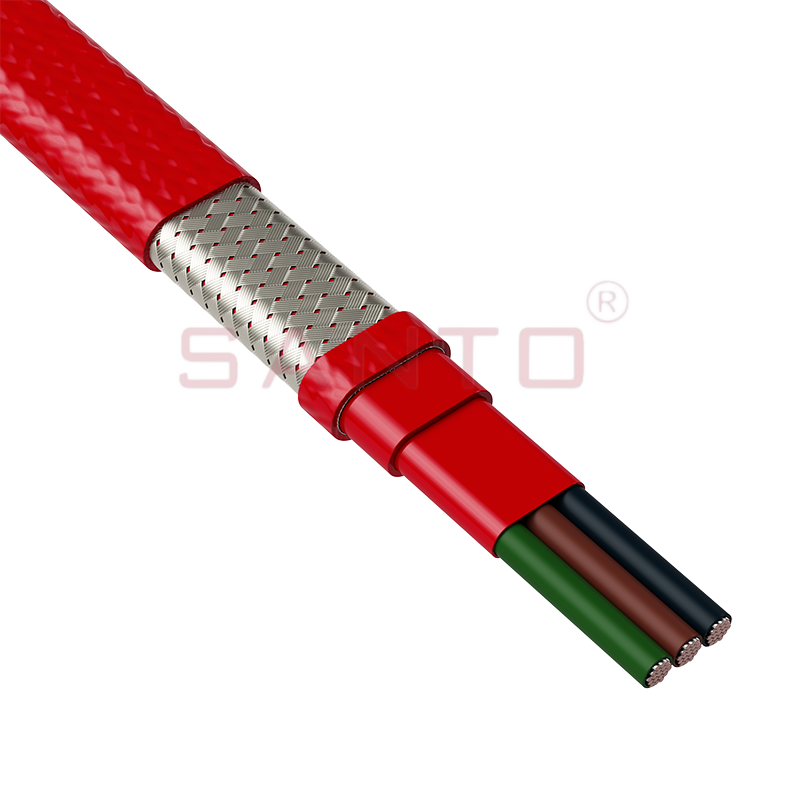
The stranded high temperature conductor is nickel plated to ensure a long life at elevated temperatures in corrosive environments. It is electrically isolated using an innovative sandwich construction...
See Details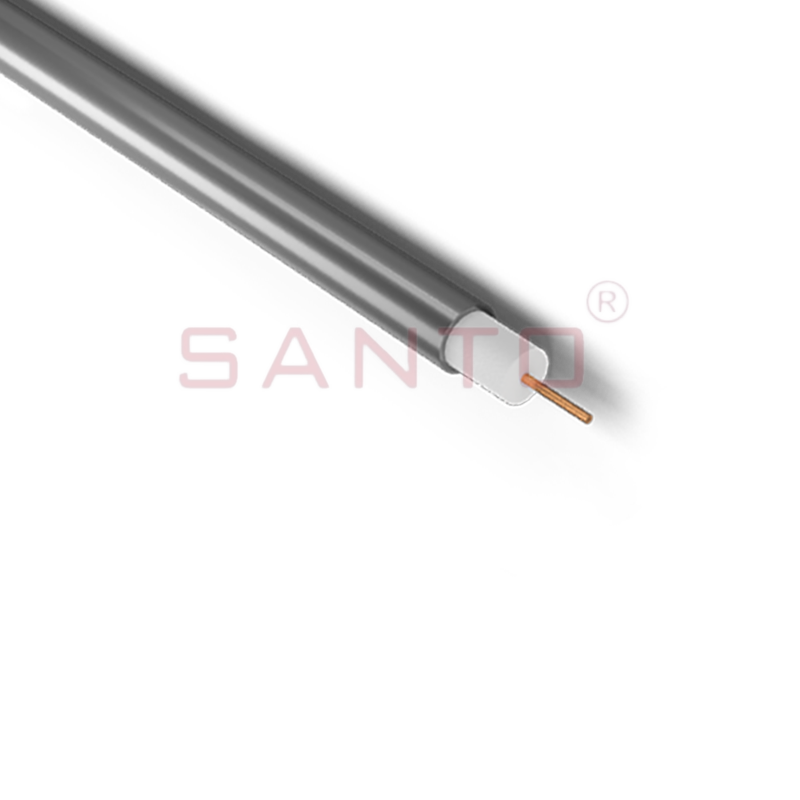
SANTO HAx mineral insulated (MI) Alloy 825 series heating cables are suitable for use in hazardous areas. They have been designed for use in freeze protection and temperature maintenance applications ...
See Details
Santo electric heating strips are widely used in key industries in China.

