 English
  English
 русский
 日本語
日本語 Español
 中文简体
中文简体The SANTO UFA range of self-regulating heating cables is mainly used for frost protection of pipes and vessels but can also be used to maintain processes up to 65°C. These heating cables are available...
See Details
As infrastructure ages and extreme cold weather events become more frequent across North America, Europe, and Asia-Pacific, facility managers, plumbers, and engineers are turning to self regulating heat tracing systems to protect pipes, tanks, roofs, and industrial processes from freeze damage — without the risk of overheating or fire.
This comprehensive guide explains how this technology works, how it compares to conventional options, what industries rely on it, and what buyers need to know when selecting a system.
Content
Self regulating heat tracing is a type of electric resistance heating cable designed to respond dynamically to temperature changes along its entire length. Unlike fixed-wattage heating cables that emit a constant level of heat regardless of conditions, self-regulating cables contain a conductive polymer core that expands and contracts at the molecular level in response to temperature fluctuations.
When the cable detects cold temperatures — near a pipe joint, a cold wall penetration, or an exposed exterior run — it increases its electrical resistance less, allowing more current to flow and generating more heat. When the surrounding area warms up, the polymer contracts, increasing resistance and reducing heat output automatically.
This behavior occurs independently at every point along the cable simultaneously. A single run of self-limiting heat tape can be warmer at one end and cooler in the middle — all without any external controls, thermostats, or sensors (though thermostats are still recommended for energy efficiency).
The heart of self-regulating heat tape is a specially formulated carbon-impregnated polymer matrix extruded between two parallel bus wires. When electricity flows from one bus wire to the other through this matrix, it generates heat via resistance.
As temperature rises, the polymer expands microscopically. This expansion breaks many of the conductive carbon pathways within the matrix, increasing electrical resistance and reducing current flow — and therefore, heat output. As temperature drops, the polymer contracts, reconnecting those pathways, lowering resistance, and restoring heat output.
Self-limiting heat tape products are rated by their maximum maintain temperature and their maximum exposure temperature:
Understanding the difference between self regulating heat tracing and constant wattage (fixed-output) heat tracing is critical before making a purchasing decision.
The most widespread use of self-limiting heat tape is protecting water supply pipes from freezing during winter. Exposed pipes in crawl spaces, attics, exterior walls, and garages are particularly vulnerable. Self-regulating cable wraps around or runs alongside pipes and activates automatically when temperatures drop — keeping water flowing without constant monitoring.
Ice dams on roofs cause billions of dollars in property damage every winter. Self-regulating heat tracing installed in roof valleys, eaves, and gutters melts ice and snow in those critical zones. Because the cable adjusts output based on temperature, it does not waste energy on warm days and will not overheat on sunny winter afternoons when ambient temperatures rise.
Chemical plants, oil refineries, food processing facilities, and pharmaceutical manufacturers rely on heat tracing to maintain precise temperatures in pipes and vessels carrying viscous or temperature-sensitive materials. Medium and high-temperature self regulating heat tracing systems maintain process temperatures efficiently across complex pipe networks.
In upstream and midstream oil and gas, self-limiting heat tape is used to prevent hydrate formation in gas lines, maintain crude oil viscosity in gathering systems, and protect instrumentation from freezing in arctic or sub-arctic environments.
Dry-pipe and wet-pipe fire suppression systems in unheated warehouses, parking structures, and cold storage facilities require freeze protection to remain operational. Self-regulating heat tape is widely approved for this use under NFPA and FM Global standards.
Airport taxiways, bridge decks, tunnel drainage systems, and rail switches use self regulating heat tracing to prevent ice formation that could create safety hazards or operational delays.
The term self-limiting heat tape is used interchangeably with self-regulating heat tape in most contexts, though the "self-limiting" label specifically emphasizes one property: the cable's inherent ability to cap its own temperature output.
This is critical for safety. A constant-wattage cable that becomes insulated — buried under extra pipe insulation, for instance — will continue outputting the same wattage even as the surrounding temperature rises. This creates hot spots and, in extreme cases, can ignite surrounding materials.
A self-limiting heat tape cable in the same situation will automatically reduce its heat output as the insulated area warms. It cannot sustain a dangerous hot spot because the physics of the polymer core prevent it.
Choosing the correct self-regulating heat tracing product requires evaluating several factors:
The global electric heat tracing market, of which self-regulating heat tracing represents the dominant and fastest-growing segment, was valued at over $4.5 billion in 2025 and is projected to continue expanding through the end of the decade, driven by:
Across residential, commercial, and industrial sectors, self regulating heat tracing has become the preferred electric heat tracing technology for good reason. Its combination of automatic temperature response, inherent overheating prevention, installation flexibility, and long-term energy efficiency makes it technically superior to constant wattage alternatives in most real-world applications.
Whether you're protecting a homeowner's water supply pipe from a single cold snap or engineering a heat tracing system for a chemical plant with miles of process piping, self-regulating heat tape and self-limiting heat tape products offer the performance, safety, and reliability that modern infrastructure demands.
As energy efficiency standards tighten and extreme weather events grow more frequent, the adoption of intelligent, self-managing heating systems will only accelerate. For anyone specifying, installing, or procuring electric heat tracing, understanding self-regulating heat tracing technology is no longer optional — it is essential.
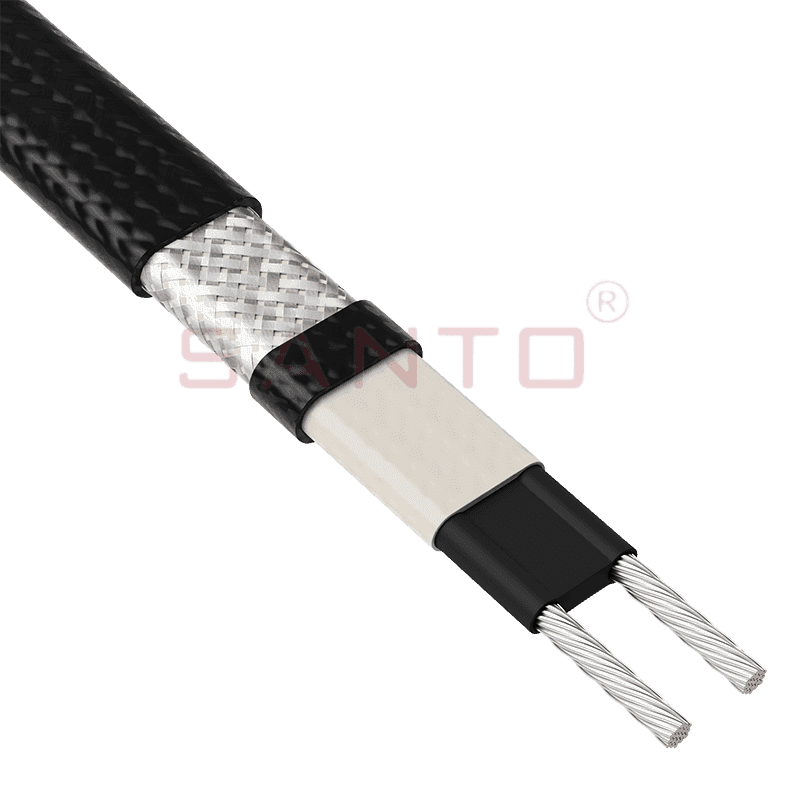
The SANTO UFA range of self-regulating heating cables is mainly used for frost protection of pipes and vessels but can also be used to maintain processes up to 65°C. These heating cables are available...
See Details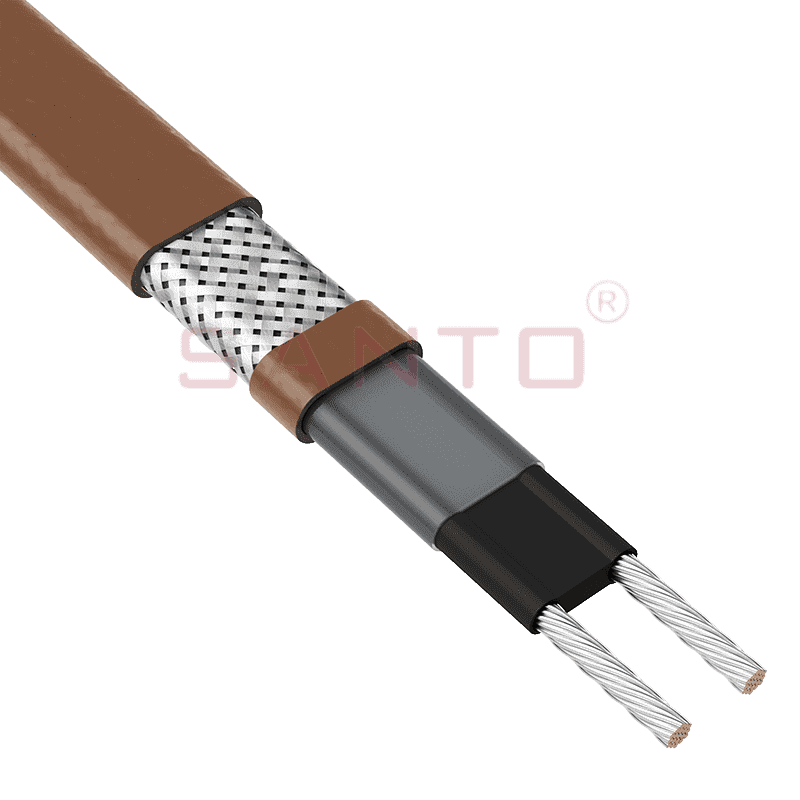
The SANTO UFB range of self-regulating heating cables is mainly used for frost protection of pipes and vessels requiring a higher power output than the UFA heating cables can supply. They can also be ...
See Details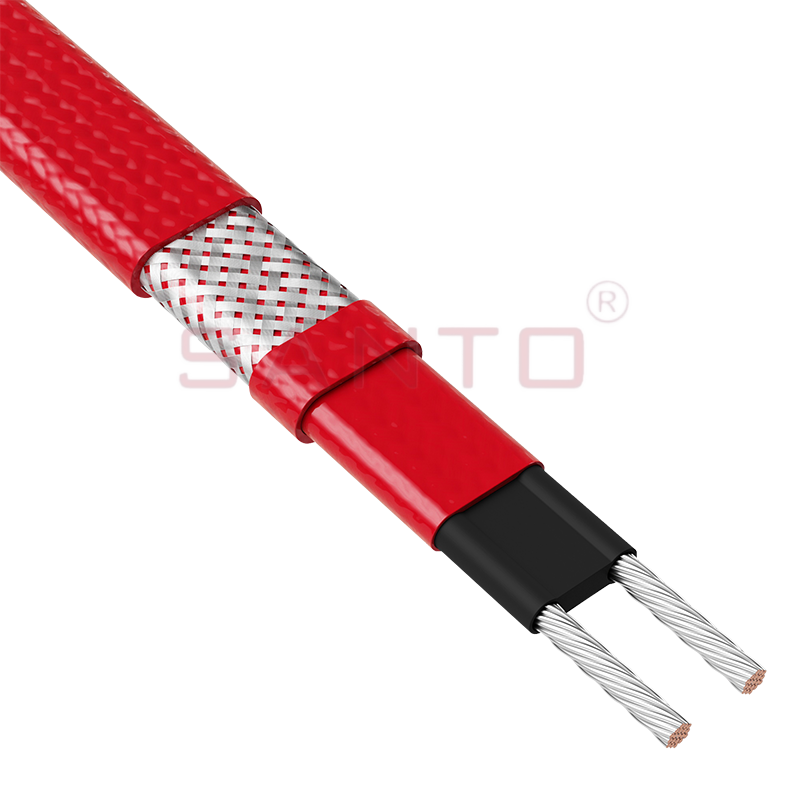
The SANTO UFC range of self-regulating heating cables is used for frost protection of pipes and vessels that require steam cleaning. They can also be used to maintain processes up to 121°C. These heat...
See Details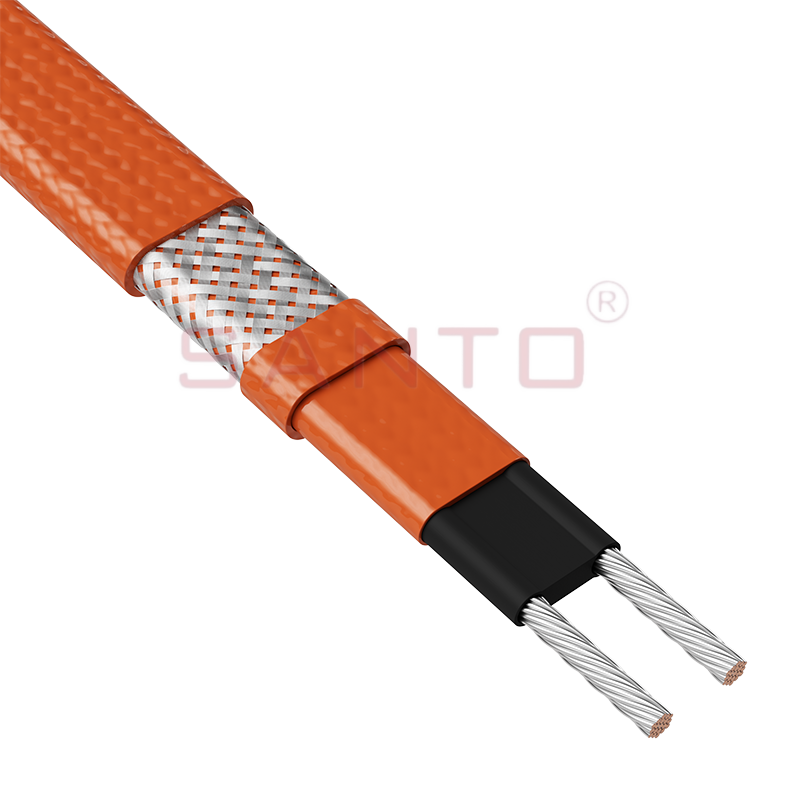
The SANTO UFO range of self-regulating heating cables is mainly used for frost protection of pipes and vessels that require steam cleaning . They can also be used to maintain processes up to 150°C. Th...
See Details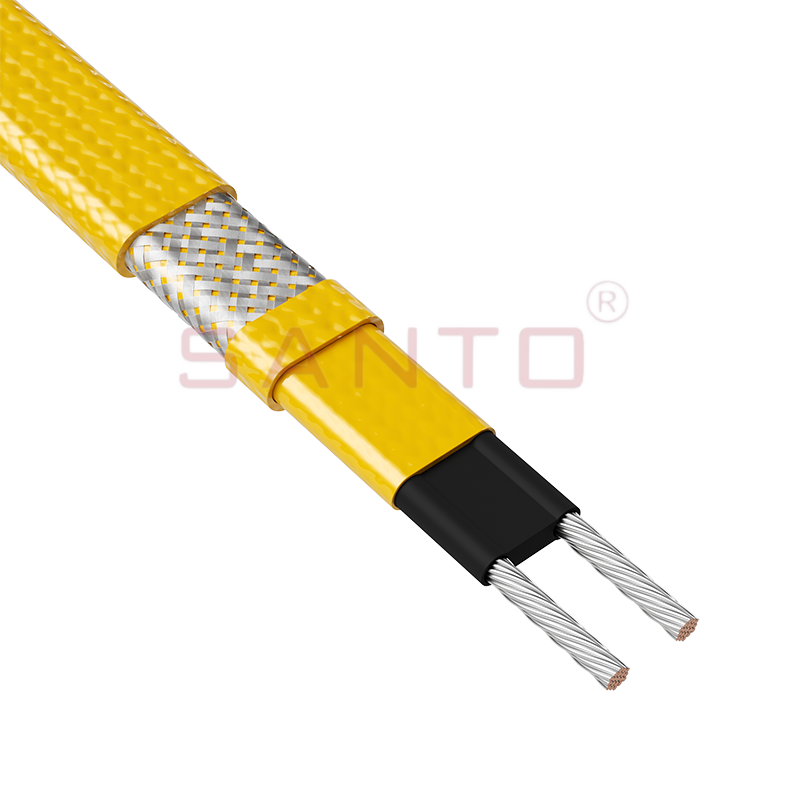
The SANTO UFD series of self-regulating heating cables are mainly used for freeze protection of pipes and vessels, but can also be used to maintain processes up to 200°C. These heating cables are avai...
See Details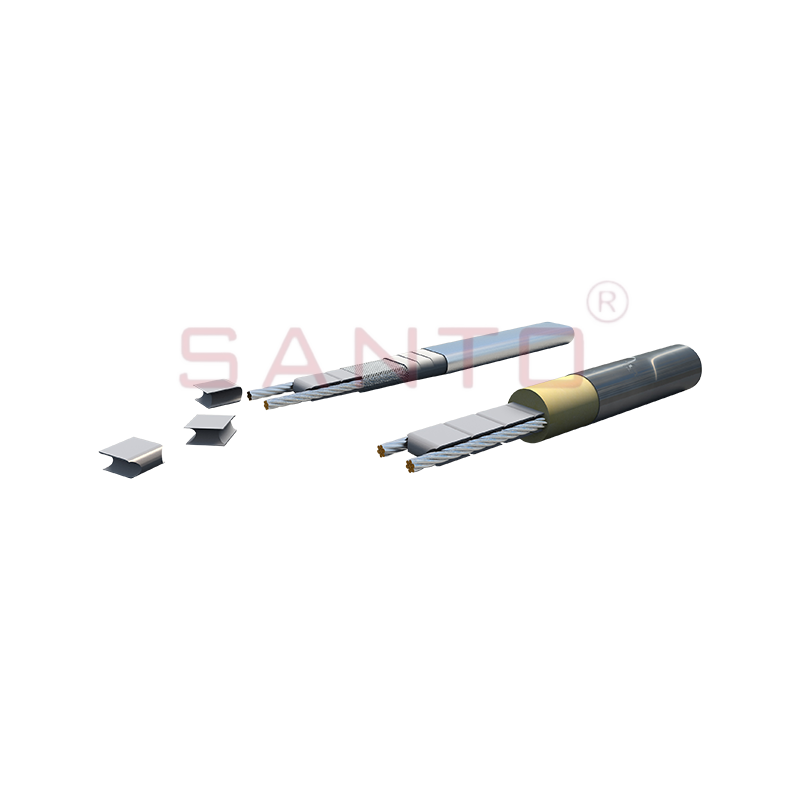
SANTO UFY heating wire is suitable for applications that maintain process temperatures up to 260 ℃ and can be steam blown; The self-regulating and parallel circuit heating wires of the UFY series are ...
See Details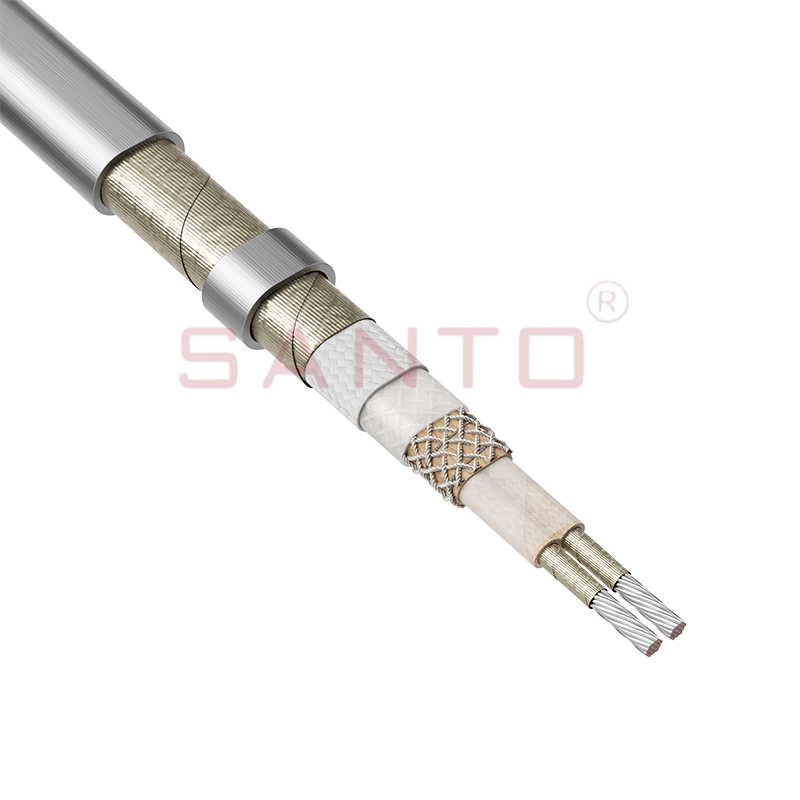
The SANTO UFM series self-regulating heating cables are mainly used for freeze protection of pipes and vessels, but can also be used to maintain processes up to 400°C. These heating cables are availab...
See Details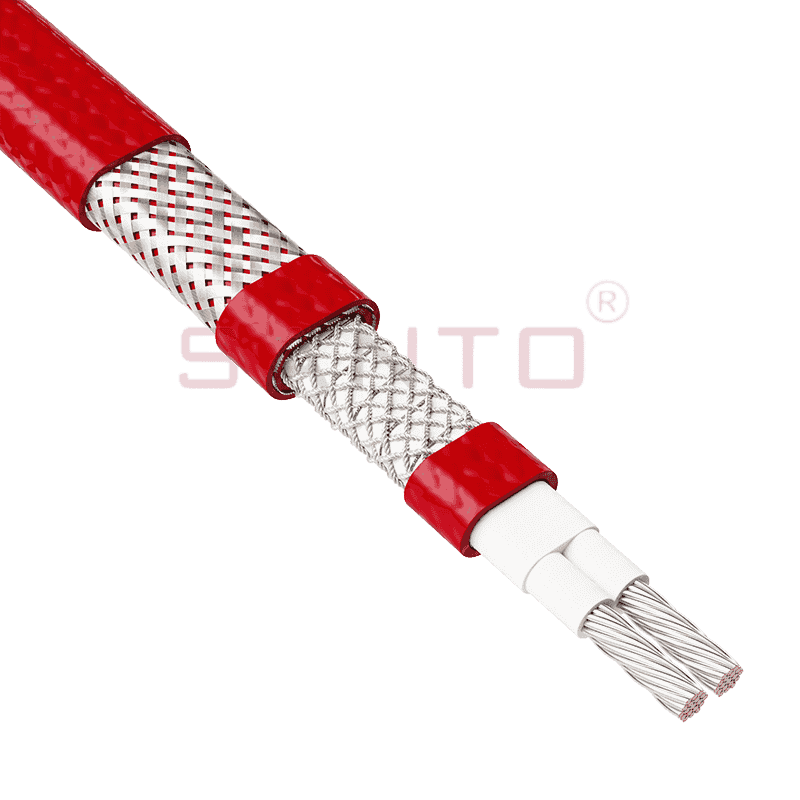
The SANTO ACC range of power-limiting heating cables is mainly used for temperature maintenance of processes and offers the advantage of a high power output at high temperatures which can reduce the n...
See Details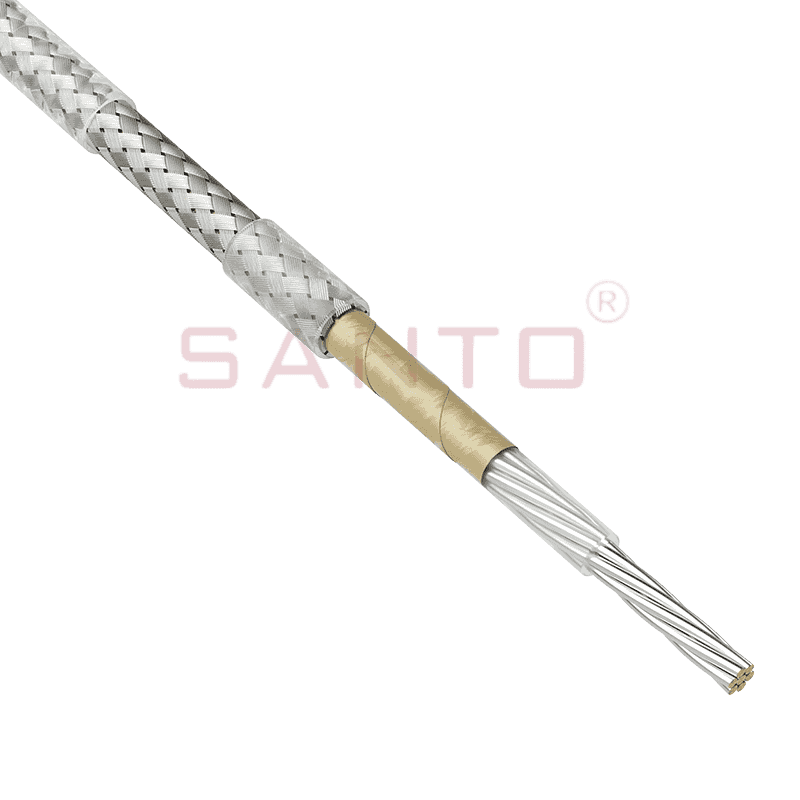
The stranded high temperature conductor is nickel plated to ensure a long life at elevated temperatures in corrosive environments. It is electrically isolated using an innovative sandwich construction...
See Details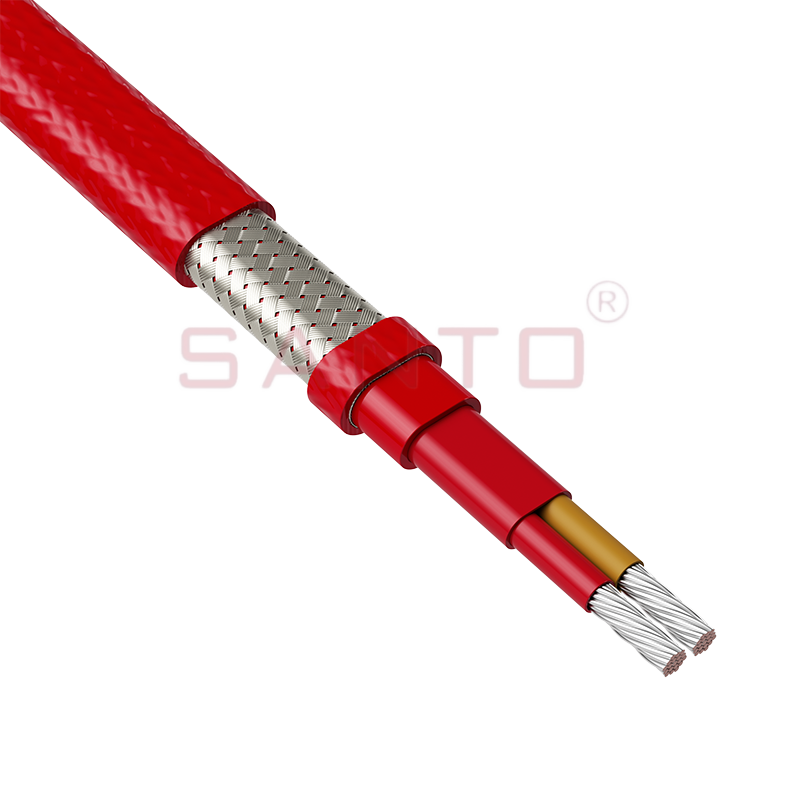
The stranded high temperature conductor is nickel plated to ensure a long life at elevated temperatures in corrosive environments. It is electrically isolated using an innovative sandwich construction...
See Details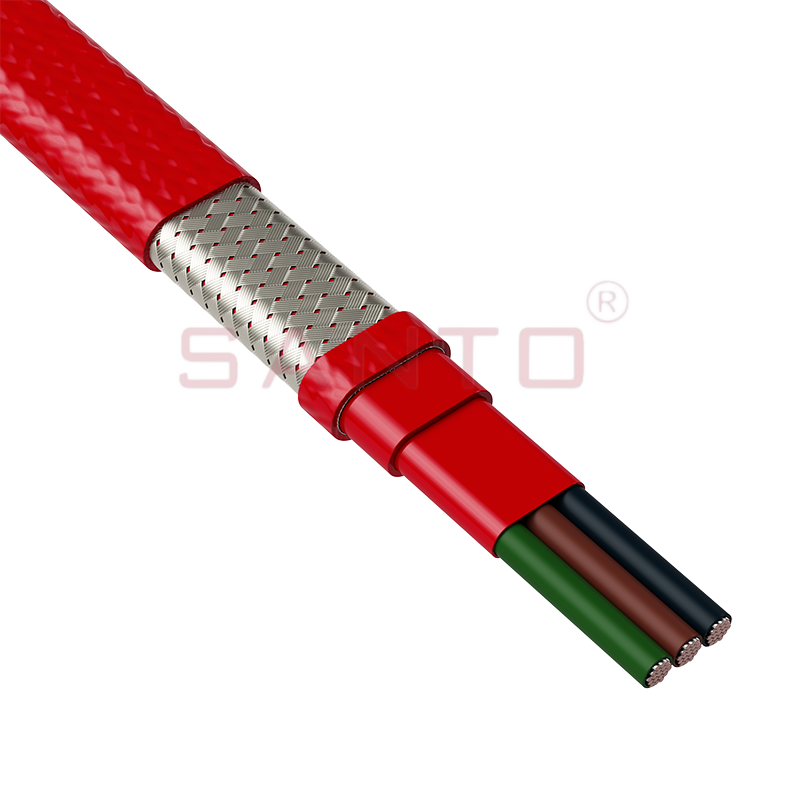
The stranded high temperature conductor is nickel plated to ensure a long life at elevated temperatures in corrosive environments. It is electrically isolated using an innovative sandwich construction...
See Details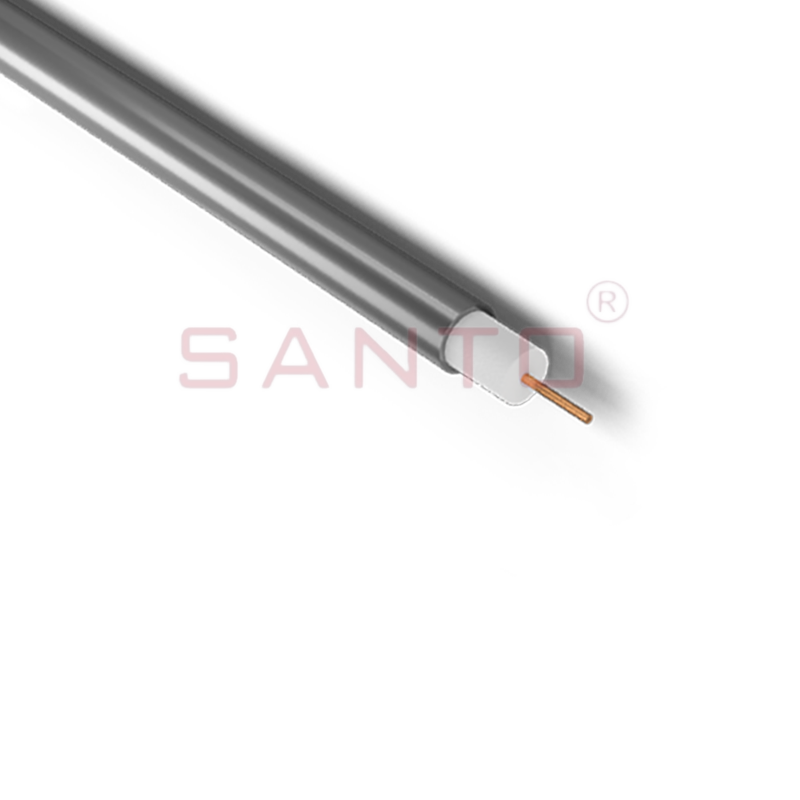
SANTO HAx mineral insulated (MI) Alloy 825 series heating cables are suitable for use in hazardous areas. They have been designed for use in freeze protection and temperature maintenance applications ...
See Details
Santo electric heating strips are widely used in key industries in China.

