English
  English
 русский
 日本語
日本語 Español
 中文简体
中文简体
Take a DN50 steel water line running through an unheated service corridor. Overnight ambient drops to -25 °C, the line carries water only during the day shift, and the pipe is insulated with 30 mm mineral wool. Until the heat loss of that pipe is known, no heating cable can be chosen well, and skipping that calculation is where most freeze-protection projects fail.
The short answer: choose a self-regulating heating cable whose output at the lowest expected ambient exceeds the calculated heat loss per metre, then confirm that its maximum maintain temperature, outer jacket, temperature classification and area approval fit the pipe material, the weather exposure and the electrical zone. Cable selection is the last step of a small heat-loss calculation, not the first step of a shopping list.
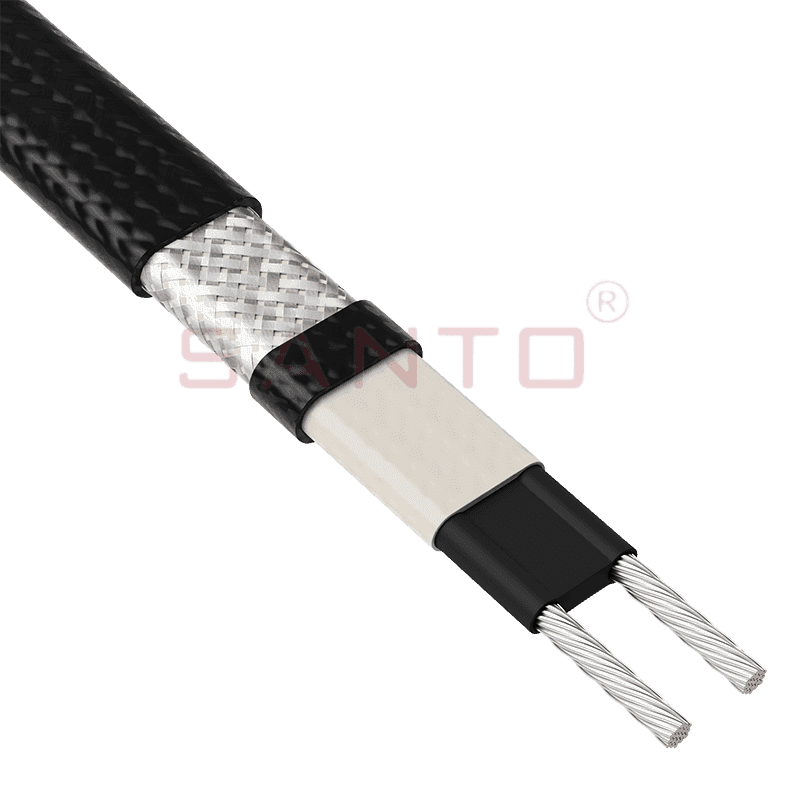
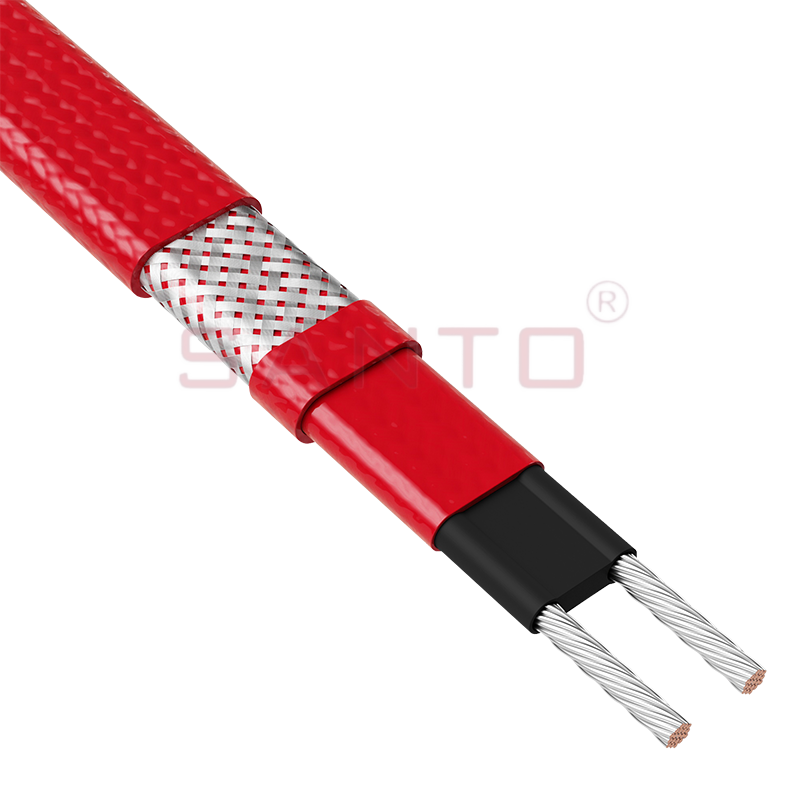
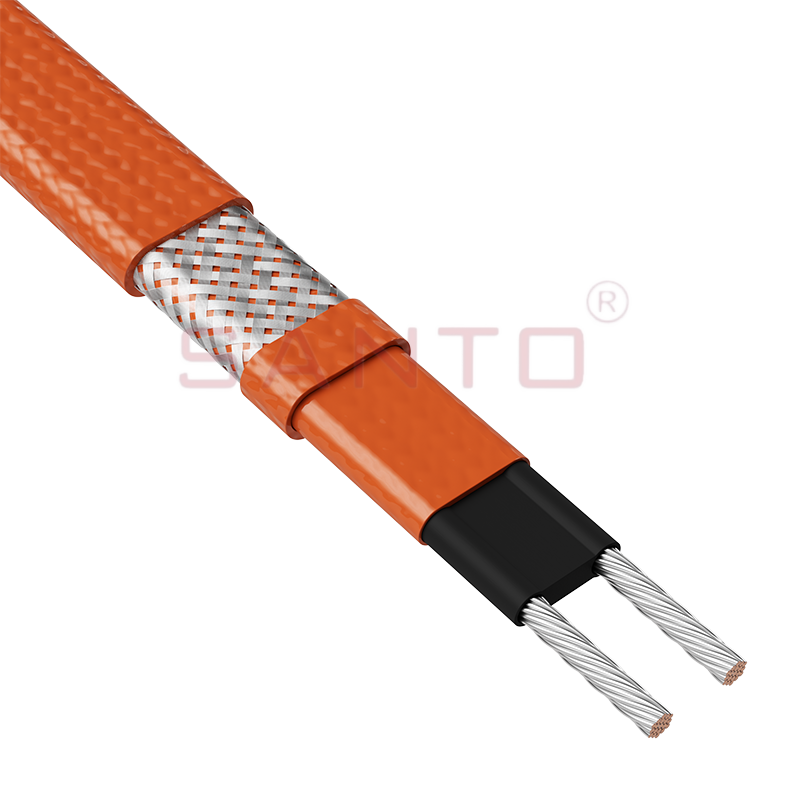
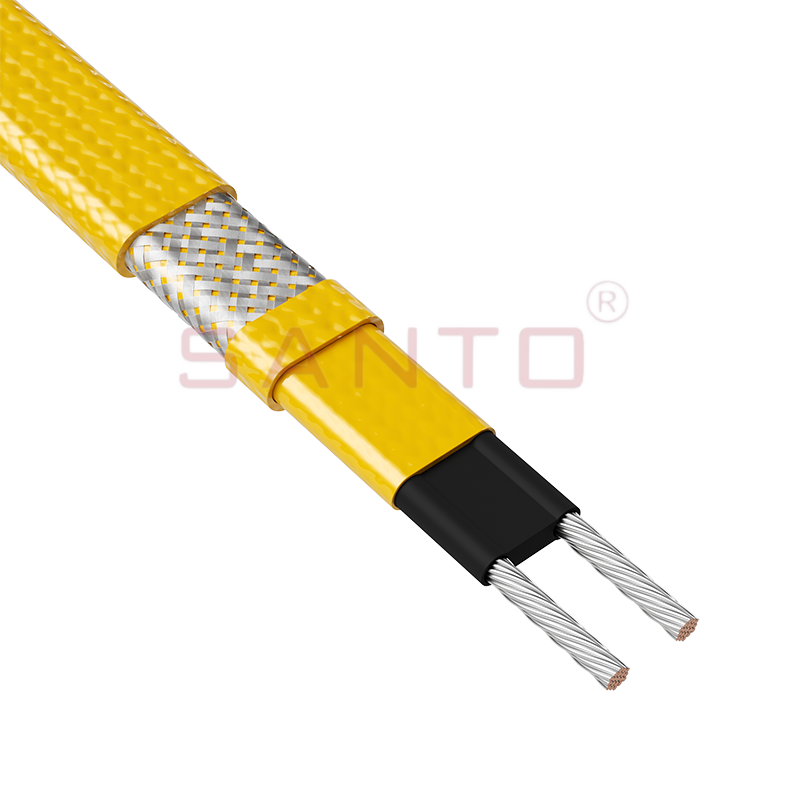
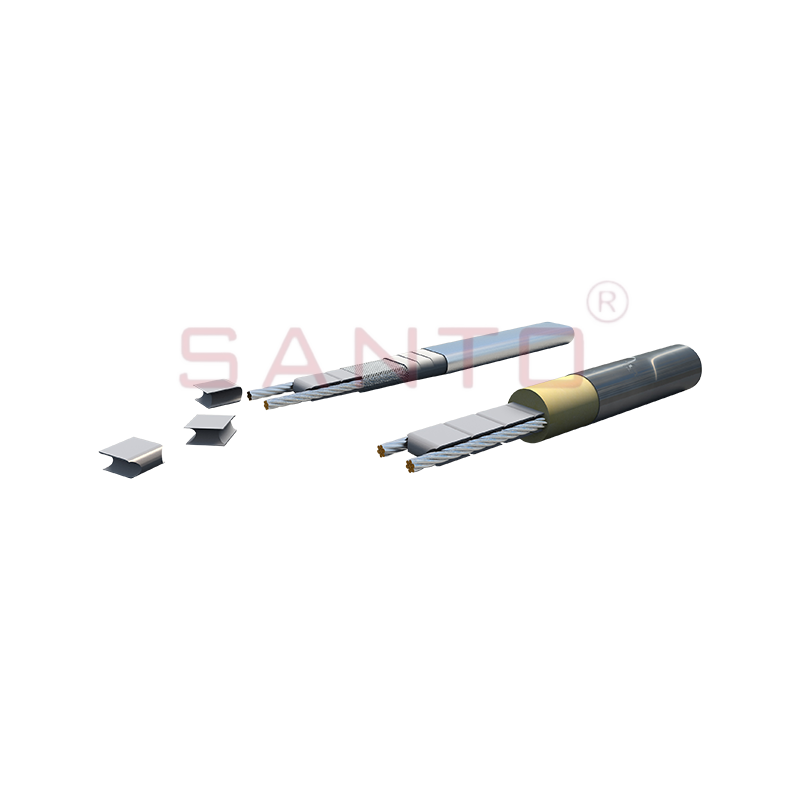
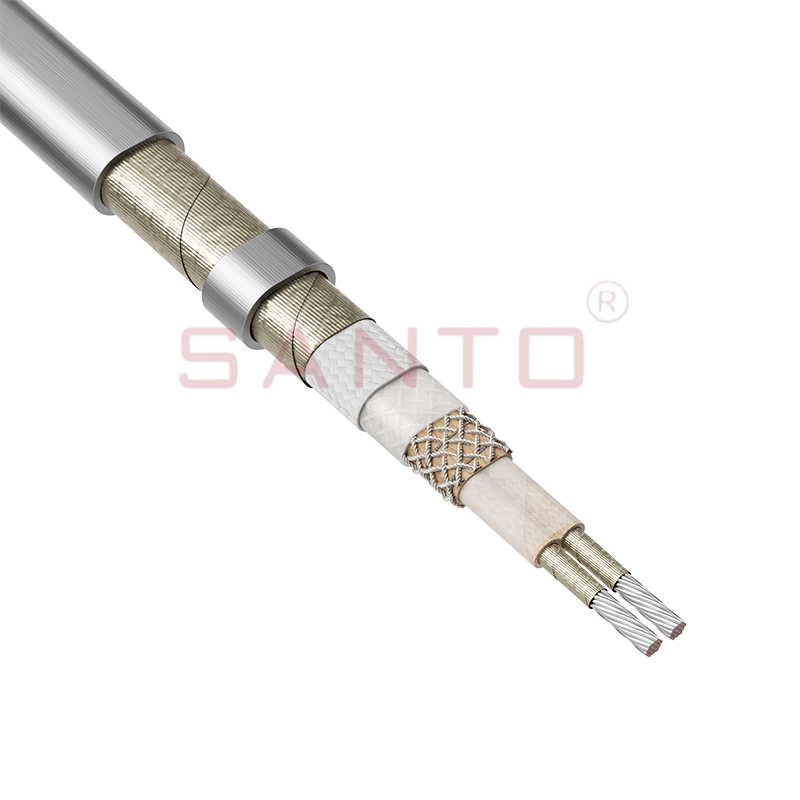
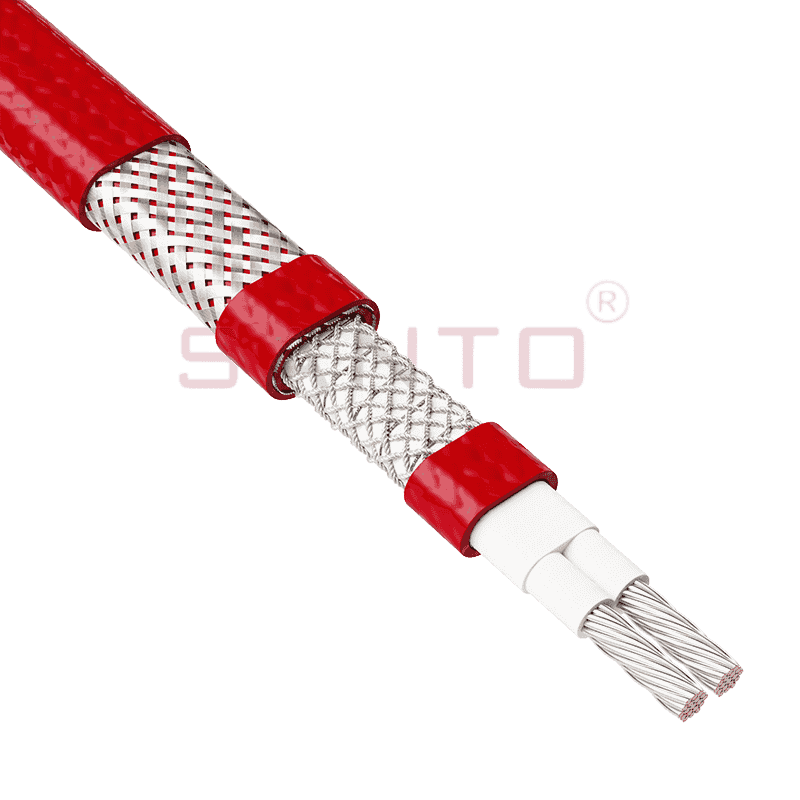
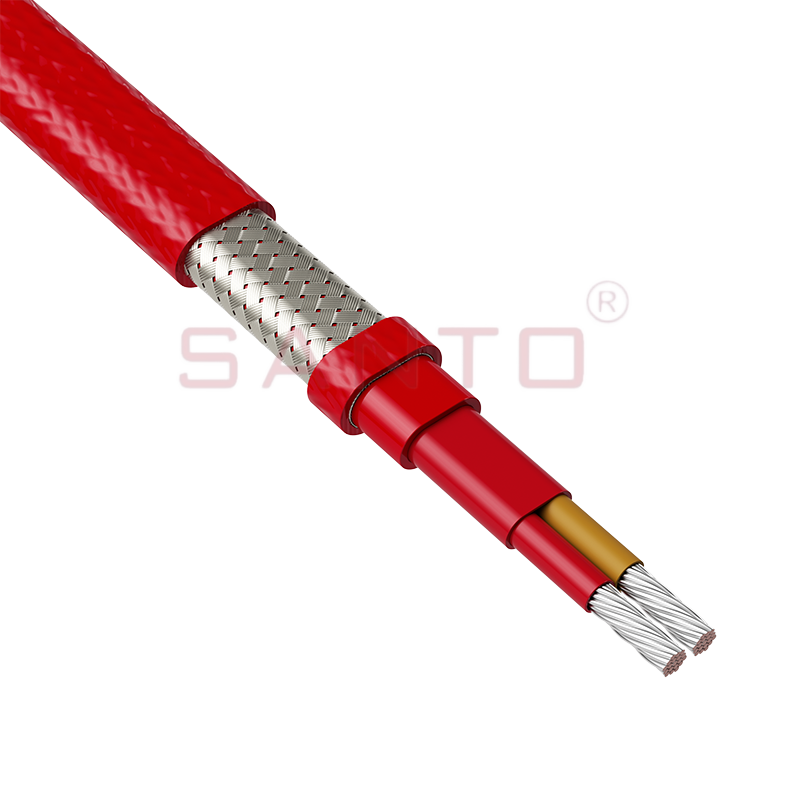
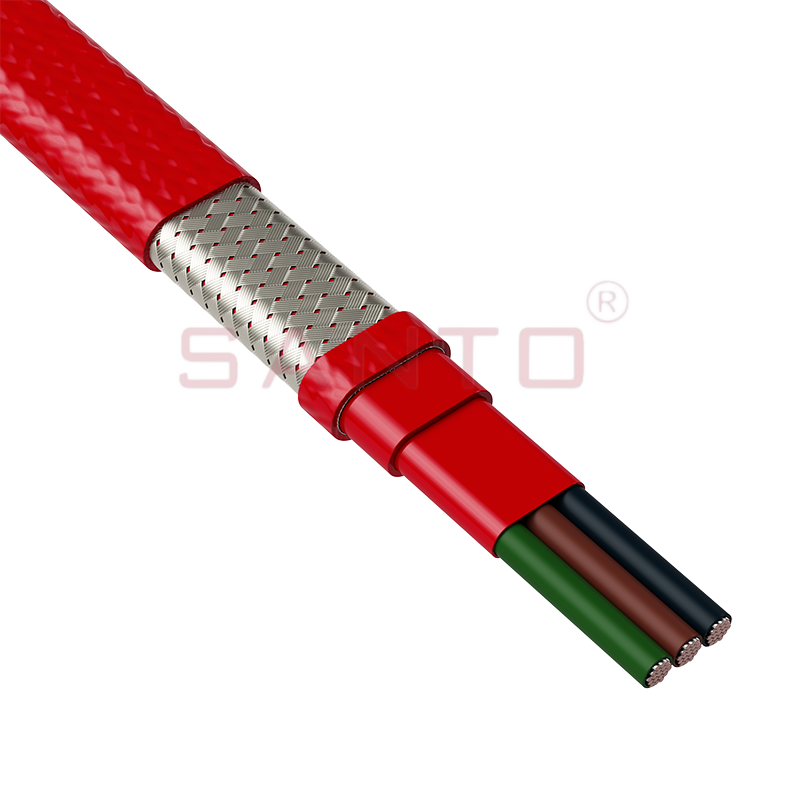
A self-regulating heating cable is a flat or round cable with two parallel bus wires separated by a conductive polymer core. As the core warms, its resistance rises and the cable throttles its own output: more watts when the pipe is cold, fewer as it approaches design temperature. That is why it can be cut to length on site, overlapped, and energised all winter without the runaway overheating risk carried by fixed-output cables.
Content
- Start With the Heat Loss, Not With the Cable Catalogue
- Match Cable Output to the Coldest Night, Not to the Average Winter
- Check the Pipe Material, the Route and the Details the Drawing Misses
- Temperature Ratings, Jackets and Area Classification
- Do Not Skip the Controls, Junction Boxes or the Insulation
- Five Checks Before You Place the Order
- FAQ
Start With the Heat Loss, Not With the Cable Catalogue
The figure that decides everything else is heat loss per metre, expressed in watts per metre (W/m).
Four variables feed it: the temperature difference (ΔT) between the maintain temperature you need, commonly +5 °C for domestic, fire and process water, and the lowest ambient the line will see; the insulation type and thickness; the pipe diameter; and the route conditions, including wind, burial depth and the density of valves, flanges and supports.
On a DN50 steel line with 30 mm mineral wool and a ΔT of 30 K, expect roughly 20-25 W/m. Doubling the insulation to 50 mm usually cuts that by a quarter or more, which is far cheaper than buying a larger cable and paying for its electricity for the next fifteen years.
| Steel pipe size | 30 mm insulation, ΔT 30 K | 50 mm insulation, ΔT 30 K |
|---|---|---|
| DN25 | 14-18 W/m | 10-13 W/m |
| DN50 | 20-25 W/m | 15-18 W/m |
| DN80 | 26-32 W/m | 20-24 W/m |
| DN100 | 32-38 W/m | 24-29 W/m |
Match Cable Output to the Coldest Night, Not to the Average Winter
A cable quoted at 30 W/m at 10 °C typically delivers only around 18-22 W/m at -20 °C, so the only output figure worth comparing is the one taken at your design minimum ambient.
Self-regulating cables are described by an output-versus-temperature curve. The 10 °C number on a datasheet is a nominal value measured on a bare cable in still air; the pipe, the insulation and the ambient all move the real figure. Multiply the calculated heat loss by about 1.2 to cover wind, ageing and fittings, then find the cable whose curve stays above that line during the coldest hour of the year.
Avoid gross oversizing. Extra watts do not add protection; they raise surface temperature, increase standby energy use and can exceed the temperature rating of plastic pipe. Families such as UFA, UFB, UFC and UFO cover different output bands, and the datasheet curve, not the headline wattage, is the document that should drive the decision.
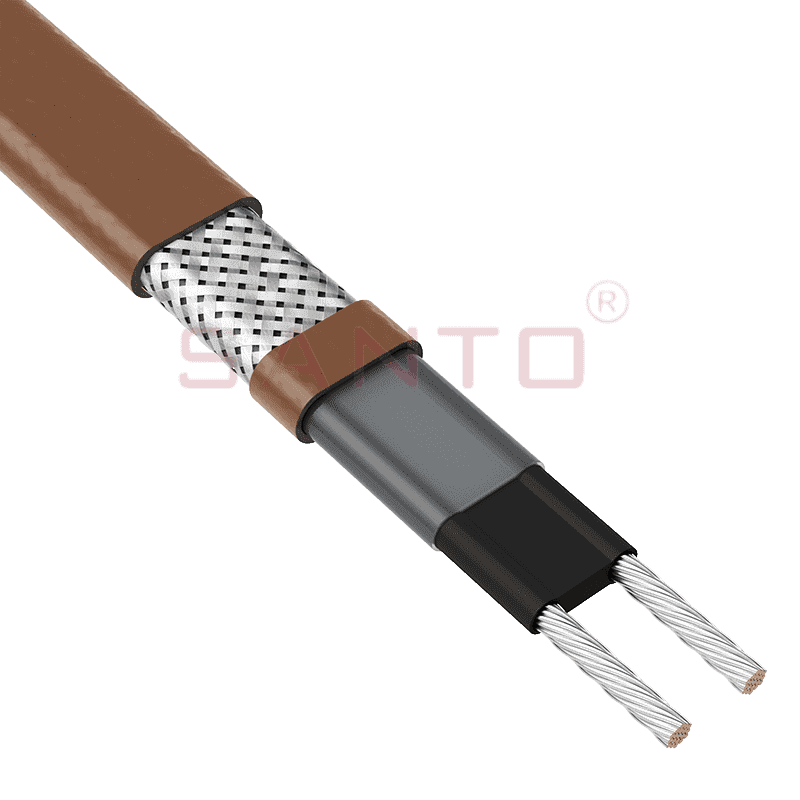 SANTO UFB Self-Regulating Heat Tracing CablesFor frost protection and process maintenance up to 110°C, these higher-output self-regulating cables offer fluoropolymer jackets and hazardous-area approvals; verify curve and system details.View Product →
Check the Pipe Material, the Route and the Details the Drawing Misses
The same cable behaves very differently on steel and on plastic, and freezing rarely begins in the middle of a straight run; it begins at valves, flanges, supports, drains and dead legs.
Steel and other metals conduct heat along and around the wall, so a single straight run is often sufficient. Plastic pipe (PE, PPR, PVC, PVDF) conducts poorly, so heat concentrates directly under the cable: spiral-wrap the cable, add aluminium foil tape to spread the heat, and keep the cable's maximum maintain temperature below the pipe's own rating.
Then walk the route and check these points:
- Valves, flanges, pumps and strainers need extra cable loops, because the mass of the fitting holds cold for hours.
- Pipe supports and hangers act as heat sinks; insulate the support or leave a short gap in the cable path.
- Buried sections need a moisture-resistant jacket and mechanical protection.
- Outdoor and washdown areas need UV stability and a jacket that tolerates the local chemicals.
- Fix the cable with fibreglass tape or approved ties, never with plastic ties that soften at operating temperature, and label the cable position every few metres so the next maintenance crew does not cut it.
Temperature Ratings, Jackets and Area Classification
Once a line crosses into a classified zone, a wet trench or a corrosive atmosphere, approvals matter more than wattage.
Ordinary and wet locations
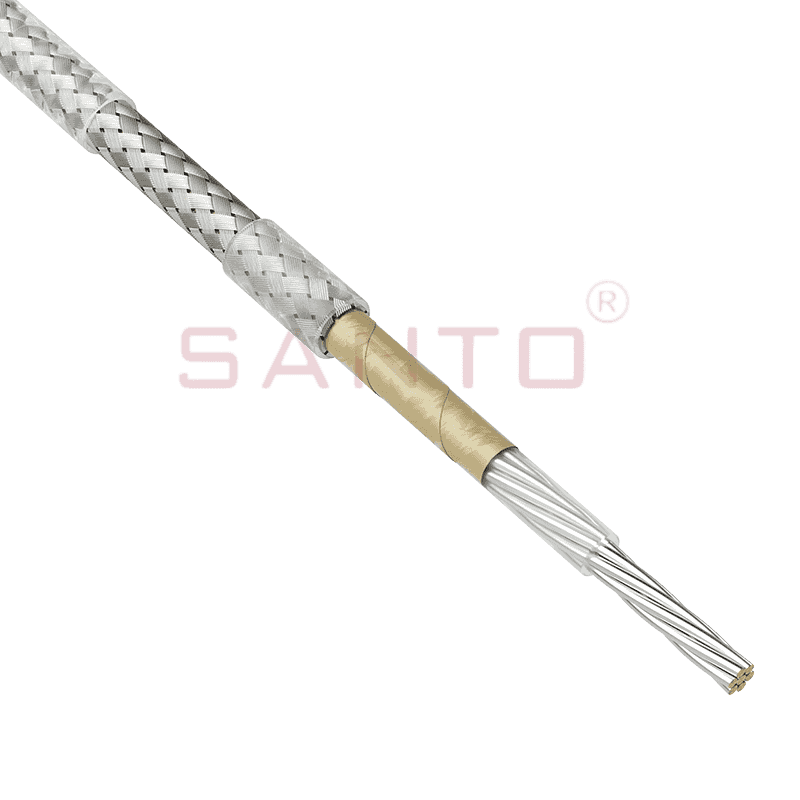
A standard polyolefin or PVC jacket with a 65 °C maximum maintain temperature suits sheltered indoor pipework. Damp, buried or abrasion-prone sections justify a tinned-copper braid for earth continuity and mechanical strength, plus a fluoropolymer outer jacket.
Hazardous areas
In Zone 1 or Zone 2 gas and dust atmospheres, the cable, junction boxes and thermostats each need their own Ex approval; an Ex e or Ex d rating on the cable alone is not enough. Fitting an ordinary-area thermostat into a classified run is one of the most common inspection failures.
High temperature and long distance
Where maintain temperatures exceed polymer limits, or the line runs for kilometres, mineral-insulated (MI) cable or skin-effect systems take over. Note that MI cable is constant wattage and needs a thermostat; it is not self-regulating, so the safety argument that justifies a self-regulating cable does not carry over.
Do Not Skip the Controls, Junction Boxes or the Insulation
The cable is roughly half of a reliable freeze-protection system; the other half is the power connection, the control and the insulation that keeps the heat in.
- Power junction boxes must match the area classification and the IP rating, with the right cable entries and a sealing gasket.
- Use the manufacturer's cold-lead termination kit. A hand-taped joint is the usual cause of a ground fault in February.
- For freeze protection, an ambient-sensing thermostat that energises near +3 °C and switches off around +10 °C protects the pipe and saves energy; a line-sensing thermostat with a surface sensor is the better choice when a specific maintain temperature must be held.
- Fix the sensor against the pipe wall, away from the cable and under the insulation, never on top of the heating cable itself.
- Finish with a foil tape layer, the thermal insulation, weatherproofing and a label at every entry point.
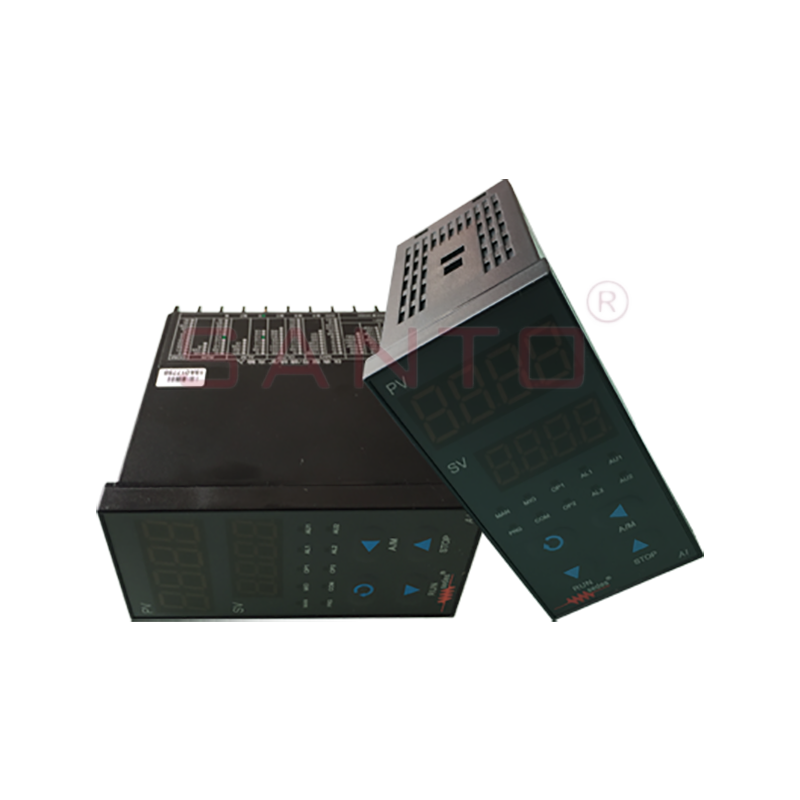 DATC-X Electronic Surface Sensing Thermostat for Heating Cable SystemsSurface-sensing thermostat accessory intended for heating cable systems; useful when specifying control alongside cable, power connection and insulation; consult specification PDF.View Product →
Five Checks Before You Place the Order
Run these five checks and the specification writes itself.
- Confirm the design minimum ambient and the maintain temperature, because the ΔT drives everything else.
- Compare heat loss per metre with cable output at that minimum ambient, keeping a 10-20% margin.
- Verify the pipe material and its maximum allowable surface temperature.
- Check the area classification and IP rating of every component: cable, junction box, thermostat and sensor.
- Size the circuit - cold-start current, maximum circuit length and breaker rating per the datasheet - then list termination kits, tapes, labels and brackets in the bill of materials.
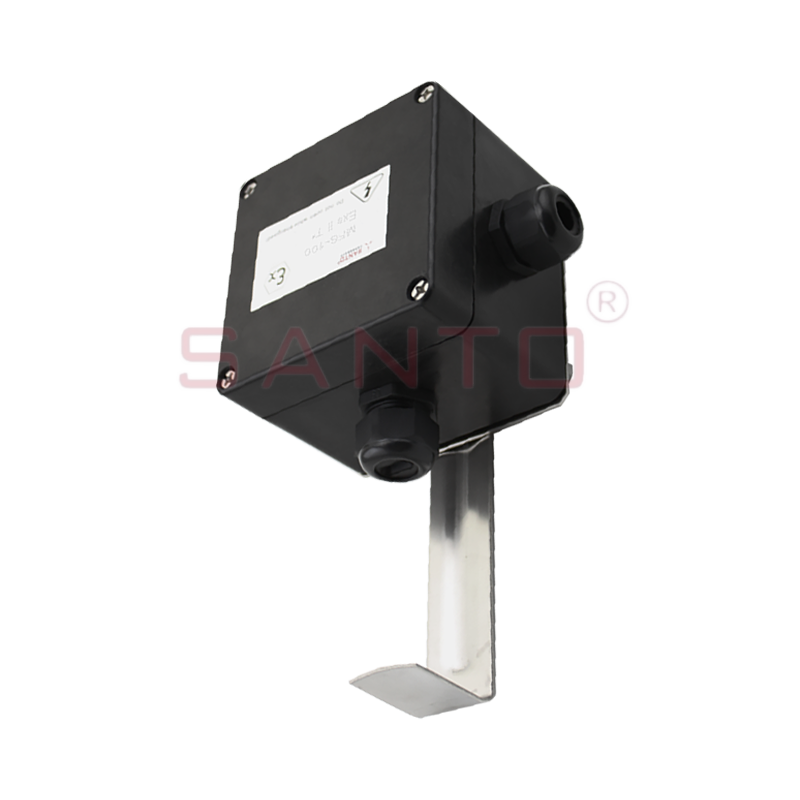 SANTO 1MF25-C Power Junction Box for Heating Cable SystemsA power junction box accessory listed with a specification PDF; useful when checking connections and termination details in a complete freeze-protection installation.View Product →
FAQ
Can a self-regulating heating cable be cut to length on site?
Yes. Its output adjusts to the length installed, so there is no minimum or fixed-length requirement. Terminate both ends with the correct kit, keep the bus wires intact, and the delivered wattage simply follows the resistance of the longer or shorter core.
Can it overlap itself during installation?
With self-regulating cable, yes. Overlap does not create the hot spot it would in constant wattage cable, because the core reduces its output as it warms. Still follow the manufacturer's spacing guidance and cover the run with foil tape.
Do I still need thermal insulation?
Yes. Insulation is what holds the heat in; without it, no practical cable can keep an outdoor line above freezing on a -25 °C night. The cable covers the residual heat loss, not the whole job.
Self-regulating or constant wattage for pipe freeze protection?
For insulated water and process lines up to a few hundred metres, self-regulating is normally the better trade-off: flexible lengths, lower running cost and no runaway overheating. Constant wattage, including MI, takes over on very long lines, high maintain temperatures, and where a precise, thermostat-controlled output is required.
Choosing a self-regulating heating cable for pipe freeze protection comes down to four inputs: the lowest ambient, the maintain temperature you need, the insulation already specified, and the area classification. With those in hand, the cable family, the output band and the accessory list follow almost automatically.
If your line includes a plastic section, a buried run, a Zone 1 crossing or a steam-traced header, it is worth talking the details through with the engineering team before the order is placed. Field practice for spacing, taping and termination is covered in our installation notes on pipe freeze protection.