 English
  English
 русский
 日本語
日本語 Español
 中文简体
中文简体The SANTO UFA range of self-regulating heating cables is mainly used for frost protection of pipes and vessels but can also be used to maintain processes up to 65°C. These heating cables are available...
See Details
A Heating Cable Thermostat is a critical component in modern industrial heating systems, ensuring precise temperature control, energy efficiency, and operational safety. Its applications span a wide range of industries, including oil and gas, chemical processing, food production, and HVAC systems. The ability to accurately monitor and control heat distribution makes it indispensable in maintaining system reliability and extending equipment lifespan.
Content
A Heating Cable Thermostat is an electrical device designed to regulate the temperature of heating cables used in industrial applications. Heating cables convert electrical energy into heat, which is then transferred to pipelines, tanks, or surfaces to prevent freezing, maintain process temperatures, or support chemical reactions. The thermostat ensures that the heating system operates within safe and efficient temperature ranges.
Industrial heating systems often involve large-scale heat tracing, process temperature maintenance, or freeze protection. The Heating Cable Thermostat is applied in several ways:
In cold environments, pipelines transporting water, chemicals, or oil are prone to freezing, which can cause damage or operational delays. Installing a heating cable along the pipeline and connecting it to a thermostat ensures that the system maintains a minimum temperature. The thermostat automatically switches the heating cable on or off depending on ambient or pipe surface temperature.
Chemical reactors, tanks, and vessels often require precise temperature control for reactions or fluid viscosity management. A Heating Cable Thermostat monitors the temperature and activates the heating cable to maintain the set point, ensuring consistent product quality and preventing under- or overheating.
Heating cable thermostats are integrated into large-scale HVAC systems for duct heating or floor heating, allowing facilities to optimize energy usage and maintain indoor climate control without manual intervention.
In food processing, maintaining certain temperatures is crucial for safety and quality. Thermostats paired with heating cables prevent freezing in storage tanks or pipelines and maintain viscosity in chocolate, syrups, or oils during processing.
| Type | Accuracy | Durability | Cost | Ideal Use |
|---|---|---|---|---|
| Mechanical | ±2–5°C | High | Low | Basic freeze protection, simple pipelines |
| Digital | ±0.5°C | Medium | Medium | Process temperature control, automation systems |
| Capillary Tube | ±1°C | High | Medium | Hazardous environments, outdoor pipelines |
| Programmable Electronic | ±0.1°C | Medium | High | Advanced industrial processes, multi-zone heating |
Compared to conventional methods such as manual monitoring or fixed electric heaters, a Heating Cable Thermostat offers several advantages:
Industries such as oil and gas, chemical processing, food and beverage, and HVAC systems benefit significantly due to the need for precise temperature control and freeze protection.
Consider factors like system voltage, required temperature accuracy, environment (indoor/outdoor, hazardous), and whether automation or programmable features are necessary.
Yes. Thermostats are designed to monitor temperature continuously and automatically switch off the heating cable once the set temperature is reached.
Digital thermostats provide higher accuracy, programmable features, and easier integration with industrial control systems, but mechanical thermostats are more durable and cost-effective for basic applications.
Regular inspection is recommended at least annually, with more frequent checks in harsh or high-risk environments to ensure proper functionality and prevent system failure.
The Heating Cable Thermostat is a vital component in industrial heating systems, offering precise temperature control, safety, and energy efficiency. Its applications span freeze protection, process temperature maintenance, HVAC systems, and food processing. By selecting the appropriate type, following installation guidelines, and conducting regular maintenance, industries can achieve reliable operation, reduced energy consumption, and prolonged equipment life. Compared to alternative heating methods, thermostats provide superior automation, accuracy, and flexibility, making them indispensable in modern industrial heating solutions.
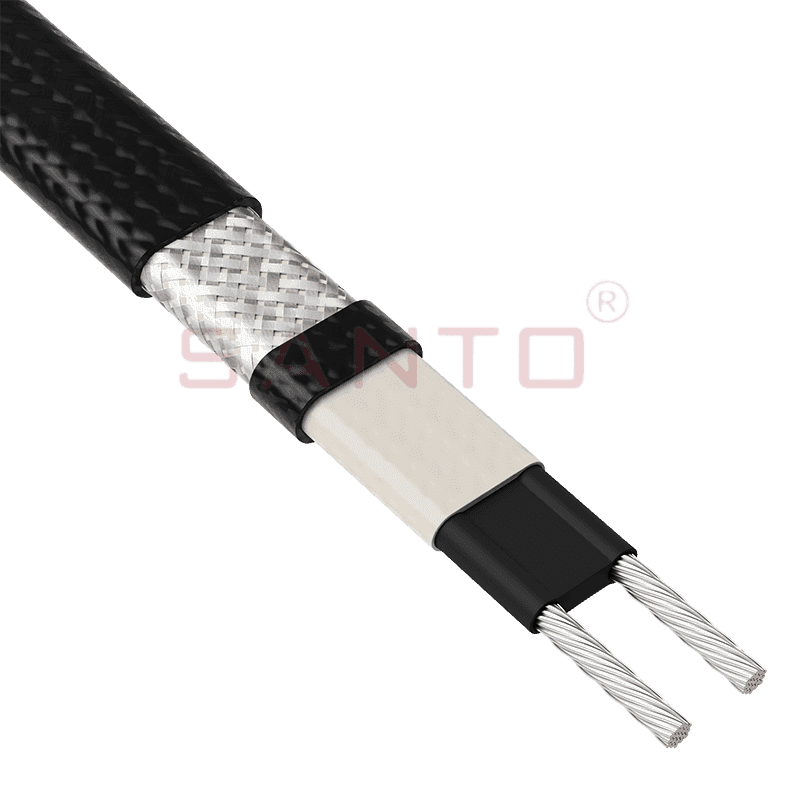
The SANTO UFA range of self-regulating heating cables is mainly used for frost protection of pipes and vessels but can also be used to maintain processes up to 65°C. These heating cables are available...
See Details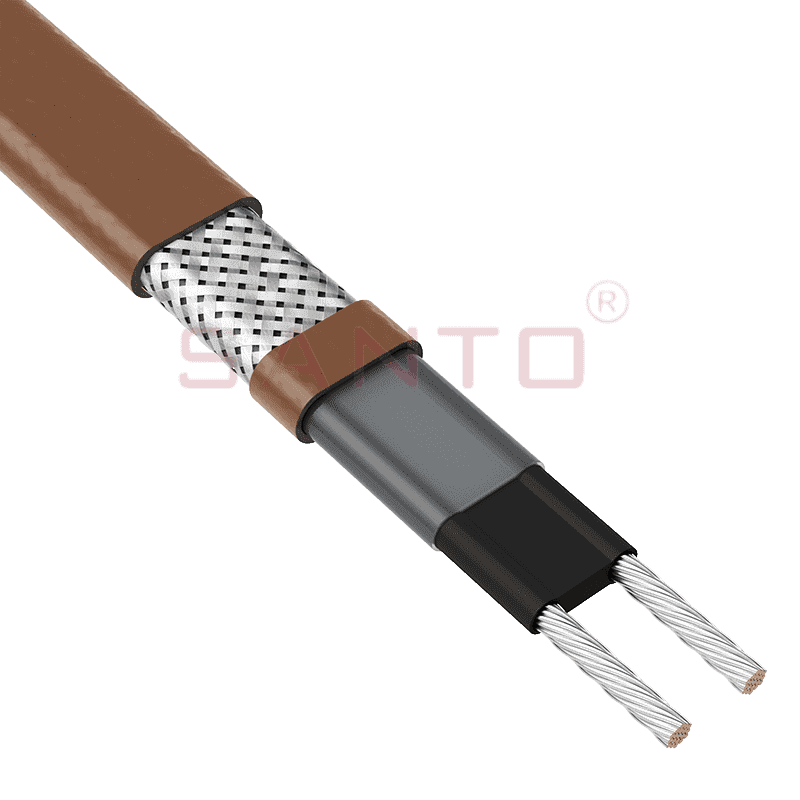
The SANTO UFB range of self-regulating heating cables is mainly used for frost protection of pipes and vessels requiring a higher power output than the UFA heating cables can supply. They can also be ...
See Details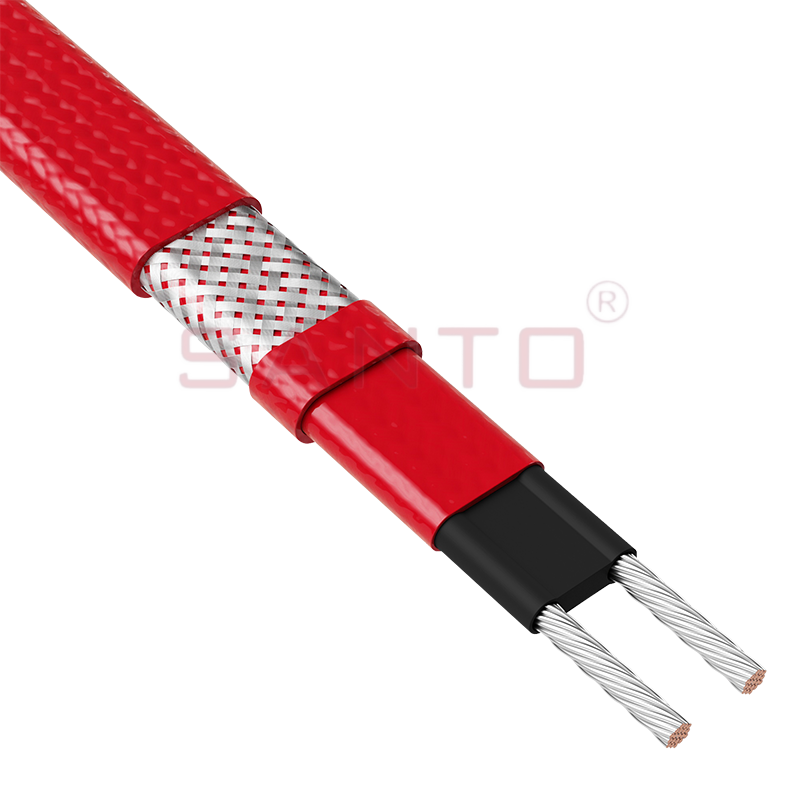
The SANTO UFC range of self-regulating heating cables is used for frost protection of pipes and vessels that require steam cleaning. They can also be used to maintain processes up to 121°C. These heat...
See Details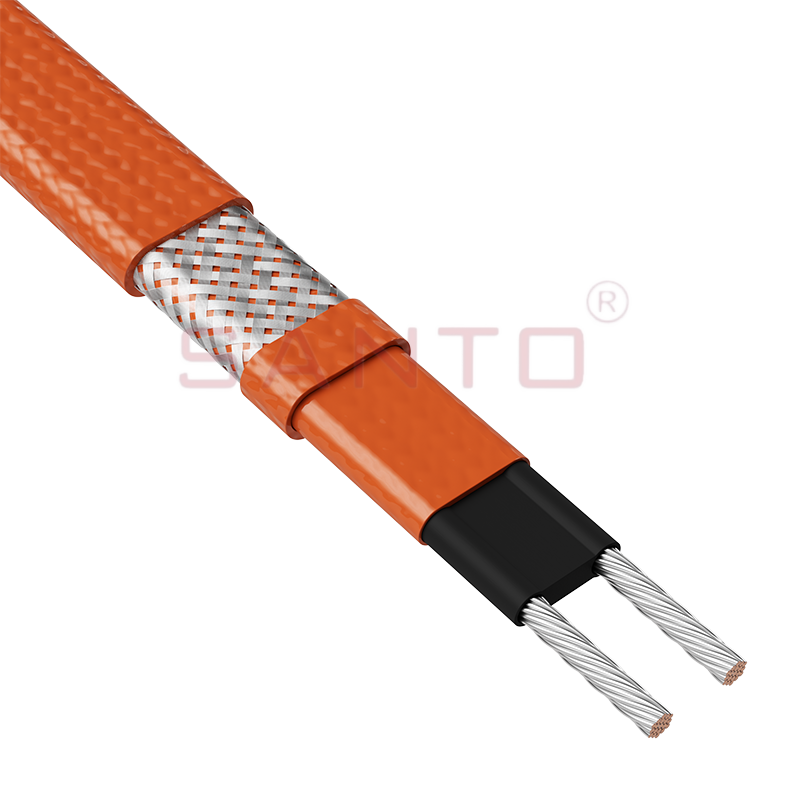
The SANTO UFO range of self-regulating heating cables is mainly used for frost protection of pipes and vessels that require steam cleaning . They can also be used to maintain processes up to 150°C. Th...
See Details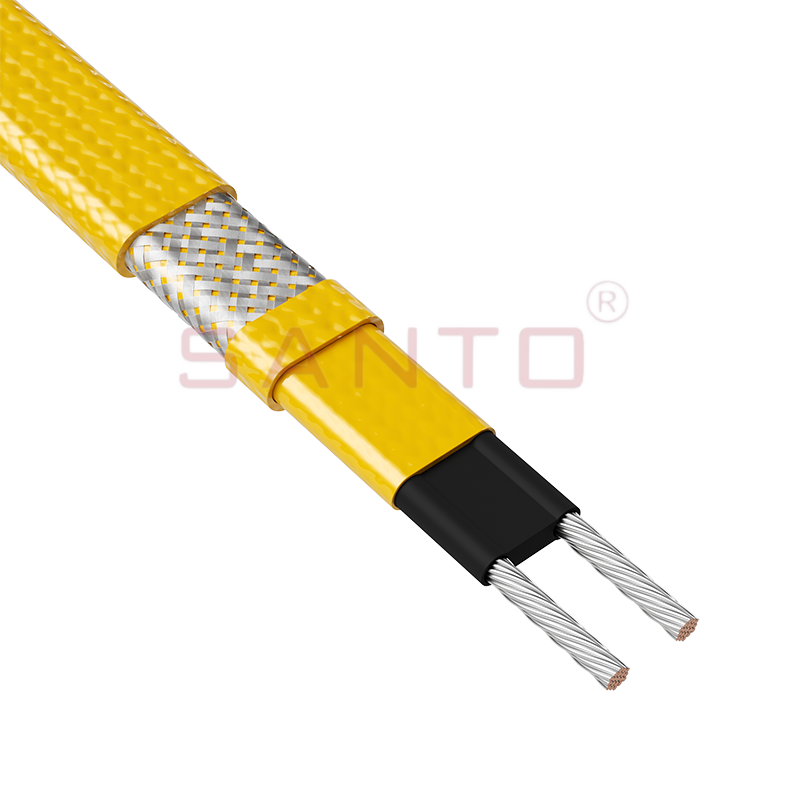
The SANTO UFD series of self-regulating heating cables are mainly used for freeze protection of pipes and vessels, but can also be used to maintain processes up to 200°C. These heating cables are avai...
See Details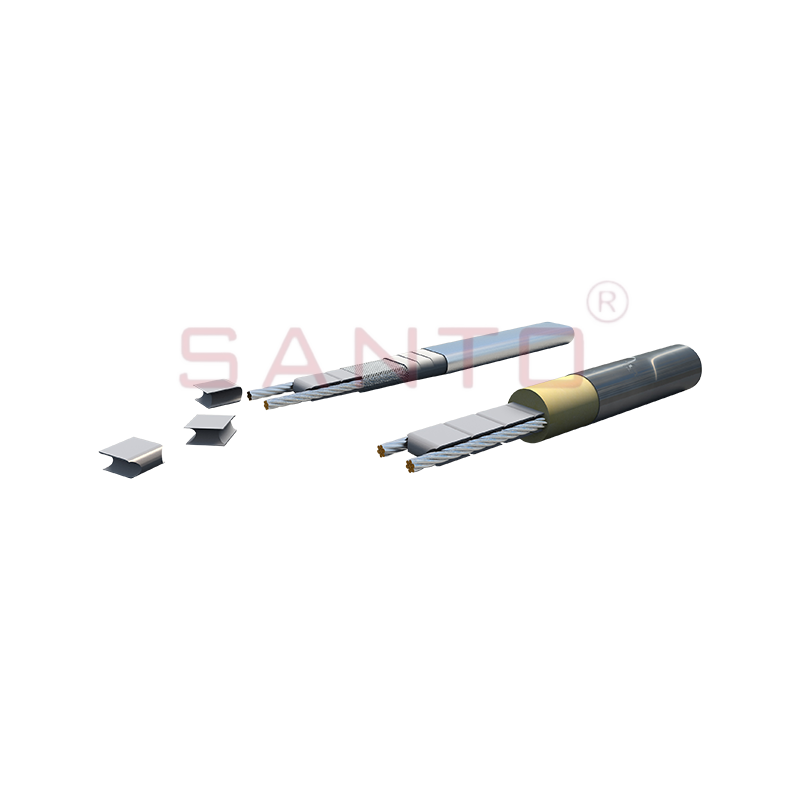
SANTO UFY heating wire is suitable for applications that maintain process temperatures up to 260 ℃ and can be steam blown; The self-regulating and parallel circuit heating wires of the UFY series are ...
See Details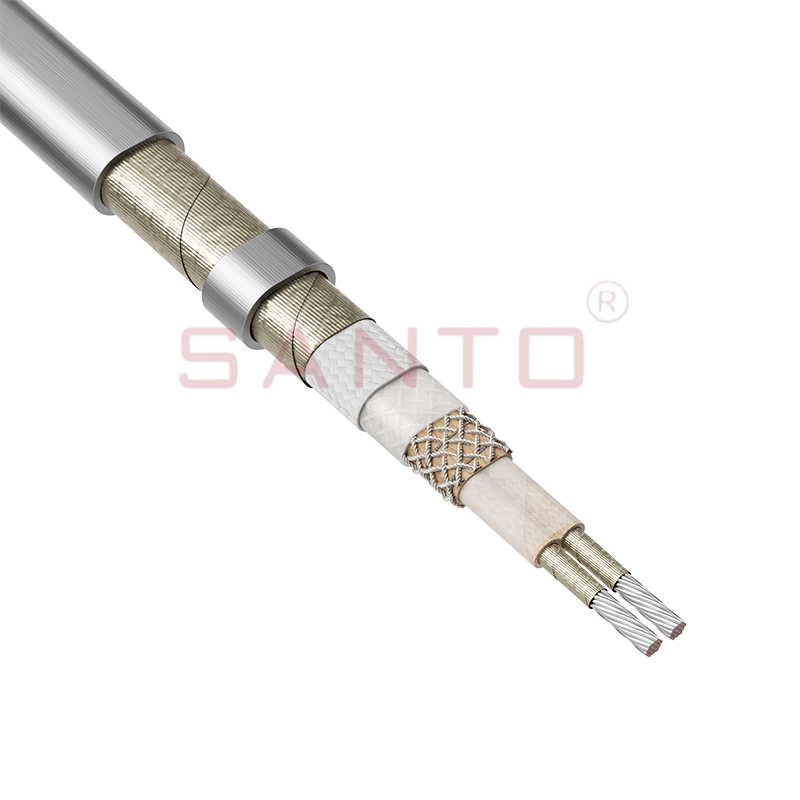
The SANTO UFM series self-regulating heating cables are mainly used for freeze protection of pipes and vessels, but can also be used to maintain processes up to 400°C. These heating cables are availab...
See Details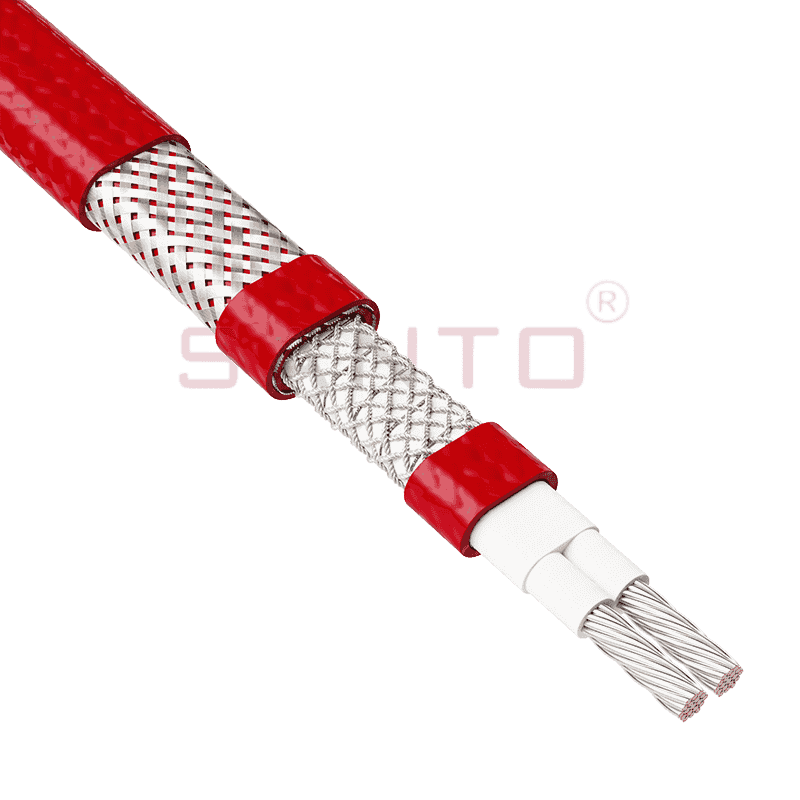
The SANTO ACC range of power-limiting heating cables is mainly used for temperature maintenance of processes and offers the advantage of a high power output at high temperatures which can reduce the n...
See Details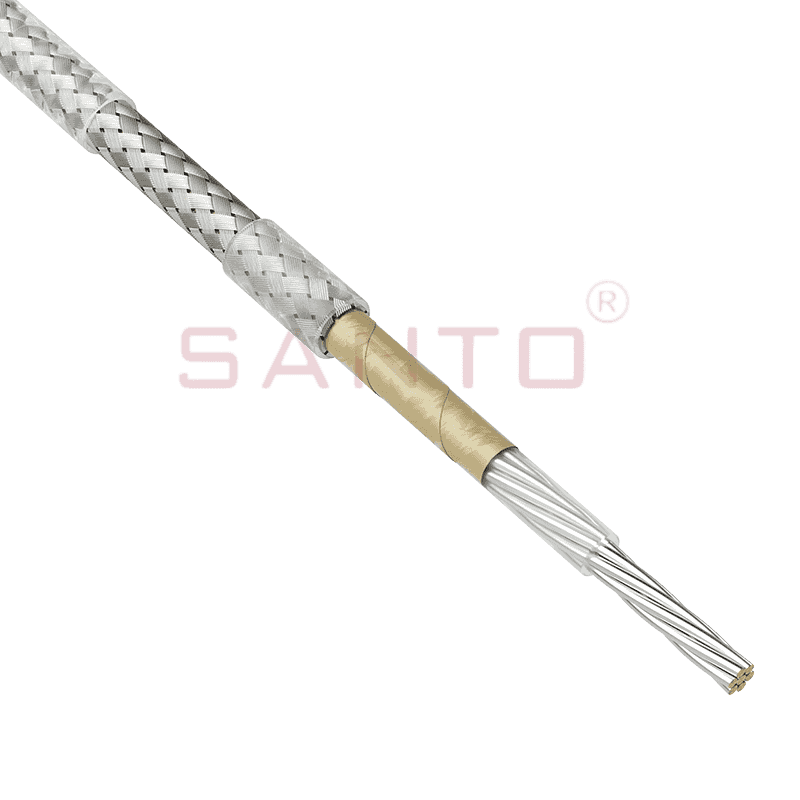
The stranded high temperature conductor is nickel plated to ensure a long life at elevated temperatures in corrosive environments. It is electrically isolated using an innovative sandwich construction...
See Details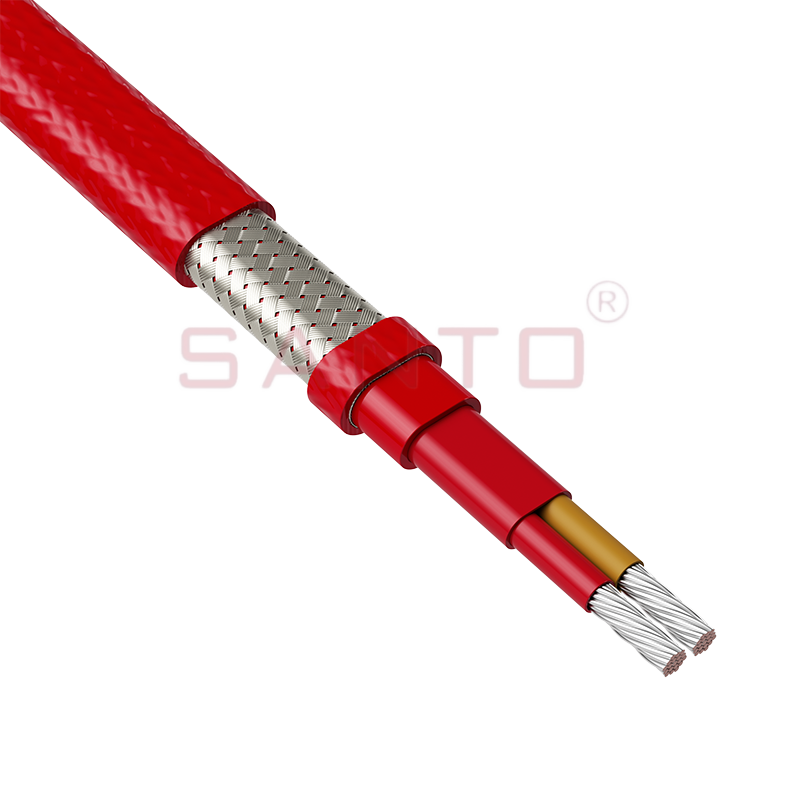
The stranded high temperature conductor is nickel plated to ensure a long life at elevated temperatures in corrosive environments. It is electrically isolated using an innovative sandwich construction...
See Details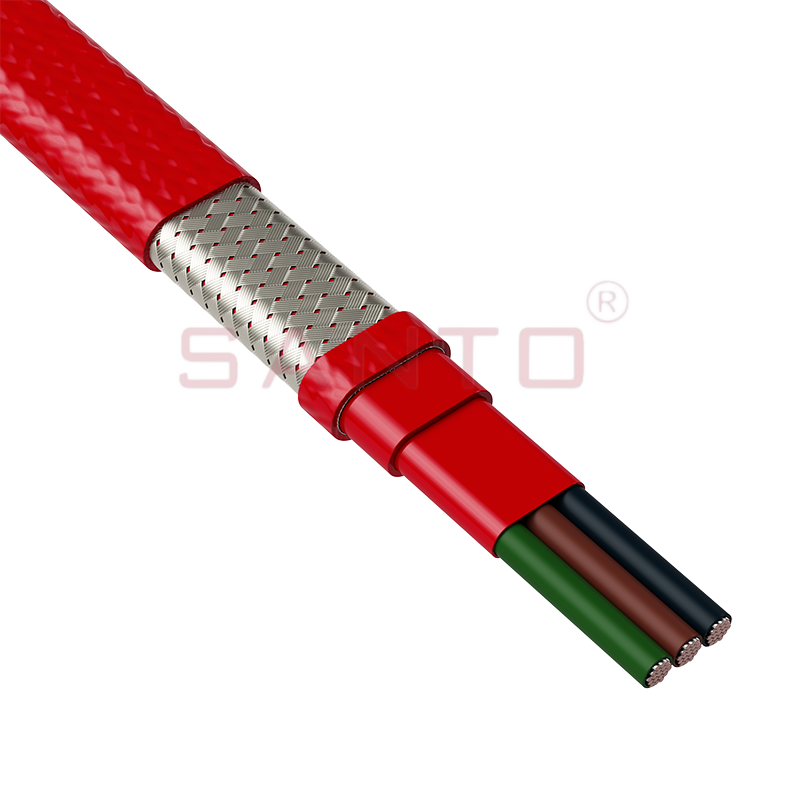
The stranded high temperature conductor is nickel plated to ensure a long life at elevated temperatures in corrosive environments. It is electrically isolated using an innovative sandwich construction...
See Details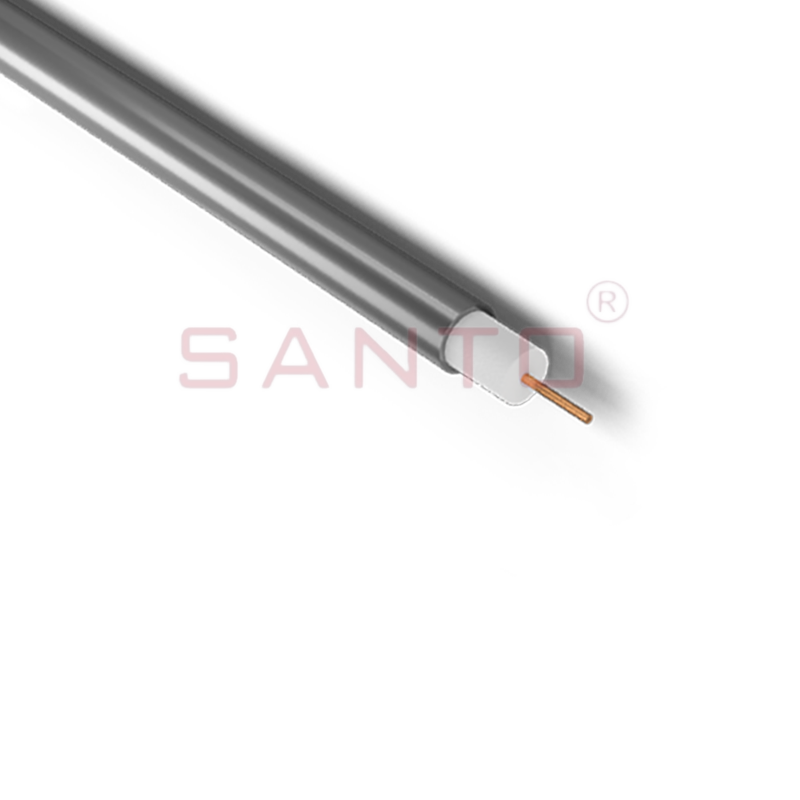
SANTO HAx mineral insulated (MI) Alloy 825 series heating cables are suitable for use in hazardous areas. They have been designed for use in freeze protection and temperature maintenance applications ...
See Details
Santo electric heating strips are widely used in key industries in China.

