 English
  English
 русский
 日本語
日本語 Español
 中文简体
中文简体The SANTO UFA range of self-regulating heating cables is mainly used for frost protection of pipes and vessels but can also be used to maintain processes up to 65°C. These heating cables are available...
See Details
Electric heating tape works by passing an electrical current through a resistive heating element built into a flexible cable, converting electrical energy directly into heat through a process called resistive heating (also known as Joule heating). The heat generated travels outward through the tape's insulation and into whatever surface it is wrapped around, typically a pipe, tank, or roof edge, keeping that surface above a target temperature even in freezing conditions.
Electric heating tape, sometimes called heat tape or heat tracing cable, is used in homes and industrial facilities to prevent pipes from freezing, to keep process fluids flowing at a stable temperature, and to melt ice on roofs and gutters. This guide explains the physics behind how it generates heat, the different types available, how self-regulating tape adjusts its own output, and the safety standards that govern its use.
Content
Electric heating tape generates heat according to Joule's Law, expressed as P = I²R, where electrical power (P) converts to heat in direct proportion to the square of the current (I) multiplied by the resistance (R) of the heating element. This same principle powers toasters, electric stovetops, and incandescent light bulbs, applied here in a thin, flexible form factor designed to wrap around pipes and irregular surfaces.
The heating element is a metal alloy wire or a conductive polymer core that resists the flow of electricity, and that resistance is what produces heat as current passes through it. Common element materials include nickel-chromium alloy wire in constant wattage tape and carbon-loaded polymer in self-regulating tape.
A layer of dielectric insulation surrounds the heating element to prevent electrical shock and direct the heat outward rather than allowing current to leak into the surface being heated. An outer jacket, usually made from a polymer such as fluoropolymer or PVC, protects the tape from moisture, abrasion, and in industrial settings, chemical exposure.
| Layer | Function | Common Material |
|---|---|---|
| Heating Element | Converts electrical current to heat | Nickel-chromium wire or carbon polymer |
| Dielectric Insulation | Prevents electric shock, directs heat outward | Fluoropolymer, silicone rubber |
| Outer Jacket | Protects against moisture and abrasion | PVC, fluoropolymer, or polyolefin |
There are two primary types of electric heating tape on the market: constant wattage tape, which outputs a fixed amount of heat per foot regardless of temperature, and self-regulating tape, which automatically increases or decreases its heat output based on the surrounding temperature.
Constant wattage tape outputs the same amount of heat per linear foot at all times, typically ranging from 3 to 12 watts per foot for residential pipe applications, regardless of whether the ambient temperature is 30 degrees Fahrenheit or negative 10 degrees Fahrenheit. Because output never decreases, constant wattage tape usually requires an external thermostat to switch it on and off and prevent overheating.
Self-regulating tape adjusts its own heat output along its entire length without any external thermostat, increasing power in cold sections and reducing power in warmer sections of the same continuous run. This self-adjusting behavior comes from a carbon-loaded polymer core, explained in more detail in the next section.
| Feature | Constant Wattage Tape | Self-Regulating Tape |
|---|---|---|
| Heat Output | Fixed, regardless of temperature | Variable, adjusts to ambient temperature |
| Overheat Risk | Higher without an external thermostat | Lower, output drops automatically as temperature rises |
| Can Be Overlapped | No, overlapping causes overheating and fire risk | Yes, in most cases, with output reducing at the overlap |
| Typical Cost | Lower upfront cost | Higher upfront cost, lower energy use over time |
| Best Suited For | Short, uniform runs with a separate thermostat | Long runs, varying ambient conditions, industrial piping |
Self-regulating heating tape adjusts its output because its conductive core is made of a carbon-impregnated polymer that physically expands as it warms and contracts as it cools, changing the number of conductive carbon pathways available for current to travel through. As the polymer warms and expands, fewer carbon particles remain in contact with each other, raising electrical resistance and lowering the current that flows, which in turn reduces heat output in that specific section.
This effect happens independently along every inch of the tape, acting like thousands of tiny parallel heating zones rather than one continuous circuit. A section of tape sitting against a cold, uninsulated section of pipe will draw more current and produce more heat than a section resting against an insulated, warmer section of the same pipe run, all without any thermostat or external control.
Electric heating tape is most commonly used to prevent water pipes from freezing in residential crawl spaces, attics, and exterior walls during winter months. Beyond residential use, the same underlying technology supports several other applications:
Electric heating tape installations in the United States must follow National Electrical Code (NEC) Article 427, which governs fixed electric heating equipment for pipelines and vessels, including requirements for ground fault protection and overtemperature controls.
Many residential heating tapes include a built-in thermostat that automatically switches the tape on when temperatures drop near freezing and off once temperatures rise above a safe threshold, reducing both energy use and fire risk from continuous unmonitored operation.
Ground fault circuit interrupter (GFCI) protection is required on most heating tape circuits because the tape is frequently installed in damp or wet environments, such as crawl spaces and exterior walls, where insulation breakdown could otherwise create a shock hazard.
Self-regulating tape with a built-in thermostat is generally safe to leave running continuously through winter, since it automatically reduces output as temperatures rise, while constant wattage tape should be paired with a separate thermostat to avoid running at full power unnecessarily.
A typical residential heating tape draws between 3 and 12 watts per foot, meaning a 20-foot run at 7 watts per foot consumes around 140 watts, comparable to running a couple of incandescent light bulbs continuously.
Electric heating tape can be used on most plastic pipes, including PVC and PEX, as long as the tape's rated maximum temperature does not exceed the pipe manufacturer's heat tolerance, since excessive heat can soften or deform plastic piping over time.
A failed heating tape typically shows no warmth along its length when touched during cold weather, a tripped GFCI outlet that will not reset, or visible cracking and discoloration in the outer jacket, any of which indicate the tape should be replaced rather than repaired.
Self-regulating tape can typically be cut to a custom length in the field because each section operates independently, while constant wattage tape generally cannot be cut without specialized end termination, since its heating element forms a single continuous resistive circuit along a fixed length.
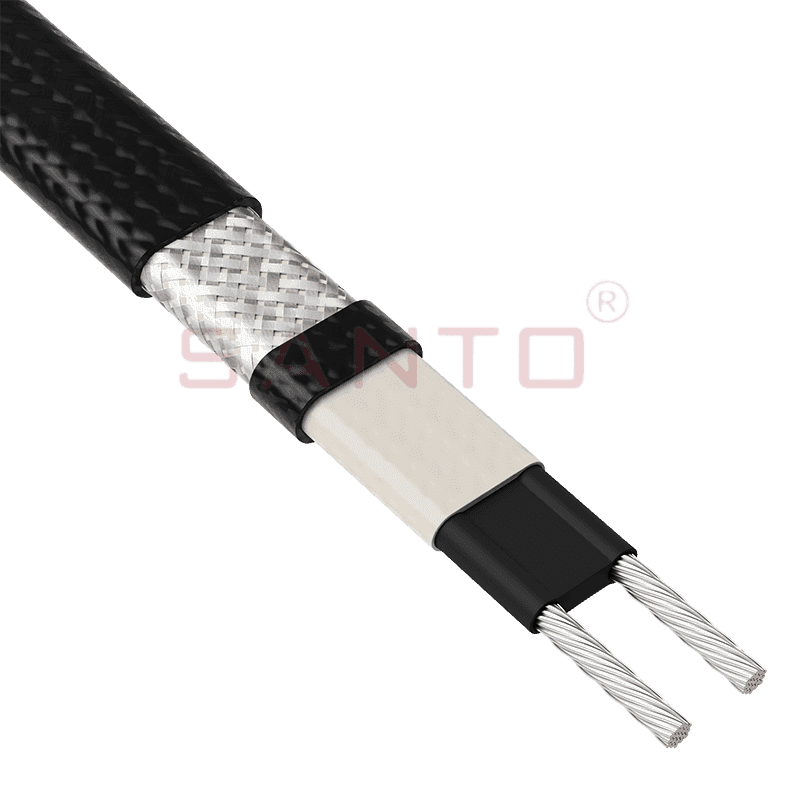
The SANTO UFA range of self-regulating heating cables is mainly used for frost protection of pipes and vessels but can also be used to maintain processes up to 65°C. These heating cables are available...
See Details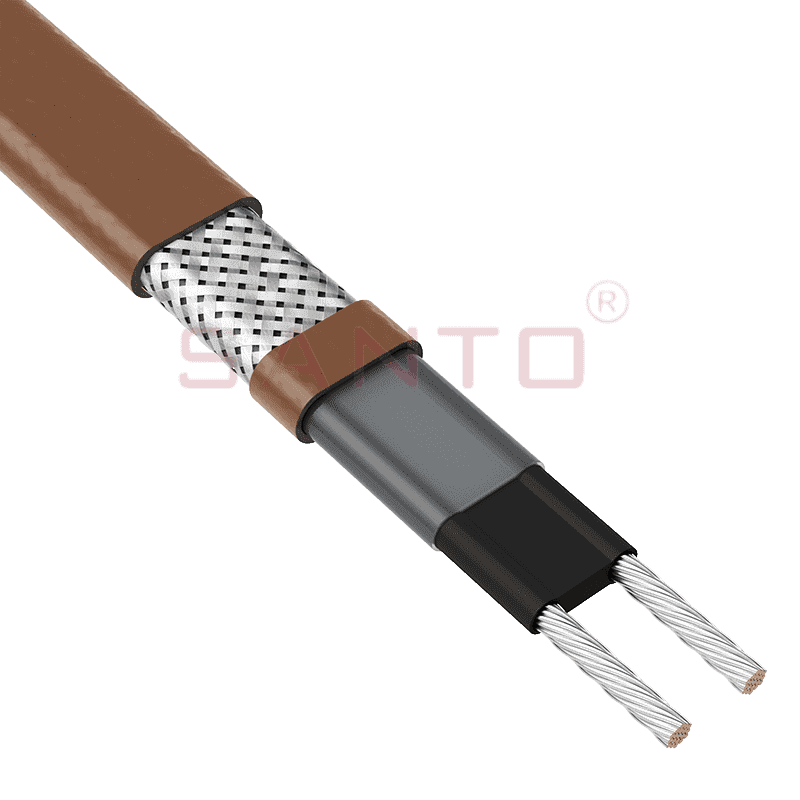
The SANTO UFB range of self-regulating heating cables is mainly used for frost protection of pipes and vessels requiring a higher power output than the UFA heating cables can supply. They can also be ...
See Details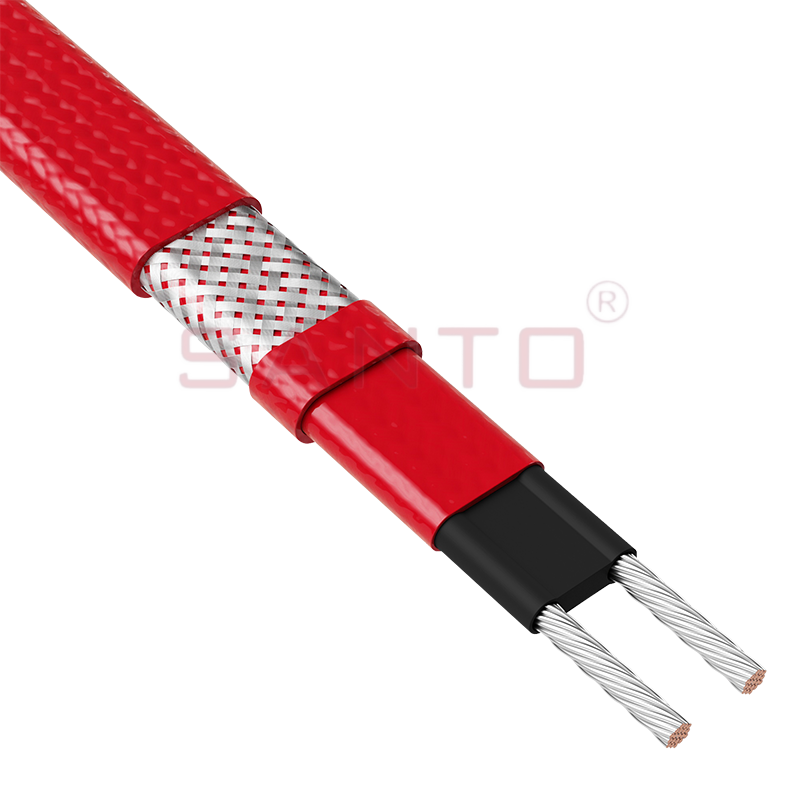
The SANTO UFC range of self-regulating heating cables is used for frost protection of pipes and vessels that require steam cleaning. They can also be used to maintain processes up to 121°C. These heat...
See Details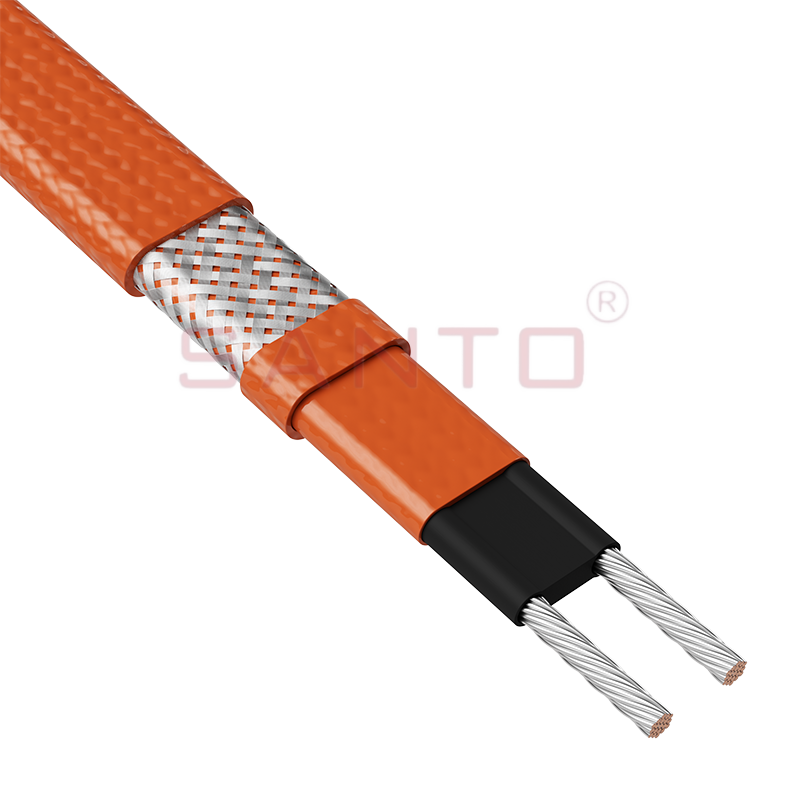
The SANTO UFO range of self-regulating heating cables is mainly used for frost protection of pipes and vessels that require steam cleaning . They can also be used to maintain processes up to 150°C. Th...
See Details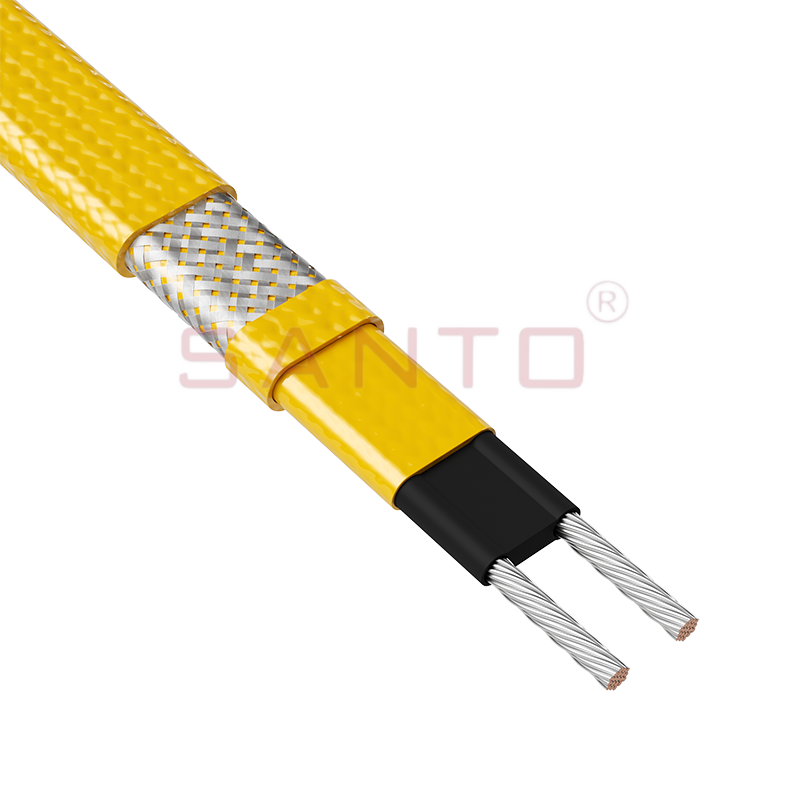
The SANTO UFD series of self-regulating heating cables are mainly used for freeze protection of pipes and vessels, but can also be used to maintain processes up to 200°C. These heating cables are avai...
See Details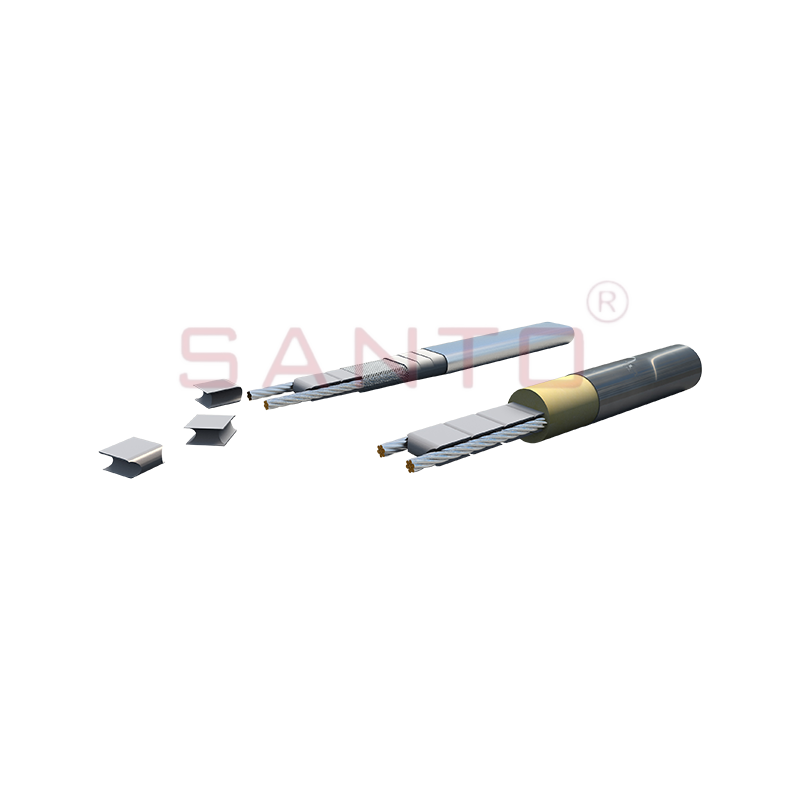
SANTO UFY heating wire is suitable for applications that maintain process temperatures up to 260 ℃ and can be steam blown; The self-regulating and parallel circuit heating wires of the UFY series are ...
See Details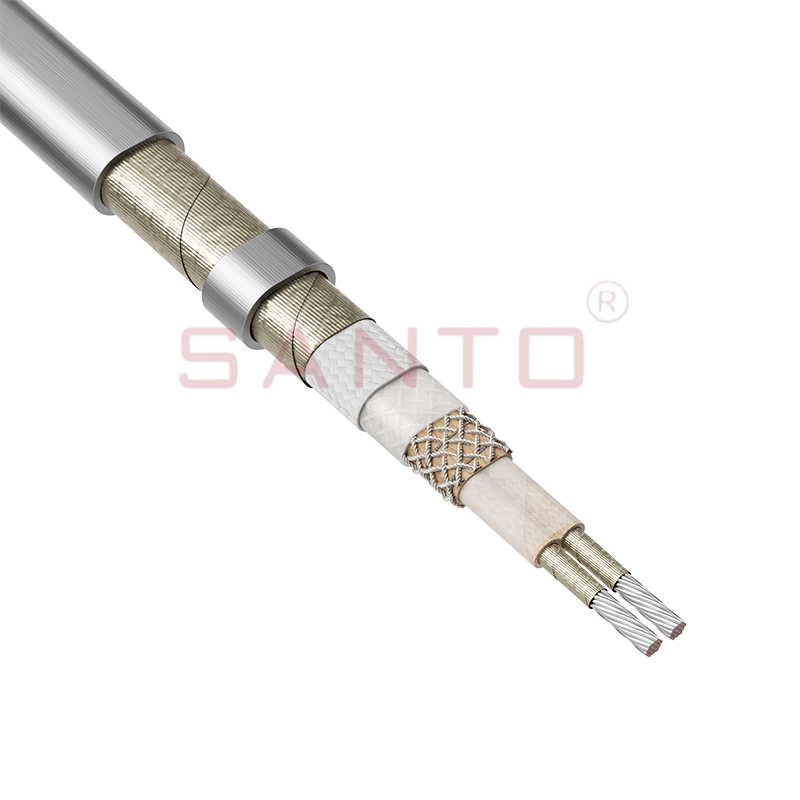
The SANTO UFM series self-regulating heating cables are mainly used for freeze protection of pipes and vessels, but can also be used to maintain processes up to 400°C. These heating cables are availab...
See Details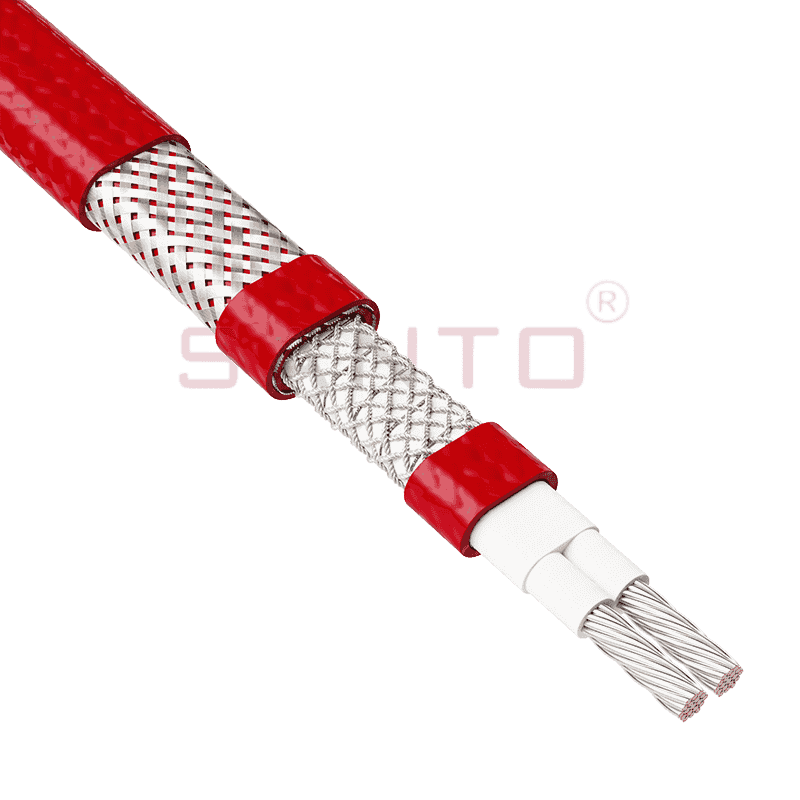
The SANTO ACC range of power-limiting heating cables is mainly used for temperature maintenance of processes and offers the advantage of a high power output at high temperatures which can reduce the n...
See Details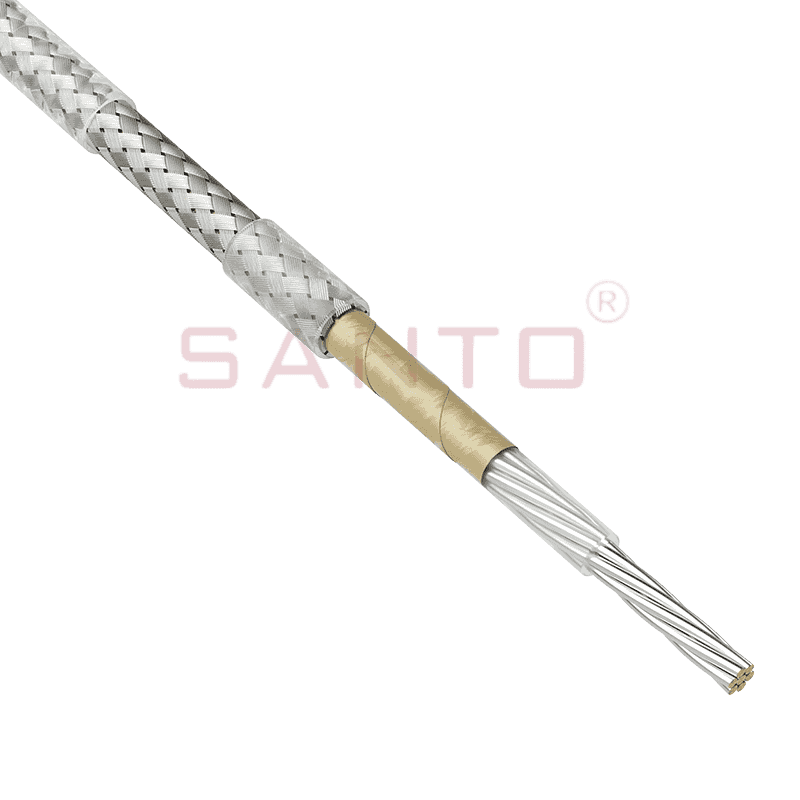
The stranded high temperature conductor is nickel plated to ensure a long life at elevated temperatures in corrosive environments. It is electrically isolated using an innovative sandwich construction...
See Details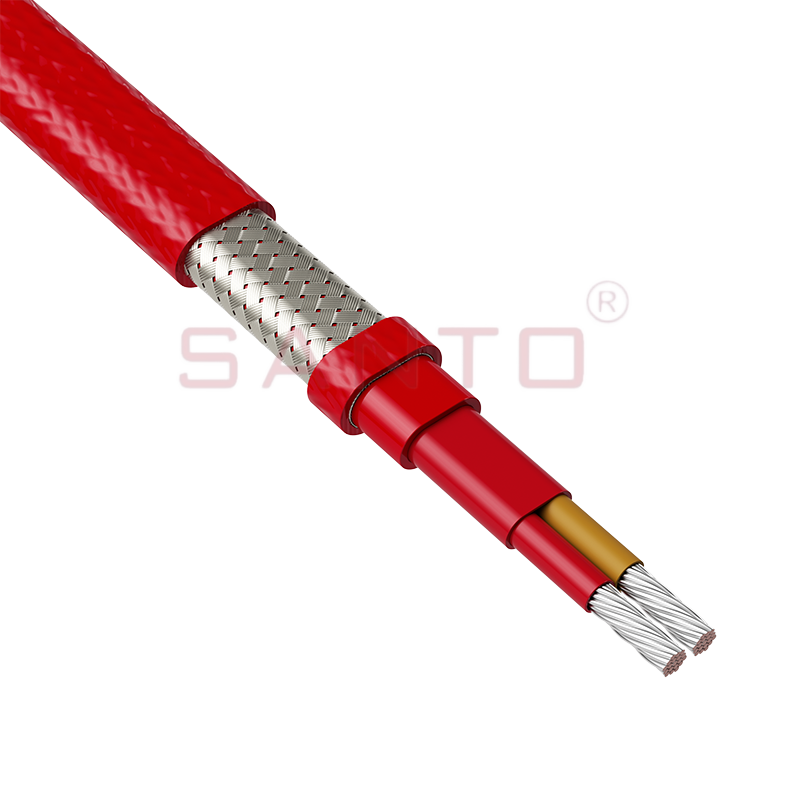
The stranded high temperature conductor is nickel plated to ensure a long life at elevated temperatures in corrosive environments. It is electrically isolated using an innovative sandwich construction...
See Details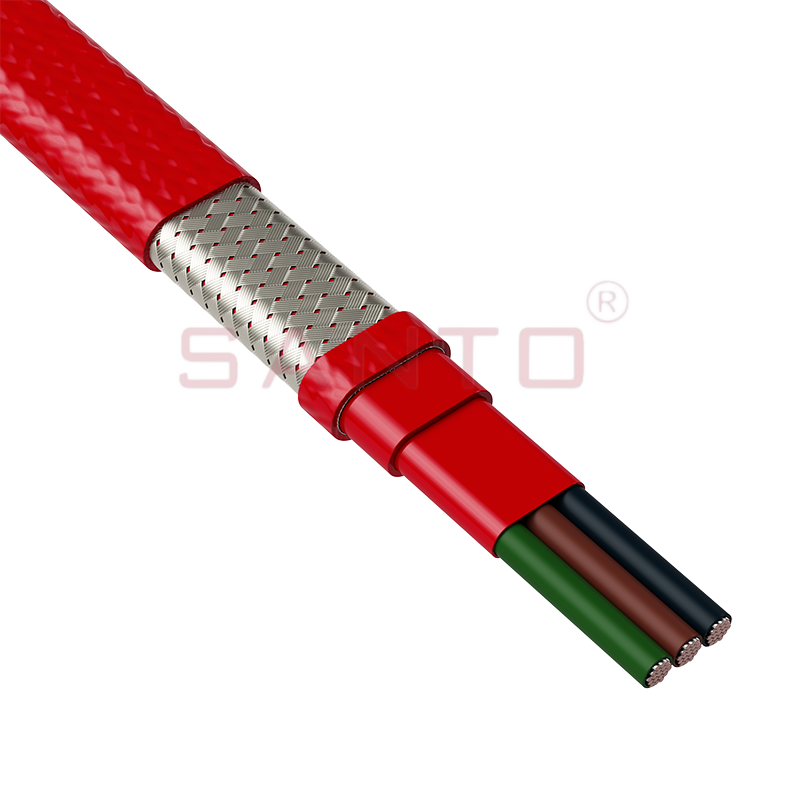
The stranded high temperature conductor is nickel plated to ensure a long life at elevated temperatures in corrosive environments. It is electrically isolated using an innovative sandwich construction...
See Details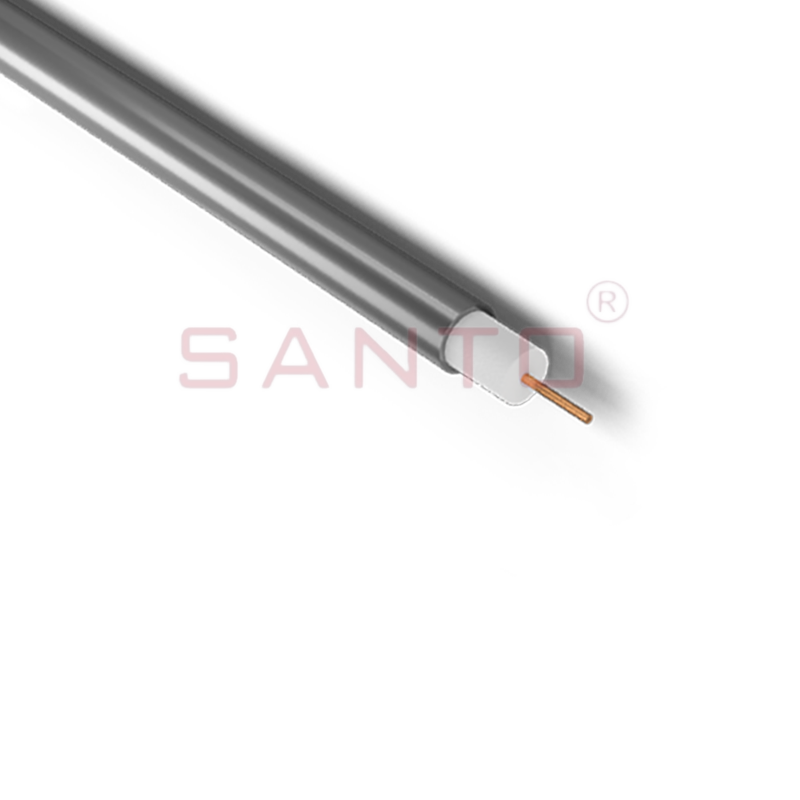
SANTO HAx mineral insulated (MI) Alloy 825 series heating cables are suitable for use in hazardous areas. They have been designed for use in freeze protection and temperature maintenance applications ...
See Details
Santo electric heating strips are widely used in key industries in China.

