 English
  English
 русский
 日本語
日本語 Español
 中文简体
中文简体The SANTO UFA range of self-regulating heating cables is mainly used for frost protection of pipes and vessels but can also be used to maintain processes up to 65°C. These heating cables are available...
See Details
Quick Answer: A self regulating heat trace cable works by using a conductive polymer core that automatically increases or decreases its electrical resistance in response to ambient temperature changes — producing more heat when it's cold and less heat when it's warm, without any external controls or thermostats required.
Whether you're protecting pipes from freezing, maintaining process temperatures, or preventing ice dams on rooftops, understanding how self regulating heat trace works is essential for making informed engineering and purchasing decisions. This guide covers the core technology, real-world applications, key comparisons, installation tips, and answers to the most frequently asked questions.
Content
At the heart of every self regulating heat trace cable is a specially formulated conductive polymer matrix. This material is extruded between two parallel bus wires running the full length of the cable. Unlike conventional wiring, this polymer core is not a fixed resistor — it behaves as a dynamic, temperature-sensitive element.
The conductive polymer contains billions of microscopic carbon particles dispersed throughout a semi-crystalline plastic matrix. At low temperatures, these carbon particles are packed closely together, forming continuous conductive pathways that allow electrical current to flow freely — generating substantial heat output.
As the temperature rises, the polymer matrix expands thermally. This expansion physically separates the carbon particles, breaking many of the conductive chains. The result is a dramatic increase in electrical resistance, which sharply reduces current flow and therefore reduces heat output. This process is entirely reversible and occurs simultaneously along every inch of the cable.
A high-quality self regulating heat trace cable is built with multiple protective layers, each serving a specific engineering purpose:
| Layer | Material | Function |
| Bus Wires | Tinned copper | Carry electrical current end-to-end |
| Heating Core | Conductive polymer | Self regulating resistance element |
| Inner Jacket | Modified polyolefin or fluoropolymer | Electrical insulation, moisture barrier |
| Braid Shield | Tinned copper braid | Ground fault protection, EMI shielding |
| Outer Jacket | Polyolefin, PVC, or fluoropolymer | Chemical resistance, UV and mechanical protection |
The self-regulating mechanism delivers several practical and economic advantages that make it the preferred choice for most commercial and industrial freeze protection applications:
Because the cable reduces its own output as temperature rises, it cannot overheat itself — even if insulation is left on top, the cable is overlapped, or a section is buried under debris. This eliminates one of the most serious risks associated with fixed-resistance heat trace systems.
A self regulating heat trace system only draws full power when and where it's needed. On a mild day, energy consumption may be a fraction of rated wattage. Over a full heating season, this can translate into significant energy savings compared to systems that operate at constant output.
Unlike zone-type constant wattage cables, self regulating cables can be cut to any required length on-site without affecting performance. Each cut section operates independently, making installation highly flexible.
Because every section of the cable regulates itself independently, a cold spot at one end of a 200-foot run receives more heat while a warm section in the middle simultaneously reduces output — all in real time, with no lag.
Quality self regulating heat trace cables are designed for decades of reliable operation. The absence of thermostats or mechanical components along the cable itself minimizes failure points.
Choosing between self regulating heat trace and constant wattage systems is one of the most common decisions engineers and contractors face. Here's a detailed comparison:
| Feature | Self Regulating | Constant Wattage |
| Heat Output | Varies automatically with temperature | Fixed output regardless of temperature |
| Overheat Risk | Very low — self-limiting | Higher — requires thermostat control |
| Energy Use | Lower — proportional to need | Higher — always at rated output |
| Cuttable On-Site | Yes — any length | Zone type only — fixed zone lengths |
| Max Temp Rating | Typically up to 150°C–250°C | Can exceed 400°C (mineral insulated) |
| Installation | Highly flexible | More pre-planning required |
| Cost | Moderate upfront, lower operating cost | Lower upfront, higher operating cost |
| Best For | Freeze protection, low–medium temp maintenance | High-temperature process maintenance |
Self regulating heat trace systems are used across a wide range of industries and building types. Their inherent safety and flexibility make them adaptable to demanding environments:
Proper installation is critical to maximizing the performance and longevity of a self regulating heat trace system. Follow these industry-standard guidelines:
Self regulating heat trace cables are rated at a specific wattage per foot at a reference temperature — typically 50°F (10°C). Common ratings include 3W/ft, 5W/ft, 8W/ft, 10W/ft, and 12W/ft. Here's what this means in practice:
This dynamic behavior means the rated wattage is a nominal reference value, not a constant. Always consult the manufacturer's power-vs-temperature curve for precise sizing calculations.
Not necessarily. Because the cable modulates its own output based on temperature, a thermostat is not required for basic freeze protection. However, adding an ambient or pipe-sensing thermostat can further reduce energy consumption by cutting power entirely when conditions don't require it — a practice recommended for long runs or high-energy installations.
Yes — this is one of the most important safety advantages. Because the cable reduces its output when warm, overlapping sections will not create hot spots or fire hazards. Constant wattage cables, by contrast, can overheat dangerously if crossed or overlapped.
With proper installation and protection from physical damage, high-quality self regulating heat trace cables can last 20–30 years or more. Annual inspection of end seals, connection kits, and insulation integrity is recommended to ensure continued performance.
Yes, provided you select a cable rated for the correct temperature range. Low-temperature self regulating cables (e.g., rated to 65°C or 150°F) are specifically designed for use on plastic piping systems including PVC, CPVC, PEX, and HDPE. Always verify compatibility with the pipe manufacturer.
The most common failure causes are: physical damage during installation (cutting, kinking, or crushing the cable); water ingress at improperly installed end seals or splices; exposure to temperatures above the cable's rated maximum; and chemical attack from incompatible fluids. Following manufacturer installation guidelines prevents the vast majority of failures.
Yes. Many self regulating heat trace cables are available with hazardous area approvals (e.g., Class I Division 1 and 2, ATEX, IECEx). The self-limiting nature of the technology — which prevents runaway temperatures — makes it well suited for use in flammable atmospheres when the correct product series is selected.
Wattage selection depends on four key variables: pipe size, insulation thickness and type, the minimum design ambient temperature, and the required pipe maintenance temperature. Most manufacturers provide free online sizing calculators or detailed engineering guides. For critical applications, a qualified heat tracing engineer should verify the design.
Compared to constant wattage alternatives, self regulating heat trace is significantly more energy efficient. A well-insulated pipe with properly sized self regulating cable typically consumes far less electricity per season than a constant-output system, because it only draws significant current during genuinely cold conditions.
Understanding how self regulating heat trace works reveals why this technology has become the dominant choice for freeze protection and low-to-medium temperature process maintenance worldwide. The conductive polymer core — which automatically adjusts resistance in response to temperature — delivers a level of safety, efficiency, and installation flexibility that fixed-output alternatives cannot match.
Whether you're protecting a single residential water line or designing a plant-wide heat tracing system for a petrochemical facility, self regulating heat trace cable technology provides a reliable, energy-efficient, and inherently safe solution. Combine it with proper insulation, correct product selection, and compliant installation practices, and you have a system that will perform dependably for decades.
Always consult detailed product data sheets and involve qualified engineers for critical or hazardous-area installations. The right self regulating heat trace system, properly designed and installed, is one of the most cost-effective investments you can make in the protection of your infrastructure.
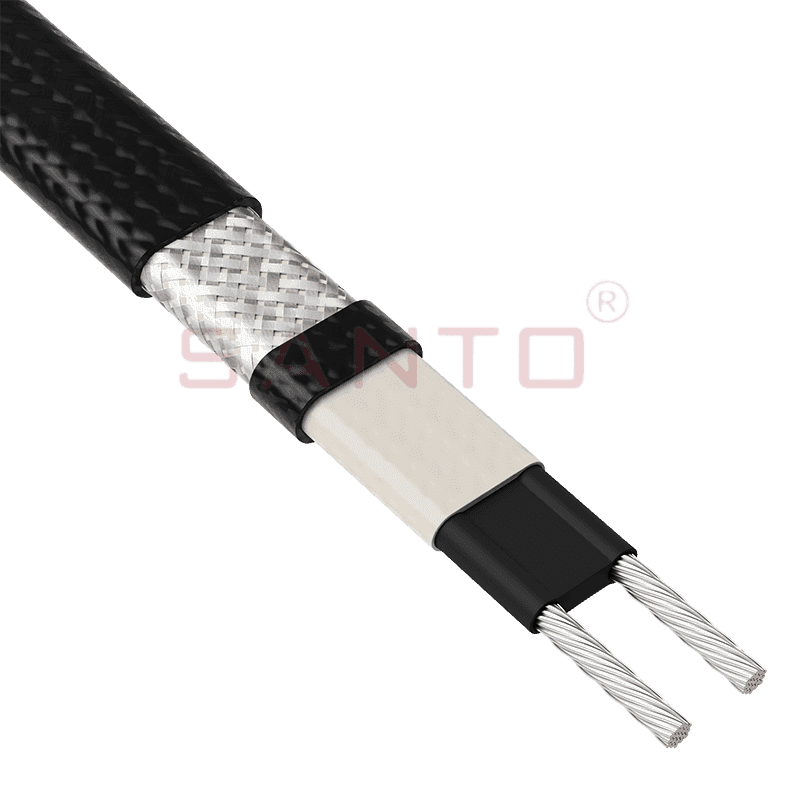
The SANTO UFA range of self-regulating heating cables is mainly used for frost protection of pipes and vessels but can also be used to maintain processes up to 65°C. These heating cables are available...
See Details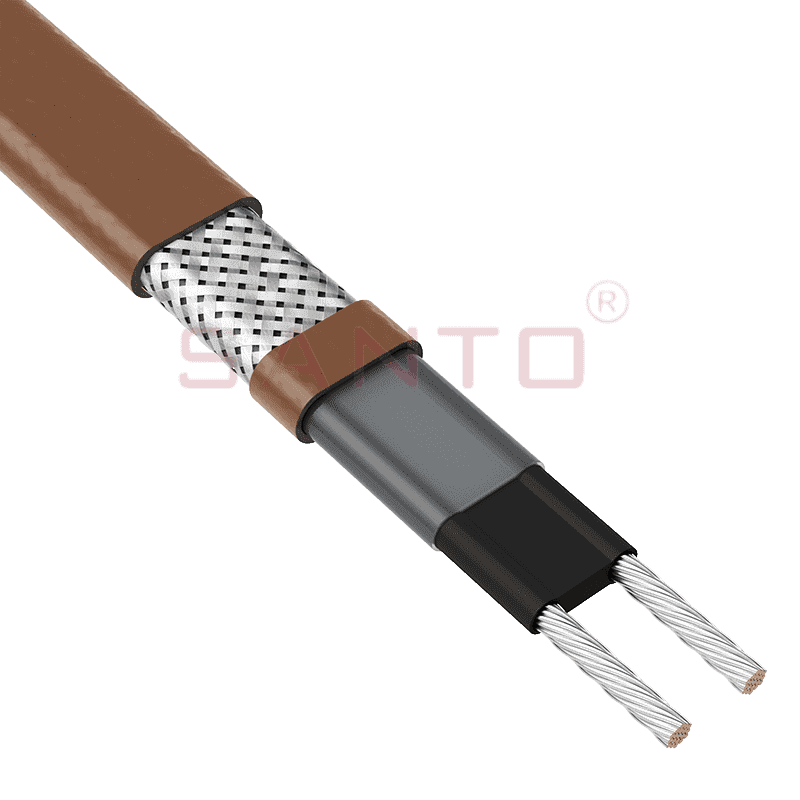
The SANTO UFB range of self-regulating heating cables is mainly used for frost protection of pipes and vessels requiring a higher power output than the UFA heating cables can supply. They can also be ...
See Details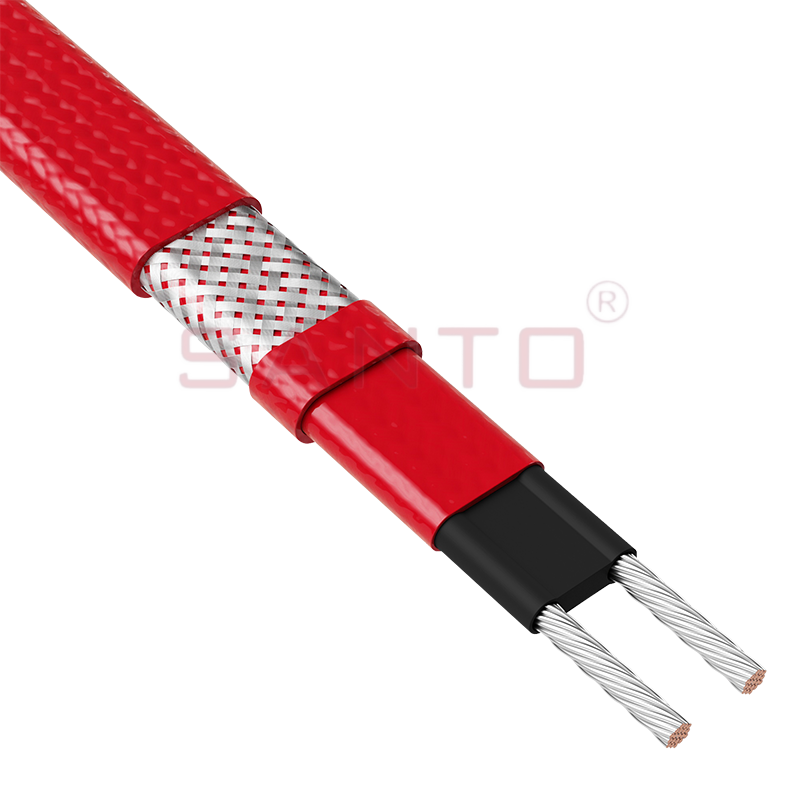
The SANTO UFC range of self-regulating heating cables is used for frost protection of pipes and vessels that require steam cleaning. They can also be used to maintain processes up to 121°C. These heat...
See Details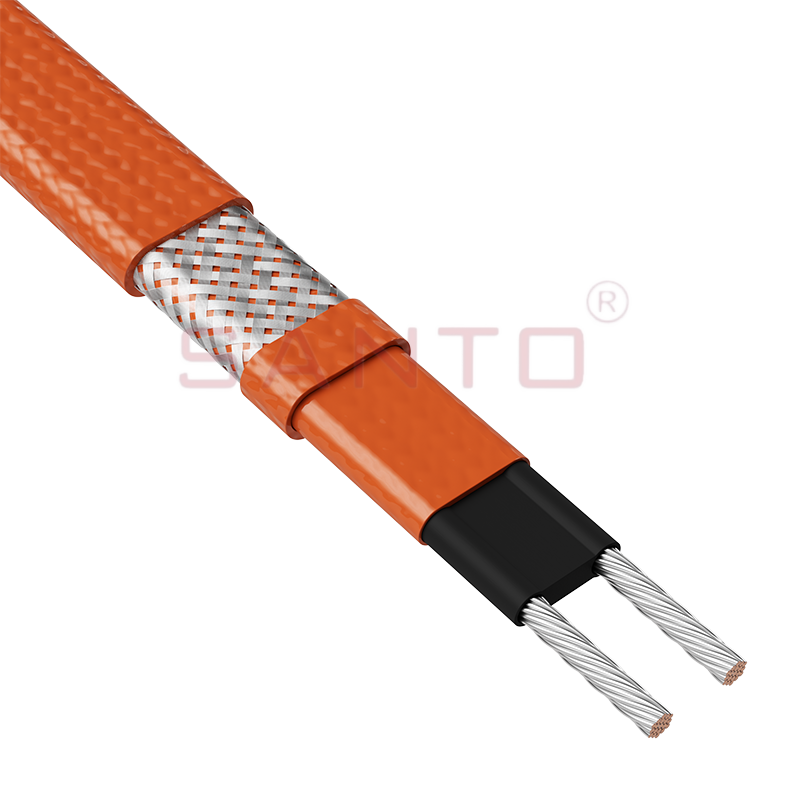
The SANTO UFO range of self-regulating heating cables is mainly used for frost protection of pipes and vessels that require steam cleaning . They can also be used to maintain processes up to 150°C. Th...
See Details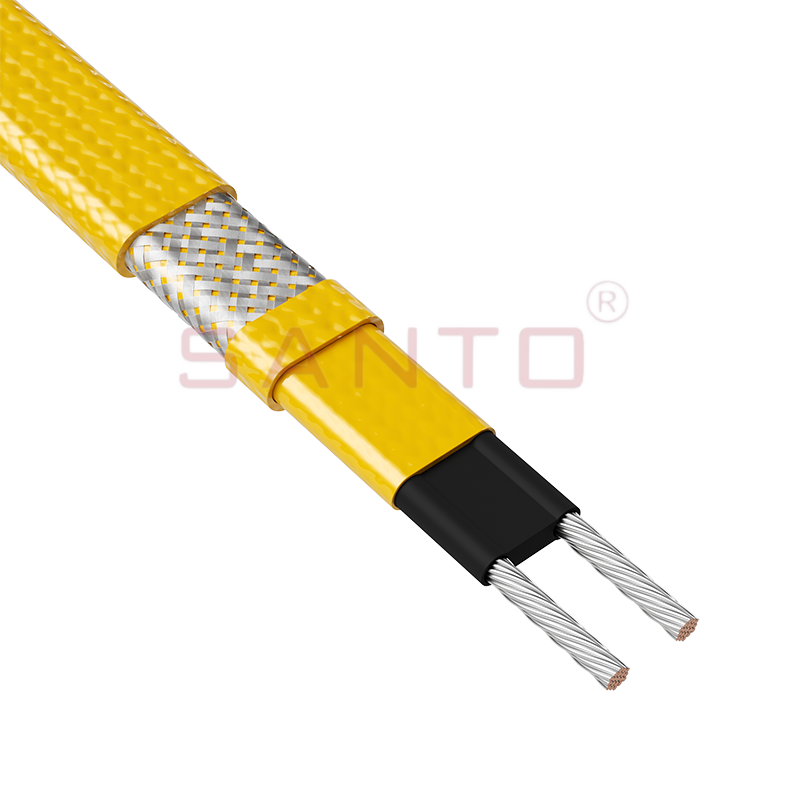
The SANTO UFD series of self-regulating heating cables are mainly used for freeze protection of pipes and vessels, but can also be used to maintain processes up to 200°C. These heating cables are avai...
See Details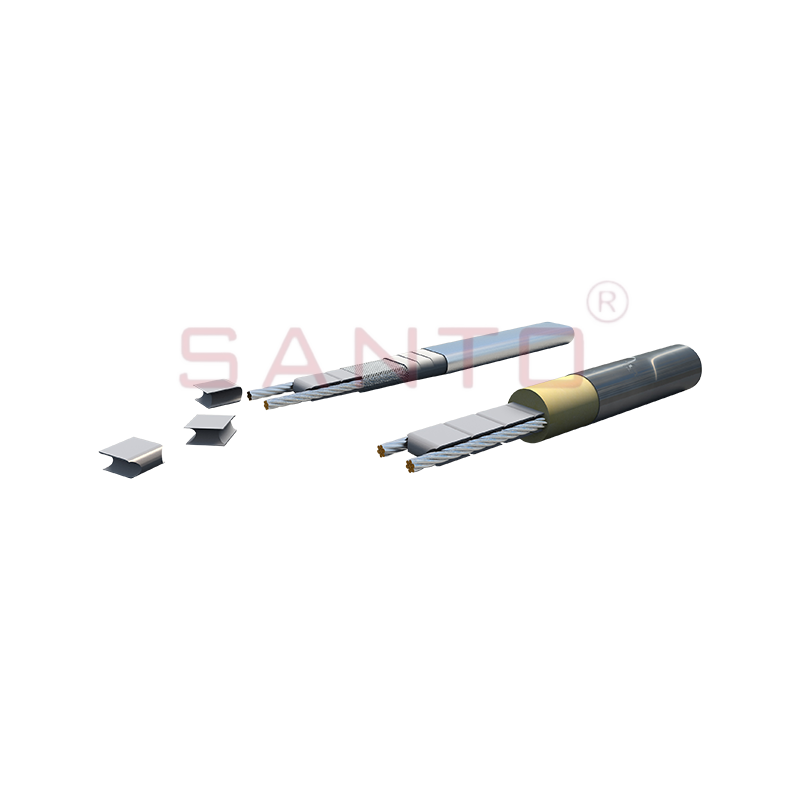
SANTO UFY heating wire is suitable for applications that maintain process temperatures up to 260 ℃ and can be steam blown; The self-regulating and parallel circuit heating wires of the UFY series are ...
See Details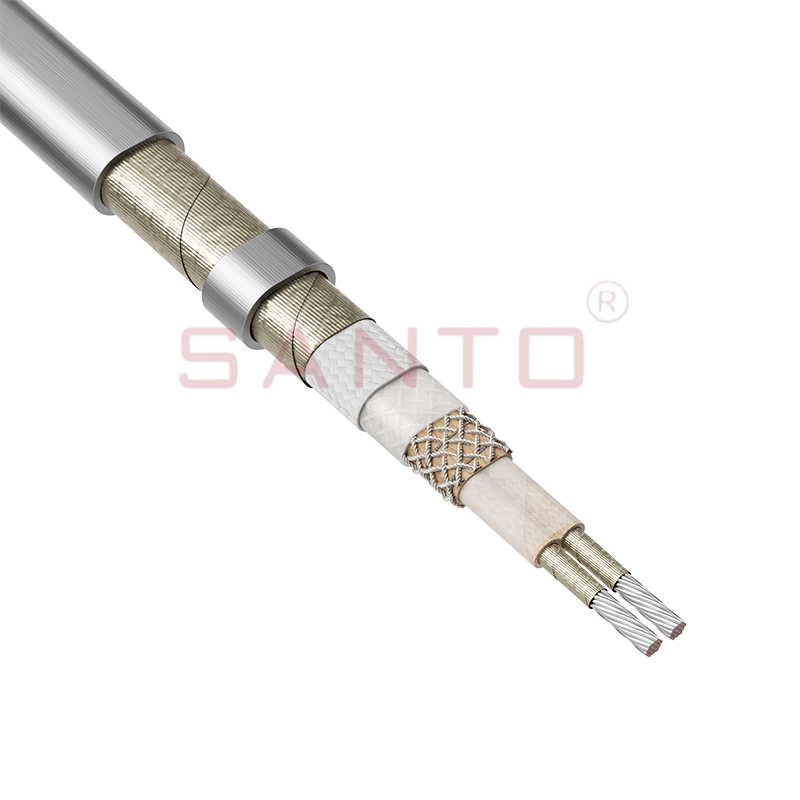
The SANTO UFM series self-regulating heating cables are mainly used for freeze protection of pipes and vessels, but can also be used to maintain processes up to 400°C. These heating cables are availab...
See Details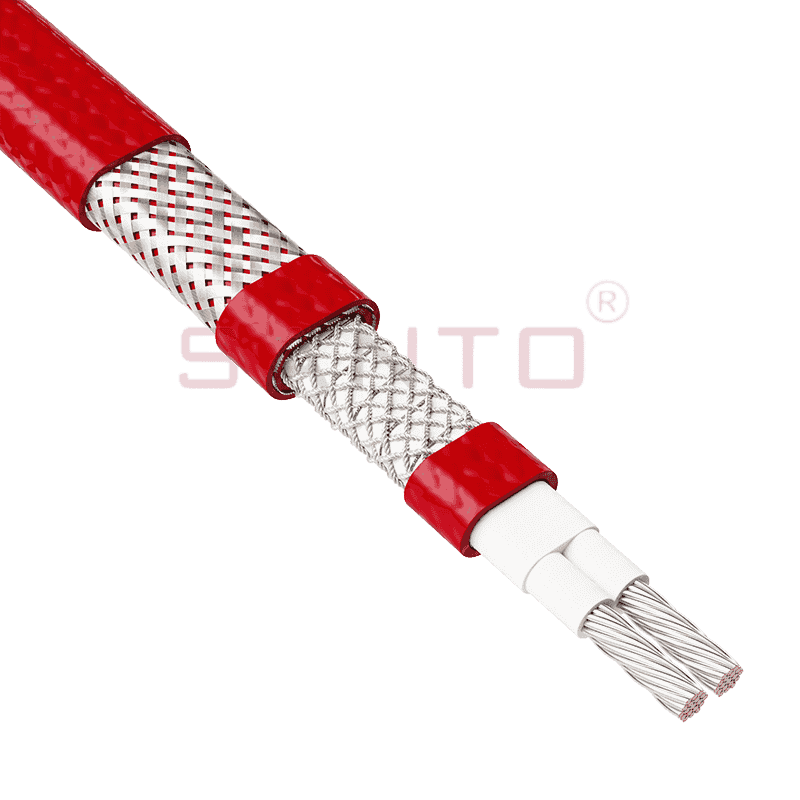
The SANTO ACC range of power-limiting heating cables is mainly used for temperature maintenance of processes and offers the advantage of a high power output at high temperatures which can reduce the n...
See Details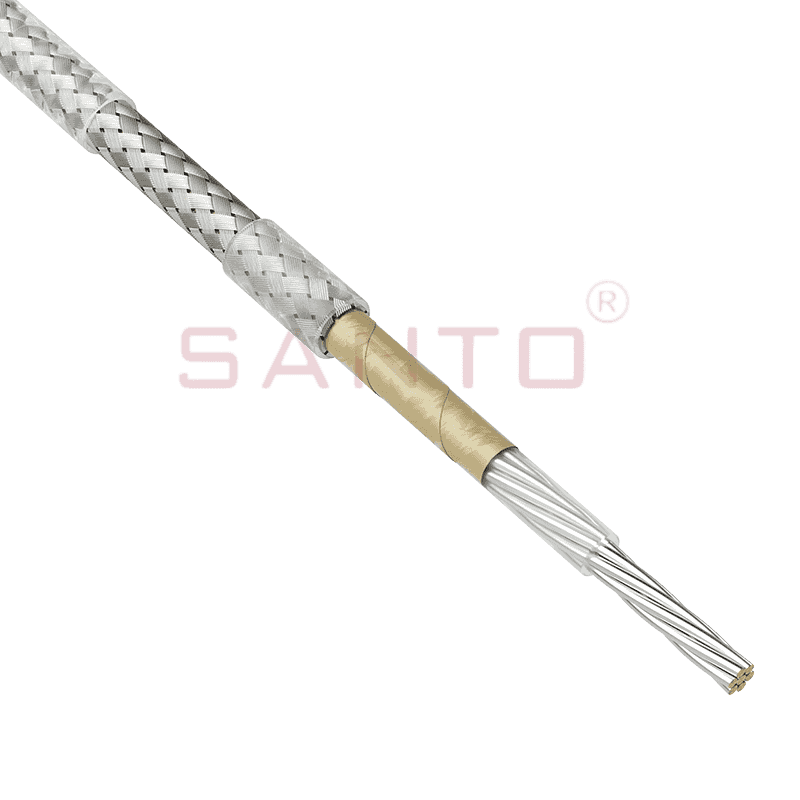
The stranded high temperature conductor is nickel plated to ensure a long life at elevated temperatures in corrosive environments. It is electrically isolated using an innovative sandwich construction...
See Details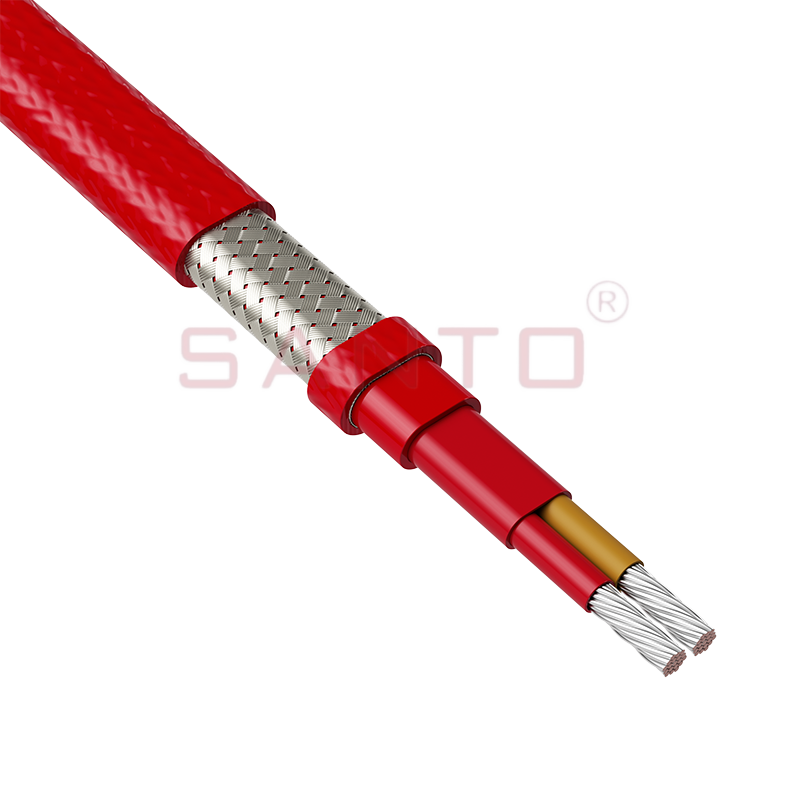
The stranded high temperature conductor is nickel plated to ensure a long life at elevated temperatures in corrosive environments. It is electrically isolated using an innovative sandwich construction...
See Details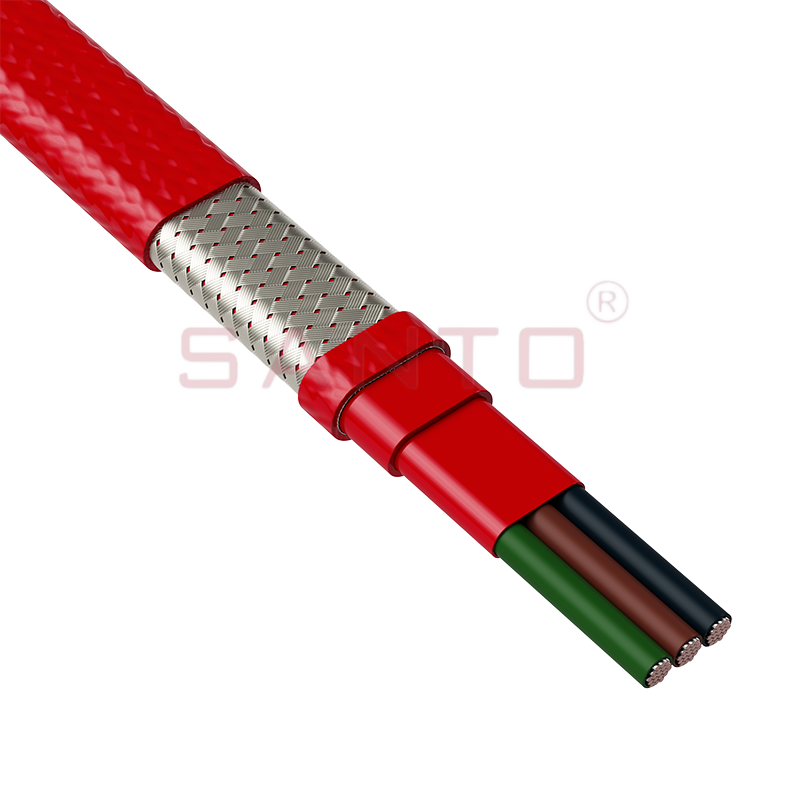
The stranded high temperature conductor is nickel plated to ensure a long life at elevated temperatures in corrosive environments. It is electrically isolated using an innovative sandwich construction...
See Details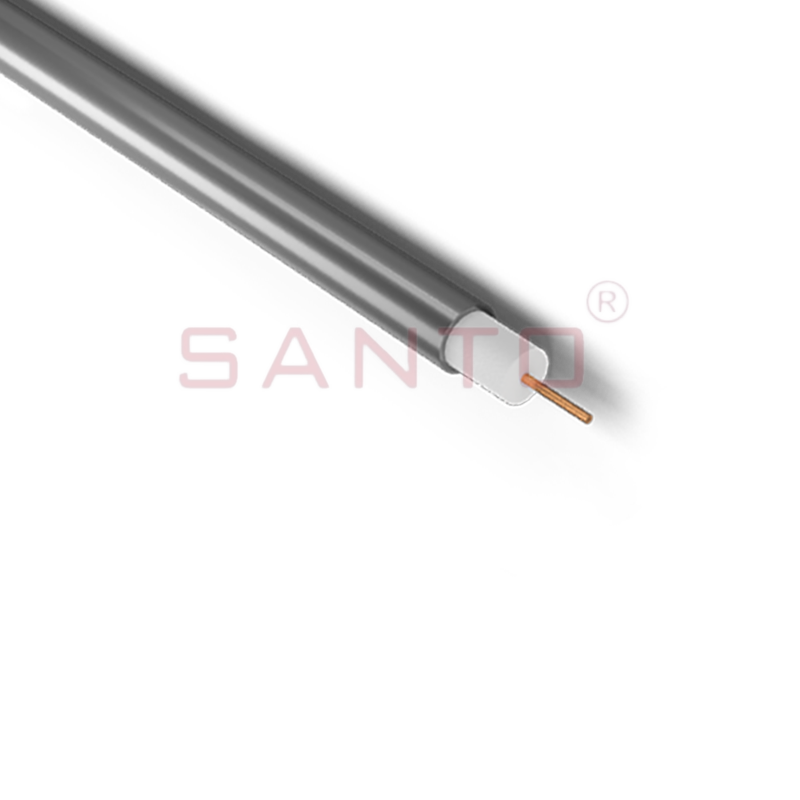
SANTO HAx mineral insulated (MI) Alloy 825 series heating cables are suitable for use in hazardous areas. They have been designed for use in freeze protection and temperature maintenance applications ...
See Details
Santo electric heating strips are widely used in key industries in China.

