 English
  English
 русский
 日本語
日本語 Español
 中文简体
中文简体The SANTO UFA range of self-regulating heating cables is mainly used for frost protection of pipes and vessels but can also be used to maintain processes up to 65°C. These heating cables are available...
See Details
In modern heating applications, precise temperature control is critical for both safety and efficiency. A Heating Cable Thermostat plays a pivotal role in ensuring that heating cables operate at optimal temperatures, preventing overheating and energy waste. From industrial pipe tracing to residential floor heating systems, understanding how these thermostats maintain accuracy can help users make better choices for their heating solutions.
Content
A Heating Cable Thermostat is an electrical device designed to regulate the temperature of heating cables. It monitors temperature fluctuations and automatically adjusts the electrical current supplied to the heating cable to maintain the desired setpoint.
Temperature control with a Heating Cable Thermostat relies on the precise feedback loop between the sensor and the control unit. The main process can be broken down into the following steps:
The thermostat continuously monitors the environment using its sensor. In pipe tracing, the sensor may be attached to the pipe, while in floor heating, it might be embedded in the floor structure.
The thermostat compares the actual temperature with the user-defined setpoint. If the temperature is lower than the setpoint, the thermostat triggers the heating cable to supply power.
Advanced thermostats use modulating control rather than simple on/off switching. By varying the power output, they can maintain temperature within a narrow range, improving both comfort and energy efficiency.
Once the target temperature is reached, the thermostat cuts off power to prevent overheating. This cycle repeats continuously, ensuring stable temperature control.
Heating cable thermostats come in various types, each suitable for different applications. Understanding their differences can help determine the best choice for a specific heating system.
| Feature | Mechanical Thermostat | Electronic Thermostat |
|---|---|---|
| Accuracy | Moderate (±3°C) | High (±0.5°C) |
| Cost | Lower | Higher |
| Control Options | Basic on/off | Programmable, modulating |
| Durability | Long-lasting, minimal electronics | Good, but sensitive to electrical surges |
Heating Cable Thermostats are widely used in both residential and industrial applications:
Yes, but the total electrical load must not exceed the thermostat’s rated capacity. For larger systems, multiple thermostats or a centralized control system may be required.
While both regulate temperature, a heating cable thermostat is designed for low-mass, high-resistance heating cables and often includes environmental sensors, whereas room thermostats control air temperature in living spaces.
Yes. A thermostat failure could lead to continuous power supply, causing overheating. It’s important to regularly inspect and maintain both the thermostat and the heating cable.
Mechanical thermostats typically last 10–15 years, while electronic thermostats can last 8–12 years depending on usage and environmental conditions.
Smart thermostats are becoming increasingly popular, integrating wireless connectivity, IoT monitoring, and AI-based predictive heating. These systems allow remote temperature adjustments, energy tracking, and automated safety shutdowns, enhancing the efficiency and convenience of heating cable applications.
The Heating Cable Thermostat is essential for precise, safe, and energy-efficient operation of heating cables. By understanding its components, working principles, and application scenarios, users can select the most suitable type for their needs. Whether for residential floor heating or complex industrial processes, accurate temperature control ensures optimal performance, cost savings, and enhanced safety.
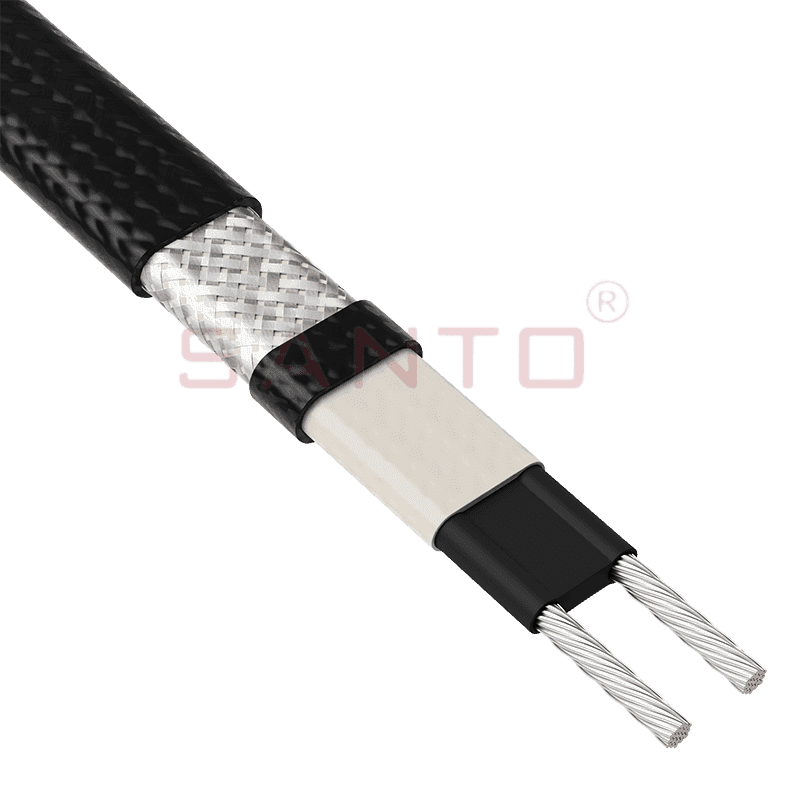
The SANTO UFA range of self-regulating heating cables is mainly used for frost protection of pipes and vessels but can also be used to maintain processes up to 65°C. These heating cables are available...
See Details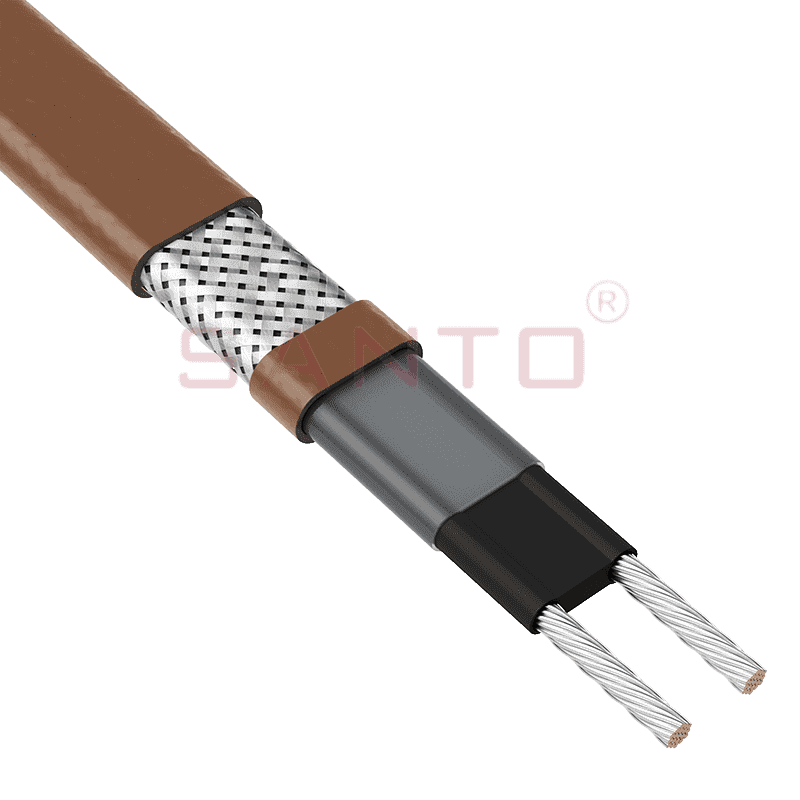
The SANTO UFB range of self-regulating heating cables is mainly used for frost protection of pipes and vessels requiring a higher power output than the UFA heating cables can supply. They can also be ...
See Details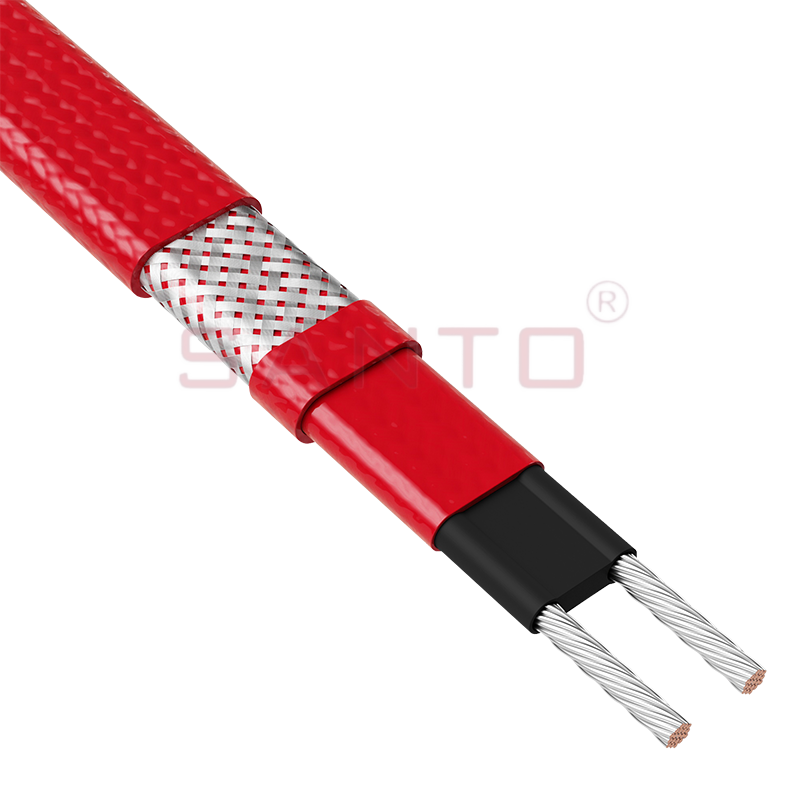
The SANTO UFC range of self-regulating heating cables is used for frost protection of pipes and vessels that require steam cleaning. They can also be used to maintain processes up to 121°C. These heat...
See Details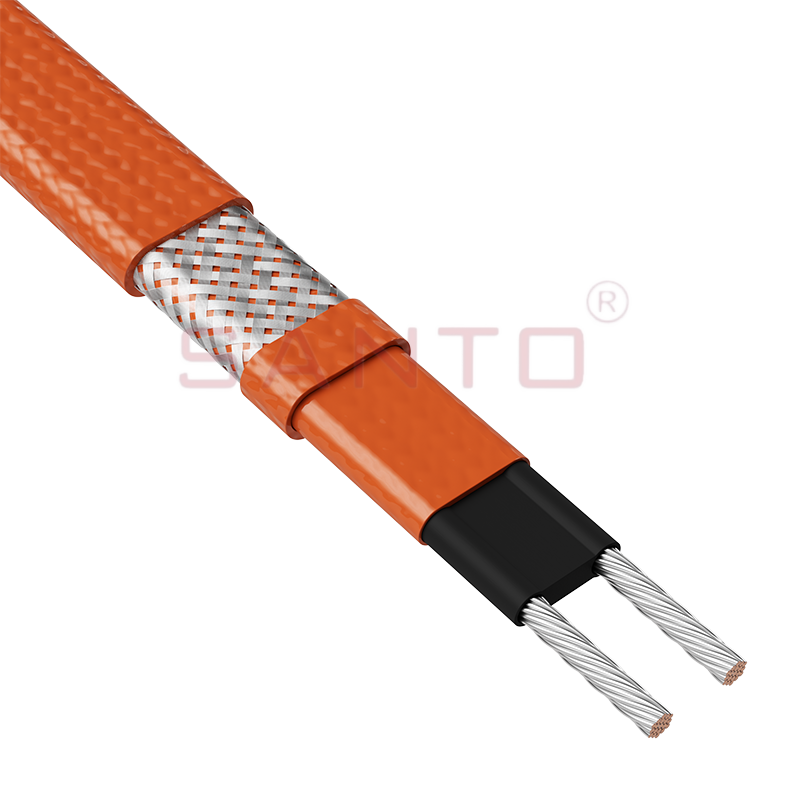
The SANTO UFO range of self-regulating heating cables is mainly used for frost protection of pipes and vessels that require steam cleaning . They can also be used to maintain processes up to 150°C. Th...
See Details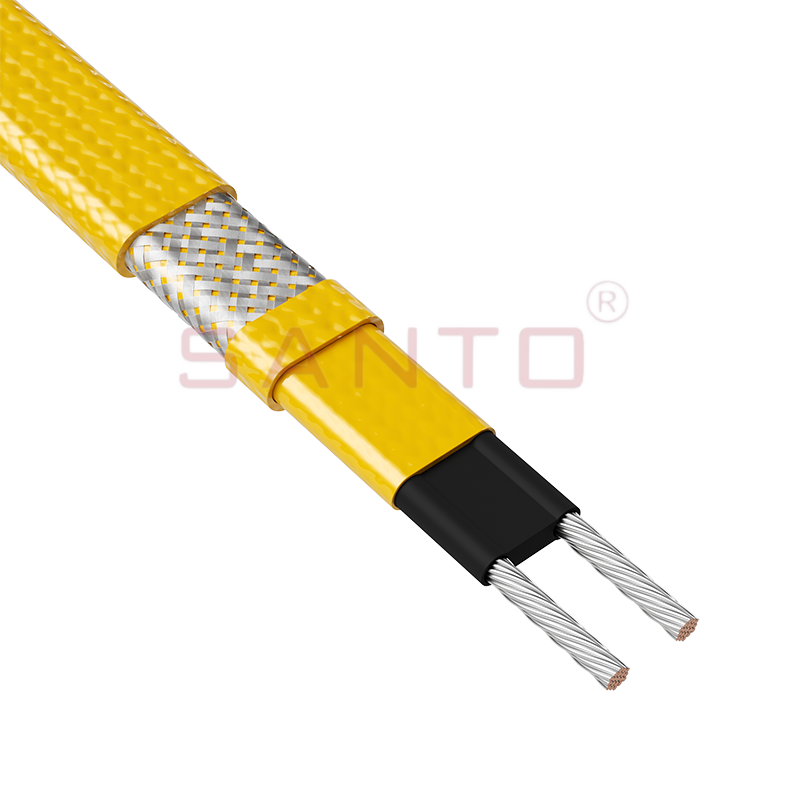
The SANTO UFD series of self-regulating heating cables are mainly used for freeze protection of pipes and vessels, but can also be used to maintain processes up to 200°C. These heating cables are avai...
See Details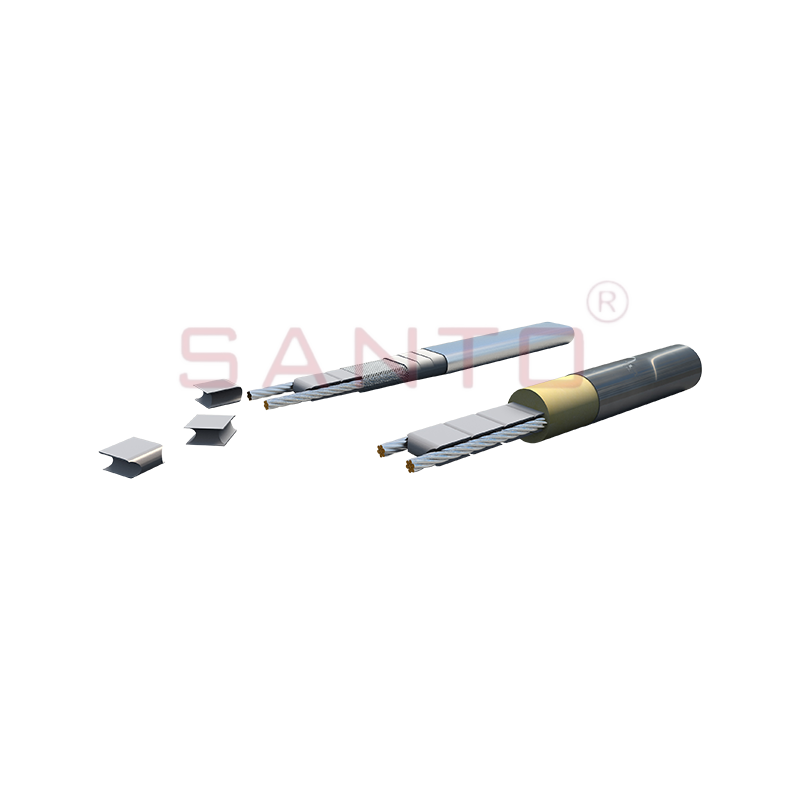
SANTO UFY heating wire is suitable for applications that maintain process temperatures up to 260 ℃ and can be steam blown; The self-regulating and parallel circuit heating wires of the UFY series are ...
See Details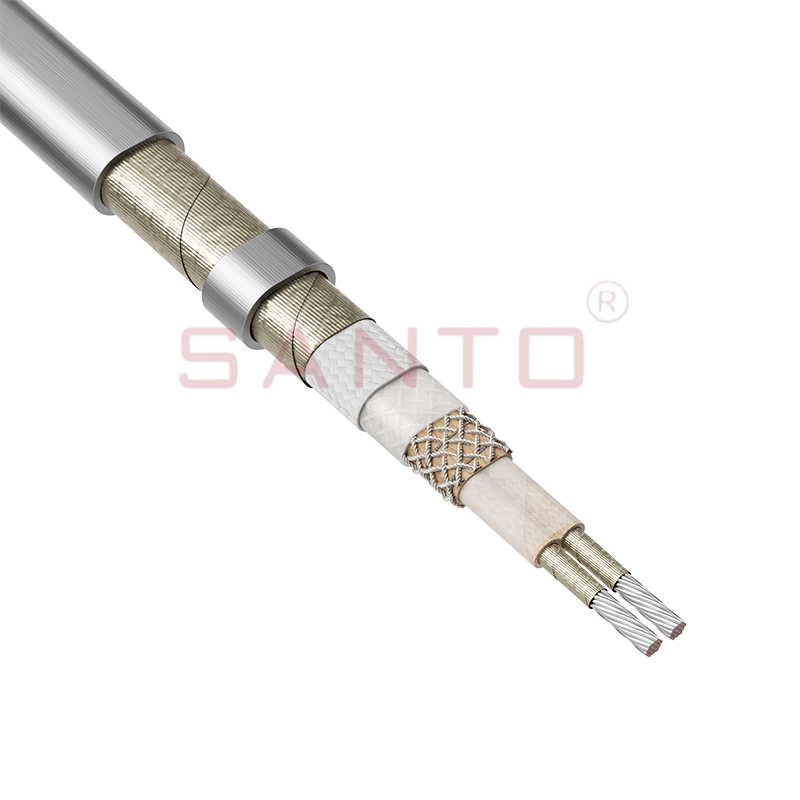
The SANTO UFM series self-regulating heating cables are mainly used for freeze protection of pipes and vessels, but can also be used to maintain processes up to 400°C. These heating cables are availab...
See Details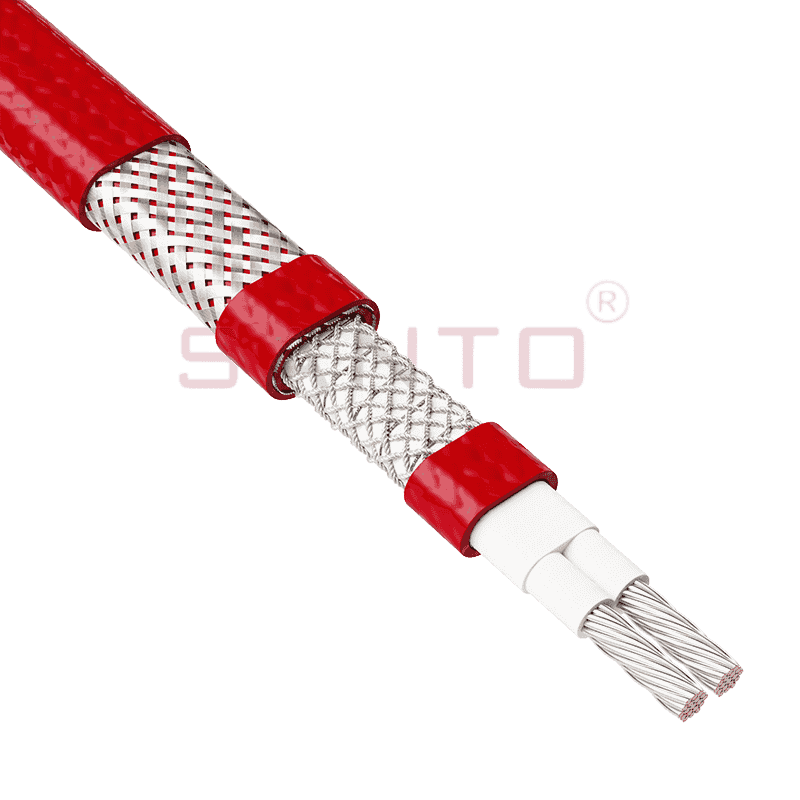
The SANTO ACC range of power-limiting heating cables is mainly used for temperature maintenance of processes and offers the advantage of a high power output at high temperatures which can reduce the n...
See Details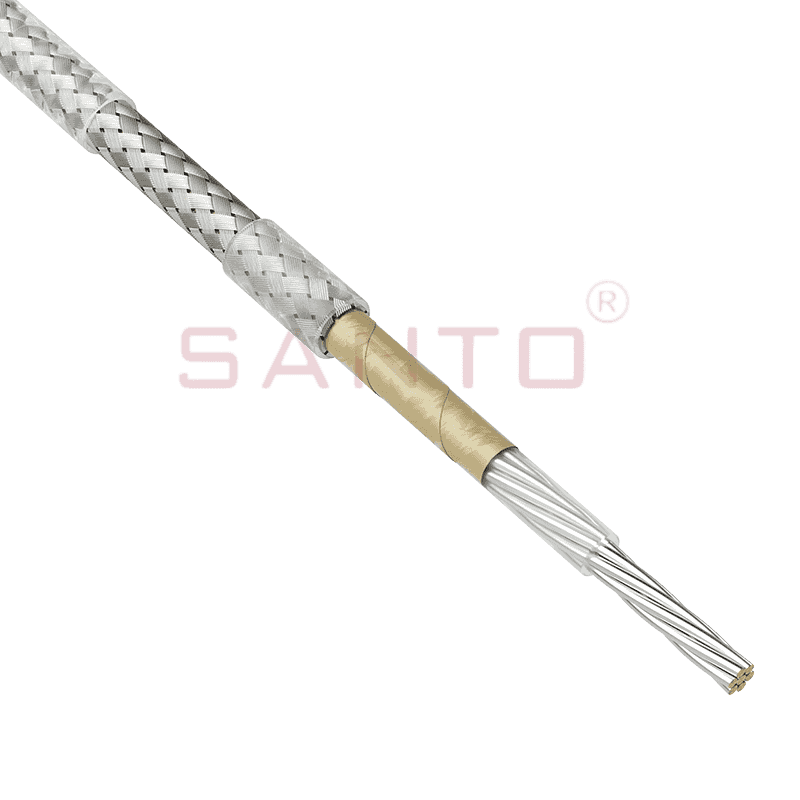
The stranded high temperature conductor is nickel plated to ensure a long life at elevated temperatures in corrosive environments. It is electrically isolated using an innovative sandwich construction...
See Details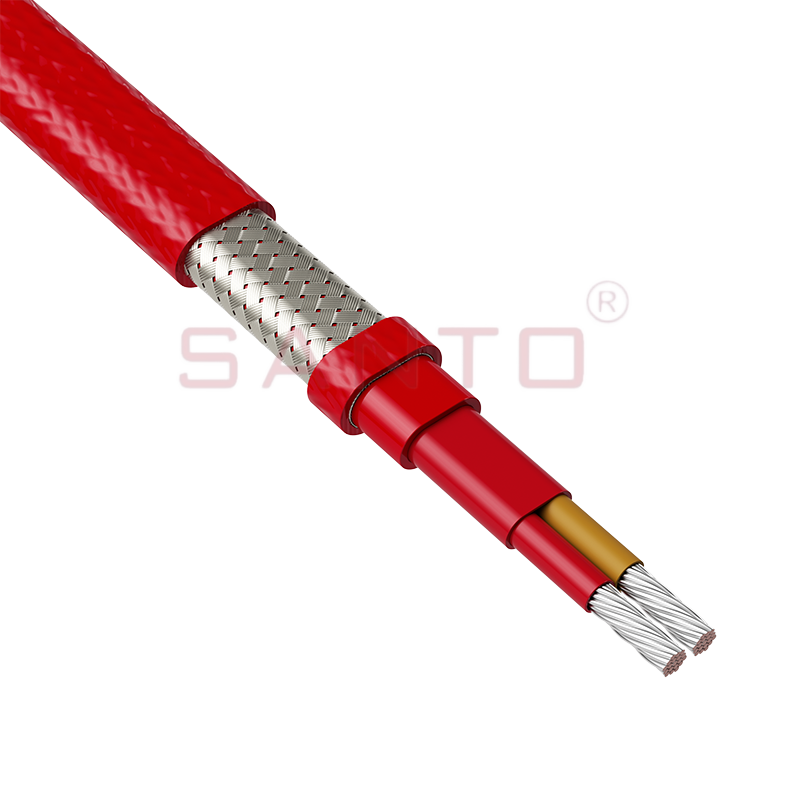
The stranded high temperature conductor is nickel plated to ensure a long life at elevated temperatures in corrosive environments. It is electrically isolated using an innovative sandwich construction...
See Details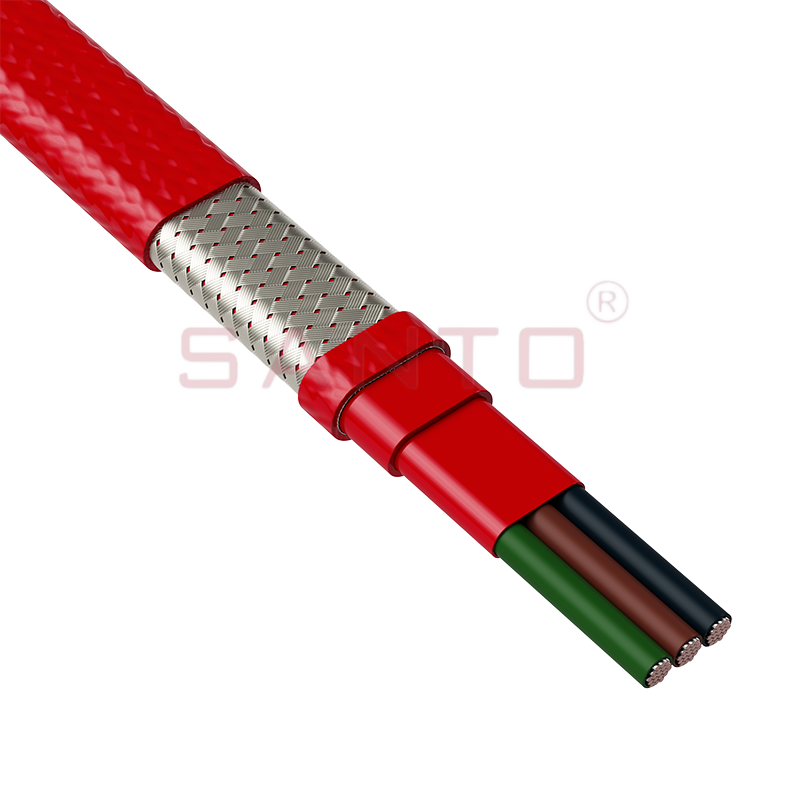
The stranded high temperature conductor is nickel plated to ensure a long life at elevated temperatures in corrosive environments. It is electrically isolated using an innovative sandwich construction...
See Details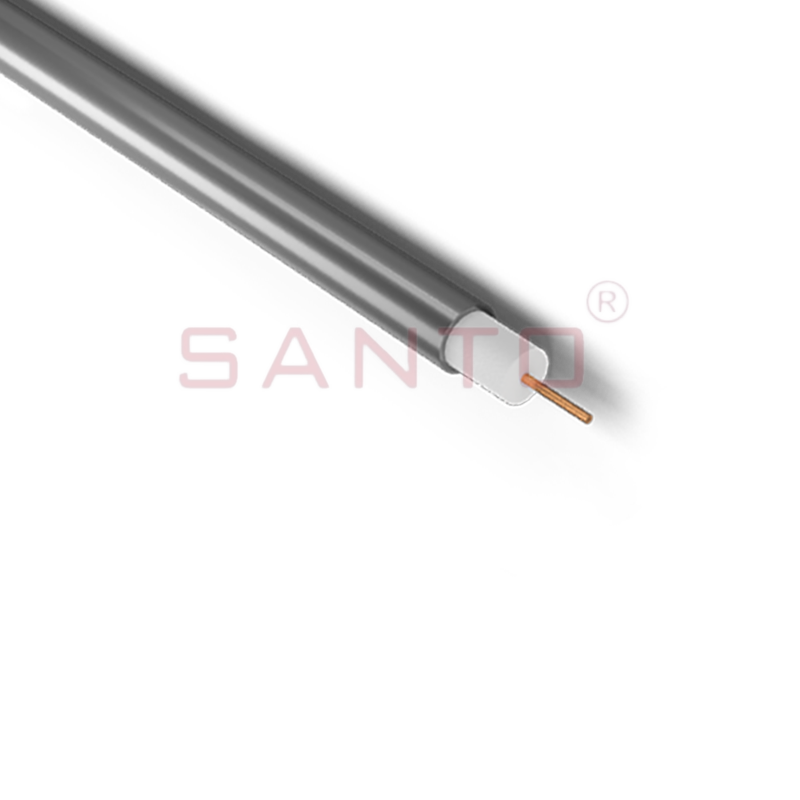
SANTO HAx mineral insulated (MI) Alloy 825 series heating cables are suitable for use in hazardous areas. They have been designed for use in freeze protection and temperature maintenance applications ...
See Details
Santo electric heating strips are widely used in key industries in China.

