English
  English
 русский
 日本語
日本語 Español
 中文简体
中文简体
High temperature heating cable is built to deliver stable heat output when process temperatures exceed the practical limits of self-regulating cable. If you are specifying heat tracing for a refinery transfer line, a CEMS sample line, or a semiconductor process heater, the insulation and sheath materials decide whether the system runs for a decade or fails during the first startup. Most field failures in high temperature heat tracing begin with one mistake: selecting a cable whose exposure temperature rating is lower than the actual process environment.
Content
What Is a High Temperature Heating Cable?
A high temperature heating cable is any electrically heated cable rated to maintain continuous insulation integrity in environments above roughly 150°C, where standard self-regulating polymer cores begin to soften and lose dielectric strength. These cables hold a relatively constant output, so they cannot protect themselves from overheating the way self-regulating cables do. That is why temperature control is a mandatory part of the system design.
- Constant wattage constructions deliver a fixed watt per meter output, independent of ambient temperature changes.
- Mineral insulated (MI) cables use compacted magnesium oxide and a stainless steel or alloy sheath for extreme temperature and pressure tolerance.
- Polymer insulated (PI) cables provide a mid-range temperature solution with compact sizing for analyzers and semiconductor equipment.
The practical difference matters when you are dealing with a process line that never drops below 180°C. A self-regulating cable will not work in that envelope; a constant wattage or mineral insulated design will.
Core Temperature Ratings by Construction Type
Sorting high temperature heating cable by construction type is the fastest way to narrow your options because every construction has a clear temperature ceiling. The table below summarizes the typical boundary conditions that engineers use during pre-selection.
| Construction Type | Continuous Operation | Maximum Exposure | Typical Use |
|---|---|---|---|
| Constant wattage (ABB / ADD) | 200–250°C | 260°C | Pipeline and tank insulation |
| Mineral insulated (MI-321) | 400°C+ | 600°C | High temperature process lines |
| Mineral insulated (Alloy 825) | 500°C+ | 700°C | Corrosive high temperature service |
| Polymer insulated (XPI) | 200°C+ | 260°C | CEMS, semiconductor, analyzers |
Constant Wattage High Temperature Cables
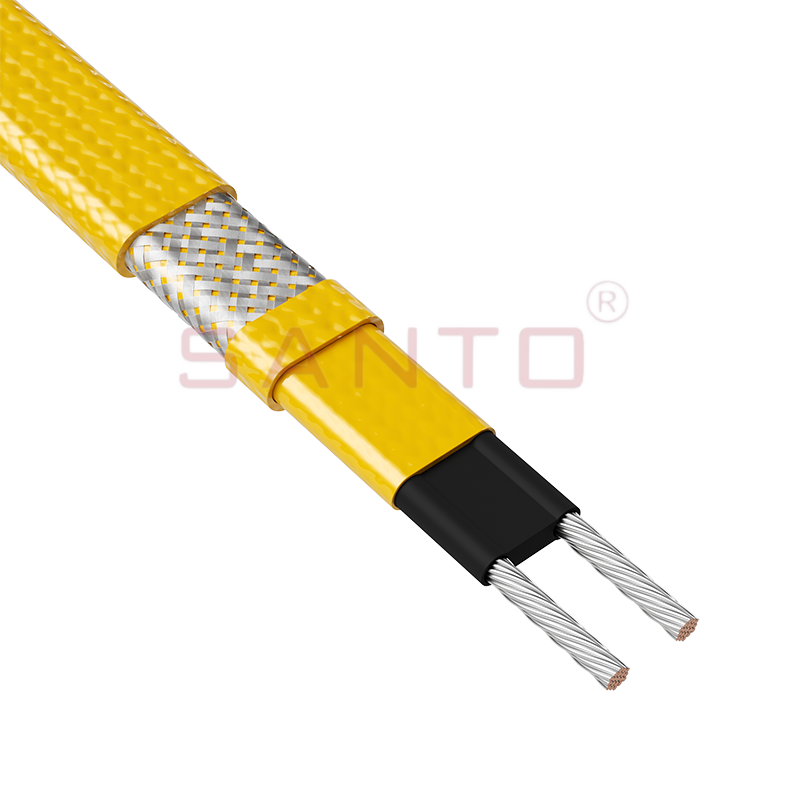
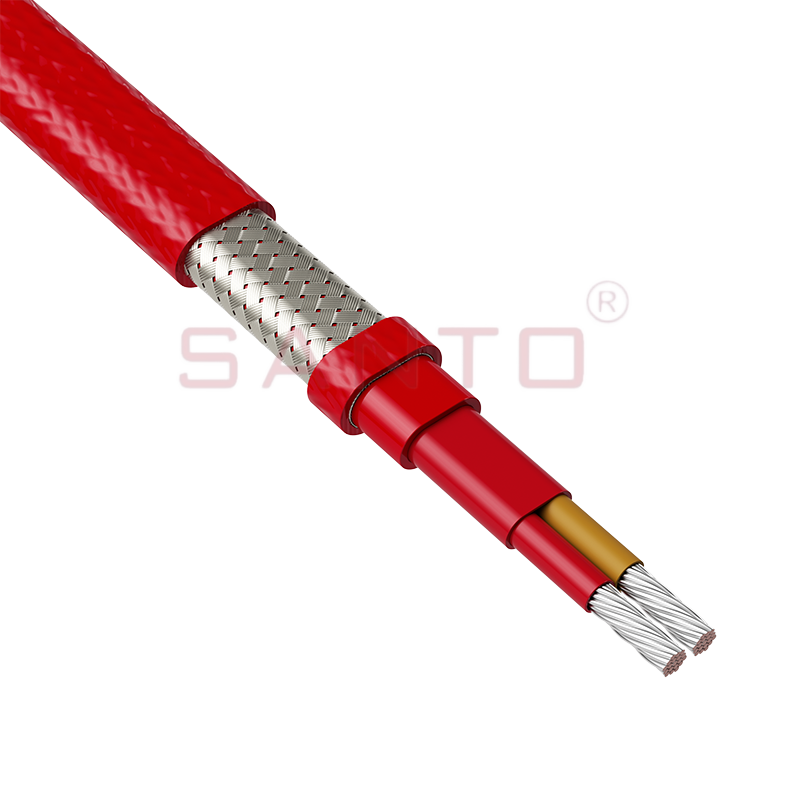
Constant wattage cables keep a fixed output per meter throughout the circuit length. ABB and ADD series cables are typical examples, rated for continuous service around 200–250°C with short-term exposure up to approximately 260°C. They are the workhorse for long pipeline runs and tank insulation because the output is predictable and consistent across the entire circuit.
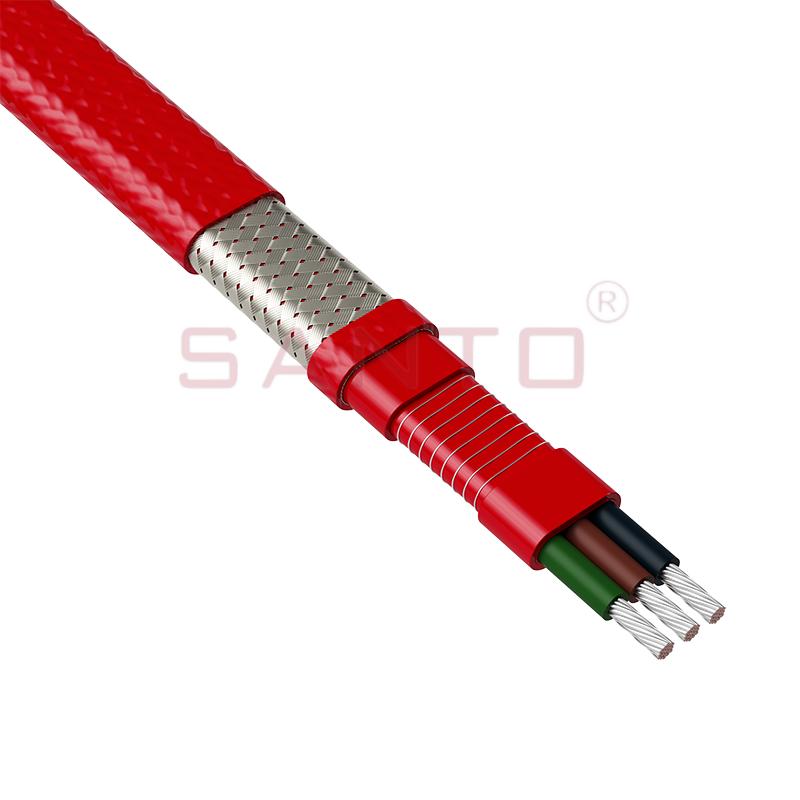 ABB Constant Power Heating Cable for Process Temperature MaintenanceThis parallel constant wattage cable maintains process temperatures up to 230°C withstands steam purges to 260°C and is approved for hazardous areas. It suits long pipe runs and tanks requiring consistent output.View Product →
Mineral Insulated High Temperature Cables
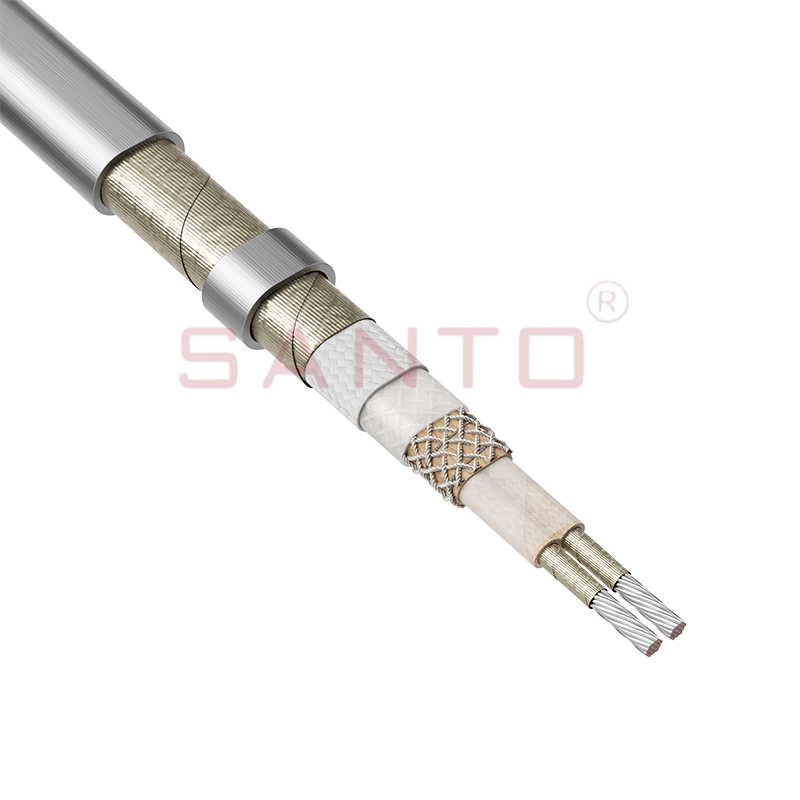
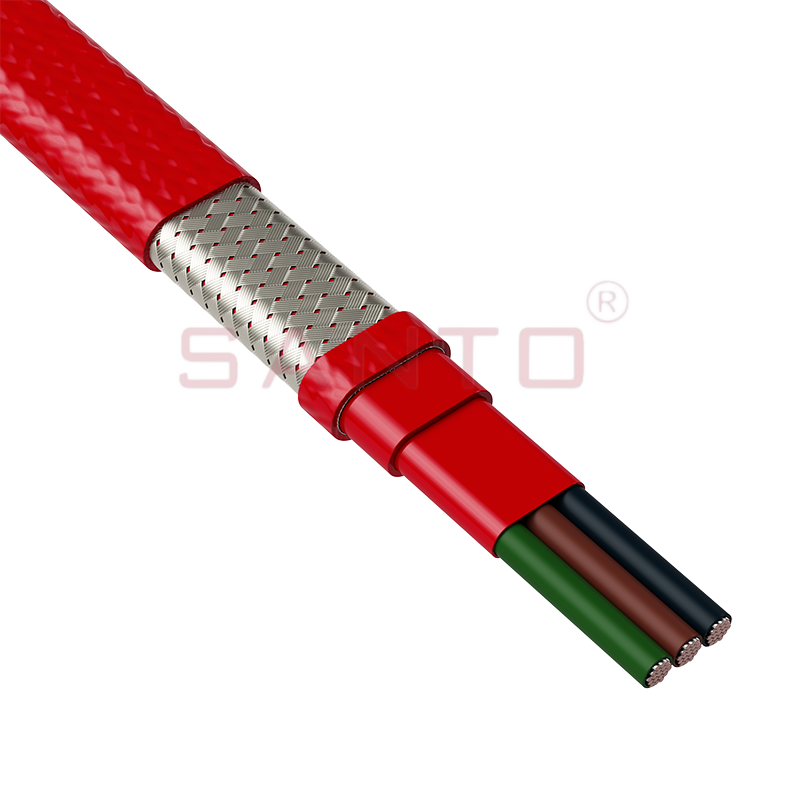
Mineral insulated cables wrap the heating conductor in compacted magnesium oxide and seal it inside a 321 stainless steel or Alloy 825 sheath. The MI-321 construction is rated for continuous operation above 400°C, with exposure limits approaching 600°C. This is the construction to choose in hazardous areas where sheath integrity, moisture exclusion, and fire resistance are non-negotiable.
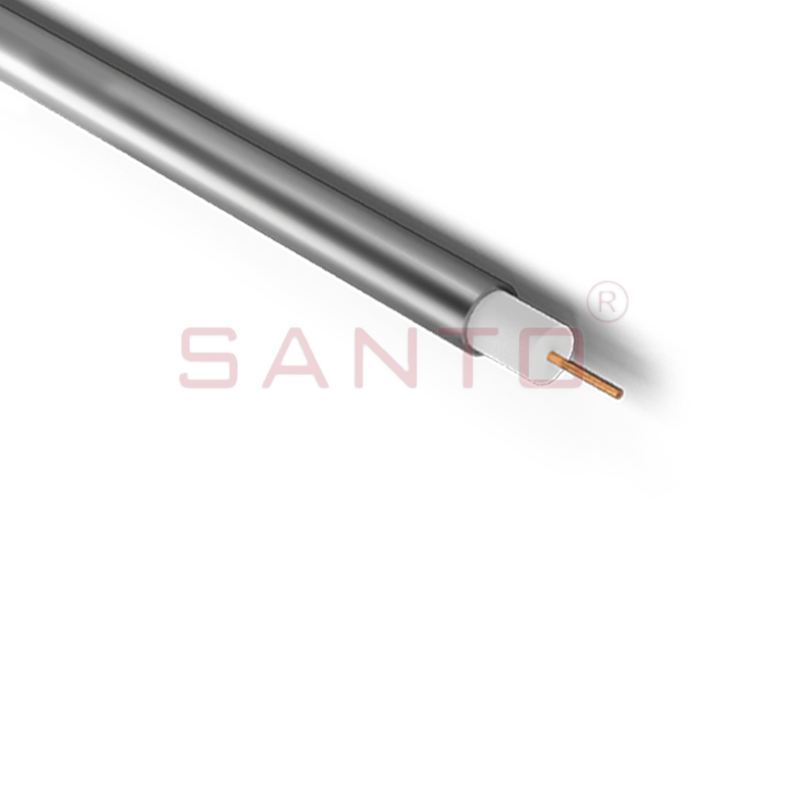 321 Stainless Steel Sheathed Mineral Insulated Heating CableWith a 321 stainless steel sheath and compacted magnesium oxide insulation this cable operates at sheath temperatures up to 600°C offering corrosion resistance fire safety and high mechanical strength for harsh industrial environments.View Product →
Polymer Insulated (PI) High Temperature Cables
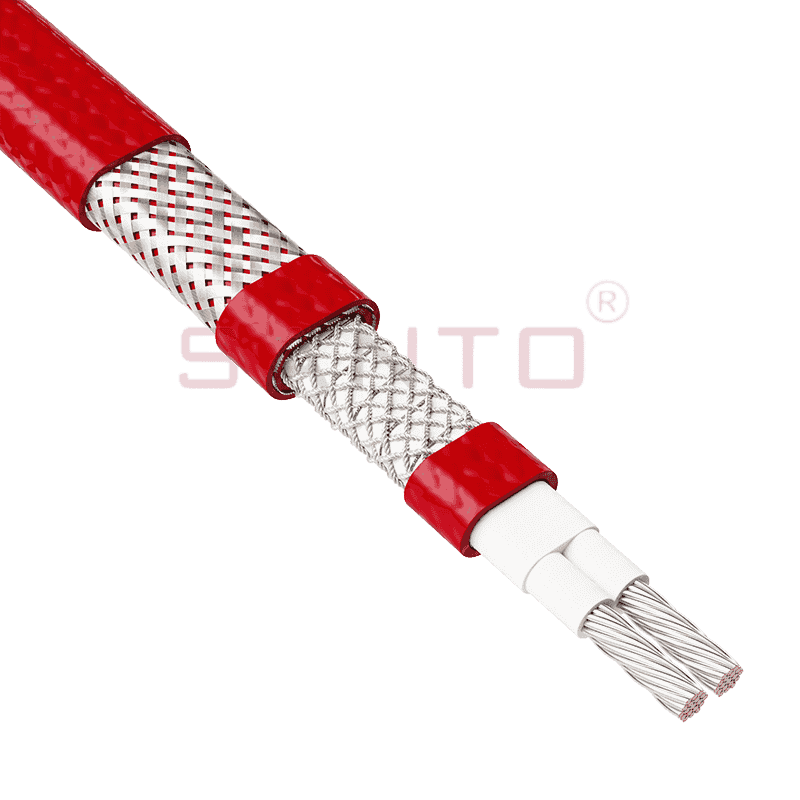
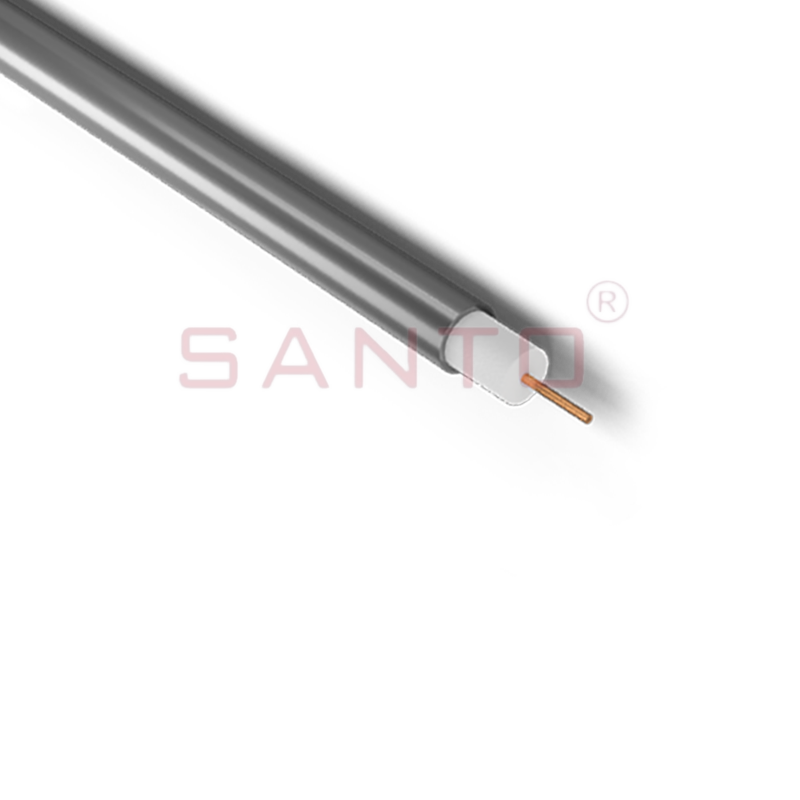
PI insulated cables use a polyimide dielectric that delivers consistent resistance heating up to roughly 200°C continuous, with short excursions to about 260°C. XPI series cables are common in CEMS sample lines and semiconductor process heaters, where compact size and stable output matter more than ultra-high temperature capacity.
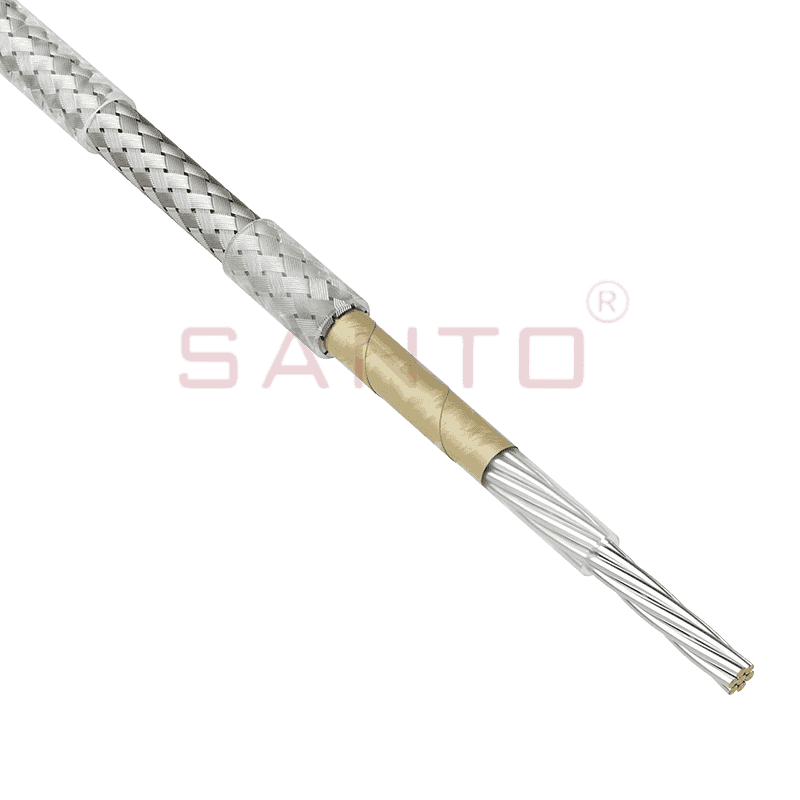 XPI-1 High Temperature Polyimide Insulated Heating CableFeaturing nickel-plated conductors and a PTFE jacket this cable provides stable resistance heating to 200°C continuous with excursions to 260°C ideal for CEMS sample lines and semiconductor equipment where compact size and chemical resistance are critical.View Product →
How to Select the Right High Temperature Heating Cable
The selection process comes down to five factors: maximum exposure temperature, required maintain temperature, watt density, environmental conditions, and circuit length. Confirm the exposure temperature first, because it determines whether you need an MI sheath or can use a constant wattage design.
Highest Exposure Temperature
The maximum ambient temperature at the cable location, not the process temperature. This decides whether you need mineral insulation or can use a polymer insulated construction.
Required Maintain Temperature
The target process temperature determines watt density. Higher maintain temperatures need more watts per meter and often a constant wattage design.
Field Environment
Moisture, corrosive vapors, explosion-proof zones, and vibration determine the enclosure and connection kit you need for the system.
Circuit Length
Constant wattage cables have a maximum circuit length for a given voltage. Long runs may require multiple circuits or a three-phase design to keep voltage drop under control.
Common purchasing mistakes include ignoring exposure temperature, using a self-regulating cable above its rated ceiling, and underestimating watt density against the heat capacity of the medium. Before you commit to a specific model, review the practical topic of whether high temperature constant power heating cable is the best choice for increasing industrial heating efficiency in your actual process environment.
Where High Temperature Heat Tracing Is Used
High temperature heat tracing is concentrated in industries where the process itself is hot and the heating cable must survive long periods at full output without insulation breakdown.
- Oil and gas production: transfer lines, separators, and sampling points.
- Petrochemical plants: reactor feed lines, storage tanks, and barrel heaters.
- Semiconductor manufacturing: small bore piping, process heaters, and temperature control systems.
- Power generation: cabinet heaters, instrument lines, and sensor enclosures.
- CEMS and environmental monitoring: heated sample lines and analyzer systems that prevent condensation.
Installation and Maintenance Considerations
Installation quality is the most common cause of premature high temperature cable failure. Even the best MI or constant wattage product will fail early if it is bent too sharply, tied down too tightly, or connected without a thermostat.
- Respect the minimum bend radius stated by the manufacturer. For MI cables, the metal sheath will work-harden and crack if you exceed it.
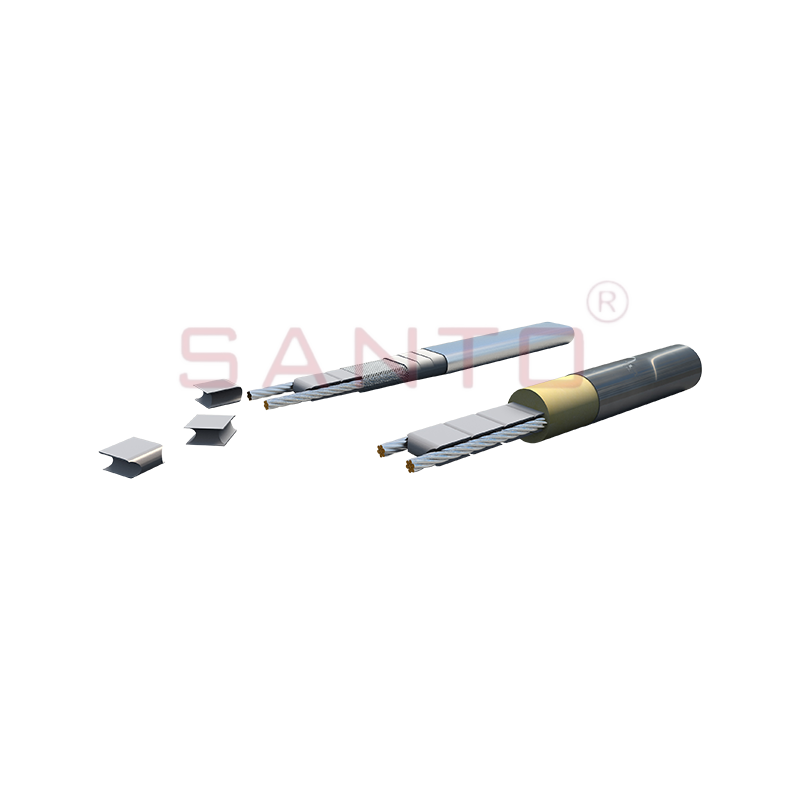
- Use aluminum foil tape or a heating cable card to fix the cable to the pipe. Avoid metal straps that dig into the sheath over time.
- Always pair a constant wattage or MI cable with a thermostat or temperature controller. The sensor should sit in the correct location to reflect the actual pipe wall temperature.
- Run a megger test before energizing the circuit and schedule periodic insulation resistance checks, especially in wet or corrosive areas.
Frequently Asked Questions
What is the difference between high temperature heating cable and self-regulating cable?
Self-regulating cable reduces its output as temperature rises, but its polymer core degrades above roughly 150°C. High temperature heating cable holds its output and is built for environments above that ceiling. Mineral insulated cable is not temperature-limiting, so it requires an external thermostat to prevent overheating. To understand the trade-offs in depth, see our comparison of self-regulating and MI heating cables.
How hot can a mineral insulated heating cable get?
An MI-321 cable with a 321 stainless steel sheath can run continuously around 400°C. Alloy 825 versions extend that capability beyond 500°C. The conductor and sheath expansion must match, so always confirm the recommended continuous and exposure temperature on the datasheet before installation.
Can high temperature heating cable be overlapped?
Constant wattage and MI cables must not be overlapped or crossed because the heat output does not reduce at overlap points. That creates localized hot spots that damage the insulation. Use a layout plan with straight runs and proper spacing, rather than relying on the cable to self-limit.
What accessories are required for a high temperature heating cable system?
You need a thermostat or temperature controller, a power connection kit, junction boxes, aluminum foil tape or cable cards for fixing, and a cold installation kit for the terminal ends. In hazardous areas, the temperature controller and junction boxes must be explosion-proof and suitable for the zone classification.
Selecting high temperature heating cable is a process of matching temperature ratings to your process envelope, not guessing by wattage or cable diameter. Start with exposure temperature, confirm the maintain temperature and watt density, then choose a construction type and enclosure accessories that are certified for the specific zone. When the specification is correct, the heat tracing system will run quietly for years with very little maintenance.