English
  English
 русский
 日本語
日本語 Español
 中文简体
中文简体
A high-temperature heating cable is a heat-tracing cable engineered for continuous service above the limits of standard polymer cable — in practical terms, a cable that must maintain a process temperature above about 150°C or withstand sustained exposure above 200°C. Four families cover nearly all high-temperature duty: mineral-insulated (MI), constant-wattage, high-temperature self-regulating, and polymer-insulated (XPI) cables, with skin-effect (STS) tracing available for very long lines. The right type is set by maintain temperature, maximum exposure temperature, circuit length, and hazardous-area rating, not by wattage alone. Start by writing down the process temperature and the steam-out or idle temperature before opening a catalogue.
Content
- What Exactly Is a High-Temperature Heating Cable?
- Mineral Insulated (MI) Cables
- High-Temperature Constant Wattage Cables
- High-Temperature Self-Regulating Cables
- Polymer-Insulated (XPI) and Skin-Effect Systems
- High-Temperature Cable Ratings: How to Read Them
- Applications of High-Temperature Heating Cables
- What to Check Before You Buy High-Temperature Cable
- Frequently Asked Questions
What Exactly Is a High-Temperature Heating Cable?
A heating cable qualifies as "high temperature" when its insulation system is rated for a maximum continuous exposure temperature above roughly 150–200°C, because ordinary polymer insulation softens and loses dielectric strength in that zone.
Manufacturers express temperature capability in three ways, and confusing them causes most specification errors:
- Maintain temperature — the temperature the cable is designed to hold on the pipe surface under normal operation.
- Maximum continuous exposure temperature — the highest surrounding or process temperature the cable can survive indefinitely without degradation.
- Intermittent exposure temperature — short, sharp excursions such as saturated steam purging.
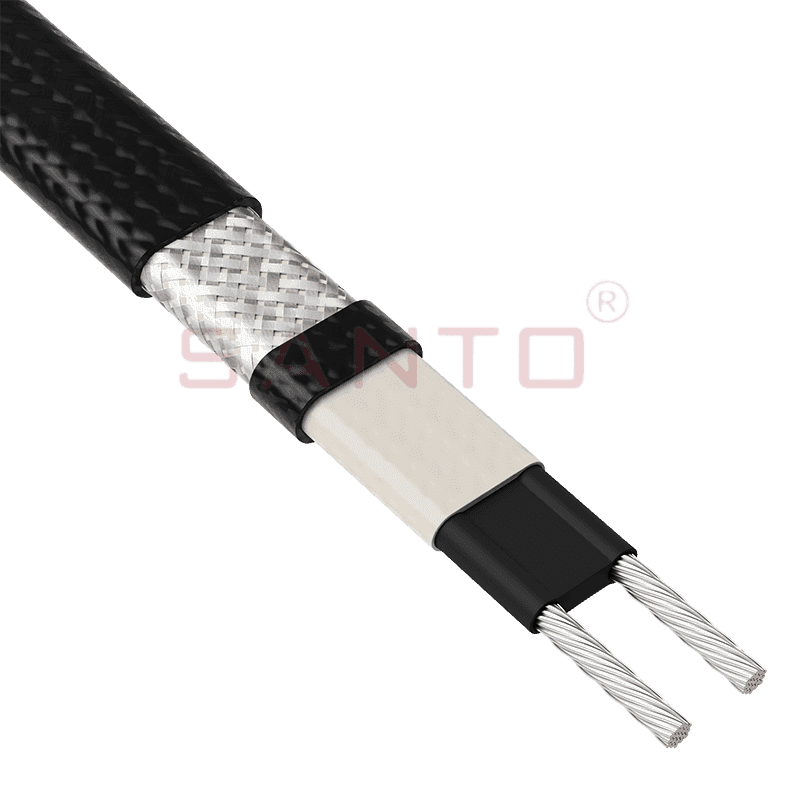
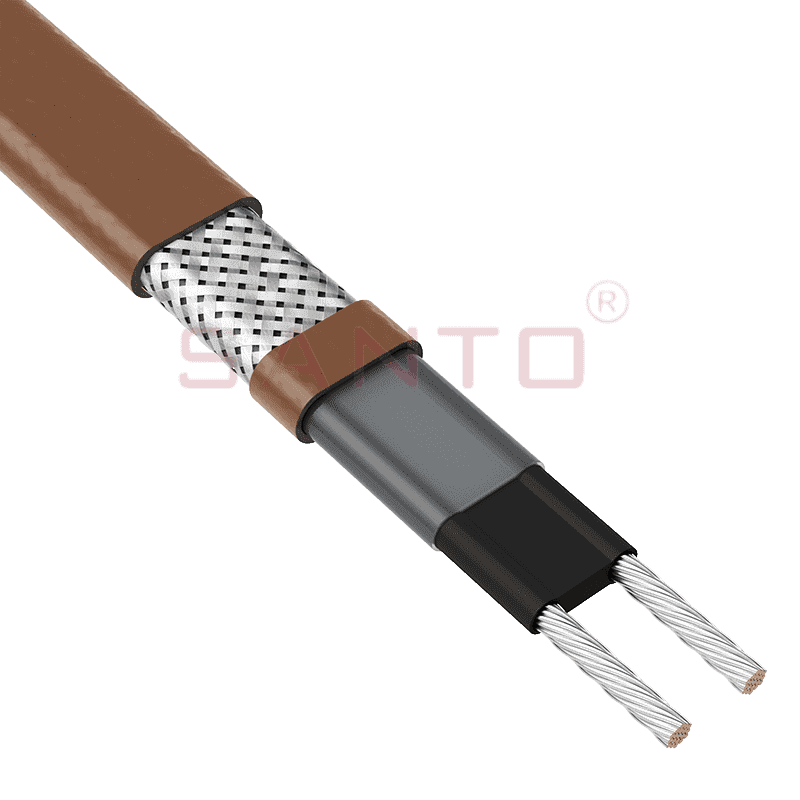
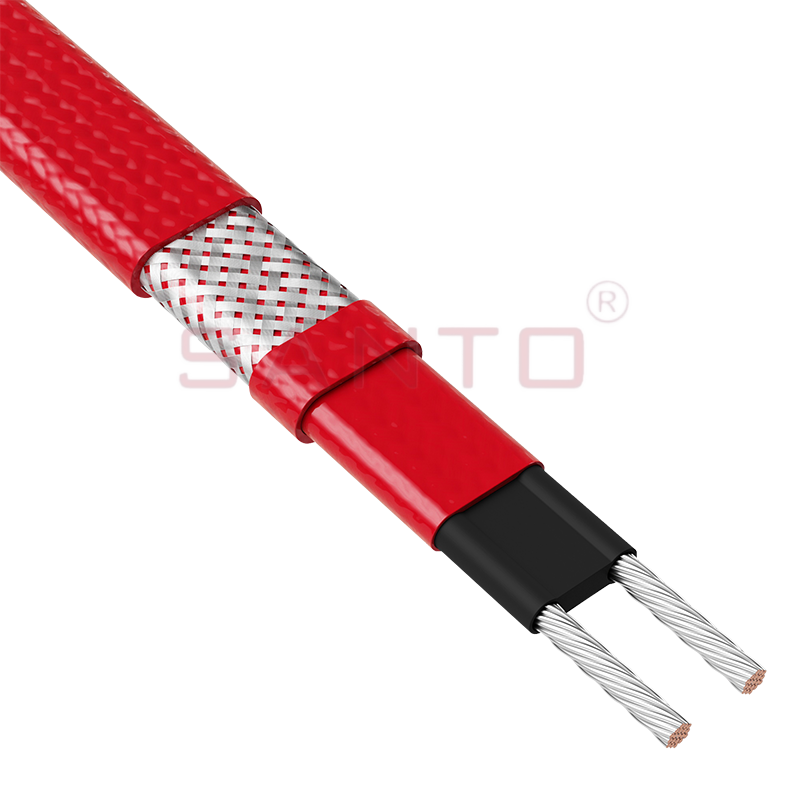
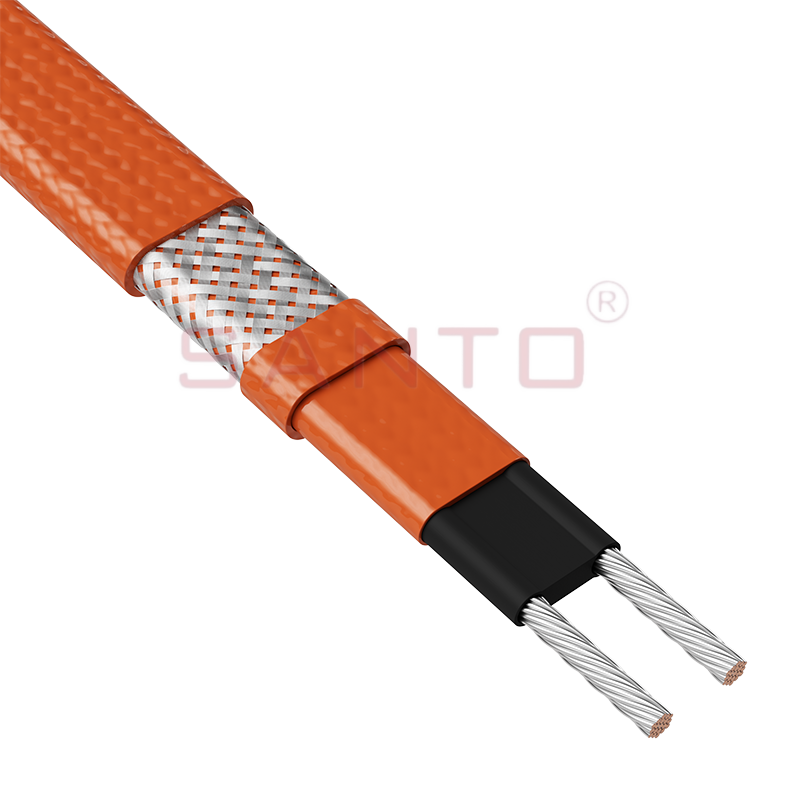
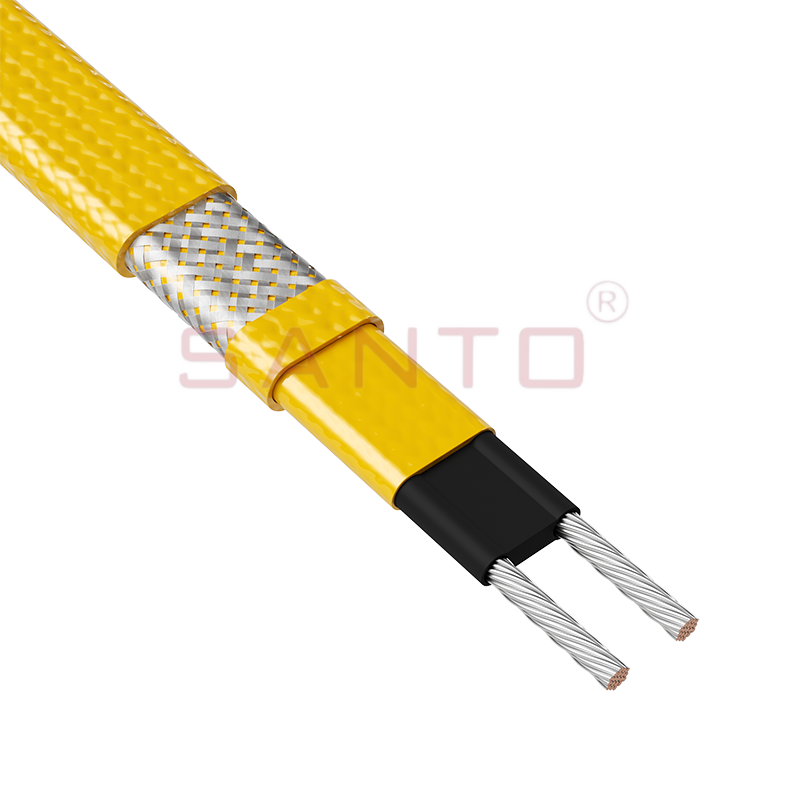
Construction is what separates a high-temperature product from a standard one: fluoropolymer or silicone insulation, fiberglass braid, and at the top end compacted magnesium-oxide insulation inside a stainless-steel or Alloy 825 sheath.
Mineral Insulated (MI) Cables
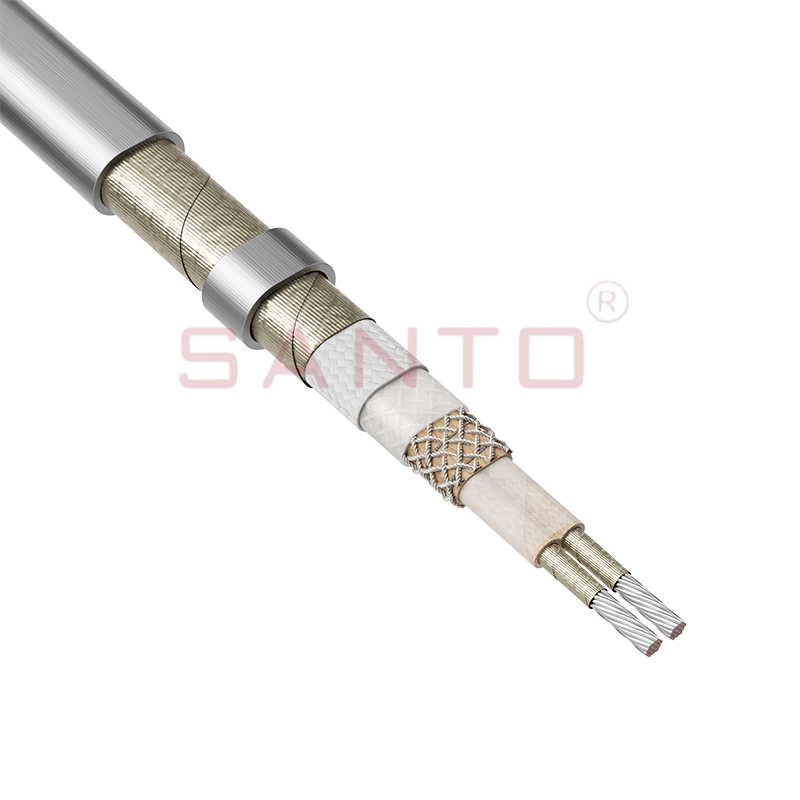
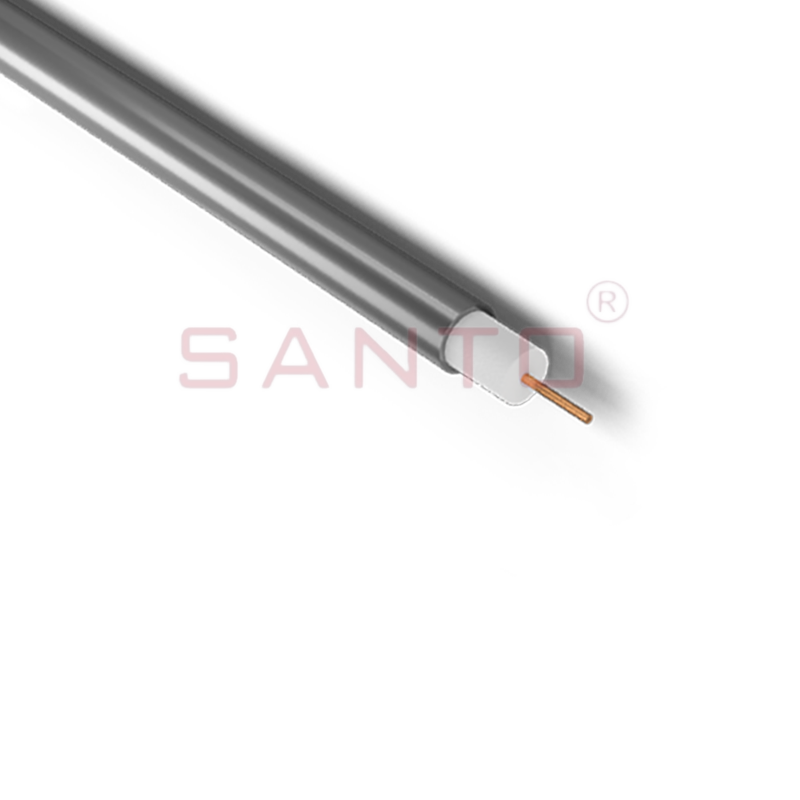
Mineral-insulated cable is the default for real high-temperature work because it has no organic insulation at all — conductors sit in compacted magnesium-oxide inside a metal sheath, so nothing can char or melt.
A 321 stainless-steel MI cable is typically rated up to about 400°C continuous exposure; the Alloy 825 version adds corrosion resistance in aggressive chemical duty. Linear output sits in the 10–250 W/m range depending on conductor material and resistance, and both series and parallel (constant-wattage) forms exist. Expect to see MI specified for steam-purged pipework, viscous and polymer products, reactor circuits, and any line where a steam-out pushes the exposure temperature past 200°C.
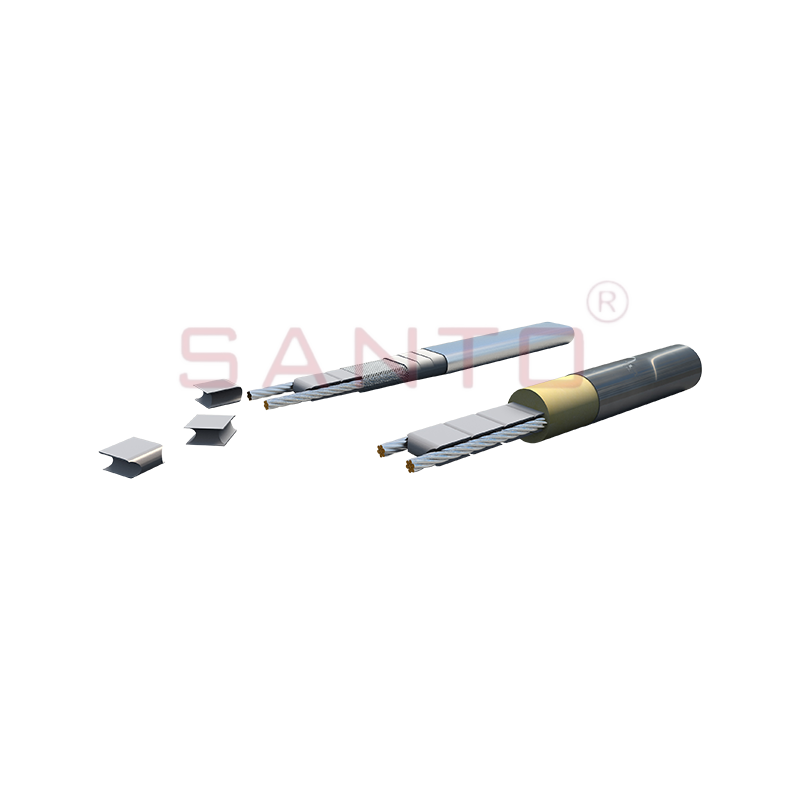
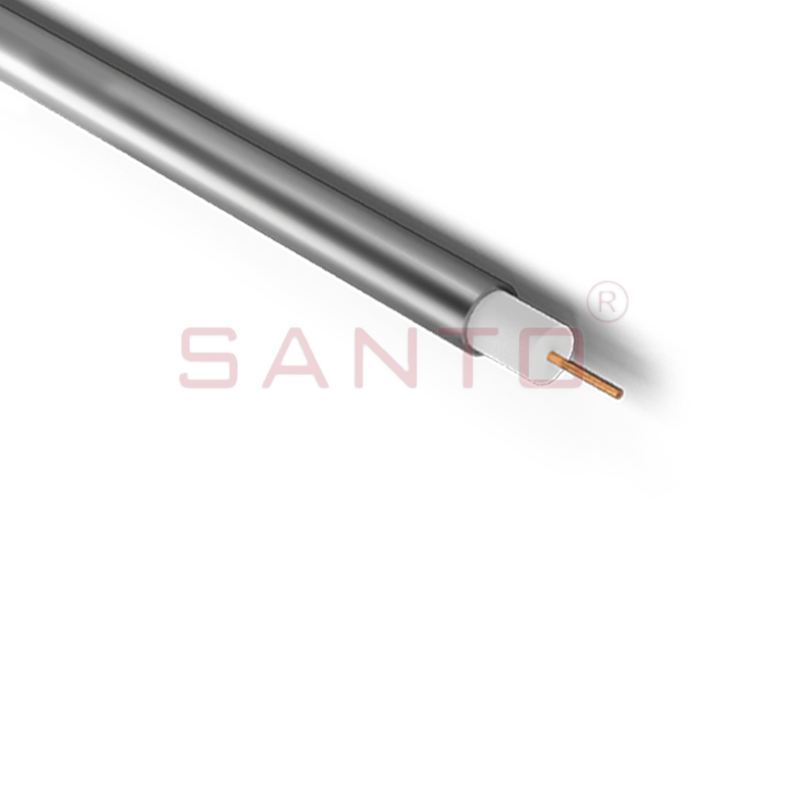 321 SS Sheathed Mineral Insulated Heating Cable for High-Temperature TracingRated for continuous sheath exposure up to 600°C, this corrosion-resistant MI cable suits refineries, reactors, and steam-out lines. Its metal sheath demands proper termination, making it a robust choice for buried or tray-routed installations.View Product →
The metal sheath makes MI mechanically tough and suited to buried or tray-routed installation, but it must be terminated with the correct pot seal and bending radius — field splices are not a place to improvise.
High-Temperature Constant Wattage Cables
Constant-wattage cable is the preferred choice for maintain temperatures between roughly 120°C and 205°C over long parallel circuits, because its linear output stays constant instead of derating as the pipe warms.
The parallel bus construction allows it to be cut to length on site, and manufacturers offer versions with fiberglass, fluoropolymer, or carbon-fiber elements. The carbon-fiber variant is popular at the top of the range: it is lightweight, flexible, and distributes heat evenly along the element while tolerating high exposure temperatures.
The trade-off is control: because output is fixed, a constant-wattage trace must be governed by a thermostat or it will keep heating a stopped or idle line.
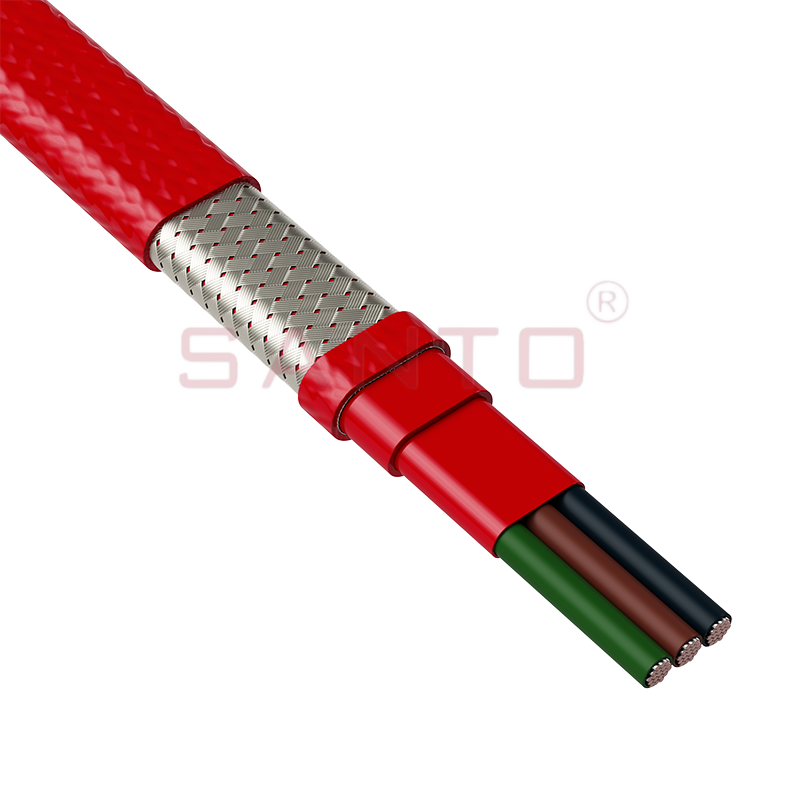
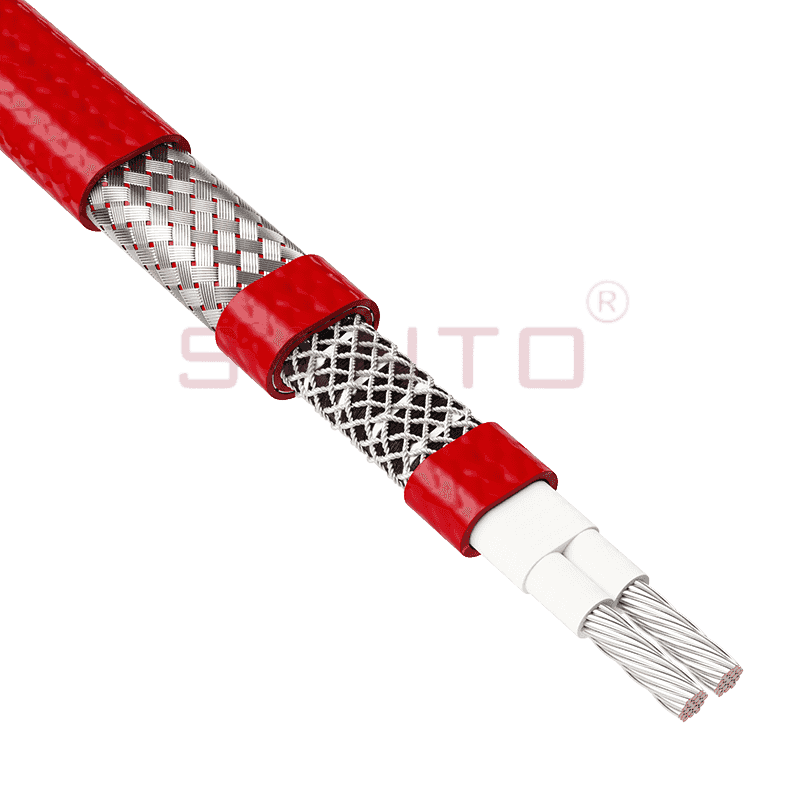 Carbon Fiber Constant Power Heating Cable for High-Temperature ProcessesThis fluoropolymer-jacketed constant-wattage cable delivers high power output at elevated temperatures, suited for steam-cleaned pipes and vessels. Available up to 480 V with long circuit lengths, it requires external thermostatic control and is approved for hazardous zones.View Product →
High-Temperature Self-Regulating Cables
High-temperature self-regulating cable is the safest option when you need built-in power limiting, but its practical ceiling is about 190°C maintenance with intermittent exposure no higher than roughly 232°C (450°F), so it belongs at the lower end of the high-temperature spectrum.
The PTC conductive-polymer core raises its own resistance as temperature rises, which automatically reduces output. That is why self-regulating cables can be crossed over or buried under insulation without localized overheating — a genuine safety advantage on heat-traced valves and irregular geometries. Industrial versions can withstand saturated steam purging around 190 psig in many designs, and cut-to-length installation keeps inventory simple.
Do not push a self-regulating product past its ceiling. If the maintenance temperature is above about 200°C, step up to constant-wattage or MI cable instead.
Polymer-Insulated (XPI) and Skin-Effect Systems
XPI polymer-insulated cable and skin-effect (STS) tracing are the specialists: XPI gives precise, stable heating of small instrument and analyzer lines, while STS handles distances measured in kilometres.
XPI cable uses a PI-type resistive element with high-grade insulation, producing a stable output with low leakage current. That makes it a standard answer for CEMS and gas-analysis sample lines, where a temperature drop causes condensation and falsifies the measurement. Because the construction is thin and conformable, it also fits small-bore tubing in semiconductor gas cabinets and analyzer shelters.
Skin-effect tracing applies AC power through a conductor inside a ferromagnetic tube; the skin effect concentrates current near the tube wall and keeps the return path close, which cuts resistance and voltage-drop losses on very long routes. STS is the usual solution for buried or remote pipelines of 5 km or more, where parallel cables would need too many feed points and oversized conductors.
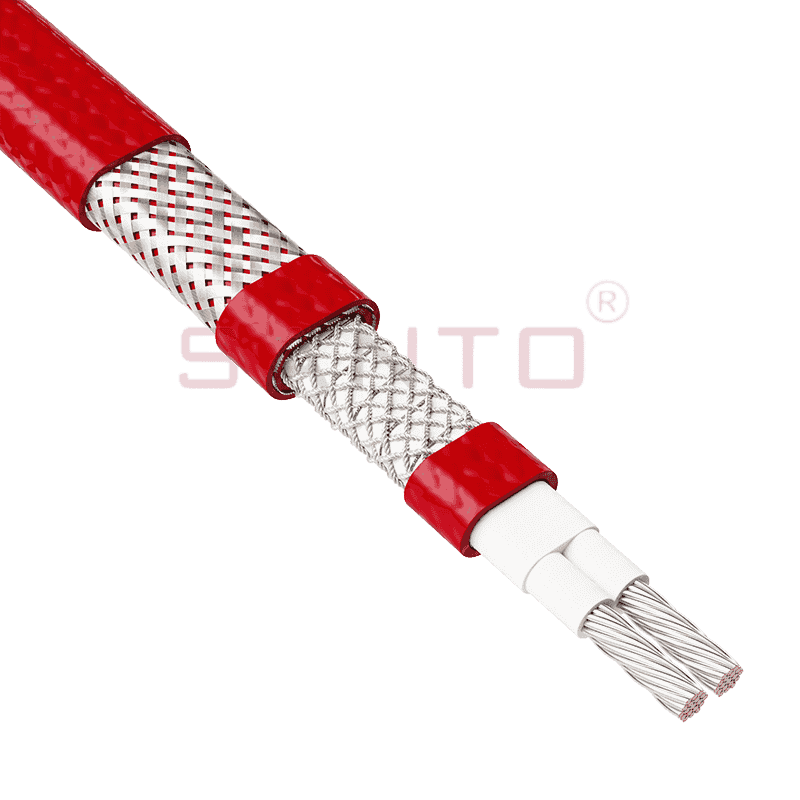
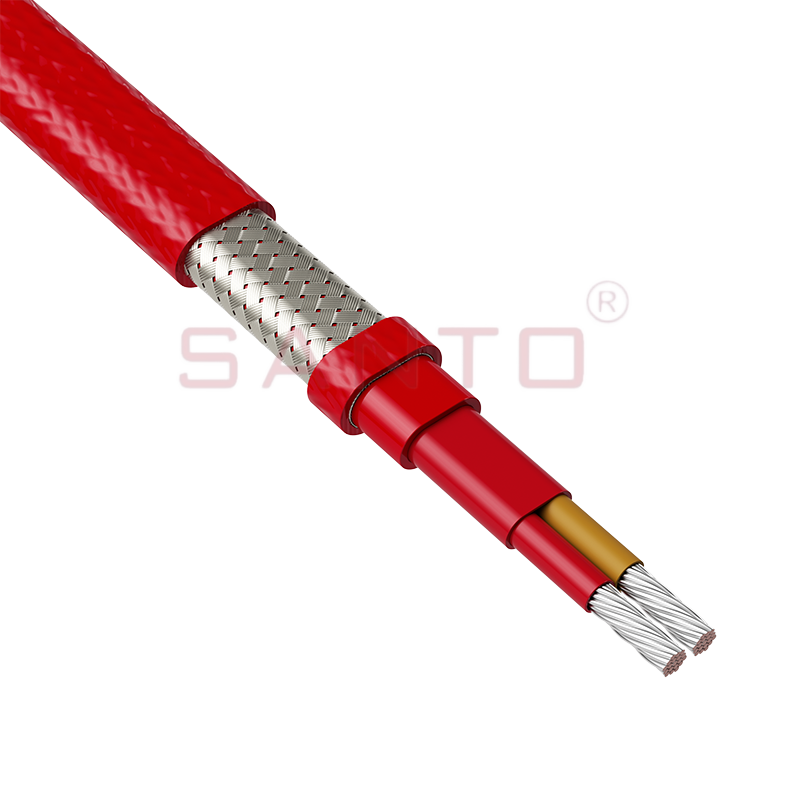
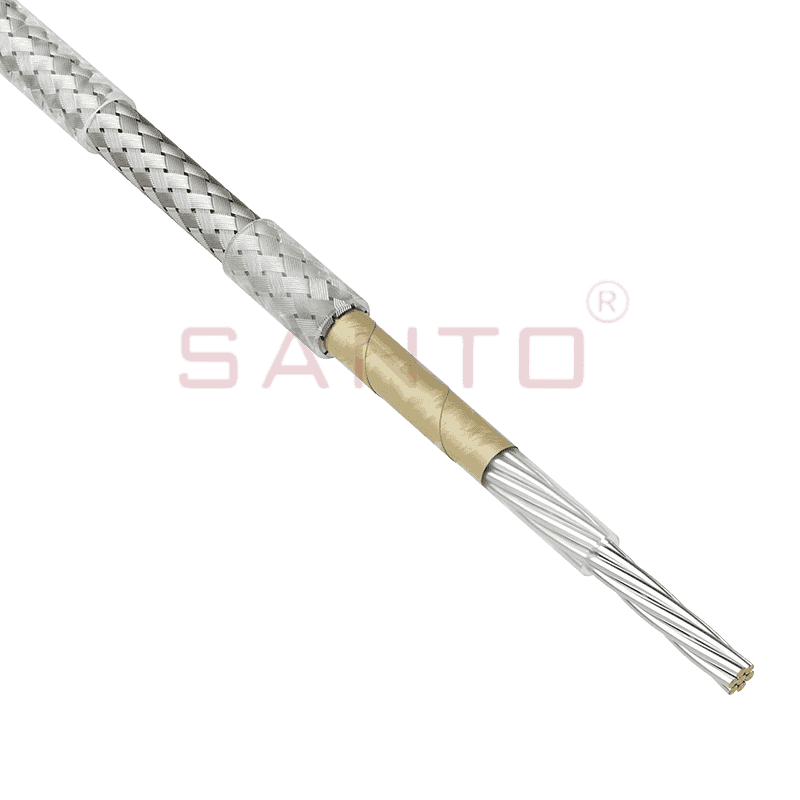 Nickel-Plated Stranded High-Temperature Heating Cable with PTFE JacketDesigned for long-life service in corrosive, elevated-temperature environments, this cable features nickel-plated strands, fluoropolymer insulation, and a PTFE outer jacket. It provides a low-resistance earth path and constant-wattage performance, making it suitable for demanding industrial heat tracing applications.View Product →
High-Temperature Cable Ratings: How to Read Them
On a high-temperature cable data sheet, the five numbers that decide whether the product will work are maintain temperature, maximum continuous exposure temperature, intermittent excursion temperature, rated linear output, and maximum circuit length — in that order.
| Cable family | Max continuous exposure | Maintain temperature range | Typical linear output | Circuit length |
|---|---|---|---|---|
| Mineral insulated (321 SS / Alloy 825) | Up to about 400°C | 150–300°C depending on process | 15–250 W/m | Series form: tens to about 500 m; parallel form available |
| Constant wattage, incl. carbon-fiber | Up to about 205–260°C | 120–205°C | 10–60 W/m | Parallel: hundreds to about 2000 m |
| High-temperature self-regulating | Up to about 232°C excursion | Up to about 190°C | 10–40 W/m | Parallel: cut to length, moderate runs |
| XPI polymer-insulated | Up to about 200–250°C | 120–200°C | 10–50 W/m | Parallel: ideal for tube bundles and instrument lines |
| Skin-effect (STS) | Up to about 260°C | Up to about 200°C | 5–70 W/m | Single circuit for many kilometres |
Exposure temperature often comes from the process rather than the cable. If a traced line sits idle while the process runs at 350°C, the cable must survive 350°C de-energized, even though it only ever "maintains" 150°C. Designers who look at maintain temperature alone discover this the hard way after the first steam-out.
Applications of High-Temperature Heating Cables
High-temperature cables are used wherever the process is hot, the line is steamed out, or the surrounding ambient heat exceeds the rating of standard cable.
- Refineries and petrochemical plants: bitumen, asphalt, heavy fuel oil, sulphur, and polymer lines, plus tracing around pumps and valves that see regular steam-out.
- Oil and gas facilities: wellhead and fuel-gas lines, heated water systems, and compressor-station piping.
- Power plants: instrument impulse lines, boiler sampling lines, and turbine auxiliaries in hot enclosures.
- Semiconductor manufacturing: high-purity gas lines and small-bore tubing demanding stable temperatures above 150°C.
- Environmental monitoring: CEMS probes and sample lines held above dew point to stop condensation and drift.
- Pharmaceutical and biotech: steam-in-place (SIP) lines exposed to 121–140°C sterilization cycles.
What to Check Before You Buy High-Temperature Cable
The fastest route to an expensive mistake is buying on maintain temperature alone, so work through these six checks before requesting a quote.
- Confirm both maintain and exposure temperatures, including steam purge and idle-with-hot-process scenarios.
- Check the hazardous-area classification. In Zone 1 or Zone 2 areas you need certified cable, explosion-proof junction boxes, and an approved controller — a general-purpose thermostat is not acceptable.
- Determine supply voltage and breaker capacity; higher linear output means higher circuit current.
- Decide the control strategy. Constant-wattage and MI cable should be thermostatically controlled; self-regulating cable may run uncontrolled on short lines, but a controller saves energy.
- Verify maximum circuit length. Long routes push you from self-regulating toward constant-wattage or skin-effect systems.
- Evaluate mechanical and chemical protection: metal sheath, braid, or conduit where the cable will be walked on, buried, or exposed to aggressive atmospheres.
If you are weighing constant-wattage against self-regulating at the top of the range, our review of whether high-temperature constant-power cable is the best choice for industrial heating efficiency compares the two options side by side.
Frequently Asked Questions
These are the questions engineers ask most when they start specifying high-temperature tracing.
What is the difference between maintain temperature and exposure temperature?
Maintain temperature is what the cable holds on the pipe surface during normal operation. Exposure temperature is what the cable physically survives when the process or ambient is hotter — typically during steam-out or idle periods. Both must stay below the rated limit on the data sheet.
Can self-regulating cable handle 200°C?
Only high-temperature-grade cable can, and barely: it maintains up to about 190°C with excursions to approximately 232°C. Above that, move to constant-wattage or MI cable.
Do high-temperature cables need a thermostat?
Constant-wattage and MI cables need a controller because they deliver full power whenever energized. High-temperature self-regulating cable can run without one on short circuits, but a controller improves efficiency and adds low-temperature alarms.
When is mineral-insulated cable mandatory?
Choose MI when the maintain temperature exceeds about 200°C, when the line is steamed out above 200°C, or when the environment demands an all-metal, mechanically rugged construction. Below 200°C, constant-wattage or high-temperature self-regulating cable is normally the more economical choice.
Why would I use skin-effect tracing instead of parallel cable?
STS delivers heat along one long circuit of 5 km or more, avoiding multiple feed points, large conductors, and voltage-drop problems. It is the practical answer for long, remote pipelines.
Once you fix four parameters — maintain temperature, worst-case exposure temperature, traced length, and hazardous-area class — the right cable family narrows to one or two options. MI for 200°C and above, constant-wattage for steady output in the 150–205°C band, high-temperature self-regulating for safe lower-end duty, and XPI or STS for instrument lines and kilometre-scale pipelines. If you need a model-by-model recommendation, talk to a SANTO engineer and be ready with the operating temperature, steam-out temperature, and traced length.