 English
  English
 русский
 日本語
日本語 Español
 中文简体
中文简体The SANTO UFA range of self-regulating heating cables is mainly used for frost protection of pipes and vessels but can also be used to maintain processes up to 65°C. These heating cables are available...
See Details
Quick Answer: Heat tracing PVC pipe is possible and widely used in residential, commercial, and light industrial applications — but it requires careful selection of a low-wattage self-regulating heat trace cable (typically ≤ 5–8 W/ft) to avoid exceeding PVC's temperature tolerance (~60°C / 140°F). Always verify cable compatibility with the specific PVC grade before installation.
When temperatures plunge, unprotected water pipes become a silent liability. Burst pipes cause billions of dollars in property damage each year — and PVC pipes (polyvinyl chloride) are among the most commonly used conduits in residential plumbing, irrigation systems, and light commercial infrastructure. Understanding how to implement heat tracing for PVC pipe correctly is essential for anyone managing property in cold climates.
This guide covers everything: how pipe heat tracing works, what makes PVC unique compared to metal pipes, how to choose the right system, step-by-step installation principles, and a detailed FAQ section.
Content
Pipe heat tracing (also called electric heat tape or pipe freeze protection cable) is a system of electrically powered cables wrapped around or attached along a pipe to maintain a minimum operating temperature. The cable compensates for heat loss through the pipe wall and surrounding insulation, preventing the contents from freezing or becoming too viscous to flow.
When applied to PVC piping, the goal is straightforward: keep the pipe and its contents above 0°C (32°F) without exceeding the material's heat deflection threshold — which for standard PVC is around 60°C (140°F).
There are two primary technologies used in heat tracing systems for PVC pipes:
| Feature | Self-Regulating Cable | Constant Wattage Cable |
| How it works | Automatically adjusts output based on ambient temperature | Outputs fixed wattage regardless of conditions |
| Safety for PVC | Higher — reduces overheating risk | Risk of overheating if overlapped |
| Energy efficiency | High — uses only what is needed | Lower — always at full power |
| Overlapping risk | Safe to overlap | Cannot be overlapped — will burn |
| Cost | Higher upfront | Lower upfront |
| Best use case for PVC | Strongly recommended | Suitable only with very careful low-watt selection |
For heat tracing PVC pipe, self-regulating cables are the strongly preferred choice due to their built-in temperature control, which dramatically reduces the chance of softening or deforming the pipe.
Unlike steel or copper pipes — which can handle high temperatures without structural degradation — PVC pipe material properties impose strict thermal limits. Understanding these limits is the foundation of any successful PVC pipe heat trace installation.
| Pipe Material | Max Continuous Service Temp | Heat Trace Compatibility | Notes |
| PVC | ~60°C (140°F) | Conditional | Low-wattage self-regulating cable required |
| CPVC | ~93°C (200°F) | Good | More tolerant than standard PVC |
| Copper | >200°C (392°F) | Excellent | Highly compatible with all cable types |
| Steel / Stainless | >400°C (750°F) | Excellent | Full range of wattages applicable |
| HDPE | ~60–80°C (140–176°F) | Conditional | Similar caution as PVC |
The key takeaway: PVC pipe is heat traceable, but only with appropriately rated, low-output cables. Using a high-wattage industrial cable on a PVC water pipe can warp or melt the pipe, void warranties, and create safety hazards.
Choosing the correct heat trace cable for PVC pipe involves evaluating several factors. Below is a structured decision framework.
For PVC pipe freeze protection, select cables rated at 3–8 W/ft (10–26 W/m) at pipe temperature. Higher wattage is unnecessary for freeze prevention and introduces thermal risk. Most reputable manufacturers offer PVC-compatible product lines explicitly rated for plastic piping.
The outer jacket of the heat trace cable must be chemically compatible with PVC. Look for:
Most residential PVC pipe heat trace systems operate at 120V or 240V. Both are suitable; 240V systems are more energy-efficient over long runs. Always match the cable to your electrical supply and include a dedicated circuit breaker.
Proper installation ensures both effectiveness and safety when heat tracing PVC pipes. Follow these steps for a reliable setup.
Safety Notice
Always follow local electrical codes. Turn off power before working on any electrical component. Consult a licensed electrician for circuit connections.
Measure the total length of exposed PVC pipe that requires freeze protection. Account for valves, fittings, and end connections — these areas require extra cable length due to their higher thermal mass. A general rule: add 1–2 ft of extra cable per fitting.
Before installing the heat trace cable on PVC, ensure the pipe surface is clean, dry, and free of burrs or sharp protrusions. Any debris between cable and pipe can create hotspots. Wipe down the pipe with a clean cloth.
Thermal insulation is not optional — it's the most critical element of any effective PVC pipe heat tracing system. Without insulation, heat dissipates into the environment and the cable must work constantly at full output, increasing energy use and pipe temperature risk.
Connect the heat trace cable end seal and power connection kit according to the manufacturer's instructions. Wire the thermostat between the power supply and the cable. Install a GFCI (ground fault circuit interrupter) breaker — this is a code requirement in most jurisdictions and a critical safety measure for any electric heat trace system on PVC pipe.
Before closing up or covering insulation permanently: power on the system, verify the thermostat activates correctly, and use a non-contact thermometer or thermal camera to confirm even heat distribution along the PVC pipe. Check for any hotspots or sections without heat output.
PVC pipe heat trace systems are deployed across a wide range of environments:
A well-installed heat trace system on PVC pipe can last 10–20 years with minimal maintenance. Here are key maintenance practices:
| Problem | Likely Cause | Solution |
| Pipe freezes despite cable | Insufficient insulation or cable gap | Add insulation; check for missed sections |
| GFCI trips repeatedly | Moisture ingress into cable or end seal | Inspect and replace damaged end seal; dry cable |
| High energy bill | Thermostat malfunction or missing insulation | Replace thermostat; add insulation layer |
| PVC pipe warped near cable | Excessive wattage or cable overlap on constant-watt type | Replace with correct self-regulating low-watt cable |
| No heat output | Open circuit in cable or failed thermostat | Measure resistance; replace faulty component |
Running a heat trace system continuously without optimization can significantly increase energy costs. Implement these strategies to minimize operating expenses while maintaining reliable freeze protection:
Heat tracing PVC pipe is a proven, reliable method for freeze protection when executed correctly. The critical success factors are: selecting a self-regulating, low-wattage cable explicitly rated for plastic piping, installing quality closed-cell insulation, protecting the circuit with a GFCI breaker, and maintaining the system annually.
Unlike metal piping, PVC requires more careful thermal management — but the material's low cost, corrosion resistance, and ease of installation make it the dominant choice in countless applications where freeze protection is needed. With the right heat trace system for PVC pipe, you can confidently protect your infrastructure through even the harshest winters.
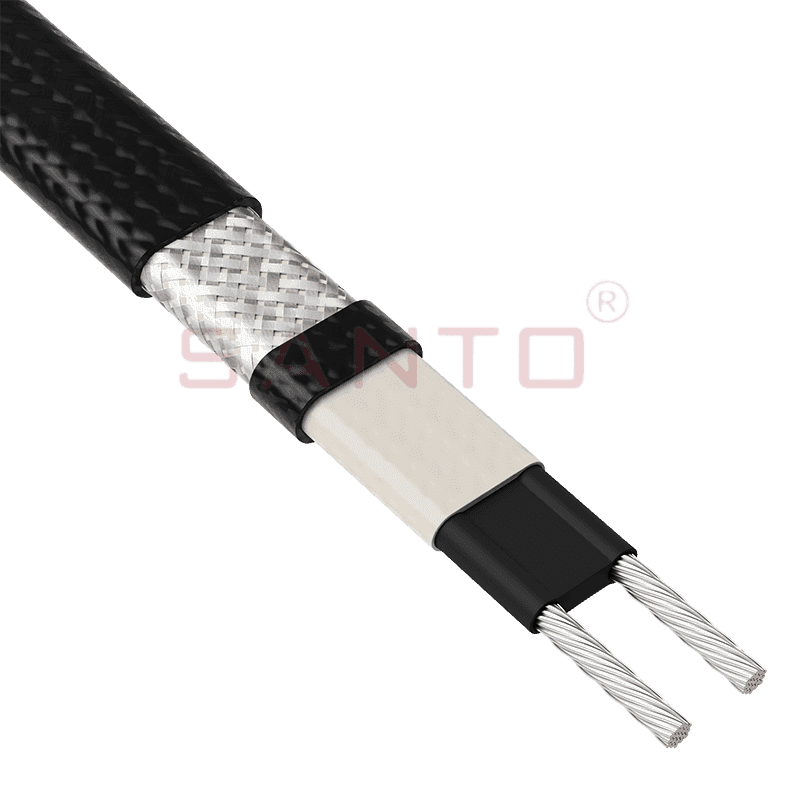
The SANTO UFA range of self-regulating heating cables is mainly used for frost protection of pipes and vessels but can also be used to maintain processes up to 65°C. These heating cables are available...
See Details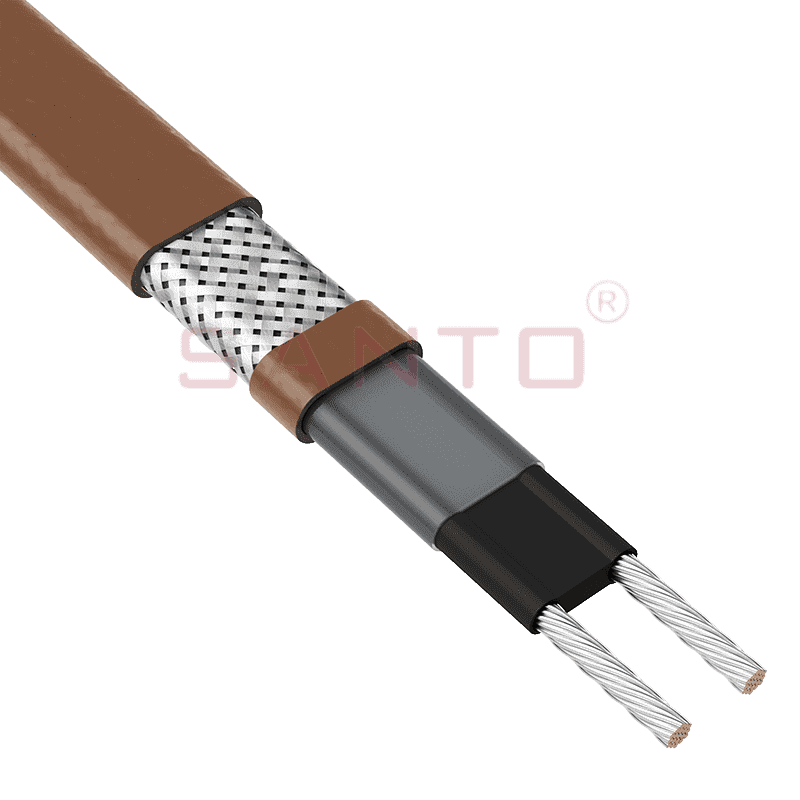
The SANTO UFB range of self-regulating heating cables is mainly used for frost protection of pipes and vessels requiring a higher power output than the UFA heating cables can supply. They can also be ...
See Details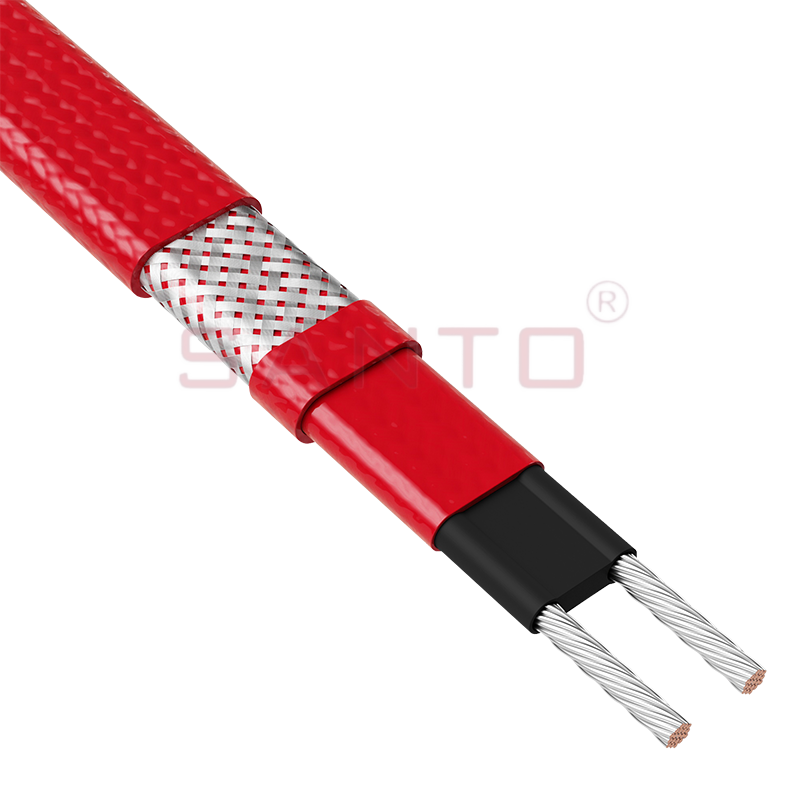
The SANTO UFC range of self-regulating heating cables is used for frost protection of pipes and vessels that require steam cleaning. They can also be used to maintain processes up to 121°C. These heat...
See Details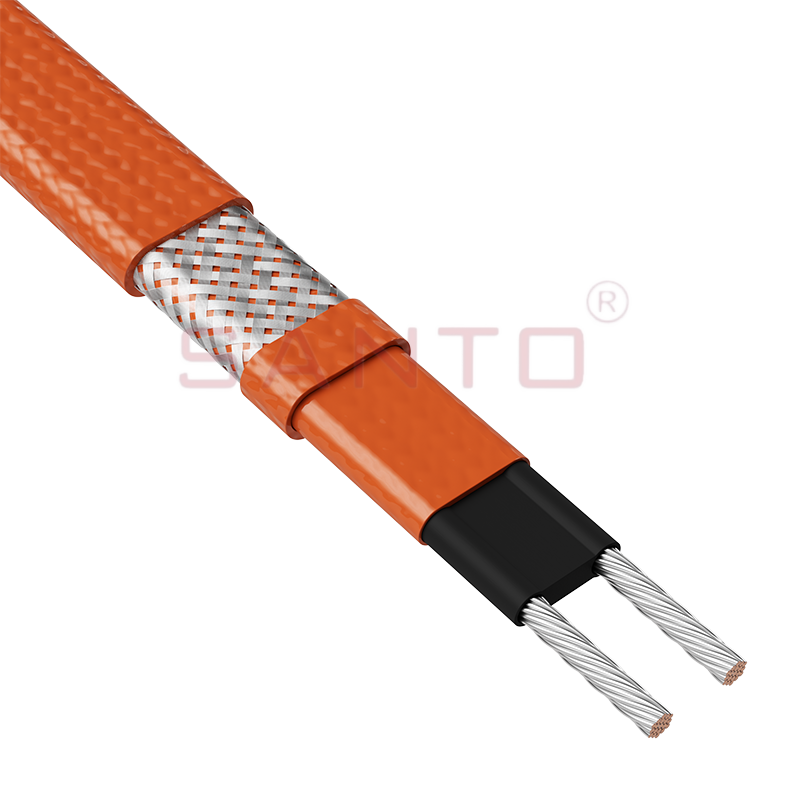
The SANTO UFO range of self-regulating heating cables is mainly used for frost protection of pipes and vessels that require steam cleaning . They can also be used to maintain processes up to 150°C. Th...
See Details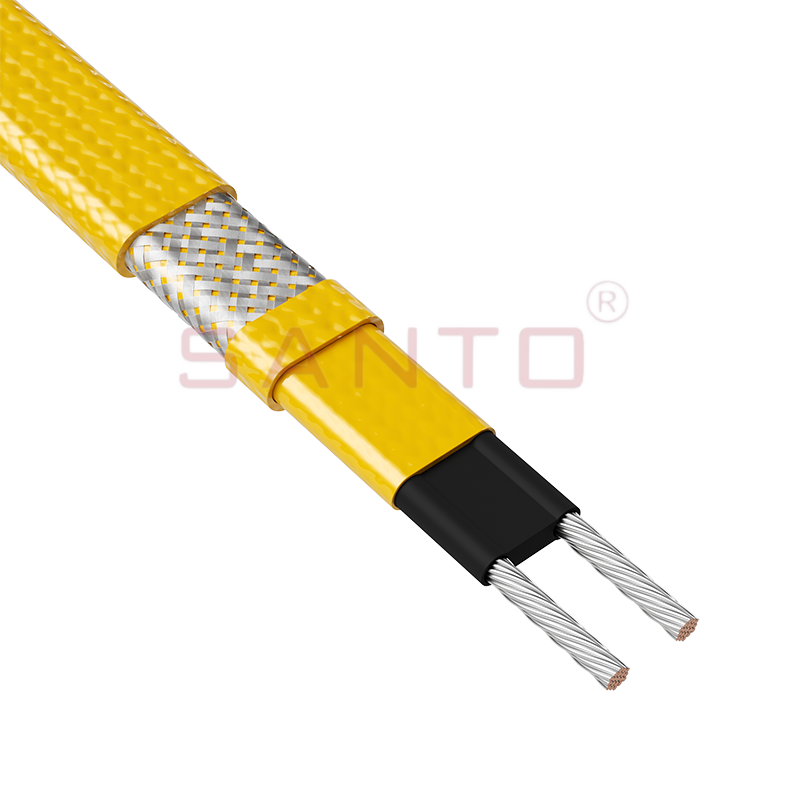
The SANTO UFD series of self-regulating heating cables are mainly used for freeze protection of pipes and vessels, but can also be used to maintain processes up to 200°C. These heating cables are avai...
See Details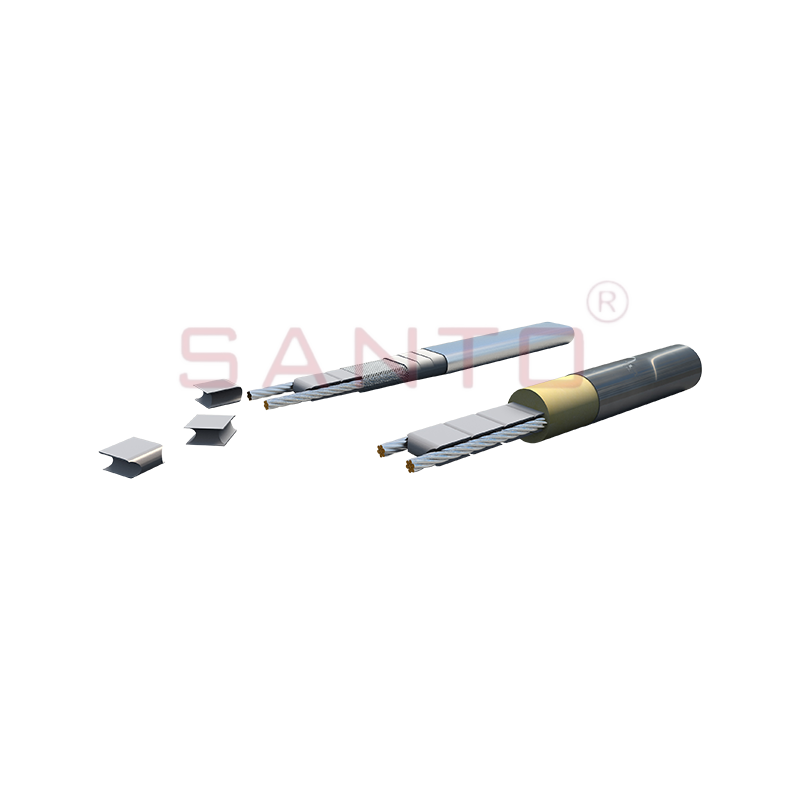
SANTO UFY heating wire is suitable for applications that maintain process temperatures up to 260 ℃ and can be steam blown; The self-regulating and parallel circuit heating wires of the UFY series are ...
See Details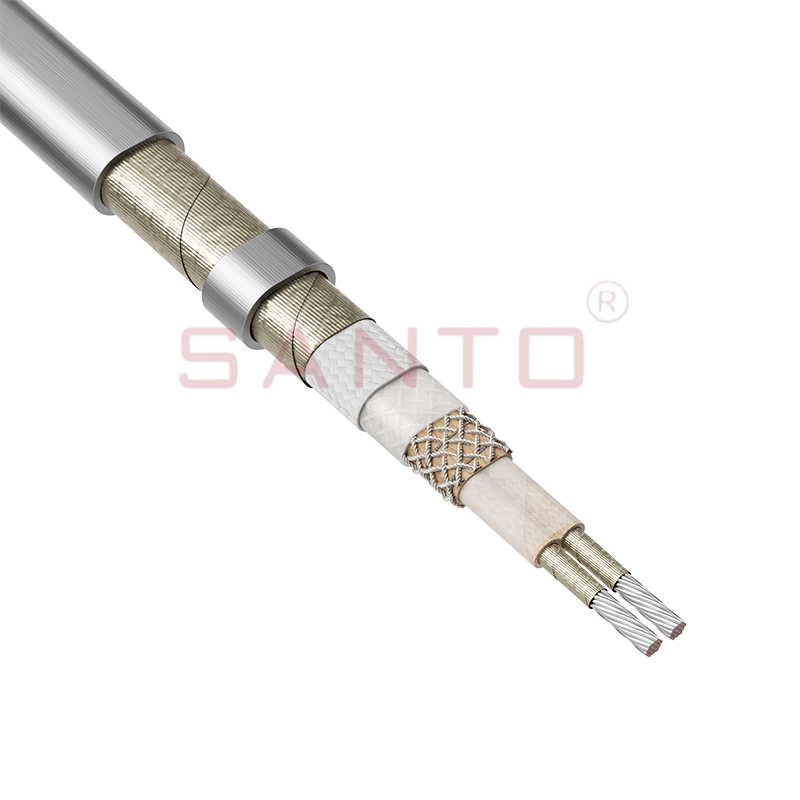
The SANTO UFM series self-regulating heating cables are mainly used for freeze protection of pipes and vessels, but can also be used to maintain processes up to 400°C. These heating cables are availab...
See Details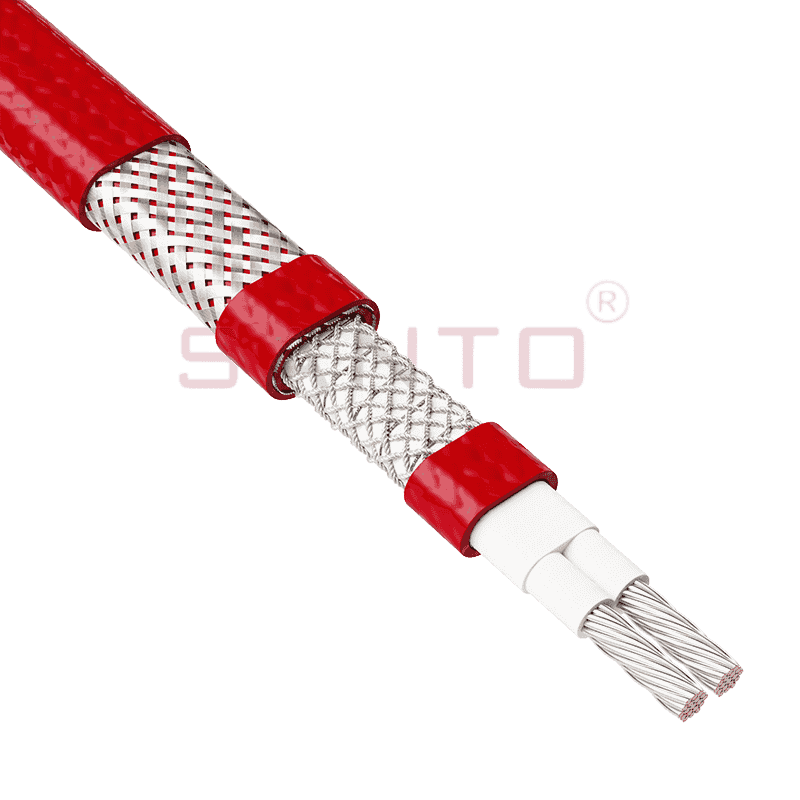
The SANTO ACC range of power-limiting heating cables is mainly used for temperature maintenance of processes and offers the advantage of a high power output at high temperatures which can reduce the n...
See Details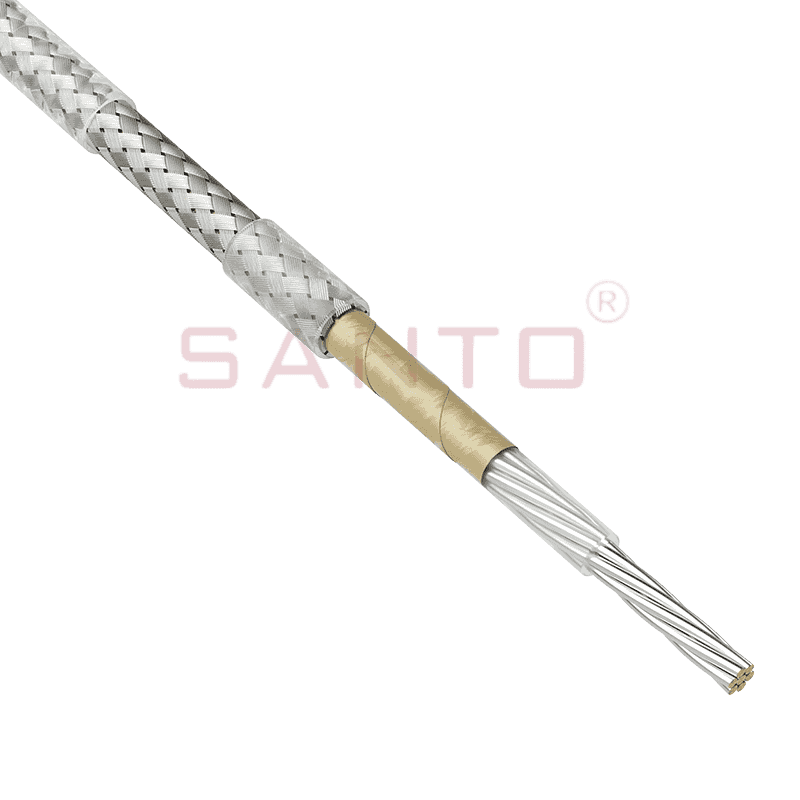
The stranded high temperature conductor is nickel plated to ensure a long life at elevated temperatures in corrosive environments. It is electrically isolated using an innovative sandwich construction...
See Details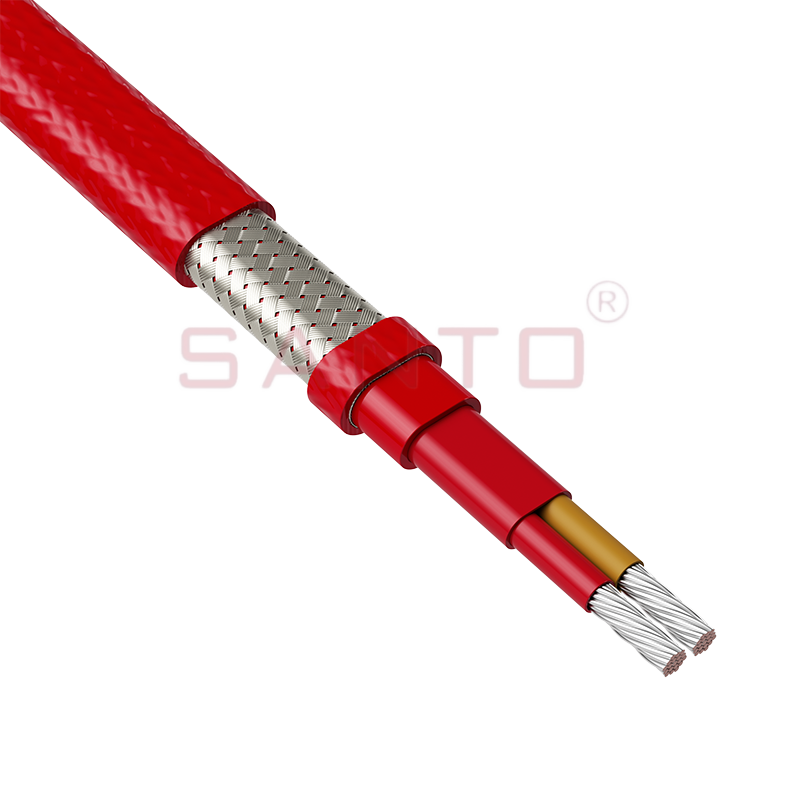
The stranded high temperature conductor is nickel plated to ensure a long life at elevated temperatures in corrosive environments. It is electrically isolated using an innovative sandwich construction...
See Details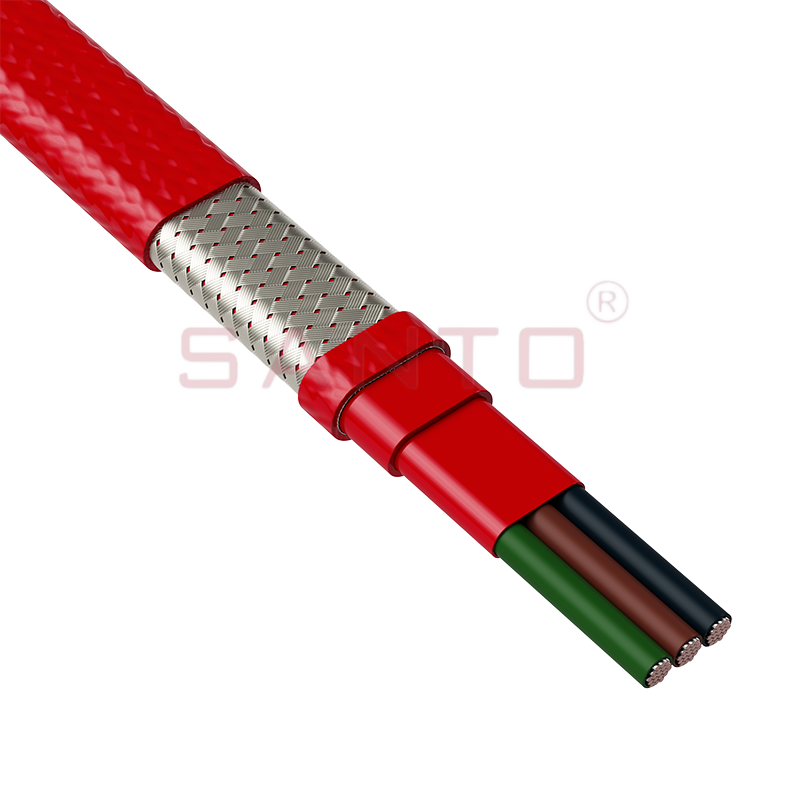
The stranded high temperature conductor is nickel plated to ensure a long life at elevated temperatures in corrosive environments. It is electrically isolated using an innovative sandwich construction...
See Details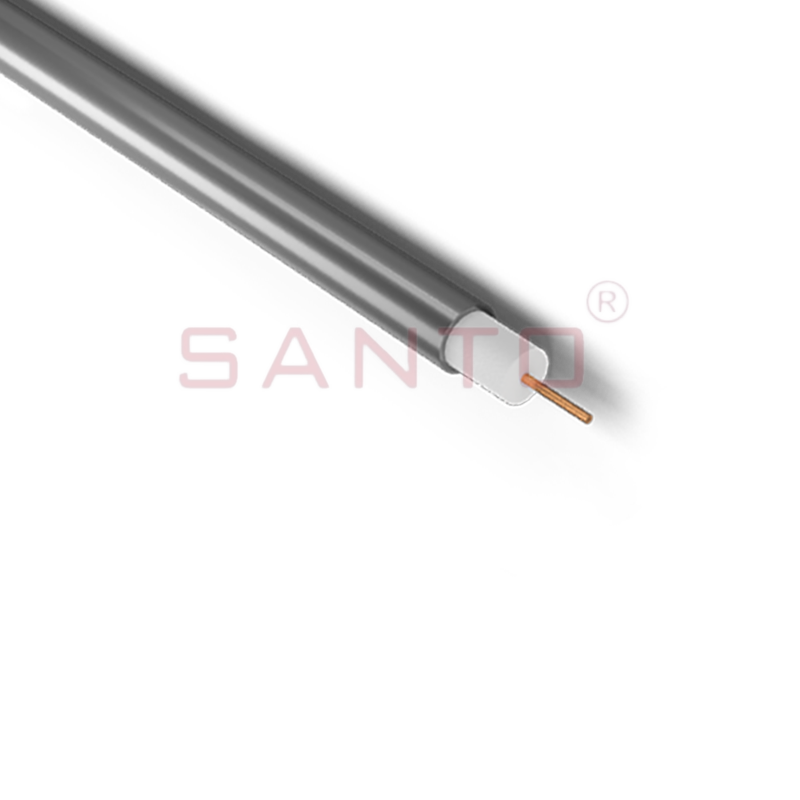
SANTO HAx mineral insulated (MI) Alloy 825 series heating cables are suitable for use in hazardous areas. They have been designed for use in freeze protection and temperature maintenance applications ...
See Details
Santo electric heating strips are widely used in key industries in China.

