English
  English
 русский
 日本語
日本語 Español
 中文简体
中文简体
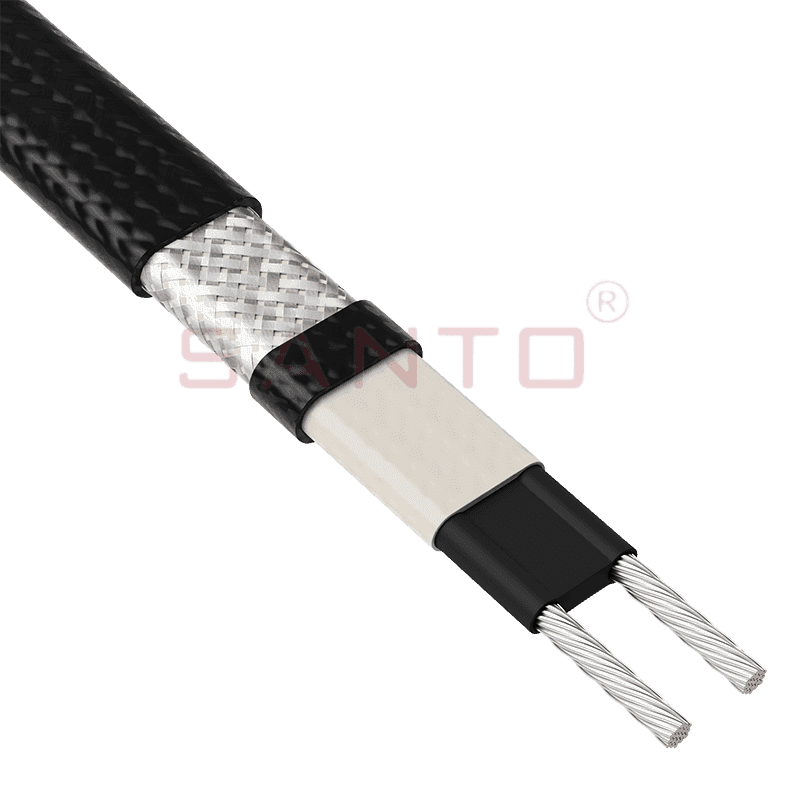
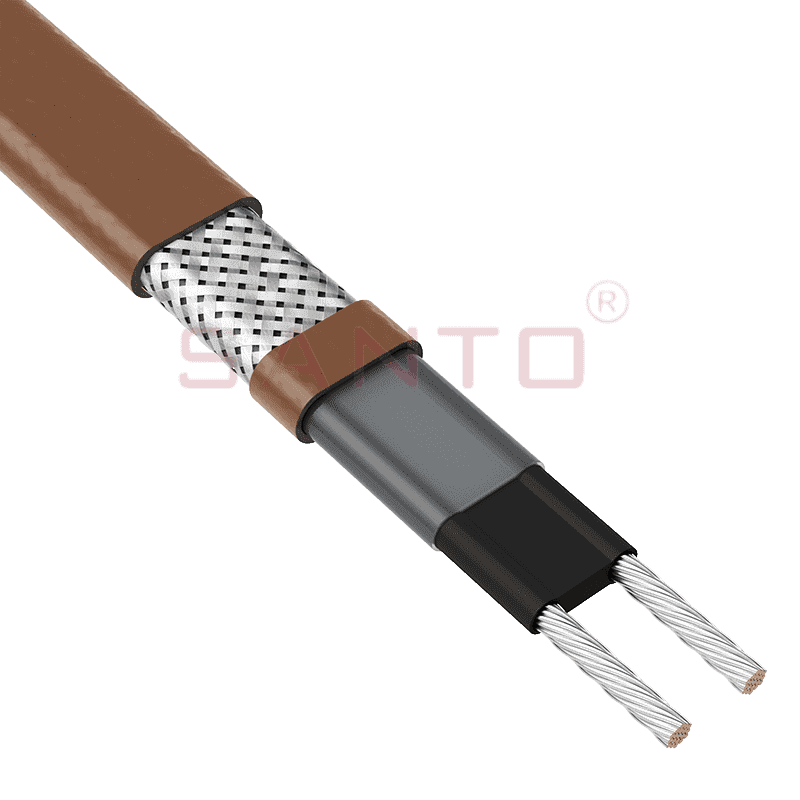
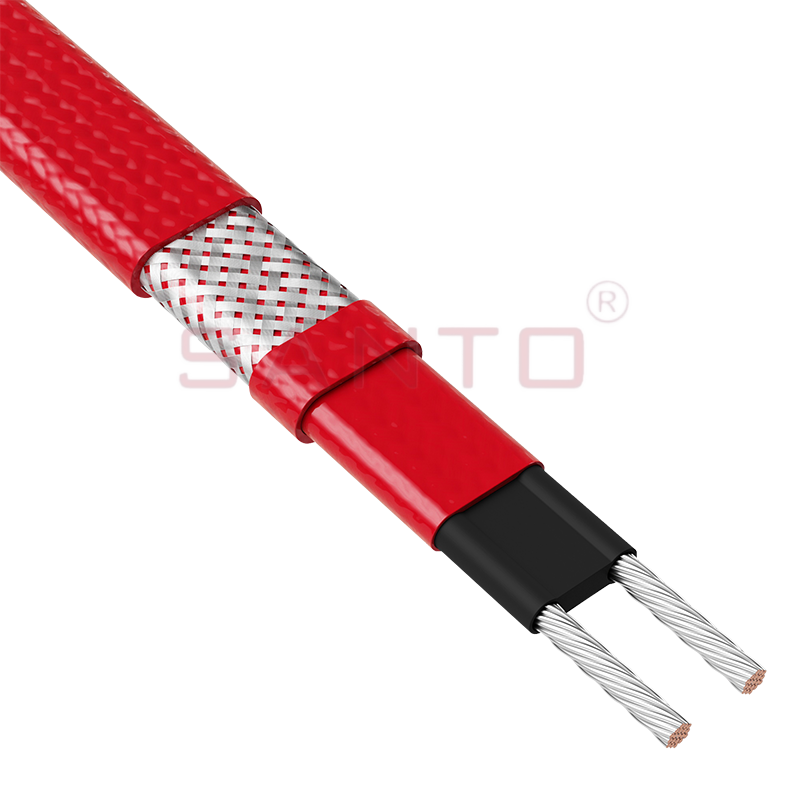
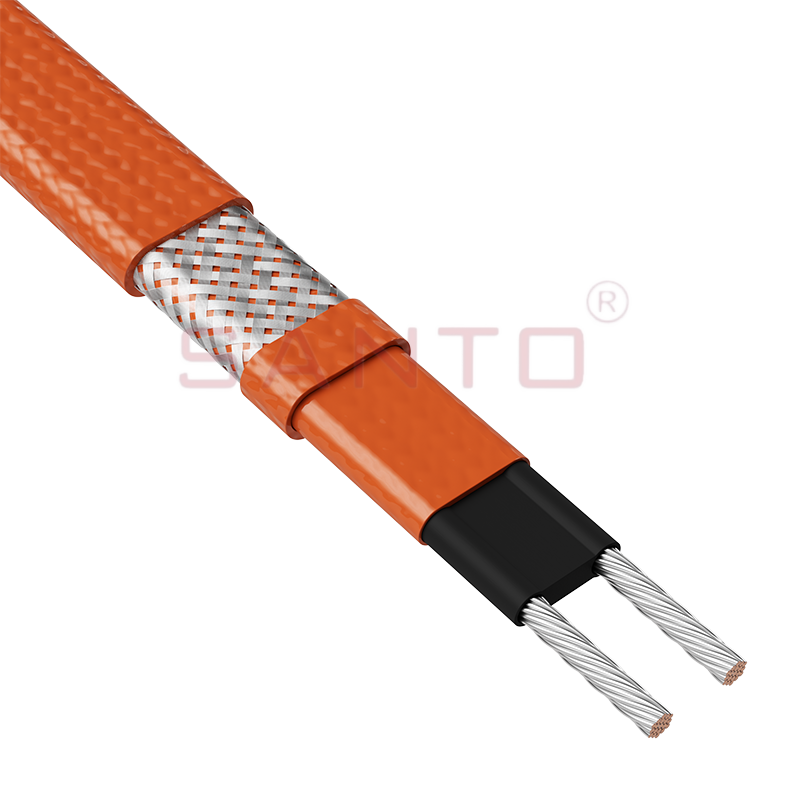
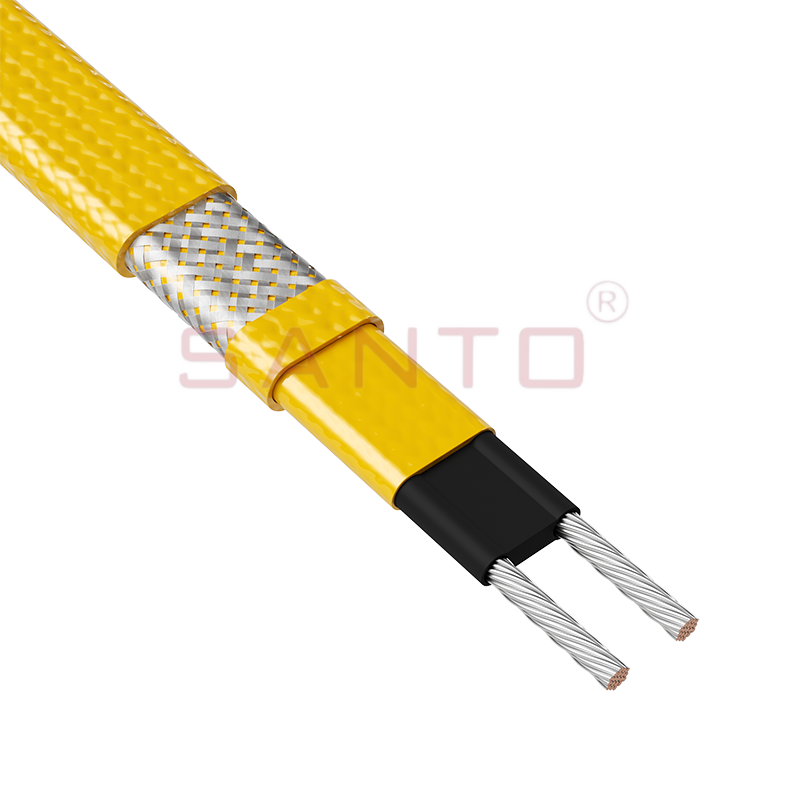
A heat tracing cable is an engineered electrical heating element designed to compensate for heat loss from pipes, vessels, roofs, and gutters. Whether the goal is freeze protection or precise temperature maintenance, these cables deliver heat directly to the surface, preventing ice formation, maintaining fluid viscosity, and ensuring process integrity. Used extensively in residential, commercial, and industrial settings, electric heat tracing systems offer a reliable alternative to traditional insulation alone. This article provides a comprehensive overview of the technology, types, applications, installation best practices, energy efficiency, and comparative analysis, equipping you with actionable knowledge for selecting and maintaining a heat trace system.
Content
- What Is a Heat Tracing Cable and How Does It Work?
- Core Types of Heat Tracing Cables and Their Performance
- Key Applications Driving Demand for Electric Heat Tracing
- Installation Best Practices and Energy Optimization
- Troubleshooting and Preventive Maintenance
- Frequently Asked Questions
- Environmental and Economic Impact of Electric Heat Tracing
- Conclusion: Selecting the Right Heat Tracing Cable
What Is a Heat Tracing Cable and How Does It Work?
A heat tracing cable functions as a linear heat source that counteracts thermal losses along a surface. When attached to a pipe or embedded in roofing materials, the cable converts electrical energy into heat, maintaining the substrate above a critical temperature threshold. The heat output adjusts either through self-regulating properties or via an external controller, depending on the cable type. This active heating prevents freezing in water pipes, keeps process fluids flowing in industrial plants, and melts snow and ice on roofs and gutters before damaging ice dams can form. According to the American Society of Plumbing Engineers, properly designed pipe freeze protection systems can eliminate burst pipe incidents in cold climates, reducing property damage claims by an estimated 65% annually.
Core Types of Heat Tracing Cables and Their Performance
The market offers three fundamental categories, each suited to specific temperature ranges and installation environments. Selecting the right type directly impacts system reliability, energy consumption, and maintenance frequency. Below is a detailed comparison of self-regulating heating cable, constant wattage cable, and mineral insulated series resistance cables.
Self-Regulating Heating Cable: Adaptive and Energy-Efficient
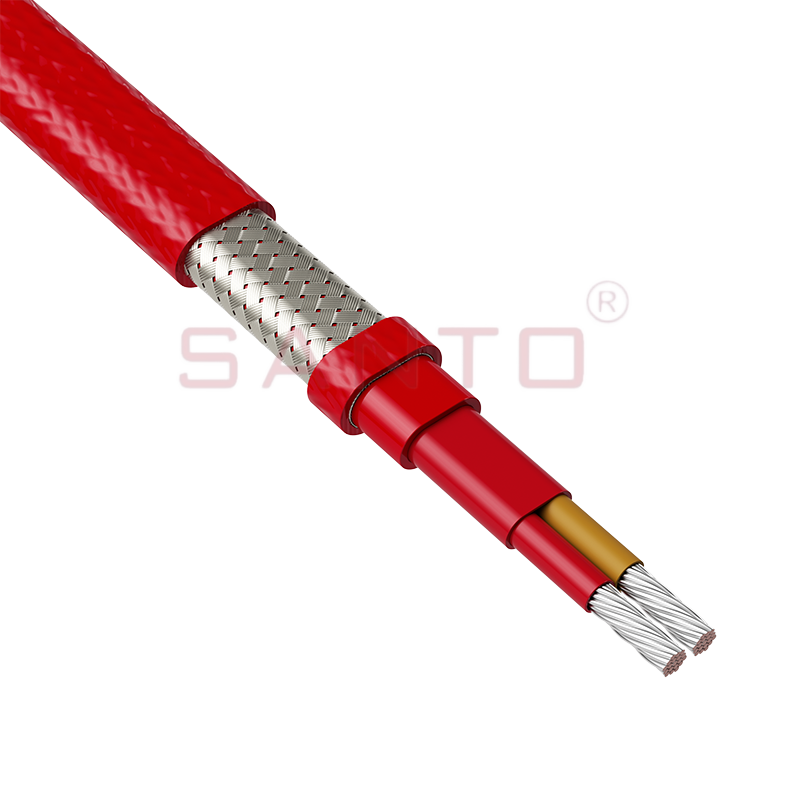
A self-regulating heating cable automatically adjusts its power output in response to the surrounding temperature. The core consists of a semi-conductive polymer matrix that increases resistance as it warms, lowering wattage. This inherent property eliminates the risk of overheating when cables overlap, making it ideal for roof and gutter de-icing and freeze protection on plastic pipes. Typical power densities range from 3 to 35 W/ft at 50°F (10°C). According to IEEE 515, self-regulating heating cable can reduce energy use by 20-40% compared to constant wattage alternatives in variable ambient conditions. Field data from northern U.S. municipalities shows that installing roof and gutter de-icing cables with self-regulating technology decreased ice dam remediation calls by 72% over a five-year period.
Constant Wattage Cable: Consistent Output for Stable Environments
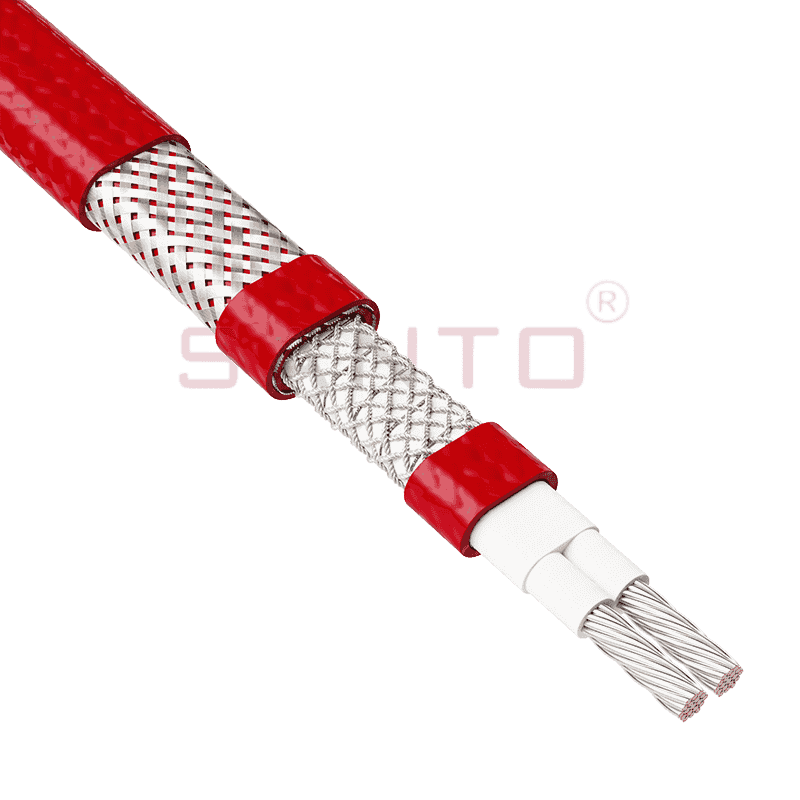
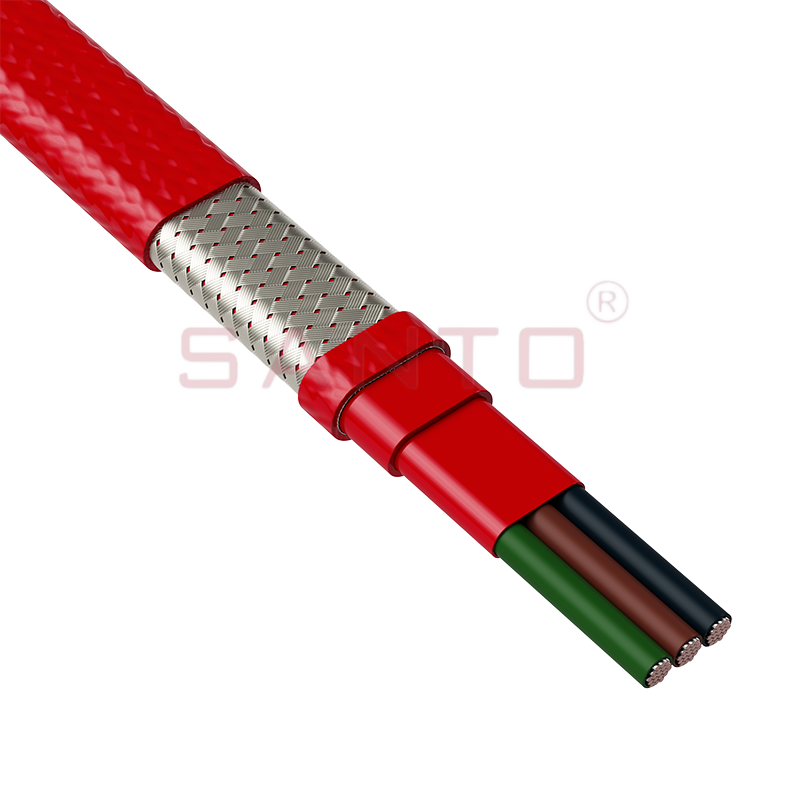
A constant wattage cable delivers the same heat output per linear foot regardless of ambient conditions. These cables use a high-resistance heating wire insulated with materials like silicone or fluoropolymers. They require a thermostat or control system to prevent overheating and are best suited for scenarios where the heat loss is predictable, such as hot water temperature maintenance in large commercial buildings or industrial oil lines operating above 150°F (65°C). Outputs commonly range from 4 to 60 W/ft. Because they do not self-regulate, installation must avoid overlapping. The consistency, however, translates into simpler circuit length calculations: a 1,000-foot trace circuit on a 6-inch pipe will deliver uniform heat from end to end, within 5% variation.
Mineral Insulated Cable: High-Temperature and Harsh Duty
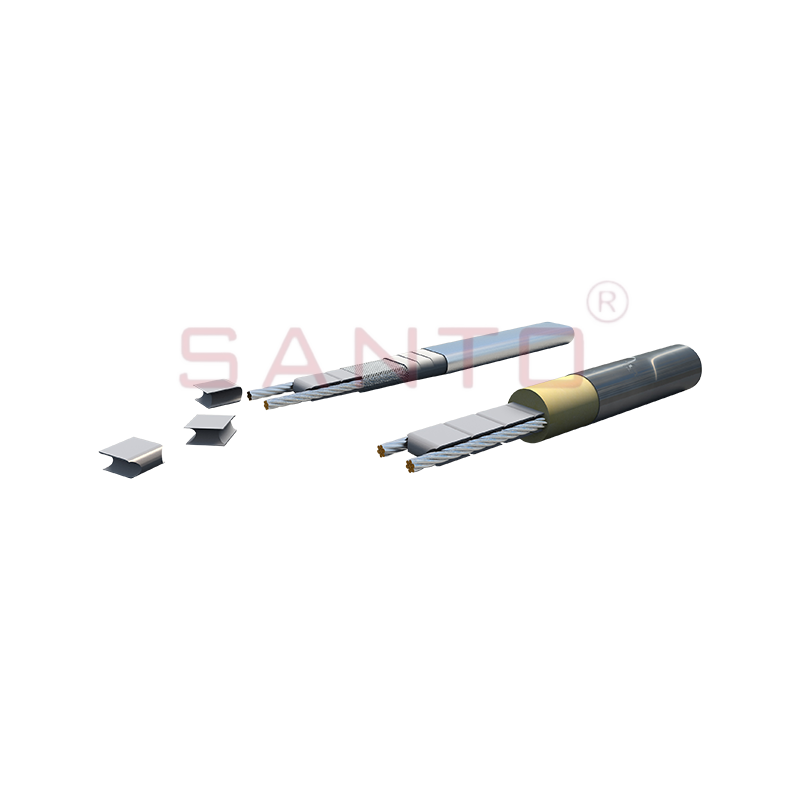
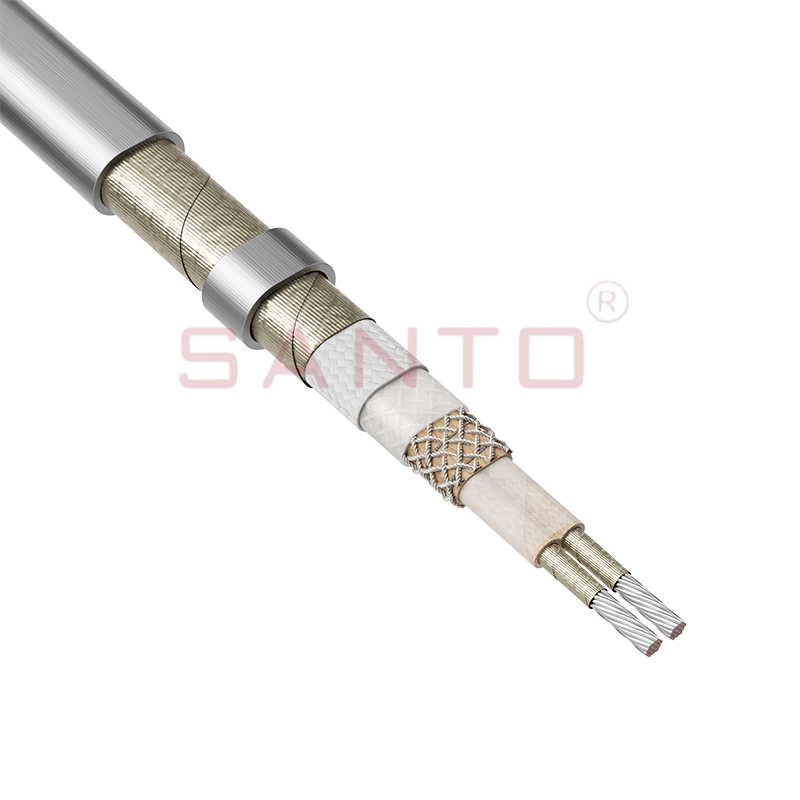
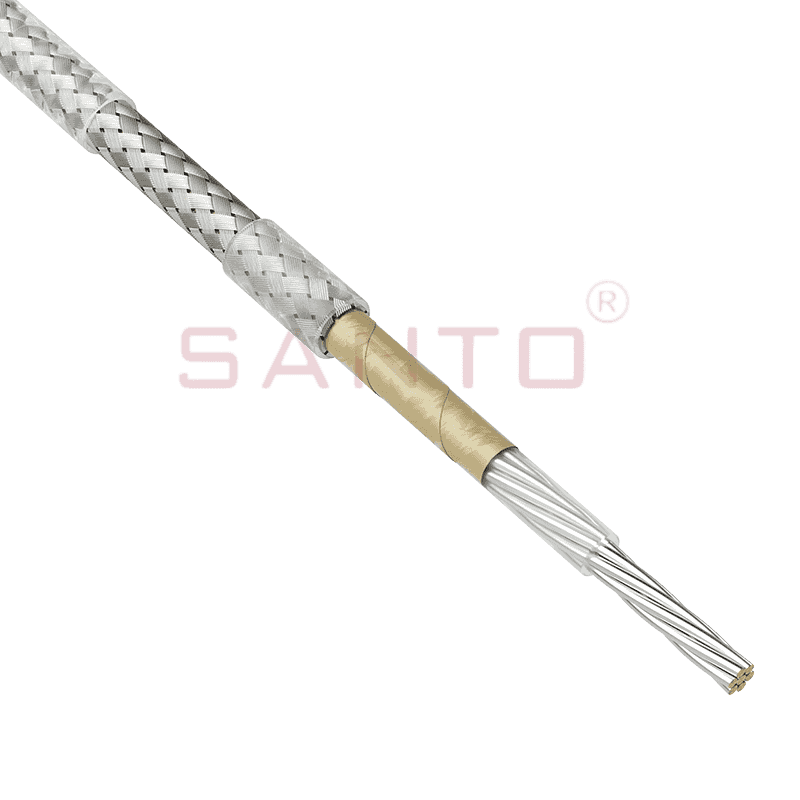
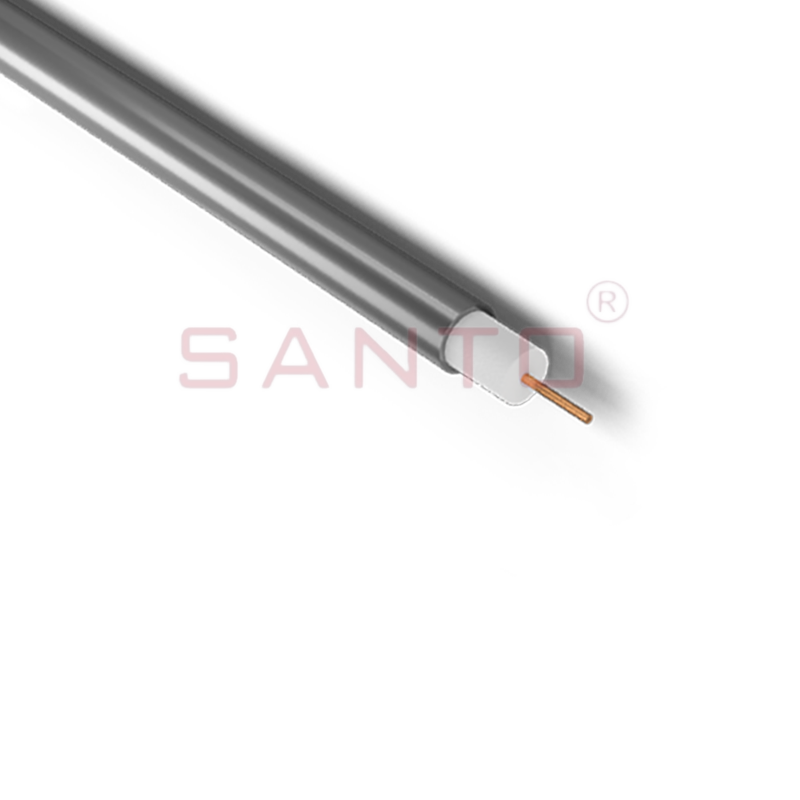
For extreme industrial applications, mineral insulated cables offer unmatched durability. A metallic sheath encloses magnesium oxide insulation around a conductor, allowing continuous exposure temperatures up to 1022°F (550°C). These are deployed in nuclear power plant coolant loops, bitumen tank farms, and high-pressure steam tracing. Withstanding compressive forces beyond 10,000 psi and resisting radiation, mineral insulated heat trace system variants represent the upper tier of performance and cost.
| Feature | Self-Regulating Cable | Constant Wattage Cable | Mineral Insulated Cable |
|---|---|---|---|
| Power Output | 3–35 W/ft | 4–60 W/ft | Up to 100 W/ft |
| Max Exposure Temp | 185°F (85°C) | 250°F (121°C) | 1022°F (550°C) |
| Overlap Safety | Safe (self-limits) | Must avoid overlap | Avoid overlap |
| Typical Applications | Pipe freeze protection, roof and gutter de-icing | Temperature maintenance, long pipe runs | High-temperature industrial, nuclear, steam trace |
| Control Complexity | Low (optional thermostat) | Medium (thermostat required) | High (PID controllers) |
| Relative Energy Efficiency | High (output varies with temp) | Moderate (constant draw) | Moderate to low (process dependent) |
Table 1: Performance comparison of main heat tracing cable types highlighting key selection criteria.
Key Applications Driving Demand for Electric Heat Tracing
Deploying a heat trace system solves problems ranging from residential ice dams to petrochemical process control. Each application demands specific cable characteristics and installation techniques.
Pipe Freeze Protection in Residential and Commercial Buildings
A pipe freeze protection system is the most cost-effective way to safeguard water supply lines, fire sprinkler pipes, and drainage systems in unheated spaces. When a standard fiberglass insulation wrap is combined with a self-regulating heating cable, the combination can prevent freezing at ambient temperatures as low as -40°F (-40°C). A 2023 study by the National Fire Protection Association noted that electrically traced fire sprinkler pipes in parking garages experienced zero freeze-related failures over a six-year monitoring period, whereas unprotected pipes suffered a 12% annual failure rate in cold zones. Installation rules are straightforward: the cable is run straight along the pipe, attached with aluminum tape or glass-fiber ties, and then covered with closed-cell insulation of at least 1-inch thickness.
Roof and Gutter De-icing to Prevent Structural Damage
Roof and gutter de-icing cables prevent the formation of ice dams, which occur when melted snow refreezes at the roof edge, forcing water under shingles. A heat tracing cable installed in a serpentine pattern along the eave and inside gutters and downspouts creates continuous drainage paths. Data from insurance industry associations indicate that homes with professionally installed de-icing cables report 83% fewer ice dam-related water damage claims. In one field test on a 2,500-square-foot roof in Minnesota, a 100-foot self-regulating cable circuit drawing 800 W kept the roof edge clear during a 10-inch snowfall event, using approximately 19 kWh per day—far less than the potential $5,000 or more in ceiling repairs.
Industrial Temperature Maintenance for Process Integrity
Chemical plants, refineries, and food processing facilities rely on temperature maintenance tracing to keep fluids at target viscosities. For instance, a 500-foot fuel oil header maintained at 140°F (60°C) using a constant wattage cable with PID control can prevent paraffin gelation. The electric heat tracing market for industrial applications exceeded $2.1 billion in 2024, with a compound annual growth rate of 6.8%, fueled by stringent temperature control requirements in pharmaceutical and semiconductor manufacturing. A medium-scale pharmaceutical facility reported that replacing steam tracing with an electric heat tracing system cut maintenance labor by 45% and improved temperature uniformity to ±1°C across a 300-foot synthesis loop.
Installation Best Practices and Energy Optimization
Proper installation directly determines the lifespan and efficiency of any heat tracing cable. Common mistakes such as inadequate insulation coverage or loose attachment can reduce thermal efficiency by 30% or more.
Follow this sequence for a standard pipe trace installation:
- Verify cable type and length: Match the cable's wattage per foot to the calculated heat loss. Use software based on IEEE 515 for industrial projects.
- Clean and dry the pipe surface: Remove dirt, rust, and moisture. Apply a thin aluminum foil layer if needed to improve heat transfer on non-metallic pipes.
- Attach the cable straight or spiral: For single straight runs, secure the self-regulating heating cable at the bottom of the pipe using aluminum tape at 12-inch intervals. Spiral wrapping is used when one straight run cannot provide enough heat.
- Install insulation and weather barrier: Apply closed-cell elastomeric foam or mineral wool insulation with a minimum thickness determined by pipe size and ambient conditions. A 1-inch pipe carrying water at 40°F in 0°F air requires at least 1.5 inches of insulation to keep electrical demand under 5 W/ft.
- Connect to ground-fault protected circuits: National Electrical Code mandates 30 mA ground-fault equipment protection for electric heat tracing circuits to prevent fire hazards.
Energy optimization hinges on intelligent controls. A heat trace system with ambient-sensing thermostats can reduce energy consumption by 25–50% compared to manual on/off operation. In a 200-unit apartment complex in Chicago, retrofitting freeze protection circuits with smart controllers that monitor both pipe surface temperature and outside air temperature slashed annual electricity use from 18,500 kWh to 10,200 kWh, a 45% reduction, according to utility submeter data.
Troubleshooting and Preventive Maintenance
Routine checks keep a heat tracing cable functioning at design conditions. A visual inspection at the start of each heating season, combined with insulation integrity verification, prevents most failures.
- Check GFEP tripping: A tripped ground-fault protector often signals moisture ingress or cable damage. Disconnect the circuit and measure insulation resistance; values below 20 megaohms require investigation.
- Inspect for physical damage: Look for cracks, cuts, or compression in the cable jacket. Self-regulating cables with exposed matrix can still function but should be replaced to avoid electrical hazard.
- Validate temperature setpoints: Use a calibrated infrared thermometer to confirm the pipe surface temperature matches the controller setpoint.
- Replace damaged insulation: Wet or missing insulation is the leading cause of energy waste. A single 4-foot gap in insulation on a 200-foot trace can increase heat loss by 15%.
Frequently Asked Questions
Can a heat tracing cable be cut to length on site?
Only self-regulating heating cable can be cut to length in the field. Constant wattage and mineral insulated cables are factory-terminated and cutting them will alter circuit resistance, potentially causing hot spots or failure. Always follow the manufacturer's minimum circuit length specifications.
What is the difference between heat tracing cable and heating tape?
Heating tape is a generic term often used for low-cost constant wattage products without ground shielding or self-regulation. A heat tracing cable refers to an engineered system that meets safety standards like IEEE 515 and includes grounding braid, durable insulation, and often self-regulating capability. The former can be suitable for short-term, supervised use but is not approved for permanent residential pipe freeze protection.
How much electricity does a typical roof de-icing cable use?
A standard 100-foot roof and gutter de-icing cable with 8 W/ft output consumes 800 watts when energized. If it runs for 10 hours during a storm, that equates to 8 kWh. Using a thermostat and moisture sensor can limit operation to only when conditions require melting, reducing annual consumption by up to 60%. Based on average U.S. electricity rates of $0.14/kWh, the operational cost for a full winter season seldom exceeds $80–$120 for a typical single-family home when controlled properly.
Does a heat tracing cable require a dedicated circuit?
Yes. Electrical codes require a dedicated branch circuit with ground-fault protection for permanent electric heat tracing installations. Sizing depends on total cable footage and wattage; a 200-foot, 5 W/ft circuit draws 1,000 watts, or roughly 8.3 amps at 120 VAC. A 15-amp circuit is typical, with an 80% continuous load factor applied.
Environmental and Economic Impact of Electric Heat Tracing
Beyond preventing freeze damage, a well-designed heat trace system contributes to sustainability goals. When compared to circulating hot water recirculation pumps for temperature maintenance, electric tracing can reduce total energy expenditure by 30–50% in large commercial buildings, according to ASHRAE 90.1 performance data. Lower thermal mass and elimination of pump energy and heat losses from return piping account for the savings. Over a 15-year lifecycle, a properly insulated self-regulating heating cable system on domestic hot water lines in a 12-story building can avert 22 metric tons of CO₂ emissions versus a continuous recirculation loop, assuming a grid emission factor of 0.4 kg CO₂/kWh.
Additionally, electric heat tracing eliminates water waste. A traditional recirculating system can waste over 12,000 gallons of water per year waiting for hot water at distant fixtures. Electrically traced lines provide hot water on demand, cutting that waste. For municipalities aiming to reduce water treatment costs, promoting electric heat tracing for hot water supply lines in new construction is an emerging policy tool.
Conclusion: Selecting the Right Heat Tracing Cable
Choosing a heat tracing cable requires matching the application's thermal demand, environmental conditions, and safety requirements. For typical residential freeze protection and de-icing, a self-regulating heating cable offers the best balance of safety, flexibility, and energy efficiency. Constant wattage solutions serve controlled industrial environments where precise, unvarying heat output is needed, while mineral insulated cables are the only choice for extreme heat and hazardous areas. Always pair the cable with robust insulation and a ground-fault protected control scheme, and commit to seasonal inspections. The outcome is a low-maintenance, energy-responsible system that protects property and processes for decades.