English
  English
 русский
 日本語
日本語 Español
 中文简体
中文简体
Content
- What Is Electric Heating Tape and How Does It Work
- Why Electric Heat Tracing Outperforms Conventional Insulation Alone
- Comparing Types of Heating Tape: Self-Regulating vs. Constant Wattage
- Critical Installation Guidelines for Pipe Heat Trace Systems
- Energy Consumption and Cost Analysis of Electric Heat Tape
- Safety Standards and Compliance for Heating Cables
- Selecting the Right Heat Trace Cable for Specific Applications
- Maintenance and Longevity of Electric Heat Tracing Systems
- Common Myths About Heating Tape
- Frequently Asked Questions About Electric Heating Tape
- Future Trends in Electric Heat Tracing Technology
What Is Electric Heating Tape and How Does It Work
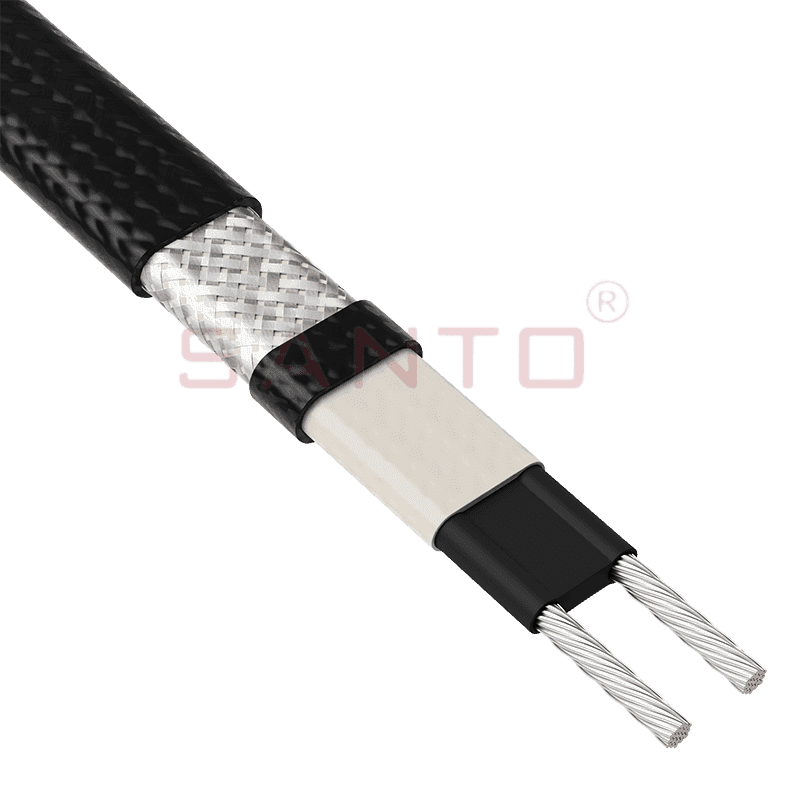
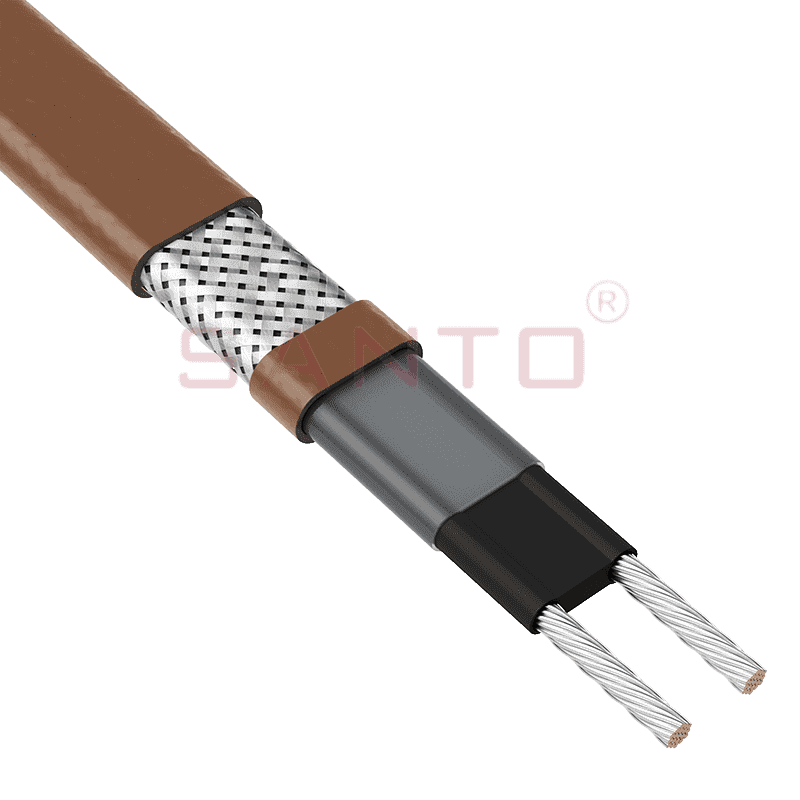
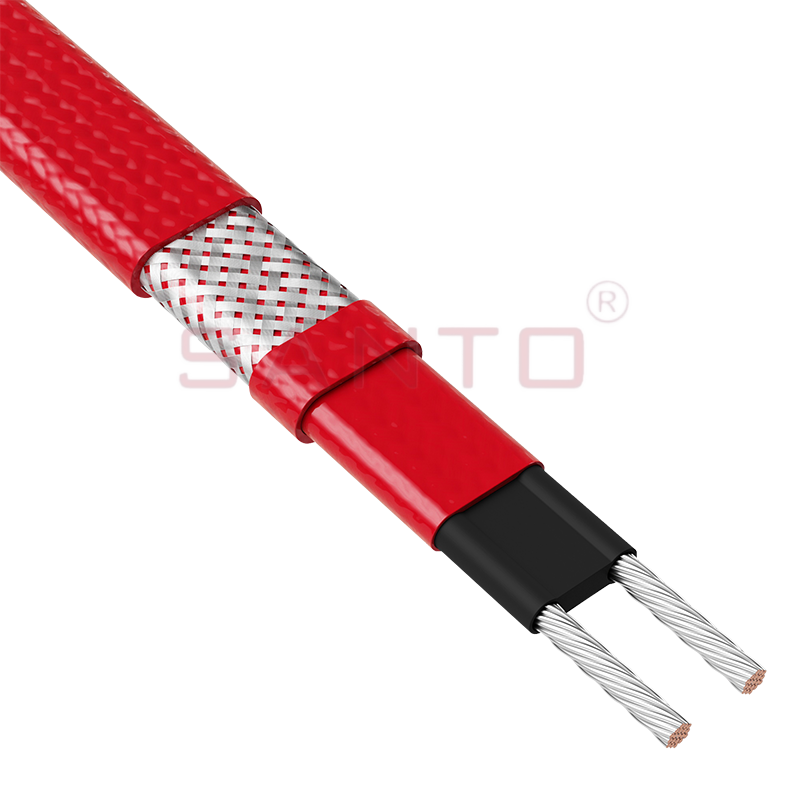
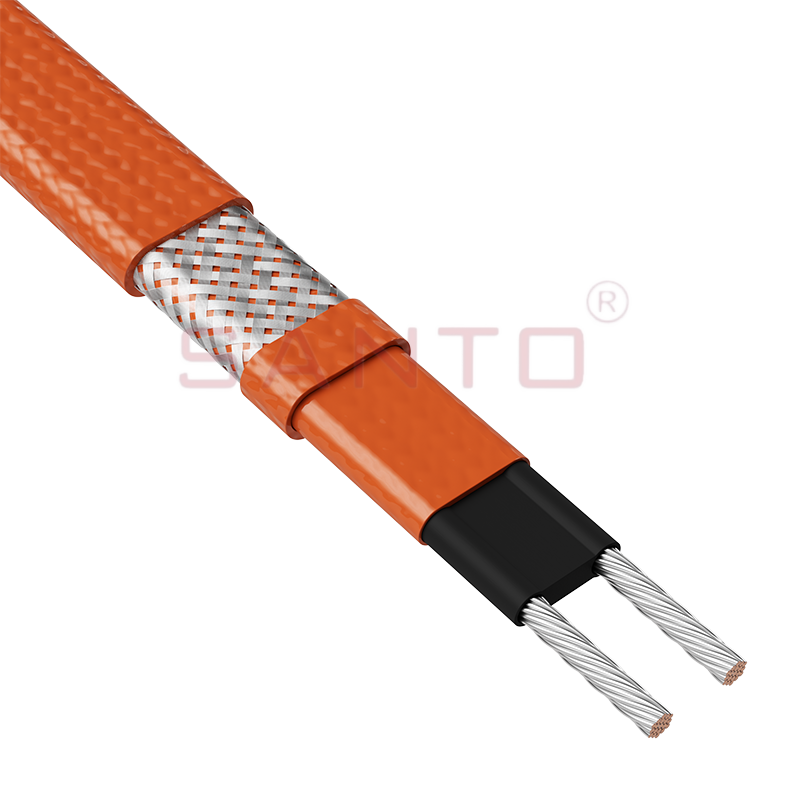
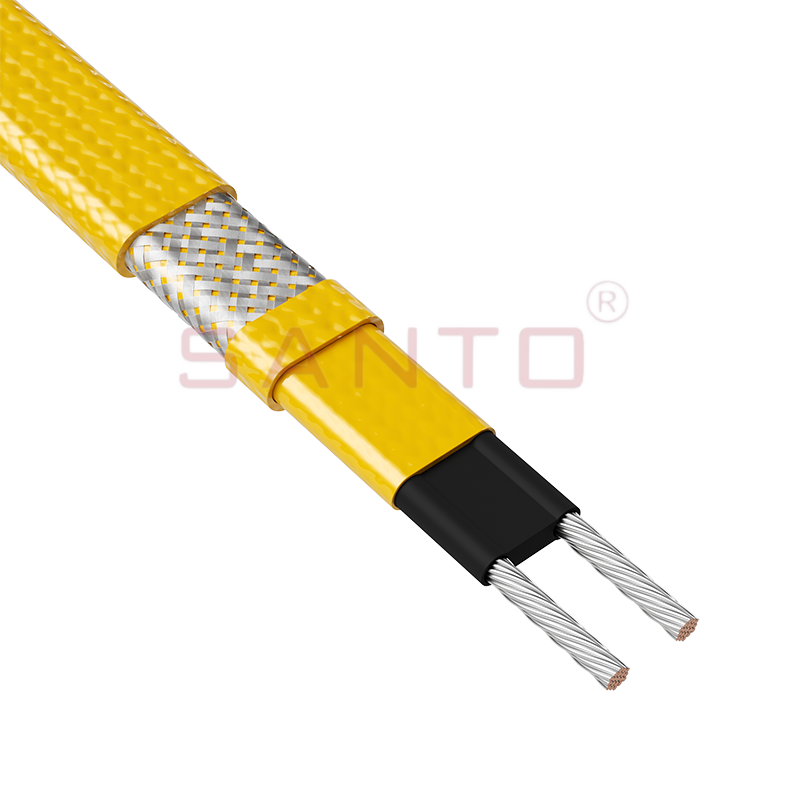
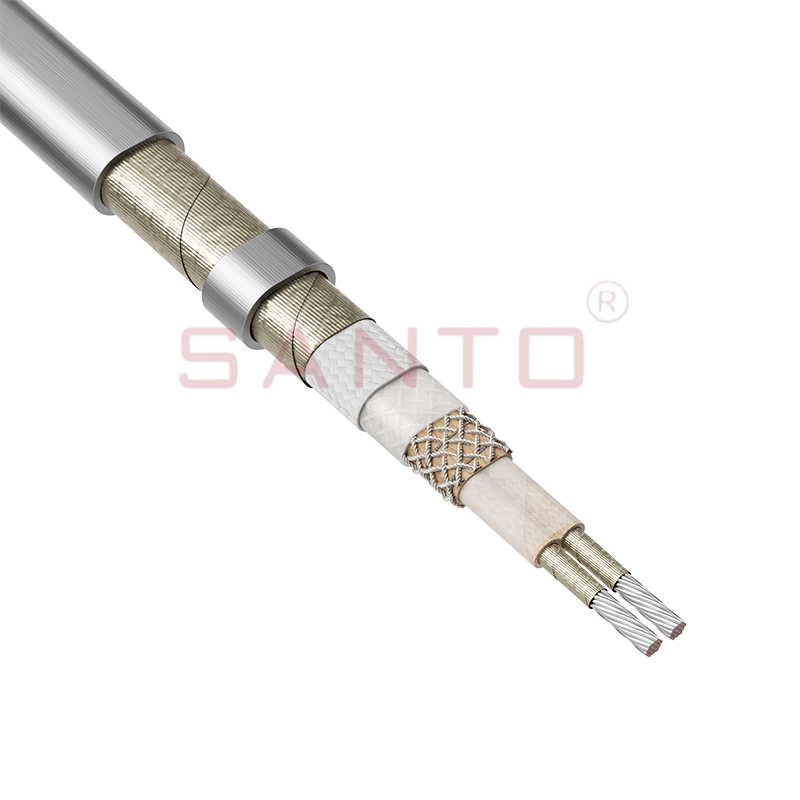
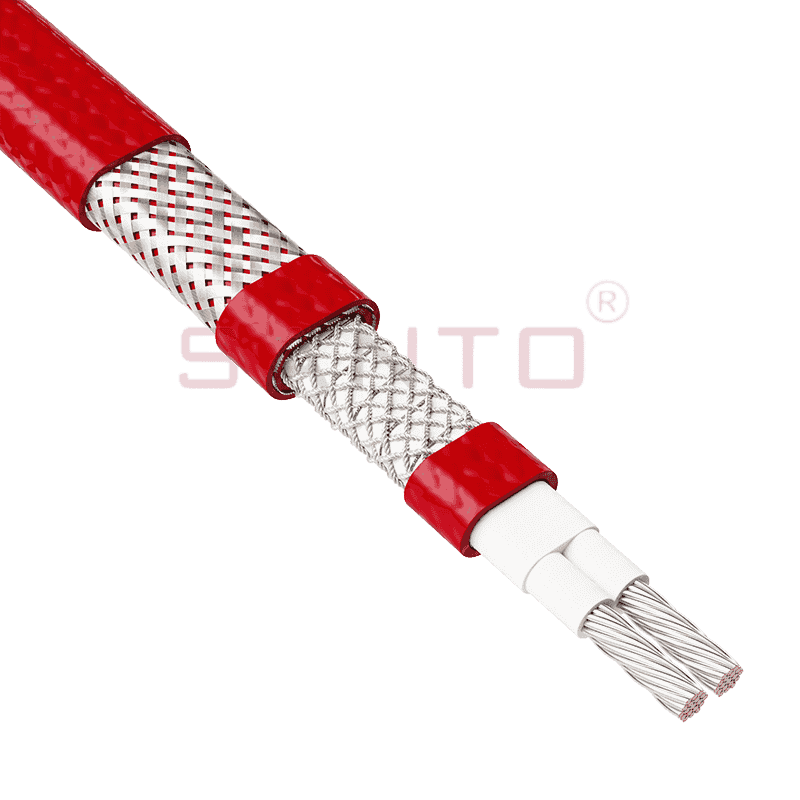
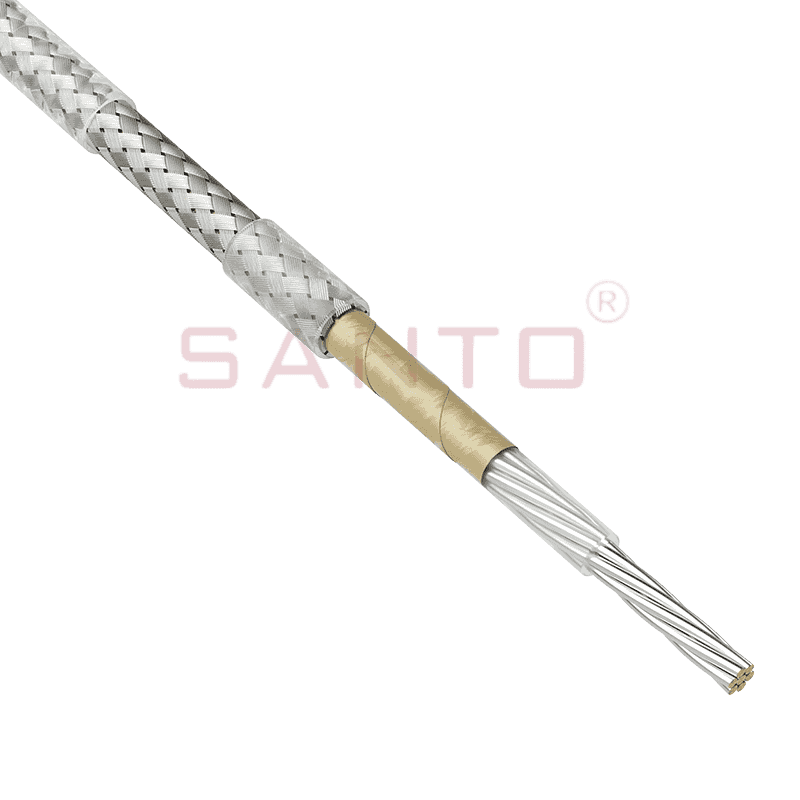
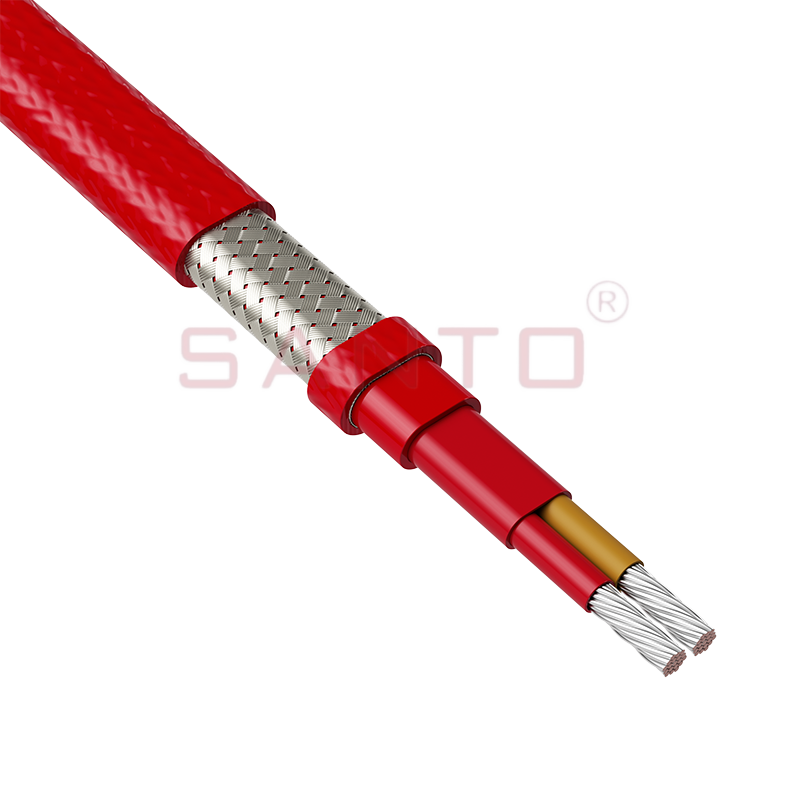
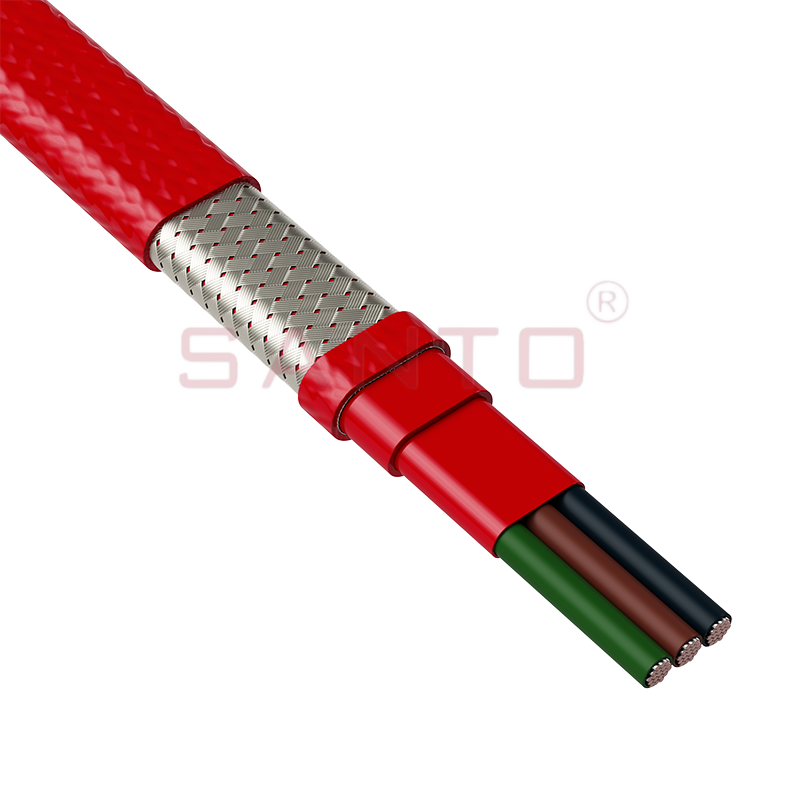
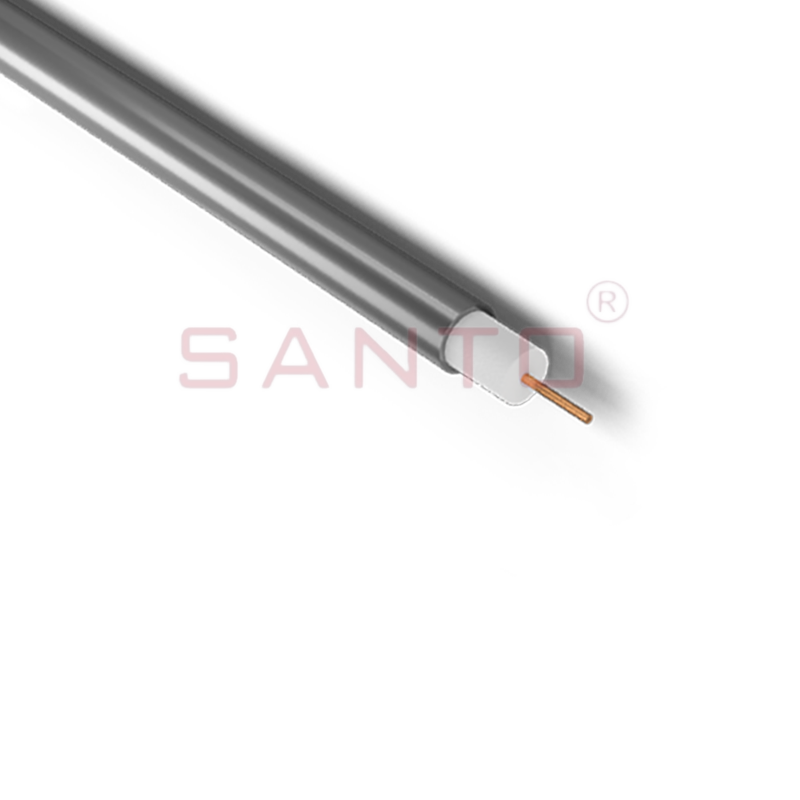
Electric heating tape, commonly referred to as heat trace cable or heat tape, is a flexible electrical element designed to compensate for heat loss from surfaces such as pipes, tanks, and vessels. The core principle is straightforward: when an electric current passes through a resistive conductor, it generates precise thermal output measured in watts per meter. This technology directly prevents fluid freezing, maintains process viscosity, and protects critical infrastructure in residential, commercial, and industrial environments. According to data from the U.S. Department of Energy, properly applied pipe insulation combined with active heating can reduce standby heat loss by up to 80% compared to uninsulated, unheated lines.
Unlike generic space heaters, a heating cable is engineered for direct surface contact, delivering targeted warmth exactly where it is needed. Modern designs incorporate self-regulating semiconductor cores that automatically adjust power output in response to ambient temperature fluctuations, ensuring energy is not wasted during warmer periods while providing maximum protection during deep freezes.
Why Electric Heat Tracing Outperforms Conventional Insulation Alone
Insulation slows down heat loss, but it cannot stop it entirely. When ambient temperatures drop below freezing for extended periods, stagnant water inside pipes will eventually reach 32°F (0°C) and begin to crystallize. Electric heating tape actively introduces thermal energy to balance the heat loss equation. Research published by the American Society of Mechanical Engineers indicates that a 50-foot run of exposed 1-inch steel pipe at -10°F requires approximately 8 watts per foot to maintain 40°F, a load easily handled by a properly specified heat trace system. This active measure eliminates the gamble associated with passive insulation, transforming freeze protection from probabilistic to deterministic.
Freeze Prevention
Maintains water lines, sprinkler systems, and safety showers above 40°F even at -40°F ambient conditions.
Process Temperature Maintenance
Keeps viscous fluids like asphalt, glucose, or heavy fuel oil flowing by sustaining temperatures up to 300°F.
Roof & Gutter De-Icing
Prevents ice dam formation on eaves and downspouts, mitigating structural water damage.
Floor Warming
Provides gentle radiant heat under tile and stone surfaces in bathrooms and kitchens.
Comparing Types of Heating Tape: Self-Regulating vs. Constant Wattage
Selecting the appropriate electric heat tape requires understanding the fundamental differences between the two dominant technologies. Each category serves distinct operational profiles, and misapplication can lead to overheating, energy waste, or system failure.
Table 1: Detailed operational comparison between self-regulating and constant wattage electric heating tape.
Self-regulating heating cable contains a conductive polymer core whose carbon chains create microscopic conductive paths. As the core cools, it contracts and creates more paths, increasing wattage. As it warms, the matrix expands and reduces pathways, lowering output. This intrinsic property makes it exceptionally safe for plastic pipes and areas requiring temperature uniformity. In contrast, constant wattage heat tape uses a fixed resistance nichrome wire, delivering unchanging power density. While highly reliable for freeze protection on metal pipes under consistent supervision, it demands a separate thermostat and meticulous installation to prevent meltdown if buried under insulation that traps heat.
Critical Installation Guidelines for Pipe Heat Trace Systems
Installation quality determines the longevity and safety of any electric heating tape deployment. Field failure investigations by the National Fire Protection Association consistently identify improper attachment and missing thermal insulation as primary causes of arcing and burnout.
Surface Preparation and Attachment
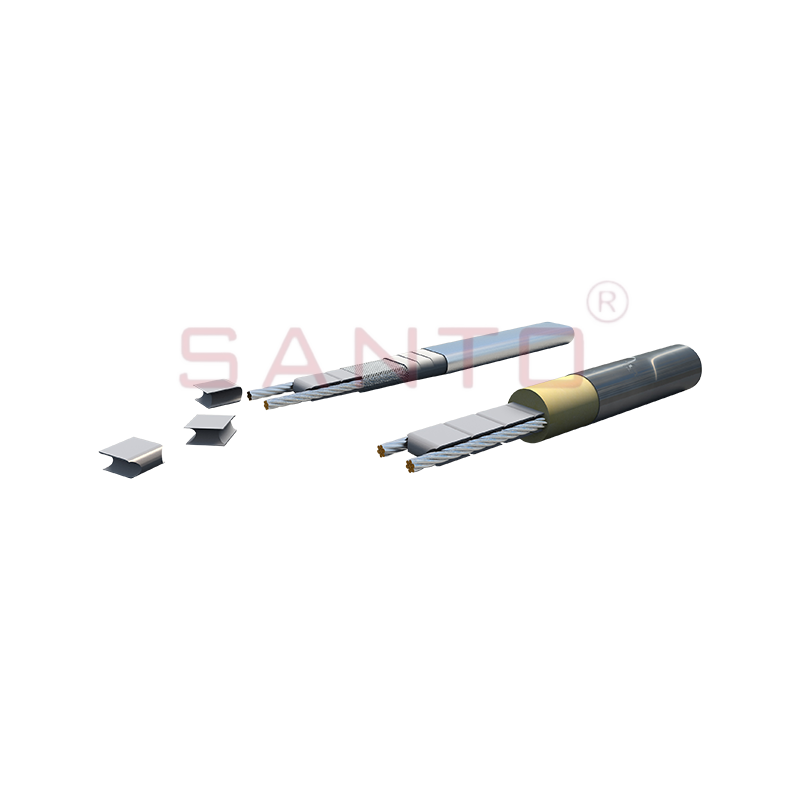
Pipes must be dry, free of rust, and smooth. The heat trace cable should be attached every 12 inches using high-temperature aluminum foil tape or fiberglass adhesive tape. Never use duct tape or vinyl electrical tape, as they degrade under sustained heat. For stainless steel pipes, a thin layer of aluminum foil beneath the cable improves thermal conductivity.
Insulation and Moisture Sealing
After the heating cable is secured, closed-cell elastomeric foam or fiberglass insulation of at least 1-inch thickness must be wrapped immediately. A waterproof cladding is essential outdoors. Data from the International Energy Agency indicates that wet insulation loses 90% of its thermal resistance, forcing the heating tape to operate at full capacity continuously and spiking energy bills.
Electrical Connection and Ground-Fault Protection
Every circuit must be protected by a 30 mA ground-fault circuit interrupter. The metallic braid or ground sheath of the heating tape must be terminated properly to the equipment grounding conductor. Failure to maintain ground continuity leaves the system vulnerable to undetected damage and fire risk.
Energy Consumption and Cost Analysis of Electric Heat Tape
A typical residential heat tape for a 30-foot pipe consumes around 150 to 180 watts when active. Based on the average U.S. electricity rate of $0.16 per kilowatt-hour, continuous operation for 24 hours costs approximately $0.69 per day. Over a 120-day winter season, the total cost approaches $83. However, with a self-regulating heat trace cable, the actual duty cycle during moderate cold may be only 30% to 40%, slashing seasonal cost below $30. The International Energy Conservation Code encourages the use of automatic controls and ambient-sensing thermostats to achieve these savings.
Industrial users tracking large-scale heat tracing arrays report that converting from steam tracing to electric alternatives reduces maintenance costs by 45% and eliminates steam trap failures. A medium-sized refinery can save 12,000 MWh annually by switching to smart electric tracing with supervisory control.
Safety Standards and Compliance for Heating Cables
All electric heating tape installed in North America must comply with IEEE Standard 515 and be certified to UL 515 for ordinary locations, or UL 2225 for hazardous environments. These standards validate dielectric integrity, cold bend performance, and flammability resistance. Installations in classified zones with explosive gases require a T-rating verification ensuring the sheath temperature stays below the ignition point of surrounding atmosphere.
The 2023 National Electrical Code mandates that heat trace circuits for pipes be clearly labeled at the panel and include a permanent marking indicating the presence of electric tracing along the pipe exterior. Regular megger testing at 2500 VDC is recommended during annual fall commissioning to catch insulation resistance degradation before winter arrives.
Selecting the Right Heat Trace Cable for Specific Applications
The selection matrix depends on pipe material, diameter, minimum ambient temperature, and maintenance temperature target. Stainless steel pipes conduct heat well but require uniform watt density to avoid hot spots. Plastic pipes impose strict wattage limitations, typically below 8 watts per foot, to prevent deformation.
Table 2: Recommended specifications for common electric heating tape applications.
Maintenance and Longevity of Electric Heat Tracing Systems
A properly installed heat trace system can operate reliably for 15 to 20 years. The primary failure modes include mechanical damage from foot traffic, moisture ingress at end terminations, and thermal aging of polymer jackets. Annual visual inspections should look for cracked outer jackets, loose attachment tape, and missing insulation. Electrical testing with a 500V megohmmeter should yield readings above 20 megaohms; readings below 1 megaohm indicate imminent ground fault and require cable replacement.
Common Myths About Heating Tape
- Myth: Wrapping tape around itself increases warmth. Reality: Overlapping constant wattage tape creates dangerous hot spots that degrade insulation and can melt the cable sheath.
- Myth: Thicker insulation eliminates the need for heat tracing. Reality: No matter how thick, insulation only delays freezing; stagnant water will still freeze if exposed to cold long enough.
- Myth: All heat tapes can be buried underground. Reality: Only specific direct-burial rated cables with impervious jackets are suitable for soil contact; standard indoor tape will fail rapidly.
Frequently Asked Questions About Electric Heating Tape
Can electric heating tape be used on plastic PVC pipes?
Yes, but exclusively with self-regulating heat trace cable rated below 8 watts per foot. PVC softens around 140°F; high-wattage constant wattage tape can exceed this limit and cause catastrophic pipe failure. Always verify the manufacturer's temperature classification before application.
How do I size the correct length of heat tape for my pipe?
Measure the linear pipe run and add extra length for valves and flanges. A standard gate valve requires an additional 3 feet of heating cable wrapped in a serpentine pattern. A flange pair typically needs 1.5 additional feet. Total length is the sum of straight run plus allowances for each heat sink.
Does heat tape need a dedicated circuit?
NEC guidelines strongly recommend a dedicated circuit for loads exceeding 12 amps. Given that 100 feet of 8 W/ft heat trace draws approximately 6.7 amps at 120V, multiple runs may easily surpass branch circuit capacity if combined with other loads.
What is the difference between heat tape and heating cable?
They are functionally identical. "Heat tape" is the colloquial term prevalent in residential retail, while "heating cable" or "heat trace" is the technical designation used in engineering specifications. Both describe flexible resistive elements designed for surface contact heating.
Future Trends in Electric Heat Tracing Technology
Integration with building management systems and IoT sensors is transforming heat trace from passive protection to active energy management. Distributed temperature sensing via fiber optic cables co-installed with heating tape allows operators to pinpoint cold spots along miles of pipeline in real time. Predictive algorithms adjusting power output based on weather forecasts can shave an additional 18% from annual consumption according to pilot studies conducted at the Cold Climate Housing Research Center. Solid-state control modules now offer leak detection and ground-fault monitoring on a per-circuit basis, sending alerts before pipe burst events occur.
As climate volatility increases, the resilience provided by electric heating tape becomes not merely a convenience but a critical infrastructure safeguard. From single-family homes to petrochemical complexes, the technology continues to evolve with smarter controls and more robust materials, ensuring process continuity in the harshest environments.