 English
  English
 русский
 日本語
日本語 Español
 中文简体
中文简体The SANTO UFA range of self-regulating heating cables is mainly used for frost protection of pipes and vessels but can also be used to maintain processes up to 65°C. These heating cables are available...
See Details
Frozen pipes are a homeowner's nightmare — and if your plumbing runs through an unheated crawl space, garage, or exterior wall, the risk is very real. Heat tape, also known as pipe heating cable, is one of the most popular solutions for freeze protection. But when your pipes are made of PVC, the question becomes more complex: Can you actually use heat tape on PVC pipe without damaging it?
The short answer is yes — but only with the right type of heat tape and careful installation. PVC has a lower heat tolerance than metal or CPVC pipes, so choosing the wrong product could warp, melt, or structurally compromise your pipes. This guide walks you through everything you need to make a safe, effective decision.
Content
Before choosing any pipe heating cable, you need to understand the material you're working with. PVC (polyvinyl chloride) is widely used in residential plumbing, irrigation, and drainage — but it is significantly more heat-sensitive than copper, steel, or CPVC.
| Pipe Material | Max Continuous Temp | Distortion Point | Heat Tape Compatible? |
|---|---|---|---|
| PVC (Schedule 40) | 60°C / 140°F | ~70°C / 158°F | Yes (low-wattage only) |
| CPVC | 93°C / 200°F | ~110°C / 230°F | Yes (wider range) |
| Copper | 200°C+ / 392°F+ | N/A (metal) | Yes (most types) |
| PEX | 82°C / 180°F | ~95°C / 203°F | Yes (self-regulating preferred) |
| ABS | 60°C / 140°F | ~80°C / 176°F | Use with caution |
The key takeaway: standard PVC pipe can warp or deform if exposed to sustained temperatures above 140°F (60°C). Many conventional heat tapes on the market can exceed this threshold — which is why product selection is critical.
Not all heat tape for pipes is created equal. There are two primary technologies, and understanding the difference is essential for protecting PVC.
Constant-wattage heating cables deliver a fixed amount of heat regardless of ambient temperature. They run at full power whether it's -10°F outside or 50°F. This makes them less energy-efficient and, more importantly for PVC users, potentially dangerous — they can easily overheat if insulation traps heat around the pipe.
Self-regulating heating cable (also called self-limiting heat cable) is the gold standard for plastic pipe applications. It uses a conductive polymer core that automatically increases or decreases electrical resistance based on temperature. When the pipe gets cold, it produces more heat. When it warms up, output drops automatically.
Pro Tip: Always look for self-regulating pipe heating cable that is explicitly labeled "safe for plastic pipes" or "suitable for PVC." Check the product's maximum exposure temperature on the label — it should be below 60°C / 140°F for continuous contact with standard PVC.
| Feature | Self-Regulating Cable | Constant-Wattage Cable |
|---|---|---|
| Heat Output | Adjusts automatically | Fixed at all times |
| Overheat Risk | Very low | Moderate to high |
| PVC Safety | Safe (if rated) | Risk of damage |
| Energy Efficiency | High | Low |
| Can Be Overlapped? | Yes | No |
| Thermostat Required? | Usually not (built-in regulation) | Recommended |
| Cost | Higher upfront | Lower upfront |
| Best For | PVC, PEX, plastic pipes | Metal pipes, industrial use |
Proper installation is just as important as choosing the right electric heat cable. Follow these steps to protect your PVC pipe and ensure long-term performance.
Select a self-regulating heat tape labeled safe for plastic or PVC pipes. Verify the maximum surface temperature is below 140°F. Popular options include low-wattage cables in the 3W/ft to 5W/ft range for freeze protection applications.
Measure the pipe run you need to protect. Most self-regulating heating cables can be cut to any length in the field, which reduces waste and prevents unnecessary heat buildup. Never coil excess cable on the pipe.
For most residential freeze protection on PVC, run the pipe heating cable in a straight line along the bottom of the pipe. Spiral wrapping (used on metal pipes for higher heat transfer) concentrates heat in one spot and is generally unnecessary — and potentially harmful — for PVC.
Use aluminum foil tape every 12–18 inches to secure the heat cable to the pipe. Foil tape improves thermal contact and helps distribute heat more evenly along the pipe surface. Avoid using standard plastic tape, which can melt or degrade.
Always install foam pipe insulation over the heat tape and pipe. Insulation dramatically reduces how much energy the cable needs to use, which keeps temperatures lower and saves electricity. This is especially important for PVC since it limits heat buildup.
Always connect your pipe heating cable to a GFCI (Ground Fault Circuit Interrupter) outlet. This is a code requirement in most jurisdictions and is a critical safety measure, especially in damp environments like crawl spaces or basements.
If you're comparing pipe materials for a new installation — or trying to understand your existing system — here's how heat tape requirements differ:
Requires the most careful approach. Only use self-regulating low-wattage heating cable rated for plastic. Add insulation. Avoid spiral wrapping. Monitor during initial operation.
More heat-tolerant than PVC. Still benefits from self-regulating cable but can handle slightly higher wattage. Used extensively in hot water supply lines where PVC cannot be used.
Most forgiving. Can use constant-wattage or self-regulating cables. Excellent thermal conductivity means heat spreads evenly. Spiral wrapping is fine for copper and can improve effectiveness in extreme cold climates.
While self-regulating heat tape is generally safe for PVC when used correctly, some situations call for alternative approaches:
When shopping for heat tape safe for PVC, look for these key certifications and specifications:
A: It can, if the wrong type is used. Constant-wattage heat tape without temperature control can easily exceed PVC's distortion point of ~140°F (60°C). A self-regulating heating cable rated for plastic pipes will not melt PVC under normal operating conditions.
A: Yes, with the same caveats as supply pipe. Drainage PVC is typically Schedule 40 with the same temperature limits. Use low-wattage self-regulating cable and add insulation over it. This is particularly useful for outdoor or unheated crawl space drainpipe sections.
A: Quality self-regulating pipe heat cables typically last 10–20 years when properly installed and used seasonally. Inspect cables annually before the cold season for cracks, fraying, or pinch points — especially where the cable contacts PVC, as the plastic surface can sometimes degrade the cable jacket over many years.
A: Not strictly required, but a thermostat controller is a smart addition. Self-regulating cable adjusts heat output based on temperature, but it still draws some power at all times when plugged in. A thermostat cuts power entirely when temperatures are above freezing, saving energy and extending cable life.
A: Yes, low-wattage self-regulating freeze protection cable is widely used on irrigation systems to protect PVC supply and lateral lines from freezing. Many homeowners use it on the backflow preventer (often the most vulnerable point) and main supply run. Ensure all cable ends are properly sealed against moisture.
A: Most manufacturers recommend unplugging pipe heating cables during warm months. Continuous energization accelerates cable aging and poses a fire risk if the cable is damaged. Using a thermostat that shuts off above 40°F can serve as a practical compromise if annual disconnection is inconvenient.
The terms are used interchangeably in common usage. Technically, heat tape was an older term for flat, ribbon-style resistive heaters, while heat cable or heating cable refers to modern round cables — including self-regulating types. Today, "heat tape," "heat cable," "pipe heating cable," and "freeze protection cable" all describe the same category of products.
Yes, you can use heat tape on PVC pipe — but the type of cable you choose makes all the difference. Self-regulating heating cable explicitly rated for plastic pipes is safe, energy-efficient, and effective. Constant-wattage tape, on the other hand, poses a real risk of damaging or destroying PVC if not carefully controlled.
The investment in a quality self-regulating pipe heating cable pays for itself quickly — not just in energy savings, but in the peace of mind that comes from knowing your PVC pipes are protected without being threatened by the very solution designed to help them.
Always pair your freeze protection cable with proper insulation, a GFCI outlet, and seasonal inspection, and your PVC plumbing will remain safe through even the harshest winters.
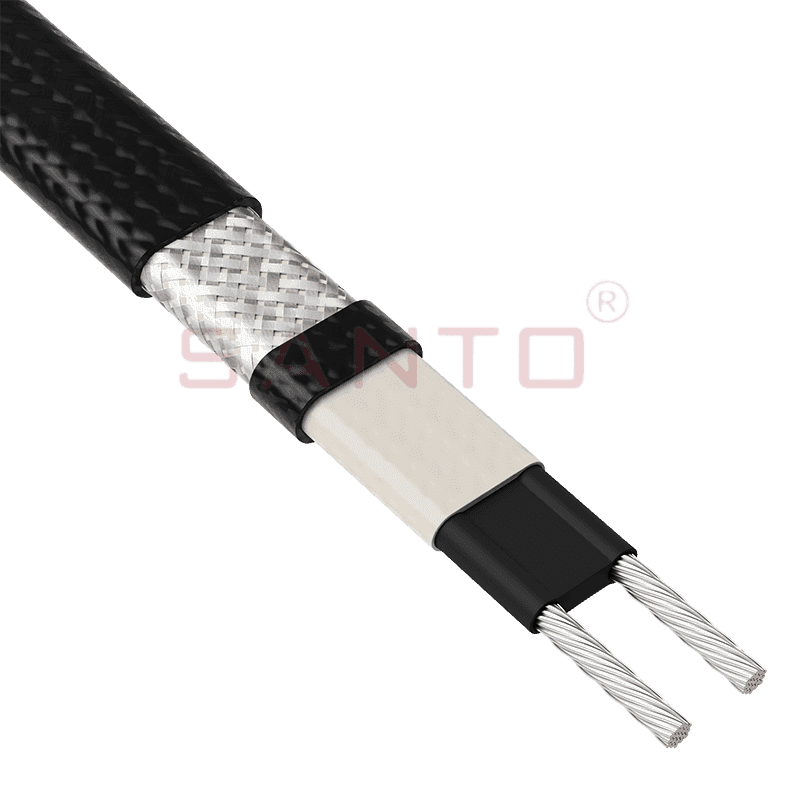
The SANTO UFA range of self-regulating heating cables is mainly used for frost protection of pipes and vessels but can also be used to maintain processes up to 65°C. These heating cables are available...
See Details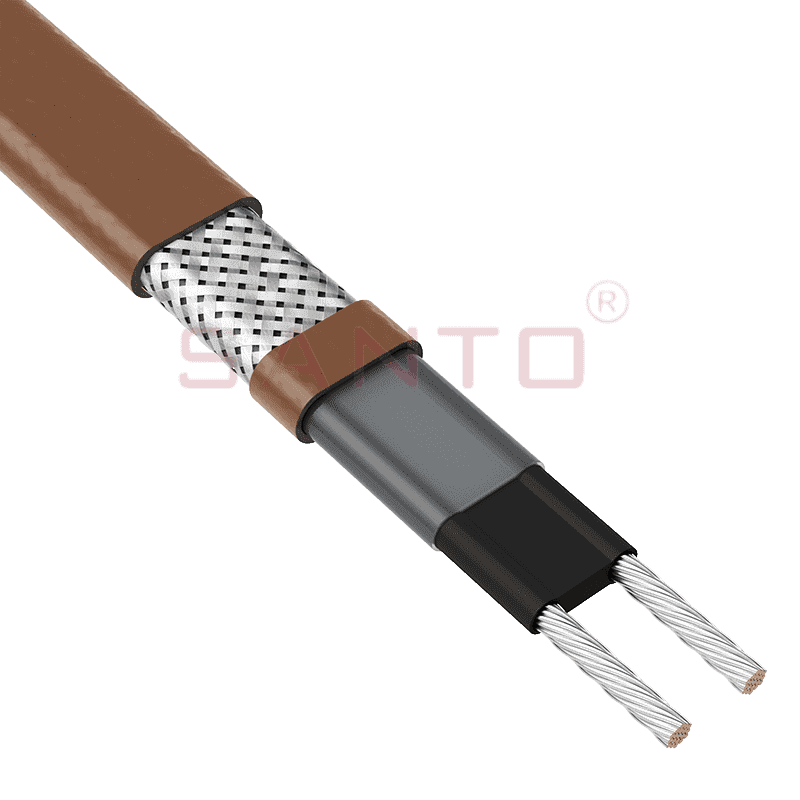
The SANTO UFB range of self-regulating heating cables is mainly used for frost protection of pipes and vessels requiring a higher power output than the UFA heating cables can supply. They can also be ...
See Details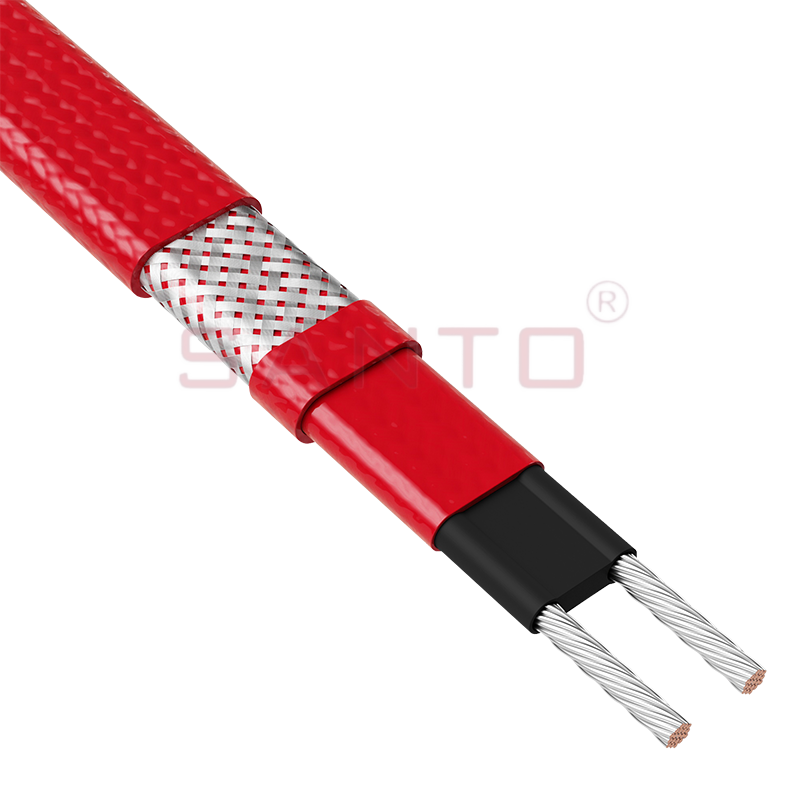
The SANTO UFC range of self-regulating heating cables is used for frost protection of pipes and vessels that require steam cleaning. They can also be used to maintain processes up to 121°C. These heat...
See Details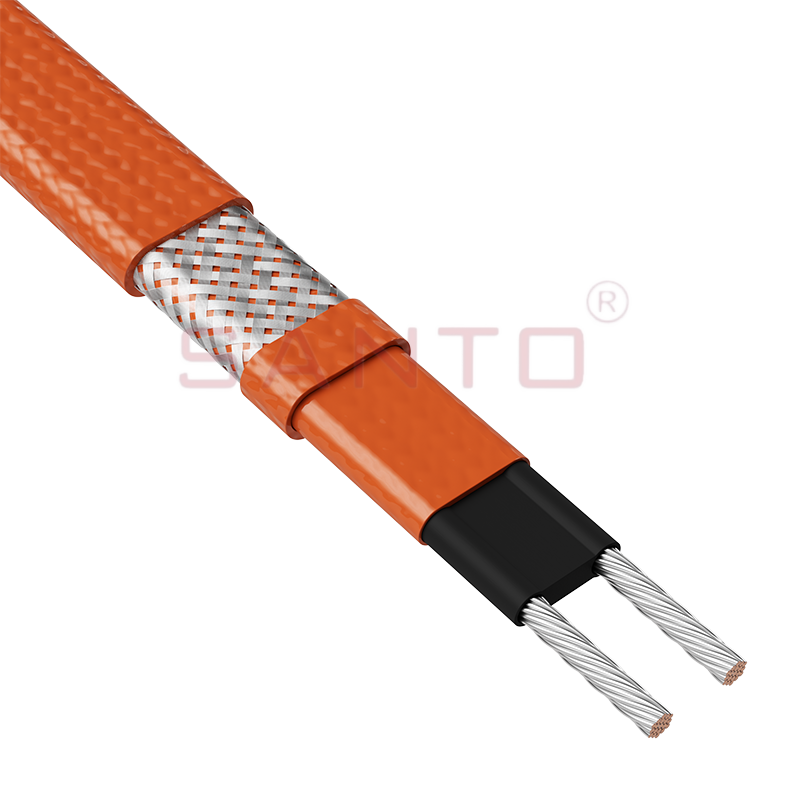
The SANTO UFO range of self-regulating heating cables is mainly used for frost protection of pipes and vessels that require steam cleaning . They can also be used to maintain processes up to 150°C. Th...
See Details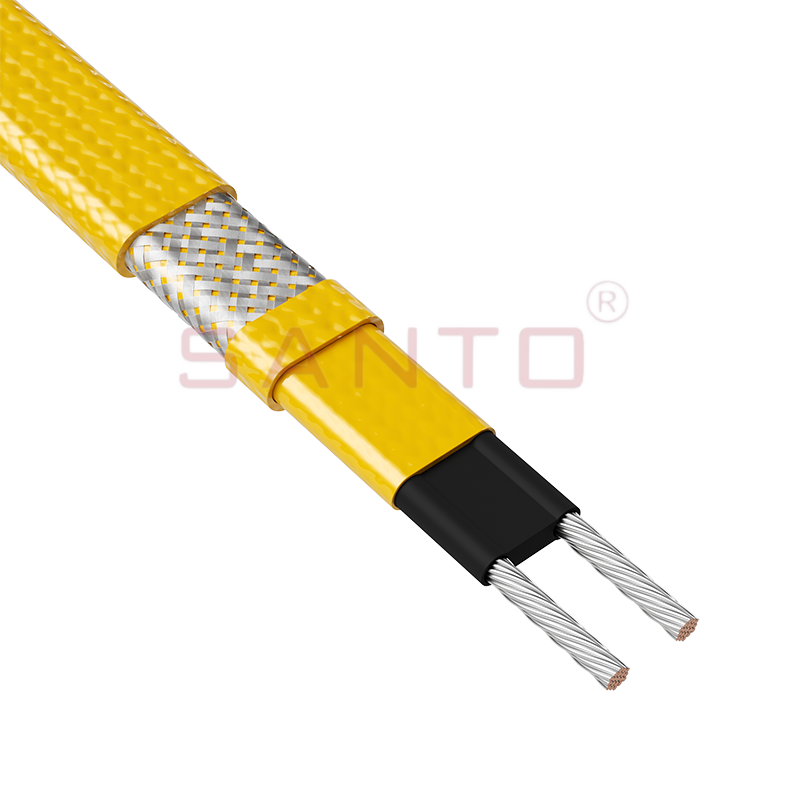
The SANTO UFD series of self-regulating heating cables are mainly used for freeze protection of pipes and vessels, but can also be used to maintain processes up to 200°C. These heating cables are avai...
See Details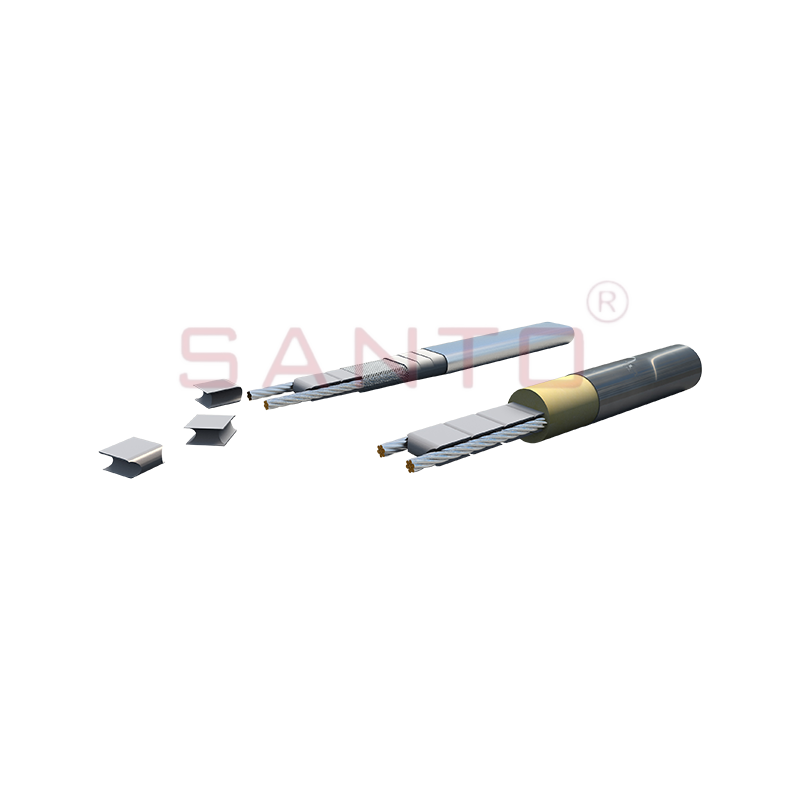
SANTO UFY heating wire is suitable for applications that maintain process temperatures up to 260 ℃ and can be steam blown; The self-regulating and parallel circuit heating wires of the UFY series are ...
See Details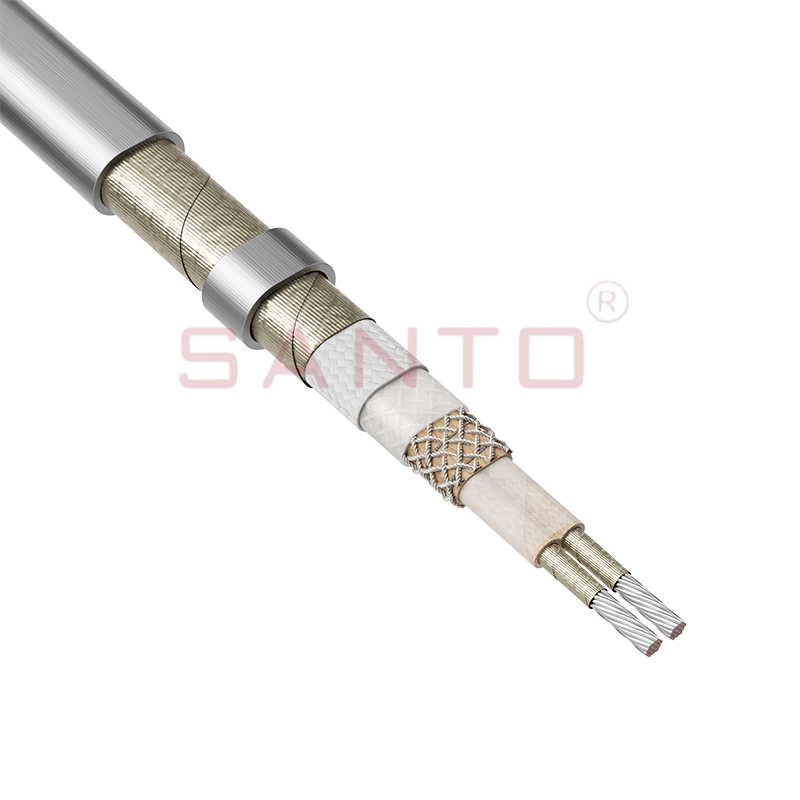
The SANTO UFM series self-regulating heating cables are mainly used for freeze protection of pipes and vessels, but can also be used to maintain processes up to 400°C. These heating cables are availab...
See Details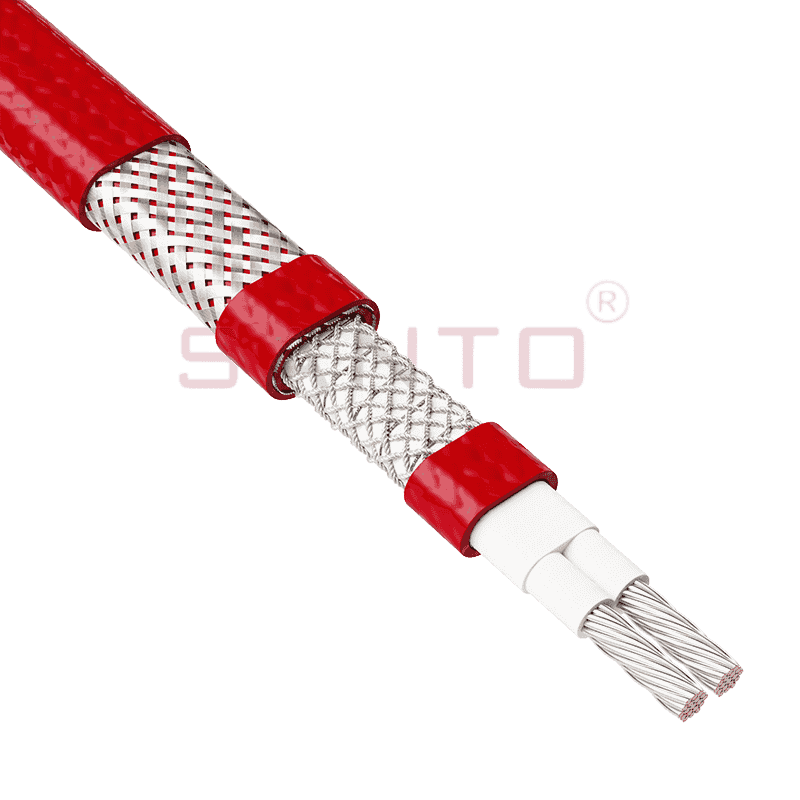
The SANTO ACC range of power-limiting heating cables is mainly used for temperature maintenance of processes and offers the advantage of a high power output at high temperatures which can reduce the n...
See Details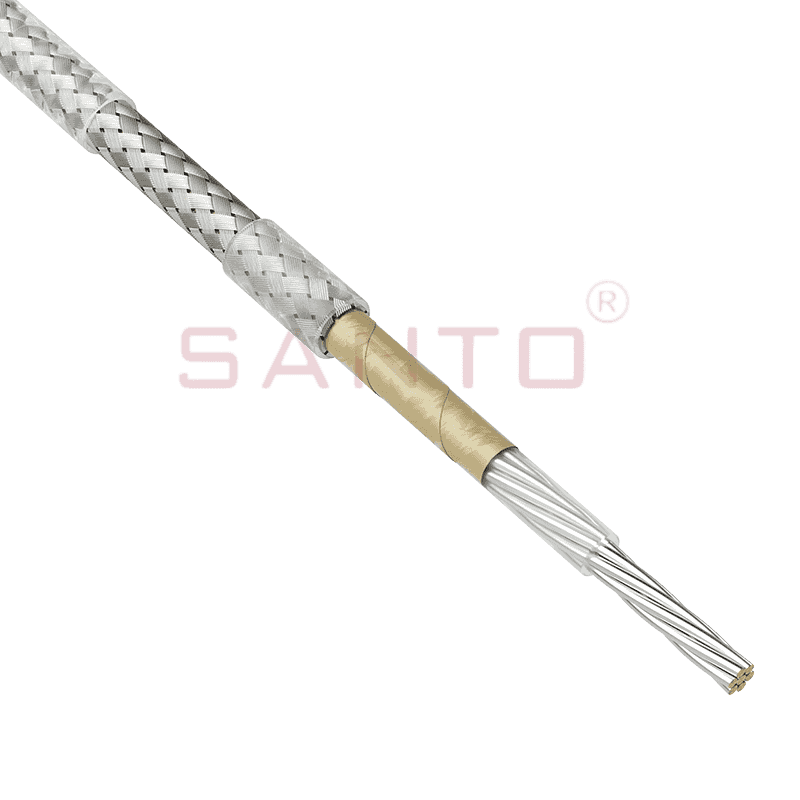
The stranded high temperature conductor is nickel plated to ensure a long life at elevated temperatures in corrosive environments. It is electrically isolated using an innovative sandwich construction...
See Details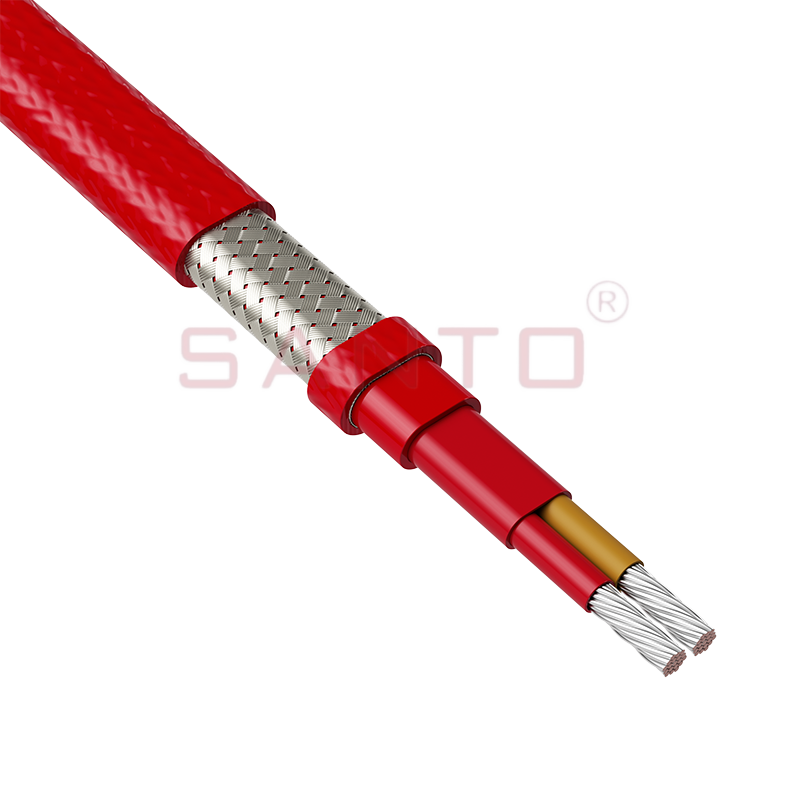
The stranded high temperature conductor is nickel plated to ensure a long life at elevated temperatures in corrosive environments. It is electrically isolated using an innovative sandwich construction...
See Details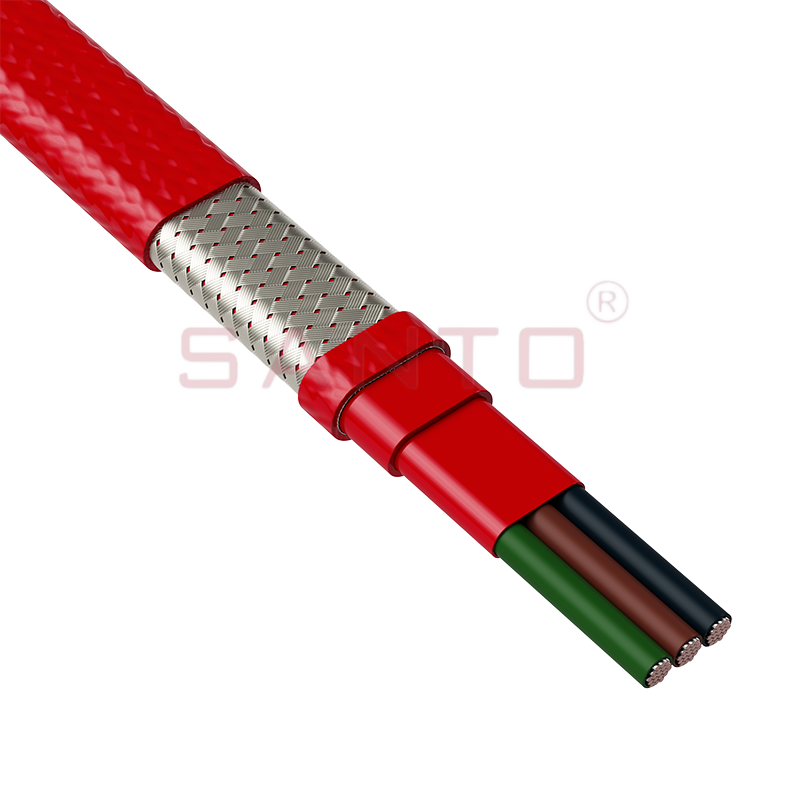
The stranded high temperature conductor is nickel plated to ensure a long life at elevated temperatures in corrosive environments. It is electrically isolated using an innovative sandwich construction...
See Details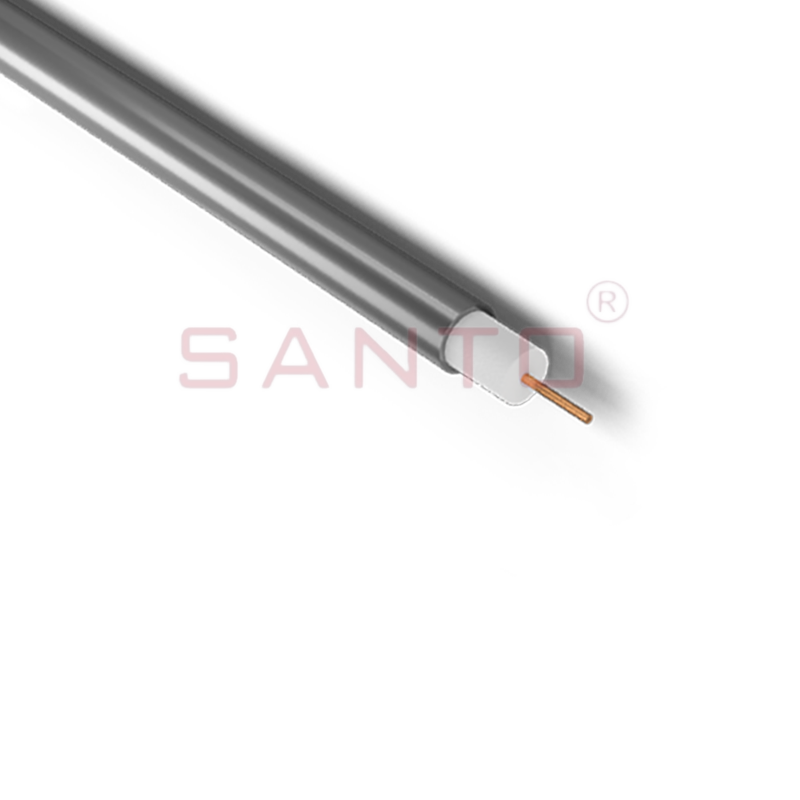
SANTO HAx mineral insulated (MI) Alloy 825 series heating cables are suitable for use in hazardous areas. They have been designed for use in freeze protection and temperature maintenance applications ...
See Details
Santo electric heating strips are widely used in key industries in China.

