 English
  English
 русский
 日本語
日本語 Español
 中文简体
中文简体The SANTO UFA range of self-regulating heating cables is mainly used for frost protection of pipes and vessels but can also be used to maintain processes up to 65°C. These heating cables are available...
See Details
When temperatures drop below freezing, unprotected pipes become a serious liability — leading to burst lines, costly downtime, and even safety hazards. Heat tracers for pipes, also known as pipe heat tracing or heat trace cables, have become the go-to engineering solution across industries ranging from oil & gas and chemical processing to food production and commercial buildings. This article provides a comprehensive guide to understanding, selecting, and installing the right pipe tracing heater for your application.
Content
Pipe heat tracers are electrical or steam-based systems designed to apply and maintain heat along the exterior surface of a pipe. They compensate for heat loss through insulation and ambient cold to keep the pipe and its contents at a target temperature. The system typically consists of a heat trace cable or tube wrapped around or strapped alongside the pipe, covered by thermal insulation to maximize efficiency.
Whether you're protecting a water supply line in a residential building or maintaining the flow of heavy crude oil in a sub-arctic pipeline, heat tracing systems for pipes deliver precise, controllable thermal management that passive insulation simply cannot provide on its own.
Understanding the different categories of heat tracers for pipes is essential before making a purchasing decision. Each type serves different operational needs, temperature ranges, and budget profiles.
The most popular and technologically advanced option. Self-regulating (or self-limiting) heat trace cables contain a conductive polymer core that automatically increases or decreases power output based on the surrounding temperature. When a section of pipe gets colder, the cable produces more heat; as the pipe warms up, output reduces — preventing overheating and saving energy. These are ideal for freeze protection of water pipes, roof and gutter de-icing, and general industrial applications up to around 65°C (150°F).
Constant wattage cables emit a fixed amount of heat per linear foot regardless of ambient temperature. They are divided into zone-type and series-type designs. Zone heaters can be cut to length in the field, while series heaters run as a single continuous circuit. These are used in applications requiring precise, uniform heating such as process temperature maintenance in chemical plants.
MI cables use a metallic sheath filled with compacted magnesium oxide around resistance wires. They can withstand extremely high temperatures — up to 600°C — making them suitable for steam lines, high-temperature process piping, and hazardous area applications requiring robust performance.
A traditional method where steam is circulated through small-diameter tubes running alongside the process pipe. While effective at high temperatures and in areas where electrical power is unavailable or hazardous, steam tracing is less energy-efficient than modern electric alternatives and requires more complex infrastructure including traps and condensate return lines.
| Type | Max Temp | Install Complexity | Best For |
| Self-Regulating | ~65°C | Low | Freeze protection, general-purpose |
| Constant Wattage | ~150°C | Medium | Process temp maintenance |
| Mineral Insulated | ~600°C | High | High-temp industrial, hazardous areas |
| Steam Tracing | ~200°C+ | High | Remote sites, steam-available facilities |
The adoption of electrical heat tracing for pipes has accelerated dramatically in the past decade. Here's why engineers and facility managers choose these systems:
Heat tracers for pipes are deployed across an extraordinary range of industries. Understanding where and how they are used helps clarify their versatility:
Perhaps the most demanding environment for pipe heat tracing. Offshore platforms and arctic pipelines require systems capable of maintaining crude oil flow, preventing hydrate formation in subsea lines, and protecting instrument tubing at temperatures well below -40°C. High-temperature MI heat trace cables and sophisticated control panels are standard in these applications.
Chemical plants rely on constant wattage and self-regulating heat trace systems to prevent crystallization or solidification of chemical compounds in pipes and tanks. Precise temperature control is critical to product quality and process safety in these facilities.
Hygienic-grade electric heat trace cables help maintain proper flow temperatures for edible oils, syrups, chocolate, and other temperature-sensitive food products. Stainless steel-sheathed designs meet food-grade sanitation requirements.
Pipe freeze protection heat trace is widely used in commercial buildings, parking garages, and residential homes to protect domestic water supply lines, fire sprinkler systems, and drain pipes in unheated spaces. Roof and gutter de-icing cables use similar technology to prevent ice dams.
Power plants use heat tracing systems to protect cooling water circuits, instrument lines, and chemical dosing systems from freezing during cold-weather outages or in northern climates.
| Industry | Application | Recommended Tracer Type |
| Oil & Gas | Crude oil flow assurance, instrument tubing | MI Cable / Self-Regulating |
| Chemical Processing | Viscous chemical lines, sulfur pipes | Constant Wattage / MI |
| Food & Beverage | Edible oil, chocolate, syrup lines | Hygienic Self-Regulating |
| Commercial Buildings | Water pipes, fire sprinklers, roof drains | Self-Regulating |
| Power Generation | Cooling water, instrument lines | Self-Regulating / Constant Wattage |
Choosing the correct pipe heat tracing system requires a structured engineering approach. Consider the following parameters:
Proper installation is critical to the performance and longevity of your pipe heat tracing system. Follow these steps for best results:
This is the most common decision engineers face when selecting heat tracers for pipes. Both have distinct advantages:
| Feature | Self-Regulating | Constant Wattage |
| Energy Use | Variable — adapts to ambient | Fixed output regardless of temp |
| Overheat Risk | Very low — self-limiting | Requires thermostat control |
| Field Cutting | Yes — cut to any length | Zone type: yes; series: no |
| Temperature Range | Up to ~65°C (150°F) | Up to ~150°C (300°F) |
| Cost | Higher upfront, lower operating | Lower upfront, higher operating |
| Best Use Case | Freeze protection, general use | High-temp process maintenance |
Like all electrical systems, heat tracers for pipes benefit from regular maintenance to ensure safe, reliable operation. A proactive maintenance program typically includes:
The global heat tracing market is experiencing robust growth, driven by expanding energy infrastructure, increasing industrial activity in cold-climate regions, and stricter pipeline safety regulations.
Key drivers include the rapid development of LNG (liquefied natural gas) infrastructure in North America and Australia, growth in Arctic oil exploration, and increasing adoption of smart heat tracing monitoring systems that use IoT sensors and cloud analytics to predict faults, optimize energy use, and reduce maintenance costs. Digital heat trace controllers with Modbus, PROFIBUS, and Ethernet connectivity are now standard specifications on new industrial projects.
Whether you're protecting a residential water line or managing a complex industrial pipeline network, heat tracing systems deliver unmatched reliability, energy efficiency, and peace of mind. The technology has matured significantly — today's self-regulating cables, smart controllers, and hazardous-area certified systems represent the cutting edge of thermal management engineering.
By selecting the correct pipe heat tracer type, sizing it properly to your heat loss calculations, installing it according to best practices, and maintaining it regularly, you can expect decades of trouble-free freeze protection and process temperature maintenance — protecting not just your pipes, but your entire operation.
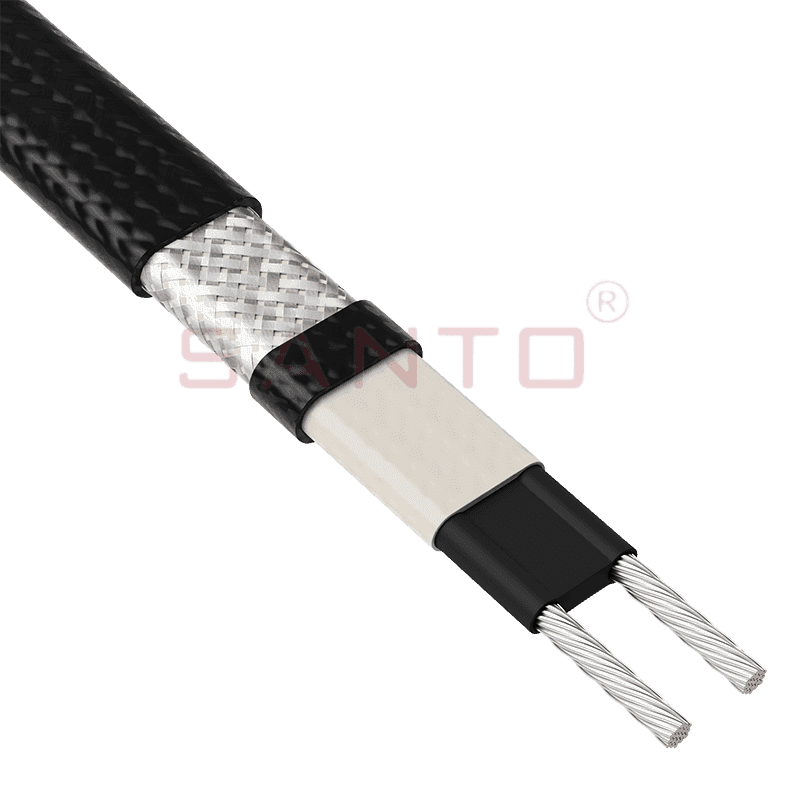
The SANTO UFA range of self-regulating heating cables is mainly used for frost protection of pipes and vessels but can also be used to maintain processes up to 65°C. These heating cables are available...
See Details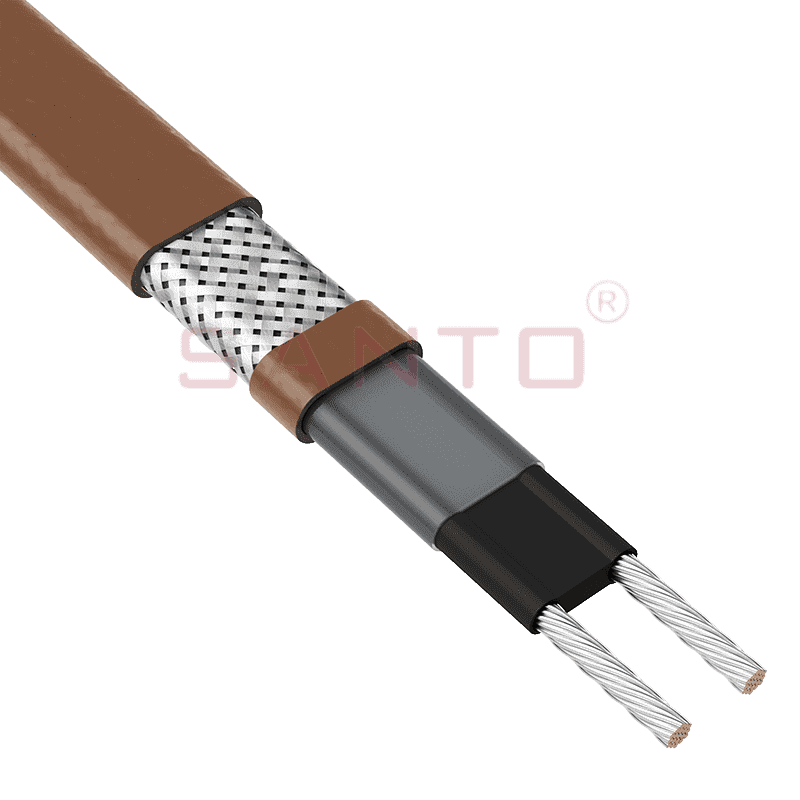
The SANTO UFB range of self-regulating heating cables is mainly used for frost protection of pipes and vessels requiring a higher power output than the UFA heating cables can supply. They can also be ...
See Details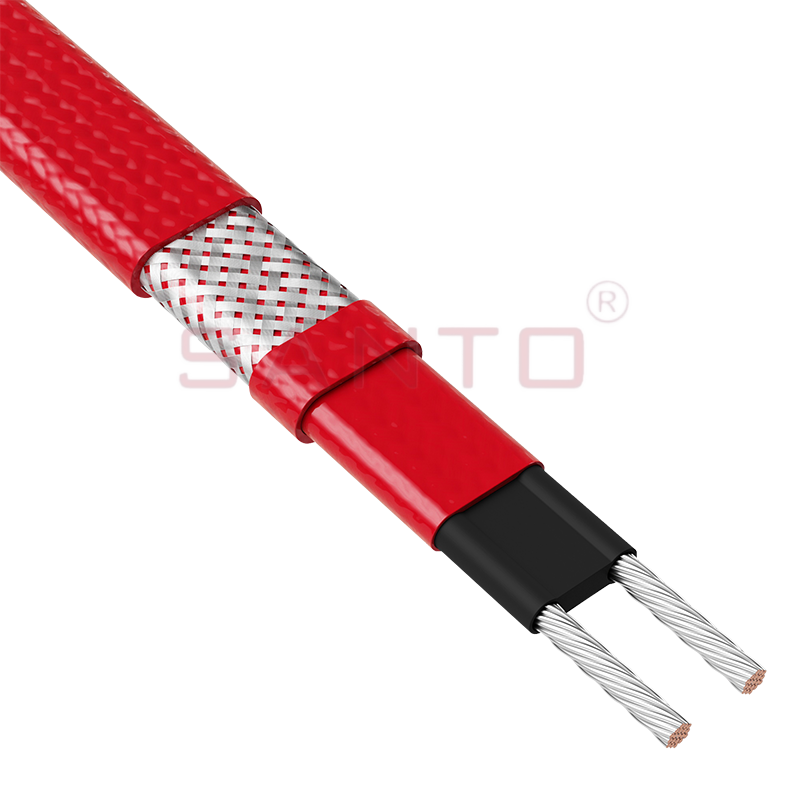
The SANTO UFC range of self-regulating heating cables is used for frost protection of pipes and vessels that require steam cleaning. They can also be used to maintain processes up to 121°C. These heat...
See Details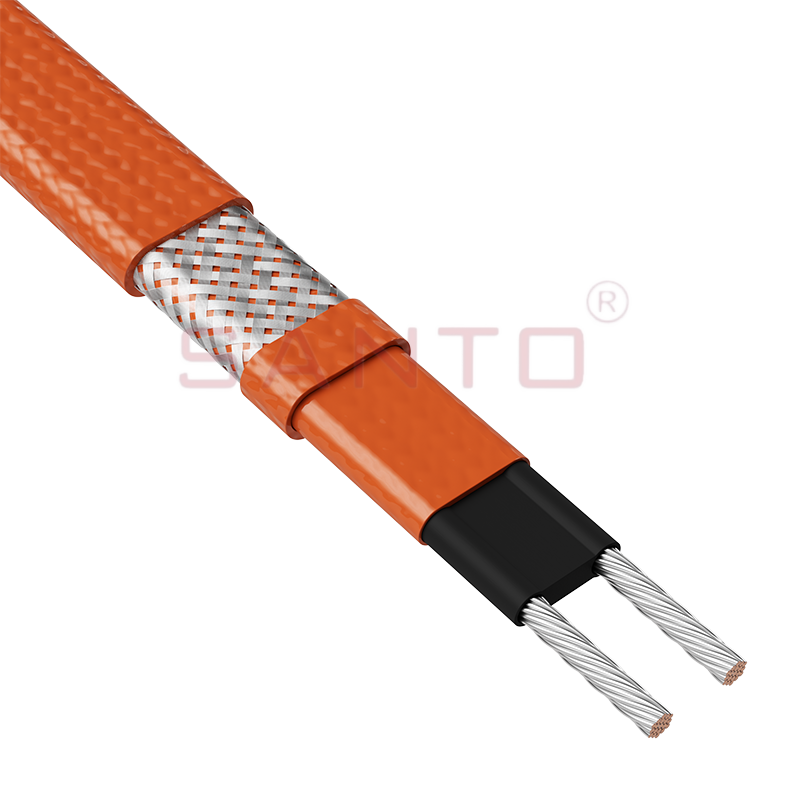
The SANTO UFO range of self-regulating heating cables is mainly used for frost protection of pipes and vessels that require steam cleaning . They can also be used to maintain processes up to 150°C. Th...
See Details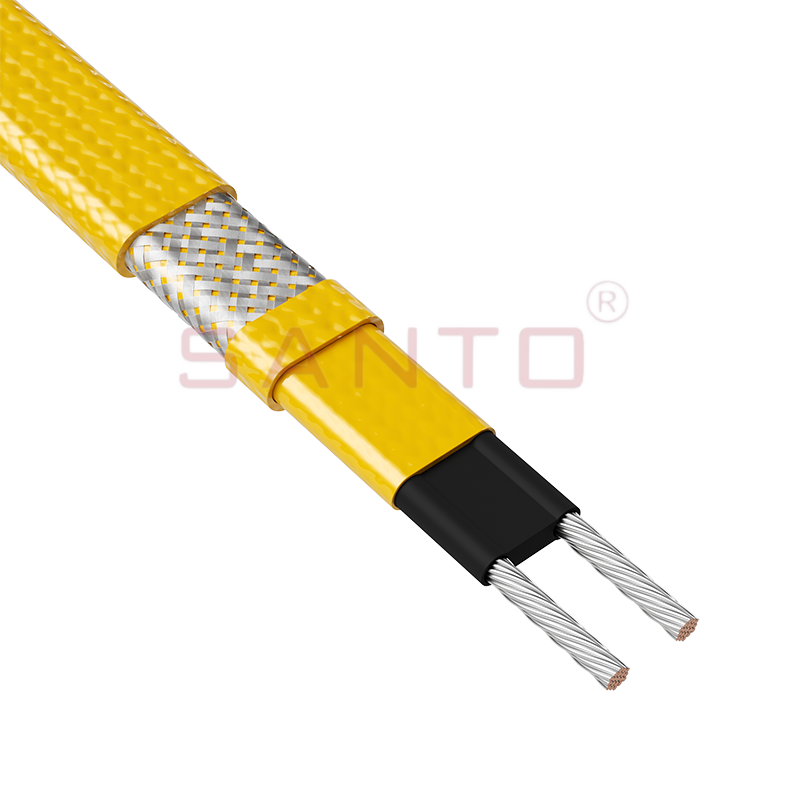
The SANTO UFD series of self-regulating heating cables are mainly used for freeze protection of pipes and vessels, but can also be used to maintain processes up to 200°C. These heating cables are avai...
See Details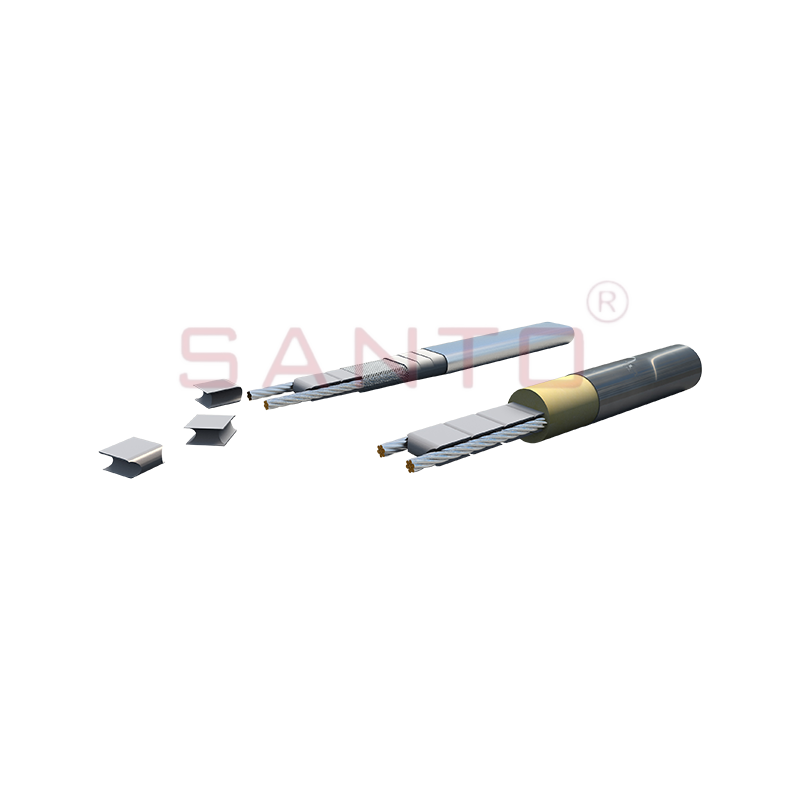
SANTO UFY heating wire is suitable for applications that maintain process temperatures up to 260 ℃ and can be steam blown; The self-regulating and parallel circuit heating wires of the UFY series are ...
See Details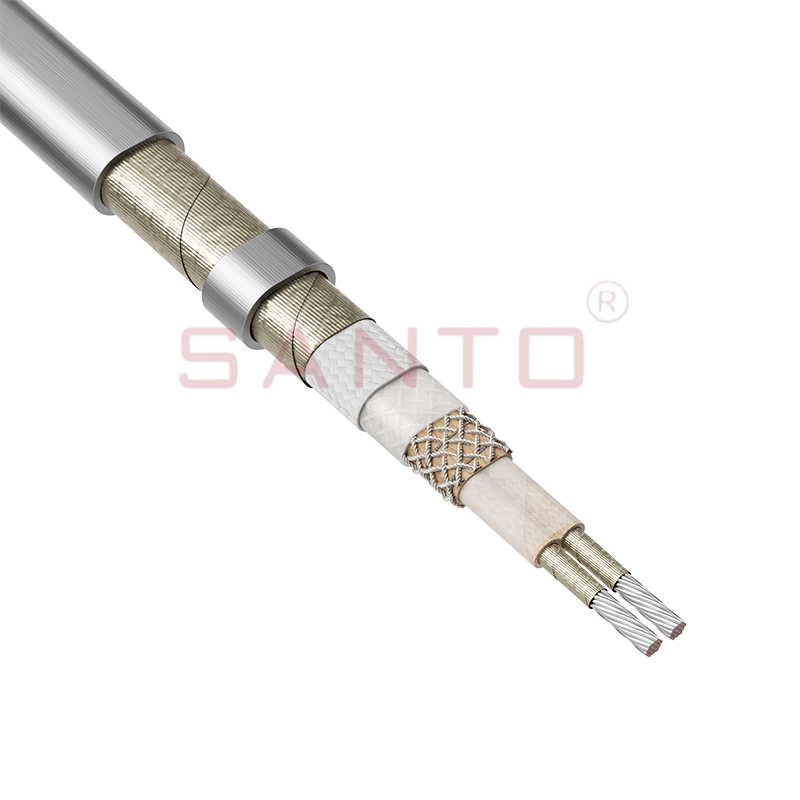
The SANTO UFM series self-regulating heating cables are mainly used for freeze protection of pipes and vessels, but can also be used to maintain processes up to 400°C. These heating cables are availab...
See Details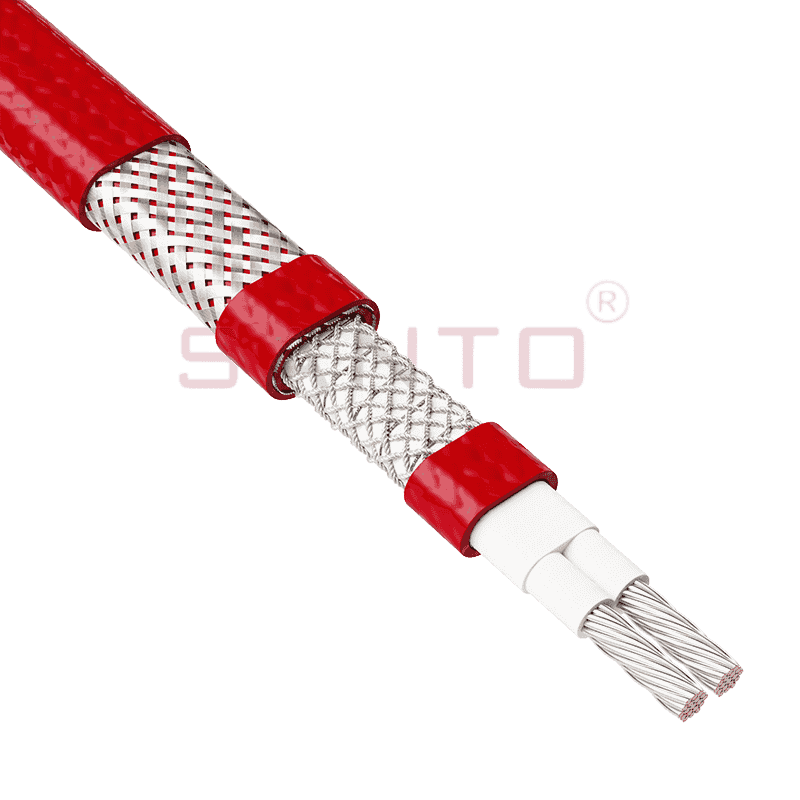
The SANTO ACC range of power-limiting heating cables is mainly used for temperature maintenance of processes and offers the advantage of a high power output at high temperatures which can reduce the n...
See Details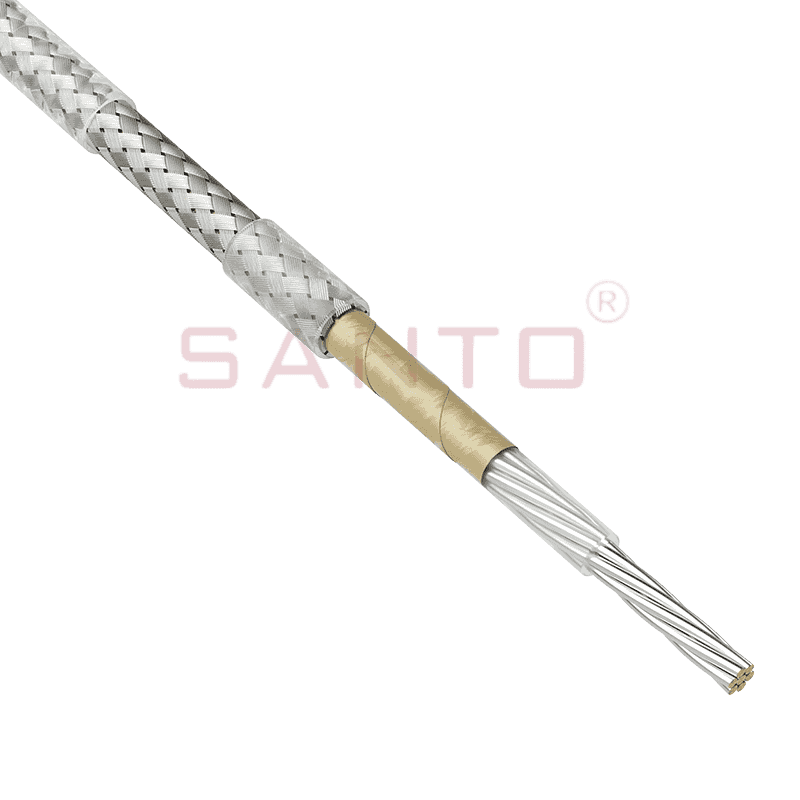
The stranded high temperature conductor is nickel plated to ensure a long life at elevated temperatures in corrosive environments. It is electrically isolated using an innovative sandwich construction...
See Details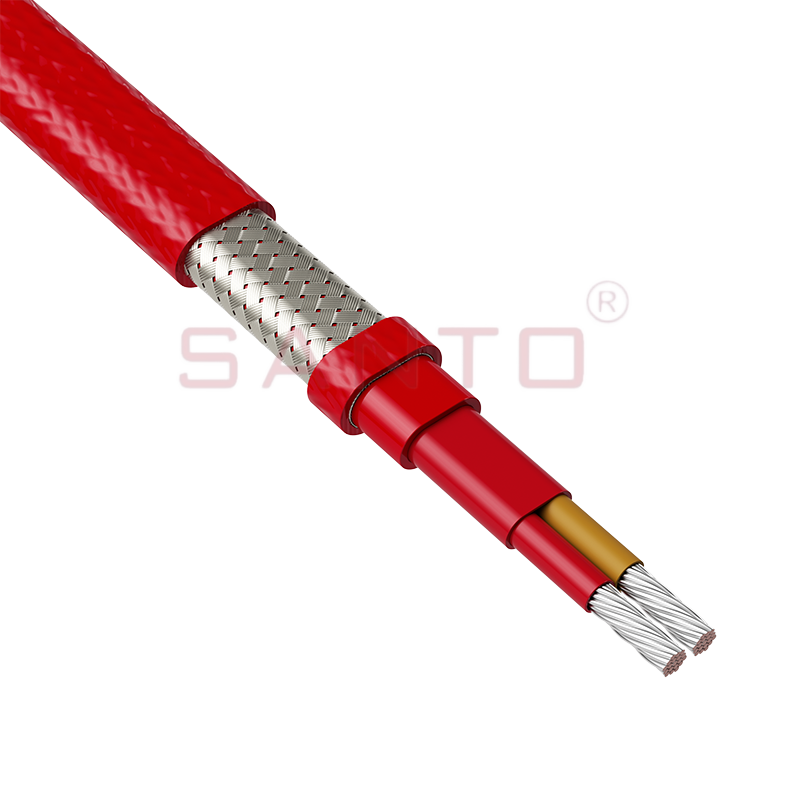
The stranded high temperature conductor is nickel plated to ensure a long life at elevated temperatures in corrosive environments. It is electrically isolated using an innovative sandwich construction...
See Details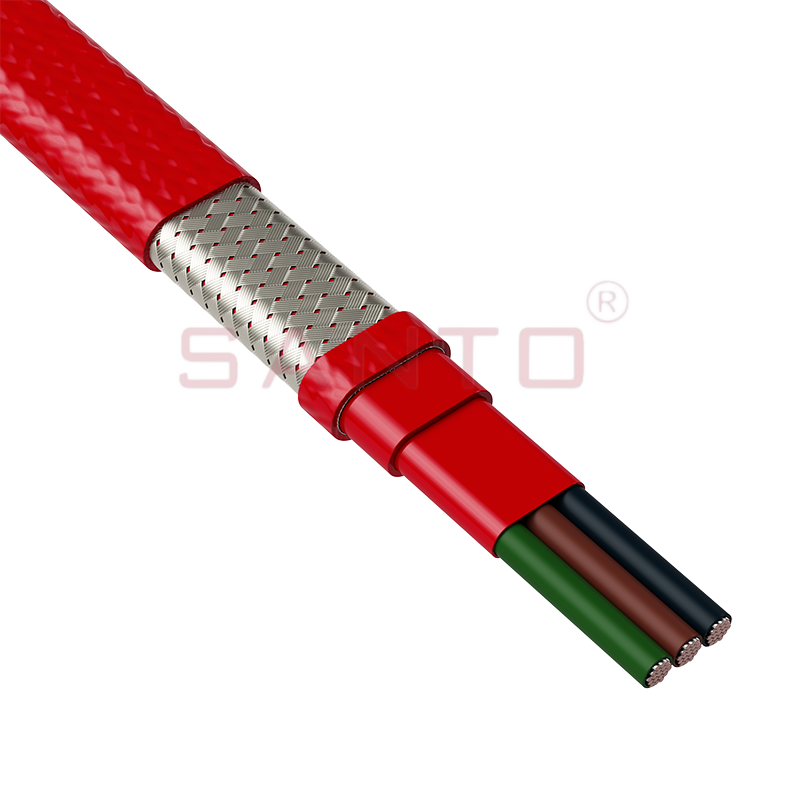
The stranded high temperature conductor is nickel plated to ensure a long life at elevated temperatures in corrosive environments. It is electrically isolated using an innovative sandwich construction...
See Details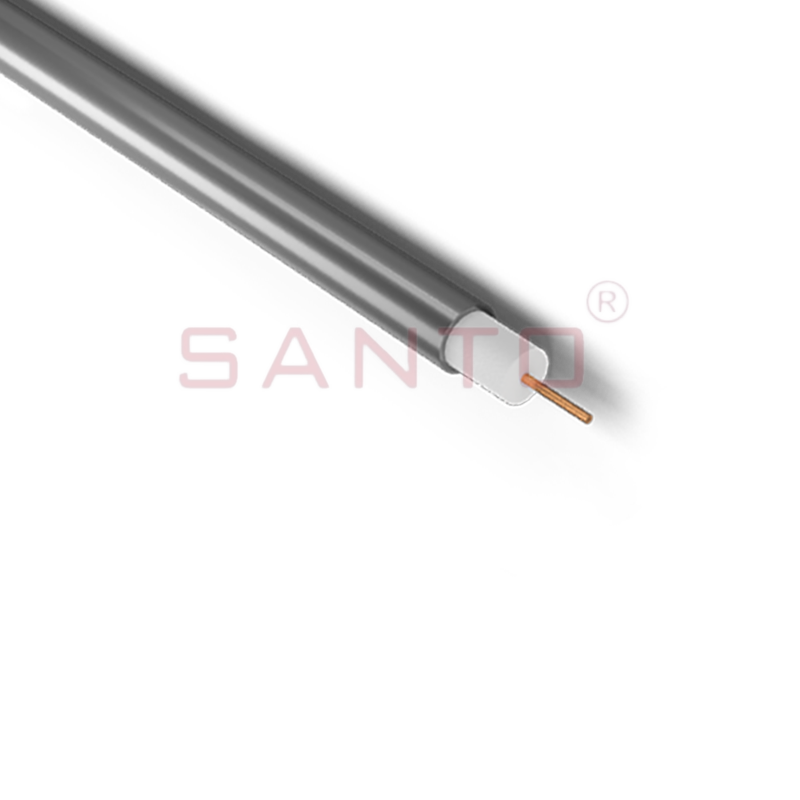
SANTO HAx mineral insulated (MI) Alloy 825 series heating cables are suitable for use in hazardous areas. They have been designed for use in freeze protection and temperature maintenance applications ...
See Details
Santo electric heating strips are widely used in key industries in China.

